If you’re considering adding metal elements to your landscape, we can help you design with clarity and intention. Schedule a consultation to explore ideas for your space.
A Material That Brings Structure to Living Landscapes
In modern landscape design, metal does more than hold things in place; it helps define how a space feels.
In Seattle, where gardens are layered with greens, textures, and seasonal change, metal introduces a steady counterpoint. It frames planting, holds clean edges, and creates contrast against softer forms.
From corten steel edging to custom trellises, these elements bring a sense of order that allows the landscape to feel both natural and composed at the same time.
Why Metal Works So Well in the Pacific Northwest
Outdoor materials in Seattle need to handle consistent moisture, shifting temperatures, and long seasonal transitions.
Metal responds well to these conditions.
Corten steel, for example, develops a stable patina that protects it over time. Powder-coated and stainless finishes resist corrosion while maintaining a refined appearance. Compared to wood, metal holds its shape and strength through the seasons, without the need for regular sealing or replacement.
There’s also a long-term benefit. Because metal lasts, it reduces material turnover and supports a more sustainable approach to building and maintaining landscapes.
Choosing the Right Metal for Your Landscape
Different metals bring different qualities, and each one plays a specific role in design.
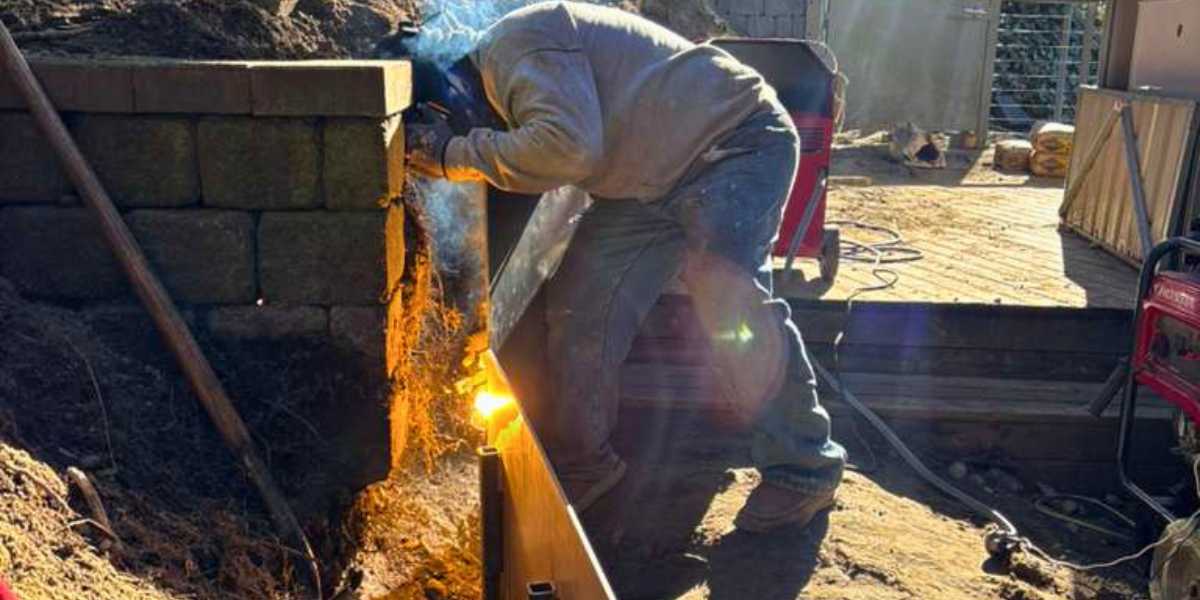
- Corten steel is often chosen for its warm, weathered tone and its ability to age naturally. It’s commonly used in planters, retaining walls, and edging where both durability and visual presence matter.
- Powder-coated steel offers flexibility in color and finish. It integrates well with architectural elements like railings, screens, and trellises, especially when a more tailored look is desired.
- Stainless steel brings a quieter, more minimal expression. Its clean surface works well in contemporary spaces, particularly in water features or subtle accents.
- Aluminum, being lightweight and corrosion-resistant, is often used in edging or custom elements where ease of installation and longevity are both important.
Interested in incorporating metal into your outdoor space?
Where Metal Adds the Most Value
Metal can be introduced in small details or as defining features, depending on the landscape.
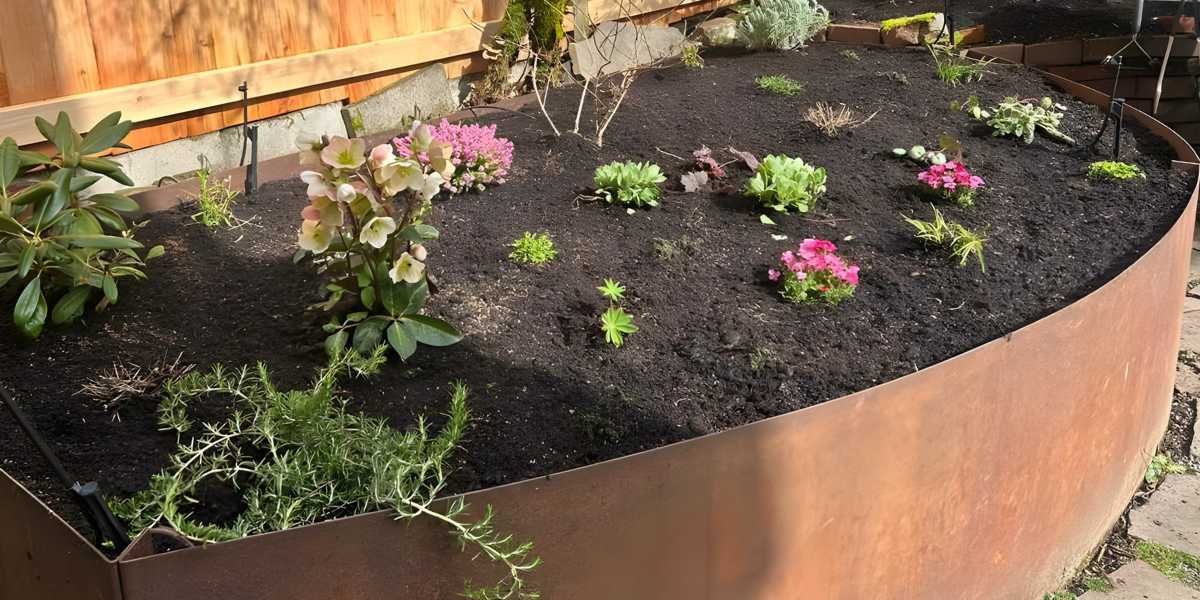
- Planters are often a starting point. Raised steel planters add height and structure, helping organize planting areas while creating focal points.
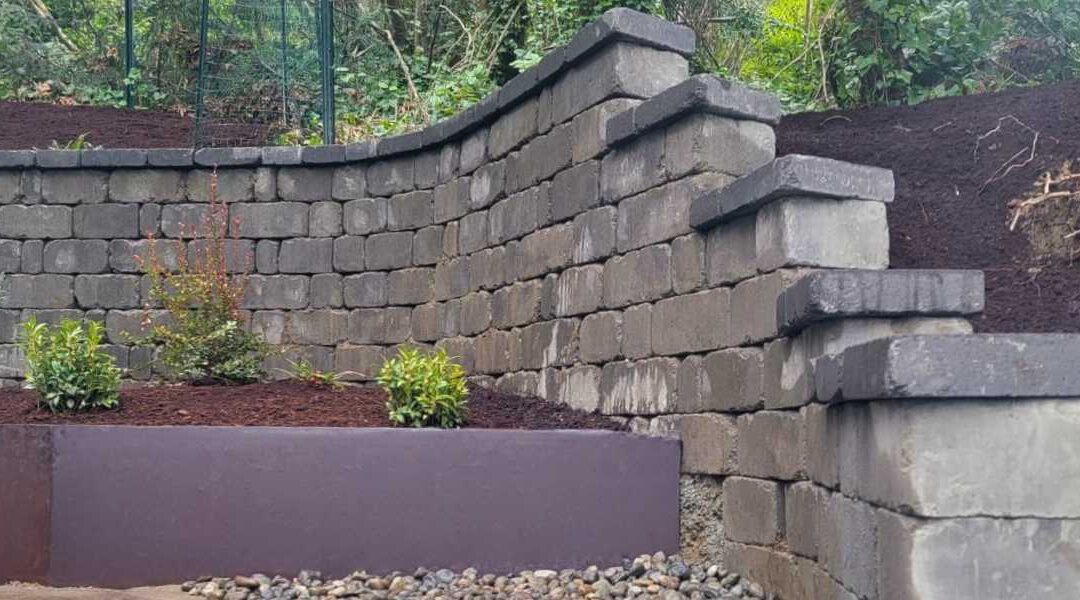
- In sloped Seattle yards, metal retaining walls provide both strength and a clean visual line. They help manage grade changes while contributing to the overall design.
- Edging is one of the most subtle and effective uses. Thin steel lines define transitions between lawn and planting beds without interrupting the natural flow of the garden.
- Trellises and screens bring vertical interest. They support climbing plants while also offering privacy and a sense of enclosure.
- In some cases, metal becomes more expressive, shaped into custom accents or sculptural elements that reflect the identity of the space.
Balancing Metal with Planting
In a region known for its lushness, metal works best when it’s integrated with planting rather than set apart from it.
A weathered steel planter surrounded by ferns and native groundcovers feels grounded and connected. The contrast highlights both materials—the softness of foliage and the strength of structure.
Thoughtful pairings, like corten steel with dark mulch and layered greens, create a Northwest-modern aesthetic that feels both intentional and natural.
Designing for Longevity
One of the most valuable qualities of metal is how well it performs over time.
It resists rot, holds clean lines, and requires minimal upkeep. That consistency allows the landscape to mature around it, rather than needing frequent adjustments or replacements.
In this way, metal supports not just the look of a landscape, but its long-term stability.
A More Intentional Approach to Outdoor Spaces
In Seattle landscapes, where growth can be abundant and fast-moving, structure plays an important role.
Metal introduces that structure in a way that feels quiet and lasting. It gives planting room to evolve while maintaining a sense of balance and clarity.
If you’re exploring ways to bring structure and longevity into your landscape, we’d be glad to help. Schedule a consultation and start shaping your outdoor space.