Xeriscaping in Seattle
Create a beautiful, water-efficient landscape with plants and design choices that thrive in Seattle’s changing seasons.
Less Water, More Beauty
Drought-Tolerant Landscape Design
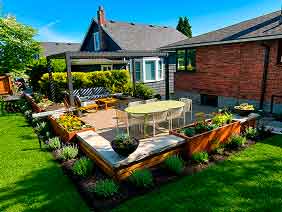
Xeriscaping in Seattle offers a thoughtful way to use less water while creating more beauty by installing a landscape that still feels lush, colorful, and full of life.
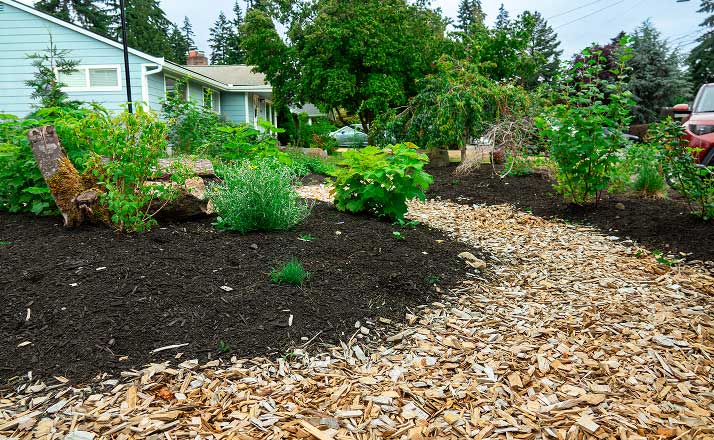
We’ll install mulch and efficient irrigation systems when needed.
Seattle may be known for rain, but our dry summers can put plenty of stress on a landscape. So we design water-efficient landscapes with native and drought-tolerant plants.
The goal is to create a landscape that works with Seattle’s climate.
Plants That Belong
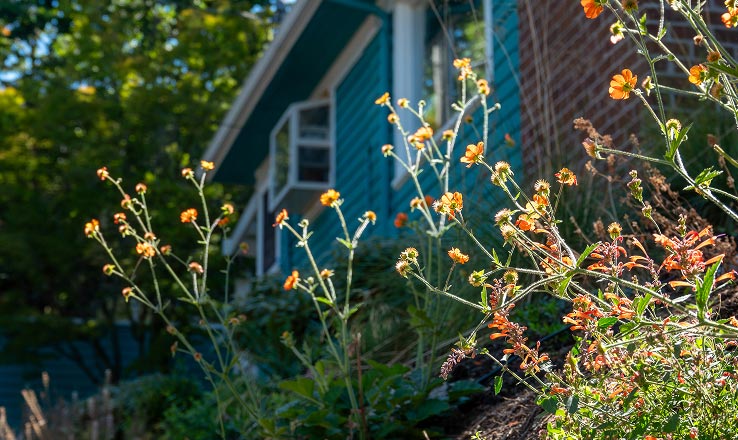
Native and well-adapted plants are naturally suited to Seattle’s climate and growing conditions. They can require less supplemental water and maintenance while providing food and habitat for local wildlife.
Adapted to Your Site
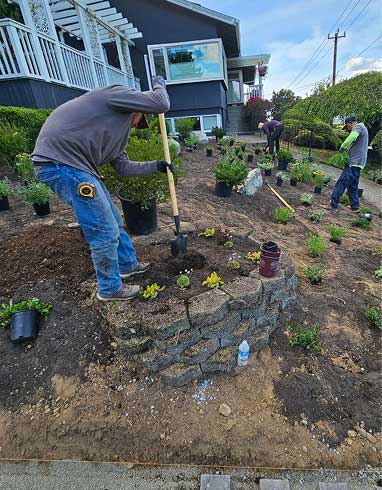
Sun, shade, soil, slopes, wind, and exposure all affect how much water a landscape needs. We look at these conditions before selecting plants and deciding where they belong.
Water Where It Matters
Mulch, healthy soil, thoughtful grading, and efficient irrigation can all help reduce unnecessary water use. New plantings may still need regular watering while their roots become established.
Local Xeriscaping
A Landscape That Changes With The Seasons
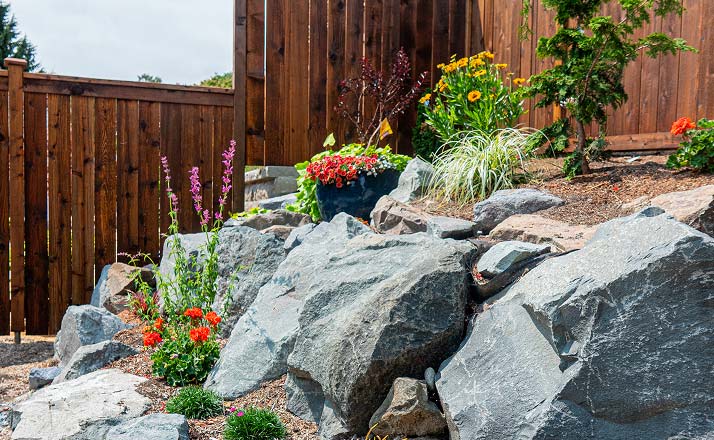
Xeriscaping in Seattle doesn’t mean copying a desert landscape. We choose plants and materials that are native to the Pacific Northwest, selected to handle summer dryness while supporting the character and ecology of your existing landscape.
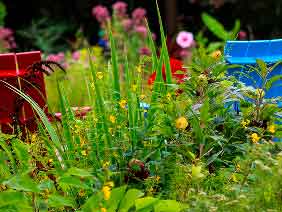
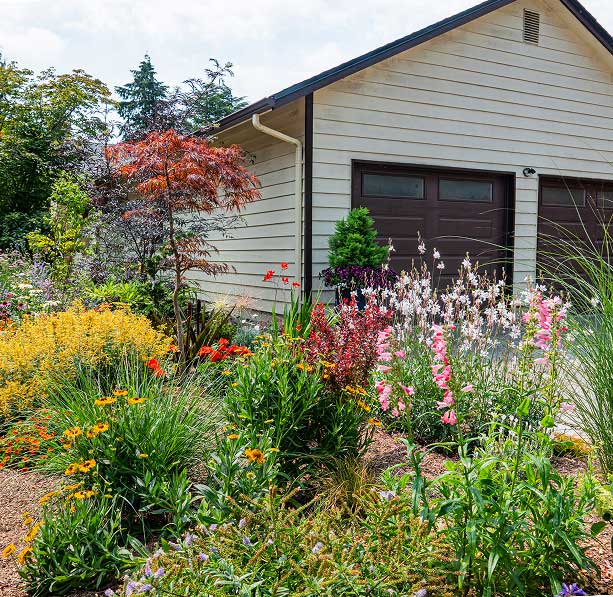
Also, the xeriscapes our designers create feel abundant year-round. Spring brings new growth and early blooms, summer foliage and grasses hold their structure through the dry months, and fall color and seed heads carry interest into winter. The result is a landscape that stays visually alive in every season, not just July and August.
Drought-Tolerant Planting in The PNW
What Goes into a Water-Efficient Landscape?
Healthy Soil
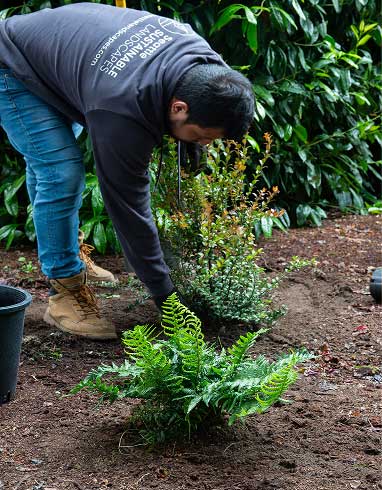
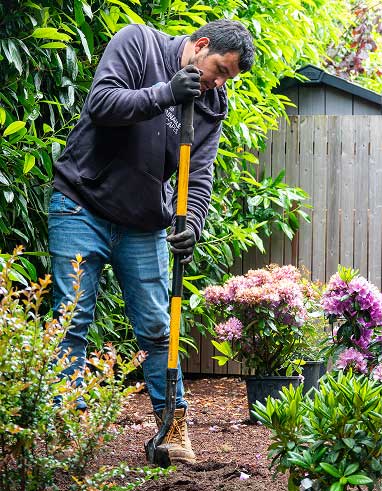
The first step is to improve the soil so that the roots establish well and the terrain holds moisture more effectively, reducing how often plants need water.
Natives & Drought-Tolerant Plants
We select plants suited to Seattle’s climate because they offer color, texture, and fragrance and need less supplemental water once established.
Mulch & Groundcovers
We choose to include mulch and groundcovers because they protect the soil surface, retain moisture, and reduce weed competition.
Efficient Irrigation
Drought-tolerant landscapes need irrigation during establishment or in extreme heat. We can install a smart drip irrigation system to deliver water only where and when plants need it.

Create a water-efficient landscape
Set up a smart irrigation system and water your plants only when and where they need it.

Build a cohesive landscape
Plan your plantings, pathways, patios, and water management with a professional landscape designer.
Xeriscaping Professionals in Seattle
Some people hire our xeriscaping service because they want a garden that requires less watering while they’re away in the summer. Others are simply tired of having to keep flower beds alive with constant watering. Others want to create a more sustainable landscape that still looks beautiful and in harmony with their home.
We’ll assess your property, understand what you’re hoping to achieve, and create the right combination of plants, soil, irrigation, and landscape design.
Let’s create a water-efficient landscape that is practical to care for over time.
9
WALP Awards
200+
completed projects
4.9 
Google rating
Exellence
pursued every day
Ready for a Landscape That Needs Less Water?
Reach out! We’d be glad to help
About Xeriscaping
-
What is xeriscaping?
Xeriscaping is a landscaping approach that reduces the need for supplemental water by using drought-tolerant plants, thoughtful design, healthy soil, mulch, and efficient irrigation.
The goal is to create a beautiful landscape that can thrive with less water.
-
Does xeriscaping work in Seattle?
Yes. Xeriscaping can work well in Seattle, particularly because our summers can be relatively dry despite our wet winters. We select plants and techniques suited for the Pacific Northwest conditions rather than copying xeriscape designs from desert climates.
-
Does xeriscaping mean using only native plants?
No. Native plants are an important option, but xeriscaping can also include well-adapted non-native plants that tolerate Seattle’s conditions.
The most important consideration is choosing plants suited to your property’s specific conditions.
-
Do xeriscape plants need water?
Yes. Drought-tolerant plants still need water, especially while they establish their root systems. Supplemental watering may also be necessary during prolonged dry periods or extreme heat.
-
Is xeriscaping just gravel and rocks?
No. Xeriscaping can include trees, shrubs, grasses, perennials, groundcovers, mulch, and other living plants.
In Seattle, we can create a lush, layered landscape while reducing reliance on supplemental irrigation.
-
Can xeriscaping reduce my irrigation needs?
Yes. Choosing appropriate plants and combining them with efficient irrigation, healthy soil, and moisture-retaining practices can reduce supplemental water needs.
How much water you save depends on the existing landscape and the design of the new planting.
-
Can you add xeriscaping to an existing landscape?
Yes. We can introduce Xeriscaping to an existing landscape or a larger yard renovation project. During that process, we will identify the areas that would benefit most from drought-tolerant planting, improved soil, mulch, or irrigation changes.
-
How do I create a xeriscape in Seattle?
Start by understanding your property’s sun, shade, soil, drainage, and water conditions, then select plants suited to those conditions. From there, thoughtful planting design, soil improvements, mulch, and efficient irrigation can help create a landscape that uses water more efficiently.