Landscape Pathways in Seattle
Pathway design and installation services to naturally integrate outdoor spaces into your Seattle landscape.
Make Everyday Life Easier
Walkway Design & Construction
Outdoor walkways define how you move through your space. As landscape contractors, we’ve built pathways in Seattle that have:
- Helped an older couple access every corner of their garden again
- Connected patios, gardens, and entryways so families can move through their landscapes with greater ease every day
- Shaped an accessible route that allows a homeowner using a wheelchair to safely reach their mailbox
Since every homeowner uses their garden differently, we’ve put together a selection of paths we’ve designed and built in various styles to inspire you in your own project.
We can help you build your own custom pathways that feel natural, improve daily access, and integrate beautifully into your property. Take a look at our projects below.
Love Coming Home
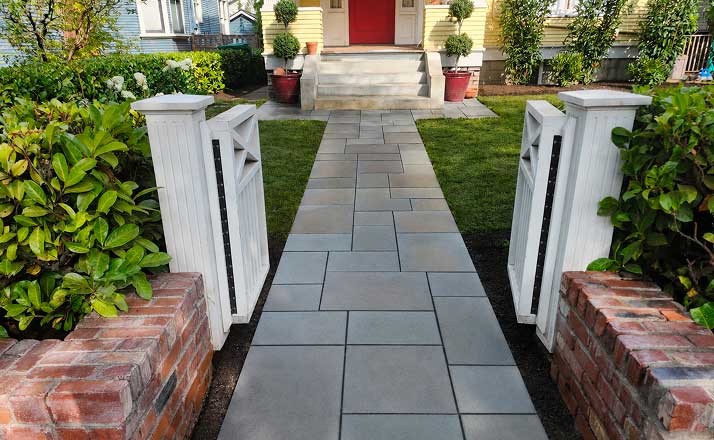
Beautiful front entry walkways create a welcoming first impression, improve curb appeal, and provide a durable route from your driveway or sidewalk to your front door.
Create a Better Flow
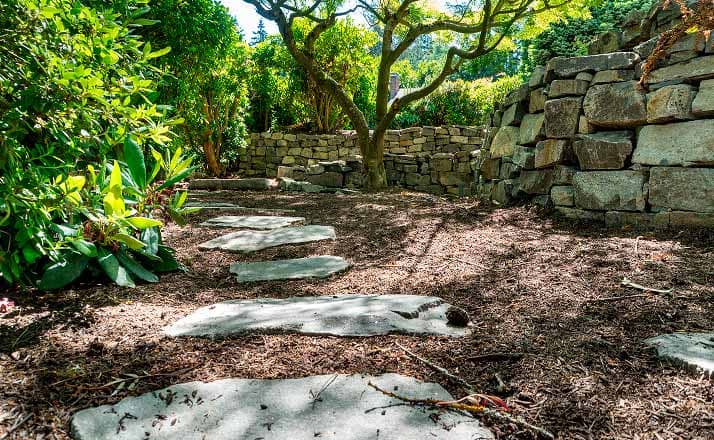
Connect patios, driveways, and gathering spaces with garden pathways that feel intuitive and easy to use.
Enjoy Every Season
During Seattle’s rainy months, a well-built pathway helps keep muddy shoes out of the house while protecting lawns and planting beds from everyday wear.
Pathway Types
Choose your Flow
Full Walkways
Easy Access
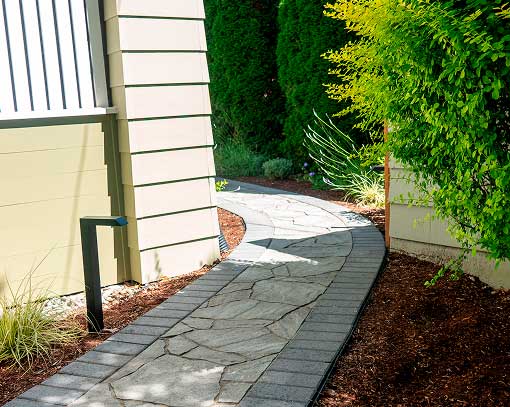
Full walkways create comfortable, durable routes for the areas of your landscape you use every day. Built from concrete pavers or natural stone, these walkways provide stable footing, support frequent foot traffic, and perform reliably through Seattle’s rainy seasons.
Available in a wide range of colors, patterns, and textures, paver pathways can complement everything from traditional gardens to contemporary landscapes.
Whether you’re creating welcoming front entry walkways, connecting outdoor spaces, or improving accessibility, a full walkway offers a long-lasting, low-maintenance solution that feels integrated into your home.
Stepping Stone Pathways
Natural Feel
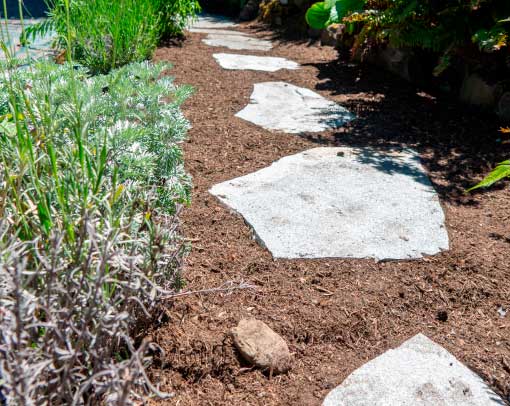
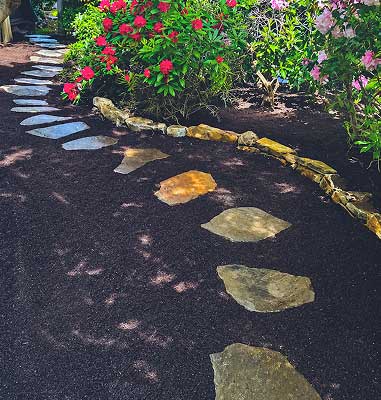
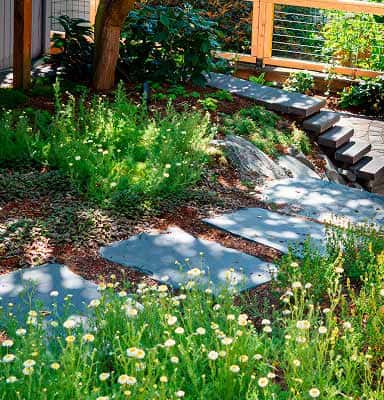
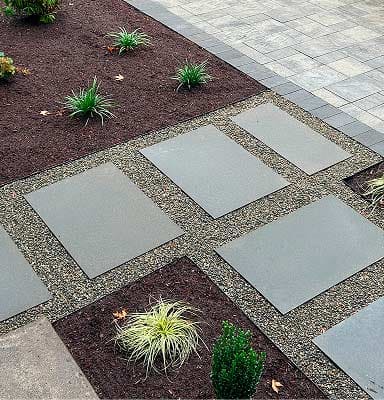
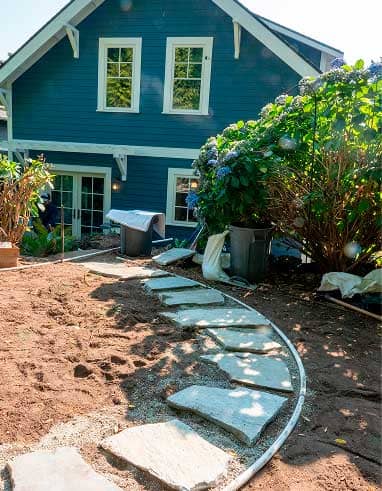
Stepping stone pathways invite a slower journey through your landscape. Built with flagstone, granite, limestone, or concrete, they create moments of discovery through planting beds, lawns, cottage gardens, woodland gardens, and native landscapes.
Their flexible layouts can be arranged in a variety of patterns, making it easy to complement both traditional and contemporary homes.
Because stepping stones cover less of the landscape than a full walkway, they help preserve the open, planted character of gardens and natural spaces as part of the experience.
Many Landscapes Use Both
Stepping stone paths are ideal for:
- Garden exploration
- Informal landscapes
- Plant-filled gardens
- Lower-traffic areas
- Creating a lighter visual footprint
- Open, natural character
Full walkways are ideal for:
- Front entry walkways
- Side-yard circulation
- Accessible routes for strollers and wheelchairs
- High-traffic areas
- Connecting patios and outdoor spaces
- Continuous, stable surface
Between the Stones
Bring the Pathway to Life
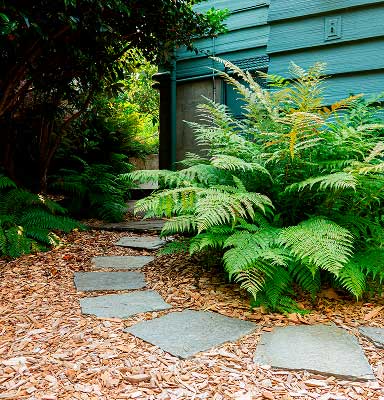
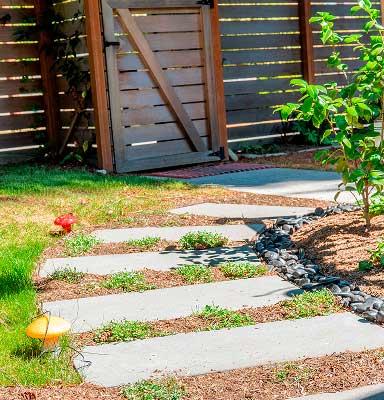
When building a stepping-stone pathway, the space between the stones invites groundcovers, moss, grasses, and seasonal flowers to grow, creating a living pathway that changes throughout the year.
What fills the space between the stones influences the pathway’s texture, color, and character. It also allows rainwater to infiltrate the soil, reducing runoff and supporting healthier planting areas.
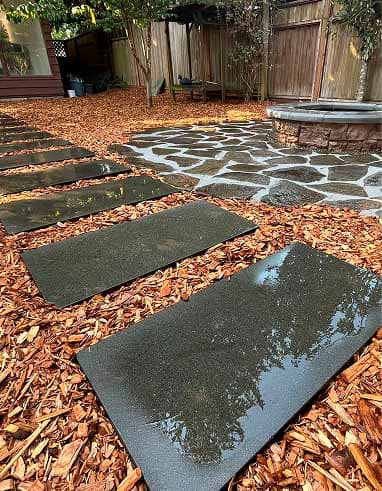
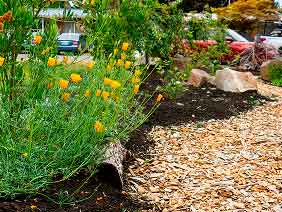
Cedar chips
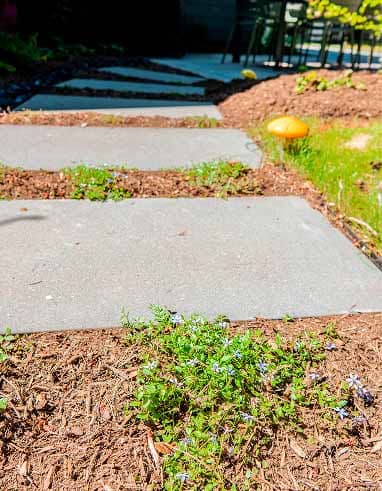
Mulch and groundcovers
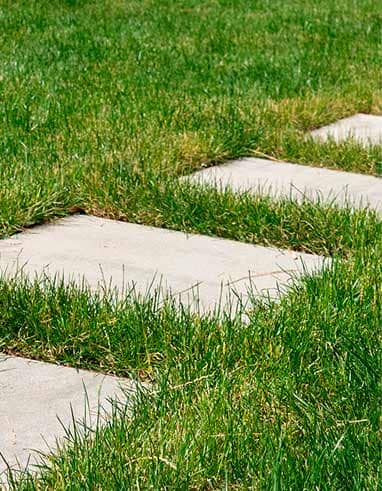
Lawn between the stones
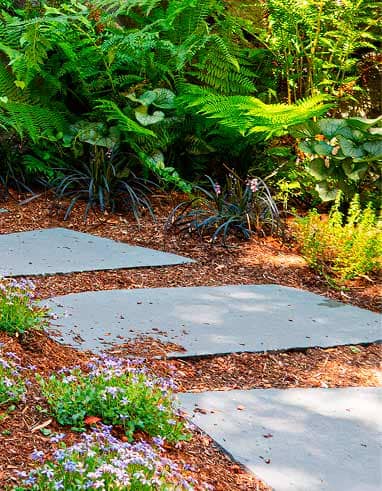
Mulch and groundcovers
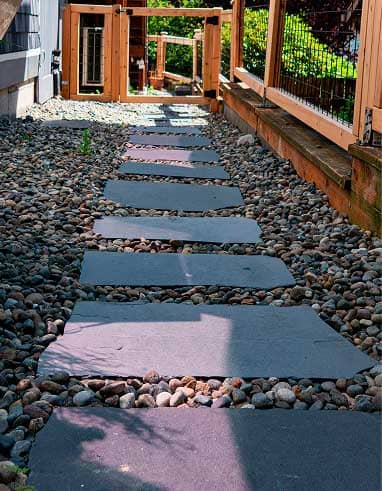
Decorative gravel
Pathway Edging
Where Design Meets Durability
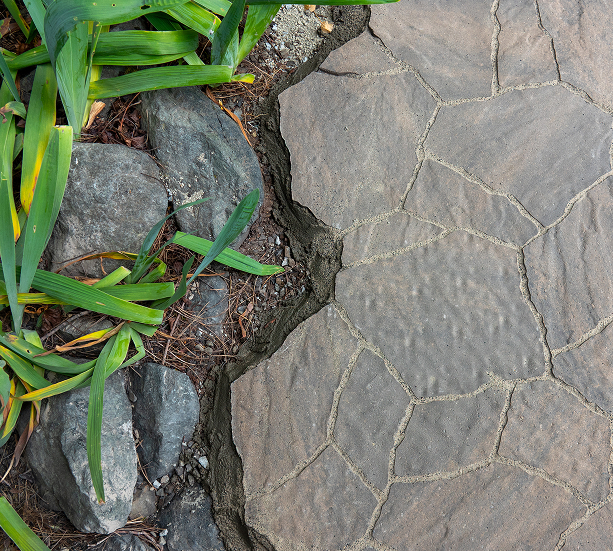
Pathway edging helps hold the entire pathway together. It supports the pavers, stones, or gravel beneath your feet and helps keep the edges stable as the landscape settles, seasons change, and the pathway receives years of everyday use.
Edging also shapes your pathway’s character. It could remain nearly invisible, allowing natural stone to blend naturally into the landscape, or become a decorative feature that adds texture and visual interest.
Experienced landscape contractors consider these details as part of the entire construction. As part of our landscaping services, we design and build pathways in Seattle that feel natural and perform reliably over time.
You can choose from a variety of pathway edging options, including:
- Natural stone edging for an organic, timeless look
- Concrete or paver edging for clean lines and durable support
- River rock edging for a relaxed transition into surrounding planting
- Gravel edging for informal and permeable pathway designs
- Wood edging for warmth and a softer, woodland-inspired character
- Corten steel edging for crisp definition and a contemporary finish
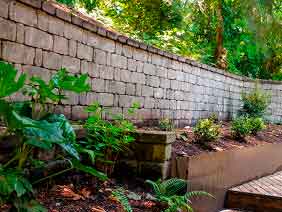
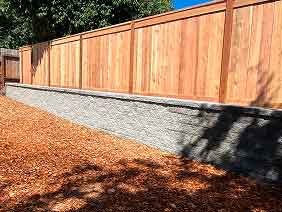
- Low footing or retaining walls for added structure and support on sloped properties
- Planting borders that soften pathway edges with groundcovers, grasses, or seasonal color.
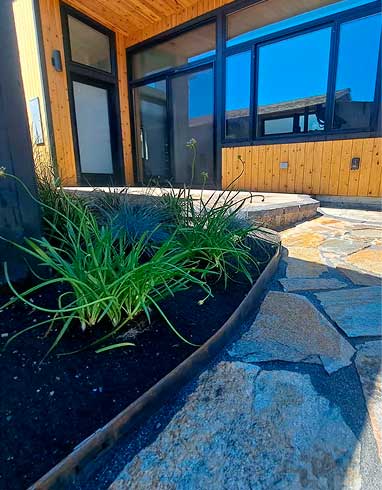
Corteen steel edging
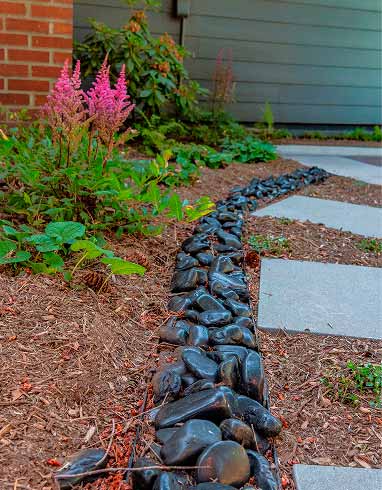
Corten steel with decorative pebbles
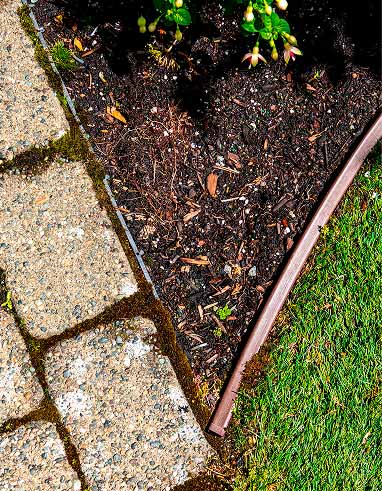
Hidden edging

Would you like to build a pathway?
Our professional team can help you design and install pathways in Seattle.
Pathway Styles and Materials
Follow Your Path
Every material creates a different experience underfoot and responds differently to Seattle’s climate. Some homeowners prefer the timeless character of natural stone, while others value the versatility of concrete pavers or the relaxed feel of gravel paths. Explore a selection of pathway projects we’ve designed and built throughout the Seattle area to discover what feels right for your home.
Shape the Journey First
Define Flow Before Appearance
- The pathway layout affects circulation, drainage, planting design, and how people experience your landscape.
- Curved pathways encourage slower walks and reveal the landscape gradually.
- Straight pathways create direct, efficient connections.
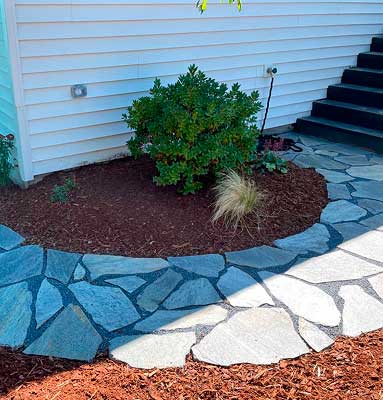
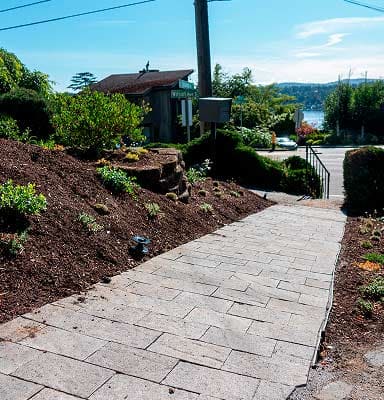
Natural Stone Pathways
Timeless, Organic, Distinctive
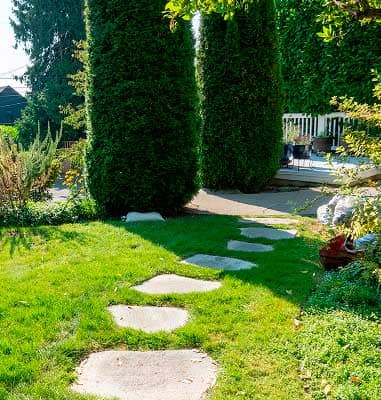
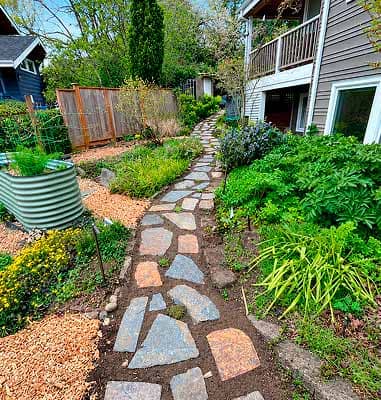
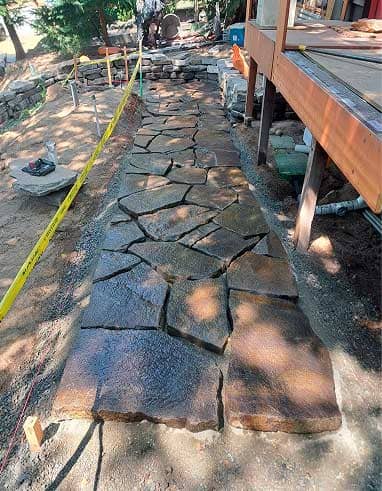
- Built from flagstone, granite, basalt, or limestone, natural stone pathways are best for garden pathways, naturalistic landscapes, and traditional homes.
- Offer durability, low maintenance, and are individually replaceable.
- Rich textures, natural color variations, and unique patterns that create a distinct personality for every pathway.
Meet one of our natural stone suppliers in Seattle.
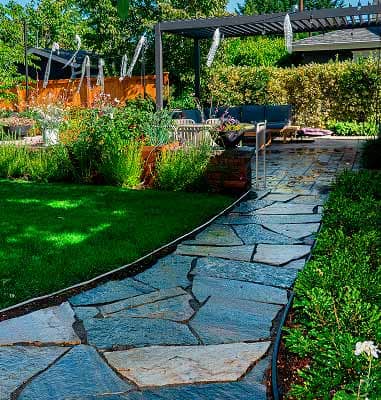
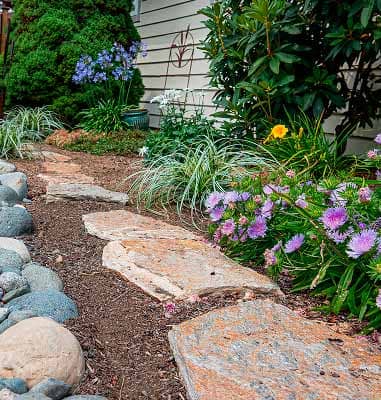
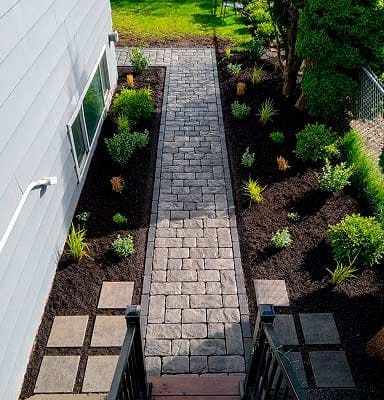
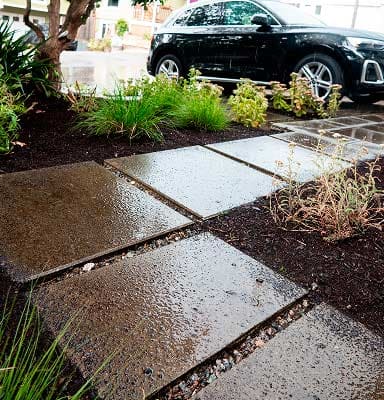
Concrete Paver Pathways
Clean, Versatile, Beautiful
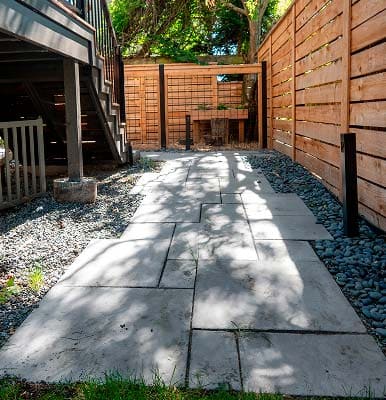
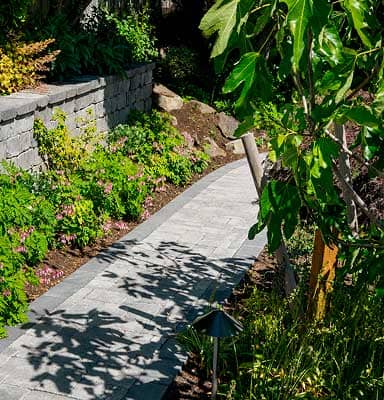
- Concrete paver pathways complement both contemporary and traditional Seattle homes.
- Offer durability, low maintenance, and well suited to Seattle’s climate.
- Available in a wide variety of colors, sizes, textures, and patterns.
- They can be tailored to create everything from formal front entry walkways to relaxed garden paths.
Browse our supplier’s catalog for inspiration.
Gravel and Wood Chips
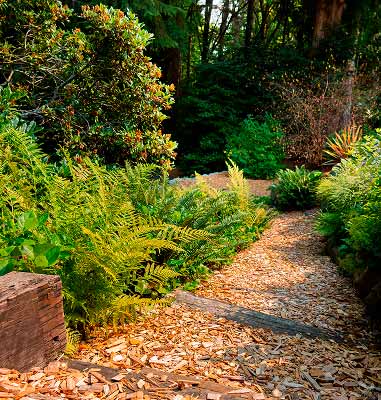
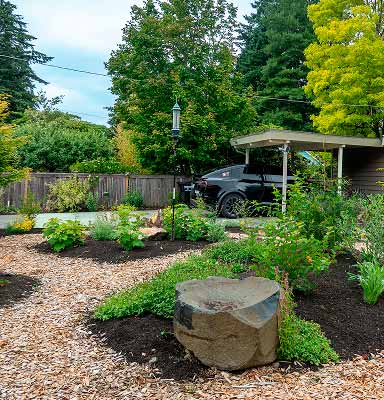
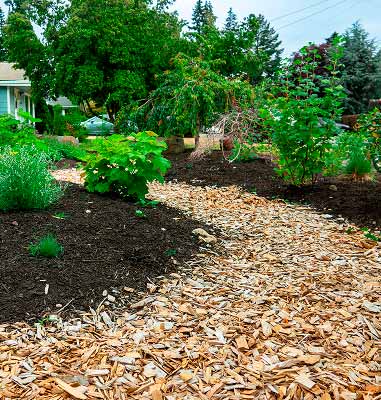
Relaxed, Informal, Natural
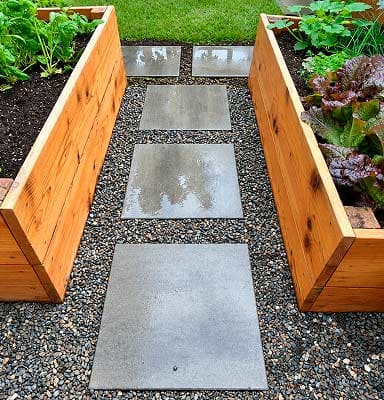
- Gravel pathways and wood chip pathways allow rainwater to soak into the soil, making them well suited to Seattle’s climate.
- They work better for relaxed walks, garden paths, woodland landscapes, low-traffic routes and planting beds.
- Cedar wood chips provide a softer walking and paw-friendly surface.
- Both materials are cost-effective and easy to refresh over time.
Built for Seattle
Designed for the Pacific Northwest
Seattle’s climate asks more of a pathway than appearance alone. Frequent rainfall, changing elevations, clay soils, and seasonal moisture influence how the pathway should be graded, supported, drained, and built.
That’s why we pay close attention to what’s happening beneath the surface. Proper grading, a well-compacted base, drainage, and thoughtful material selection help prevent settling, puddling, erosion, and uneven surfaces over time.
Whether you’re choosing concrete pavers, natural stone, gravel, or stepping stones, our goal is to build a landscape pathway that performs beautifully through Seattle’s wet winters and dry summers while remaining comfortable to use for years to come.
Extend the Experience After Sunset
Outdoor Pathway Lighting
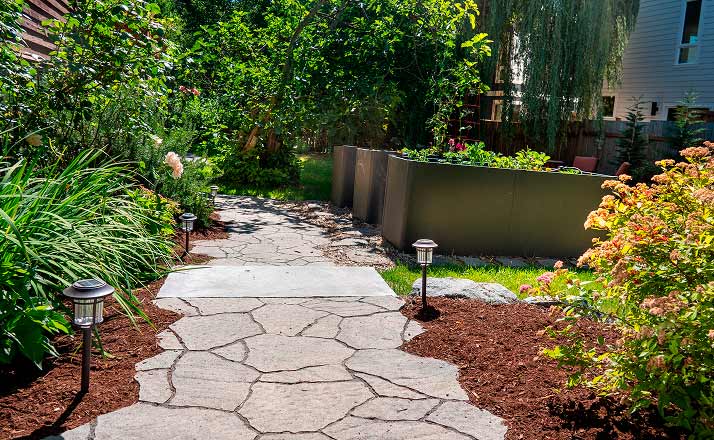
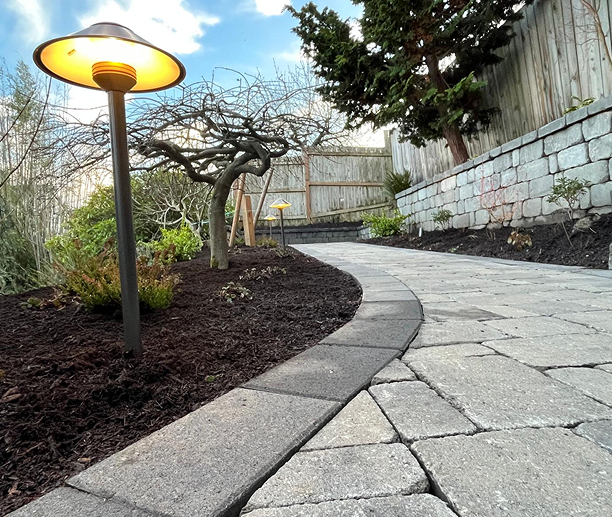
Low-voltage pathway lighting extends the enjoyment of your landscape long after sunset. Thoughtfully placed lighting improves safety, highlights planting, and creates a warm, welcoming atmosphere while making steps, curves, and entrances easier to navigate after dark.
Professional Pathway Installation
What to expect
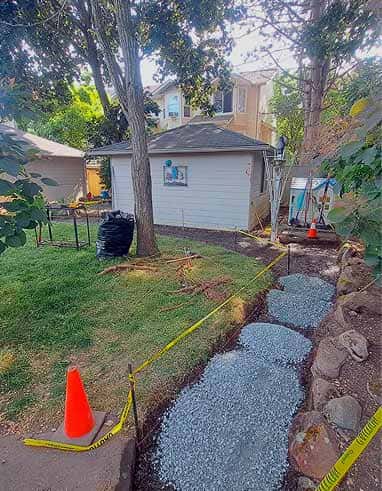
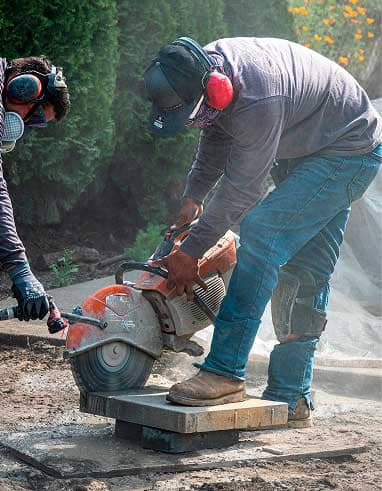
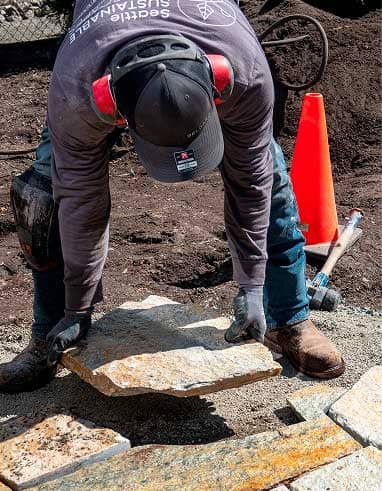
Behind every beautiful Seattle pathway we install, we put thoughtful planning, careful site preparation, and experienced craftsmanship. Our crews specialize in building landscape pathways and walkways, bringing more than 20 years of experience creating outdoor spaces that perform beautifully in our region.
Every project begins by understanding how you want to enjoy your outdoor space, then selecting the layout, materials, and construction techniques that best fit your property. Whether you’re envisioning a welcoming front entry walkway, a quiet garden path, or a fully accessible pathway, we’d love to help bring your vision to life.
9
WALP awards
200+
completed
construction projects
4.9 
Google reviews
Excellence
pursued every day
Ready to Create a Better Flow?
Tell Us About Your Pathway Project
Pathways Considerations
Frequently Asked Questions
-
What is the best material for a landscape pathway?
From our point of view, concrete pavers are the best material for landscape pathways due to their versatility and adaptability. Concrete pavers are an excellent choice for front walkways, everyday circulation, and accessible routes because they’re durable and low maintenance.
On the other hand, natural stone provides a timeless organic look that blends beautifully into plantings.
During your consultation, we’ll help you select the material that best matches your home’s style, budget, and how you use your landscape.
-
Should I choose a full walkway or stepping stones?
It depends on how you plan to use the space:
Full paver walkways are ideal for areas with frequent foot traffic, front entries, and accessible routes where comfort and stability matter most.
Stepping stone pathways create a more relaxed experience, encouraging slower walks through gardens while allowing planting and groundcovers to become part of the design.
Many Seattle landscapes combine both styles to create different experiences throughout the property.
-
Will my pathway hold up to Seattle’s rainy weather?
Yes. When properly installed, landscape pathways are designed to perform well throughout Seattle’s wet winters and dry summers. The long-term success of a pathway depends not only on the surface material but also on proper grading, drainage, and a stable compacted base beneath it. These construction details help prevent settling, puddling, and uneven surfaces over time.
-
Can pathways improve drainage?
A pathway isn’t a drainage system on its own, but it can become an important part of your property’s overall water management strategy.
Permeable materials, thoughtful grading, and proper installation help direct water where it belongs while protecting planting beds and reducing soil erosion.
When needed, pathways can also be integrated with drainage improvements such as French drains or rain gardens.
-
Can you build pathways as part of a larger landscape project?
Absolutely. Many homeowners include pathways as part of a complete landscape renovation that also features patios, retaining walls, planting projects, outdoor lighting, or drainage improvements. Designing these elements together creates a more cohesive landscape and often produces better long-term results than building them separately.
-
How much does a new pathway cost?
Every pathway is unique. The final investment depends on the material you choose, the size of the project, site access, grading requirements, and whether the pathway is part of a larger landscape renovation. After visiting your property, we’ll prepare a custom proposal based on your goals and the conditions of your site.
How would you help me plan a pathway for my home?
Designing the right pathway usually begins by understanding how you want to move through your outdoor space. During the planning process, we’ll help you:1. Define its purpose
Is it a welcoming front entry, an accessible everyday walkway, or a quiet garden path? We evaluate how you move through the space, the existing grade, drainage, access, and surrounding planting.2. Choose the right pathway
The width, shape, and route should feel natural while connecting the areas you use most. We develop a layout that supports comfortable movement and feels naturally connected to your home and landscape.3. Select materials that fit your home
Whether it’s natural stone, concrete pavers, gravel, or stepping stones, we’ll recommend options that complement your landscape and suit Seattle’s climate.4. Build a Stable Foundation
Proper excavation, base preparation, grading, slip-resistant materials, and edge support help create a pathway that performs beautifully through Seattle’s rainy seasons.5. Finish the Details
Landscape lighting, edging, joint treatments, and surrounding planting transform a simple walkway into one of your landscape’s defining features.
Our goal is to create a pathway that looks beautiful and makes everyday life easier.-
Can I install my own stepping stone or gravel pathway?
Many Seattle homeowners successfully tackle smaller DIY pathway projects, especially simple stepping stone or gravel paths. Success depends on proper site prep, a well-compacted base, and materials suited to our region’s wet winters. For a full walkway, accessible route, or any project involving grading, drainage, or structural support, we recommend professional installation to ensure long-term stability. If you’re planning a DIY project, check out our DIY resources page for tips on getting started.