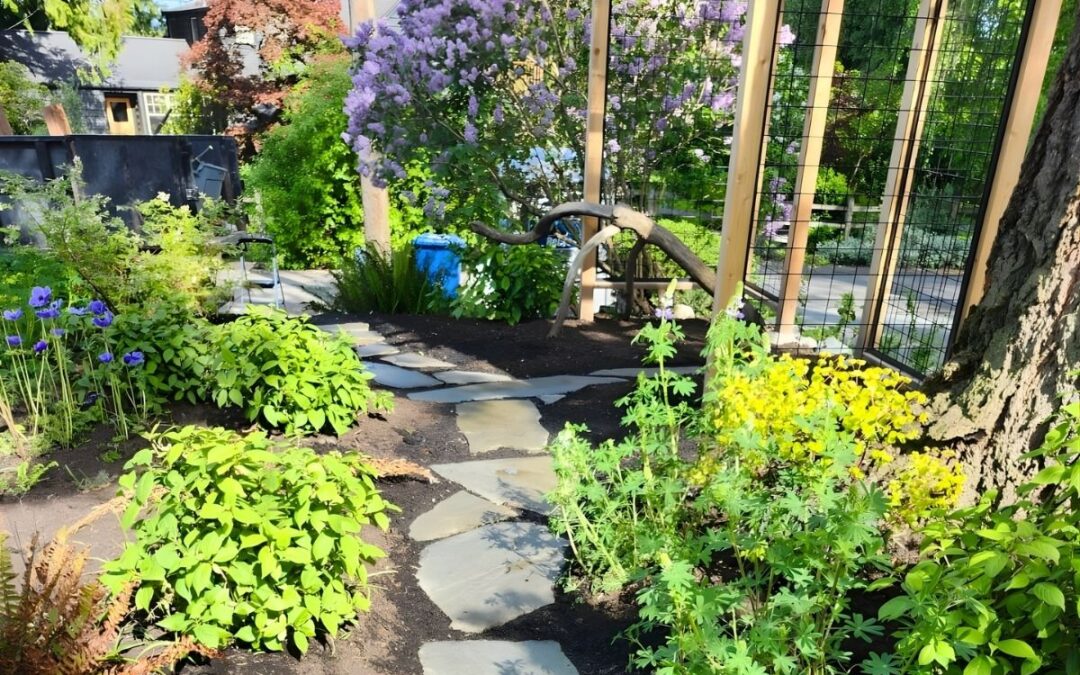
How to Create a Low-Maintenance Landscape in the Pacific Northwest
If you're a Seattle-area homeowner dreaming of a beautiful outdoor space—but not so keen on spending every weekend maintaining it—you’re not alone. At Seattle Sustainable Landscapes (SSL), we specialize in designing low-maintenance landscapes that are both practical and stunning, especially for our unique Pacific Northwest climate.
The key? Smart design, regionally appropriate plant choices, and thoughtful materials that reduce upkeep without compromising style.
What Makes a Landscape Low Maintenance?
Low-maintenance doesn’t mean “no maintenance,” but it does mean less time mowing, weeding, pruning, or watering. A well-designed low-maintenance landscape should:
- Require minimal irrigation
- Be resilient to pests and disease
- Need infrequent trimming or mowing
- Be seasonally attractive without constant care
Let’s walk through some of the best strategies for creating a beautiful, easy-care outdoor space in the Seattle area.
1. Choose the Right Plants for the Pacific Northwest
The Pacific Northwest supports a wide range of resilient plant species that thrive with minimal attention. Our go-to low-maintenance plant categories include:
- Native plants: Adapted to our climate and often require no supplemental watering once established. Examples: salal, vine maple, sword fern, Oregon grape.
- Evergreens: Offer year-round structure and color with little upkeep. Examples: dwarf conifers, huckleberry, pacific wax mertyle.
- Ornamental grasses: Add texture and movement, and only require an annual cutback. Examples: tufted hair grass, blue fescue.
Avoid high-maintenance species that need frequent deadheading, staking, or pest control. And if you want to learn how to create a landscape that thrives in the Seattle's rain, here is this article for you.
2. Reduce Lawn Areas to Minimize Upkeep
Traditional lawns are one of the most labor- and water-intensive landscape elements. We often recommend reducing or eliminating turf and replacing it with:
- Groundcovers (like kinnikinnick or creeping thyme)
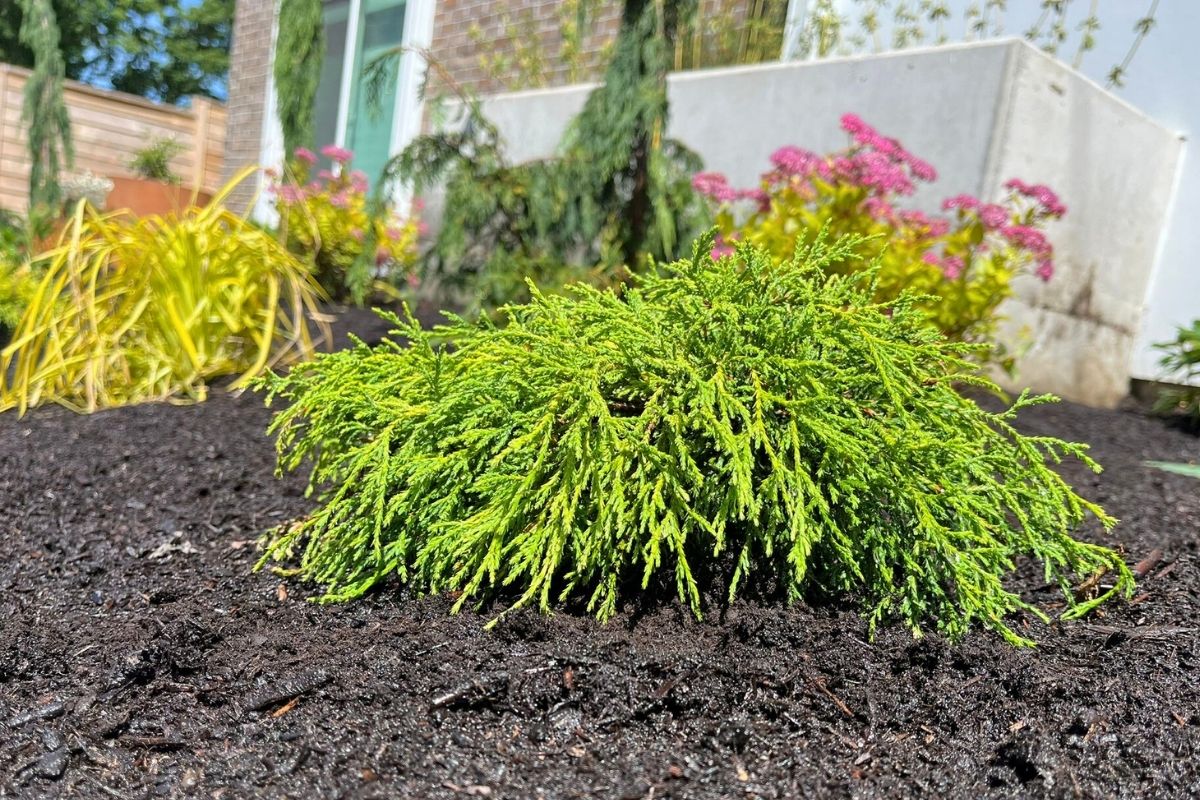
- Mulched garden beds
- Permeable patios or pathways
- Native meadow plantings
If a lawn is important to you, consider eco-turf blends or clover-based lawns that require less mowing and watering.
3. Use Mulch to Suppress Weeds and Retain Moisture
Mulch is a low-maintenance landscape’s best friend. Benefits include:
- Suppressing weeds
- Conserving soil moisture
- Regulating soil temperature
- Improving soil over time as it breaks down
We typically use wood chips or bark mulch in planting beds and natural areas.
4. Incorporate Low-Maintenance Hardscaping
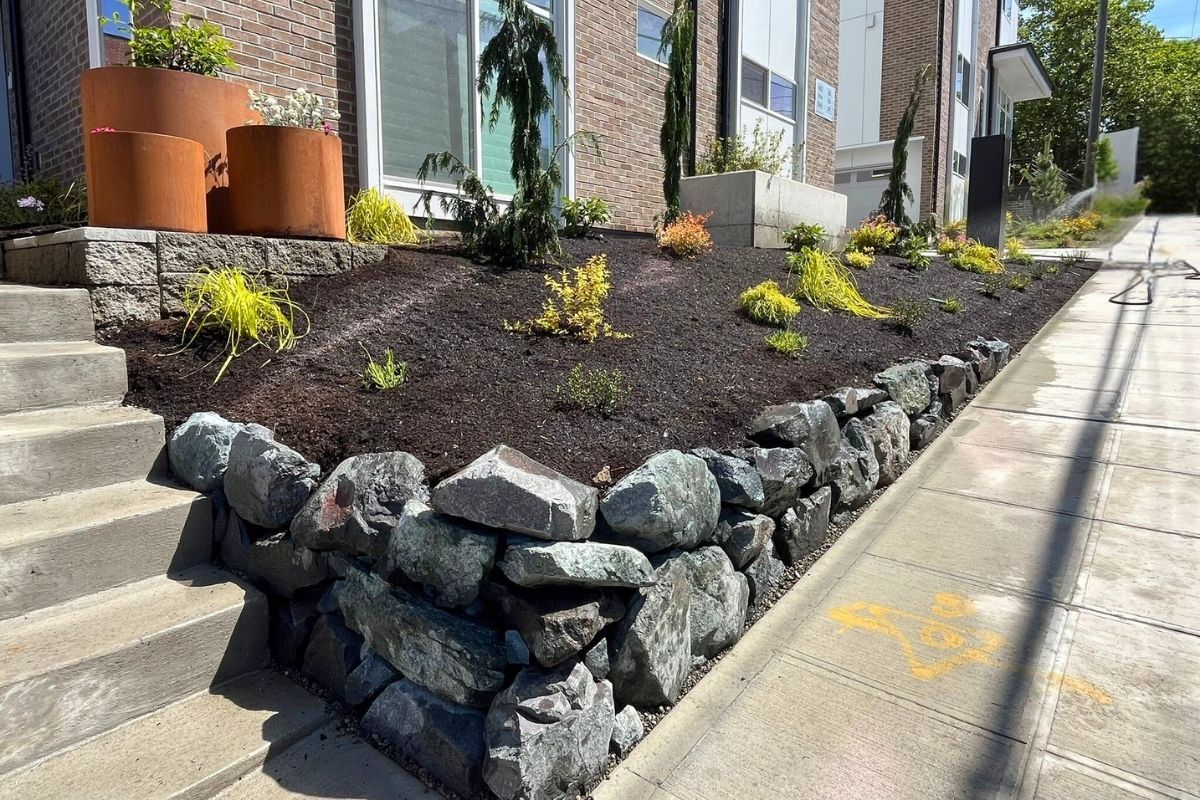
Hardscaping adds structure and usability—and reduces the areas that need regular care. At SSL, we design with low-maintenance materials like:
- Natural stone or permeable pavers
- Gravel seating areas
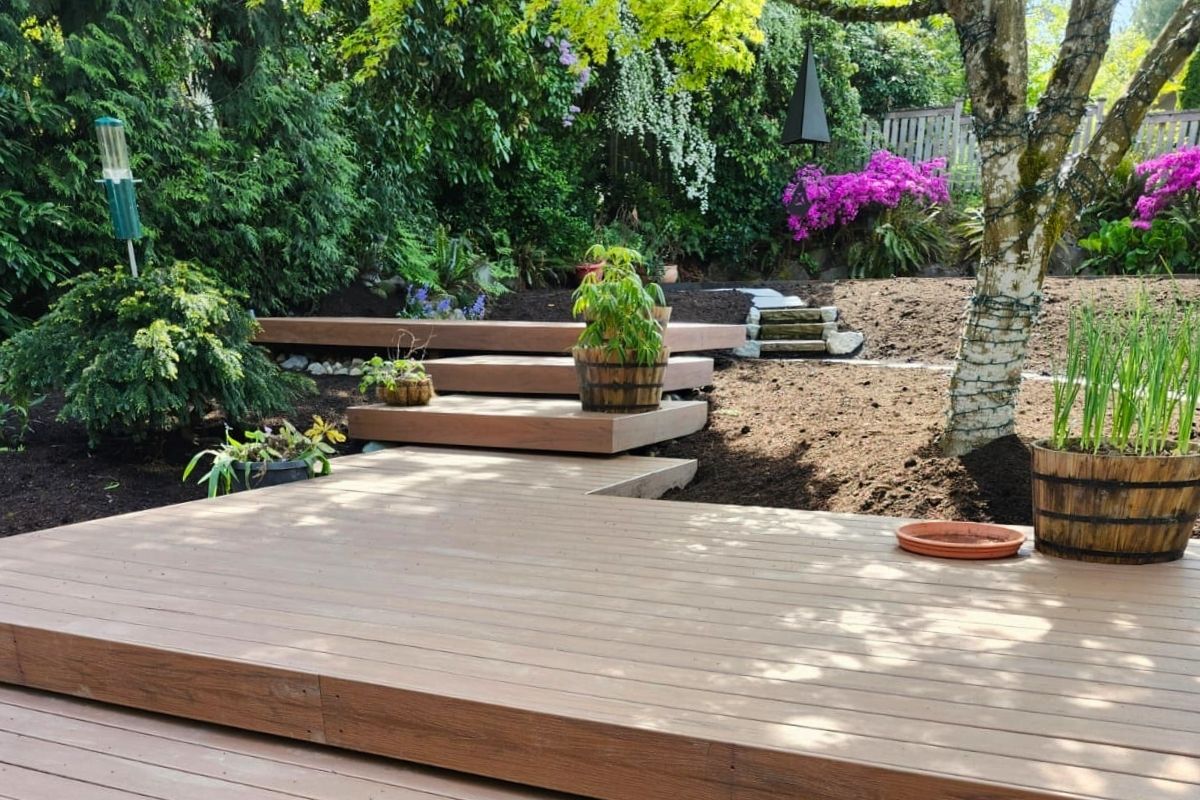
- Composite decking
- Weathered steel or cedar planters
- Avoid gravel under trees
We ensure that these elements are both functional and visually integrated into the landscape.
5. Plan for Long-Term Ease and Sustainability
Low-maintenance landscapes are also about smart layout. We:
- Space plants for mature size to reduce pruning
- Design for proper drainage to avoid future erosion issues
- Avoid fussy edging or hard-to-access planting pockets
Every decision is made with long-term ease in mind.
Why Choose SSL for Low-Maintenance Design?
At SSL, we don’t believe low-maintenance means low-impact. We design spaces that are ecologically vibrant, visually appealing, and easy to live with. Whether your lot is sloped, shaded, or compact, we can tailor a design that minimizes upkeep while maximizing joy.
We’ve helped Seattle homeowners build everything from serene woodland gardens to sleek modern patios—all with sustainability and simplicity at the core.
Final Thoughts
If you want to spend more time enjoying your yard and less time working in it, a low-maintenance landscape is the way to go. Let Seattle Sustainable Landscapes help you create a space that feels good, looks great, and practically takes care of itself.