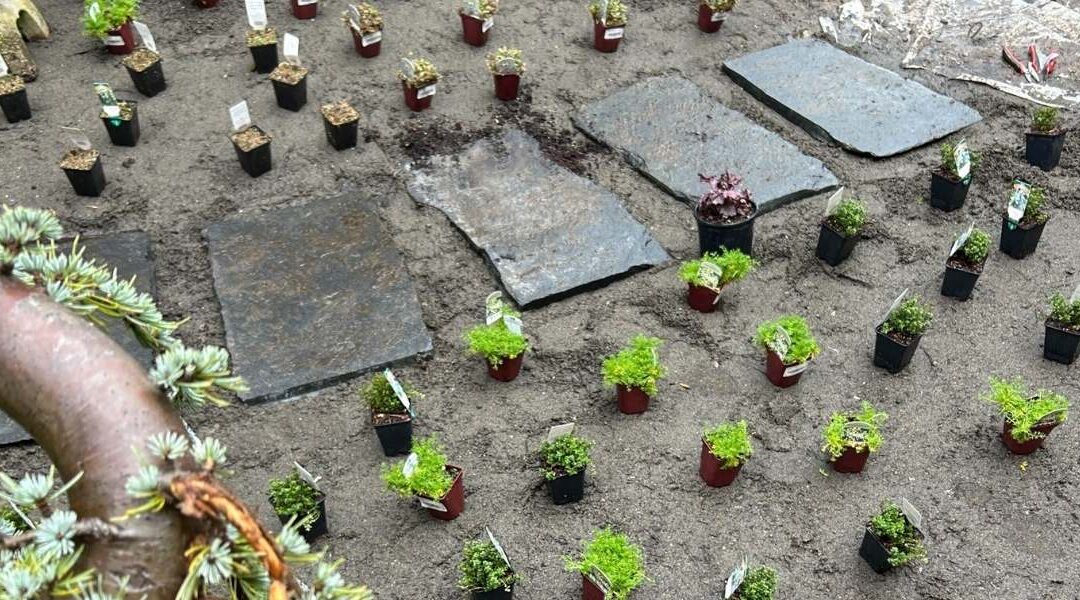
Why Groundcovers Matter in Seattle Landscapes
Low-maintenance groundcovers in Seattle do some of the most important garden work without demanding too much attention. Suited groundcovers hold soil on slopes, retain moisture through dry summers, and suppress weeds without herbicides.
At Seattle Sustainable Landscapes, we made a list of low-maintenance groundcovers suited to the Pacific Northwest climate. We prioritized those that support pollinators, improve soil health, and fit naturally into the ecological rhythms of the Puget Sound region.
As landscapers, we return to the plants below again and again, across a wide range of Seattle gardens and conditions. While some thrive in full sun, others belong in the shade. All of them ask for very little once they're established.
Ground Covers for Sun and Open Spaces
Kinnikinnick
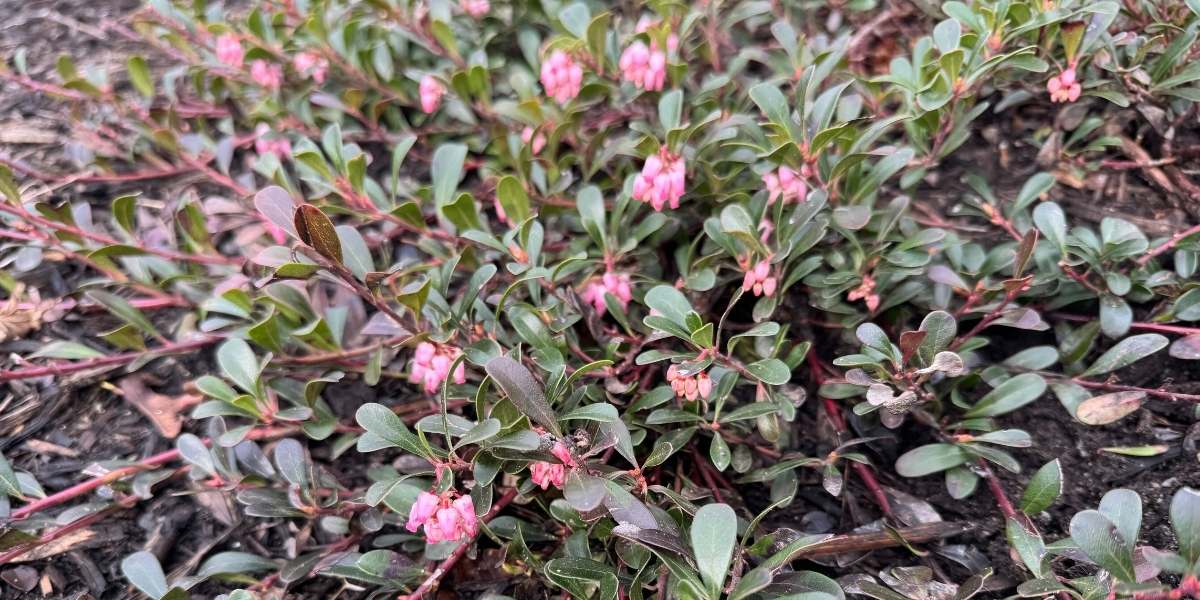
Kinnikinnick (Arctostaphylos uva-ursi) is one of the most dependable native groundcover plants we work with in Seattle. As a trailing evergreen, it produces small pink flowers in spring and bright red berries in fall; both of which support pollinators and birds through different parts of the year.
On sun-exposed slopes, where erosion is a concern, it spreads steadily and holds the soil without requiring irrigation once it's found its footing. Over time, it develops the kind of settled, unhurried quality that makes a planting feel like it belongs to the land.
Coastal Strawberry
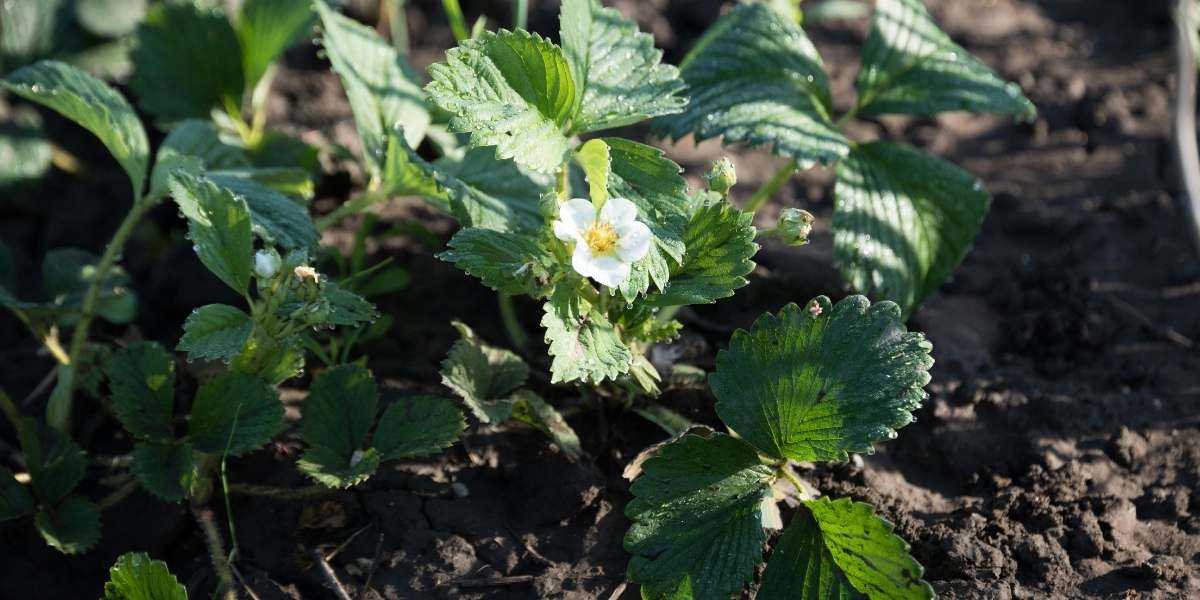
Coastal strawberry (Fragaria chiloensis), a native species, produces white spring flowers and small edible fruits. It spreads into a dense, ground-hugging mat and tolerates a generous range of conditions. From full sun to part shade, strawberry supports bees, birds, and curious children with equal generosity.
As a flowering groundcover that also produces food, it offers something few plants can: ecological value and kitchen value in the same bed.
Creeping thyme
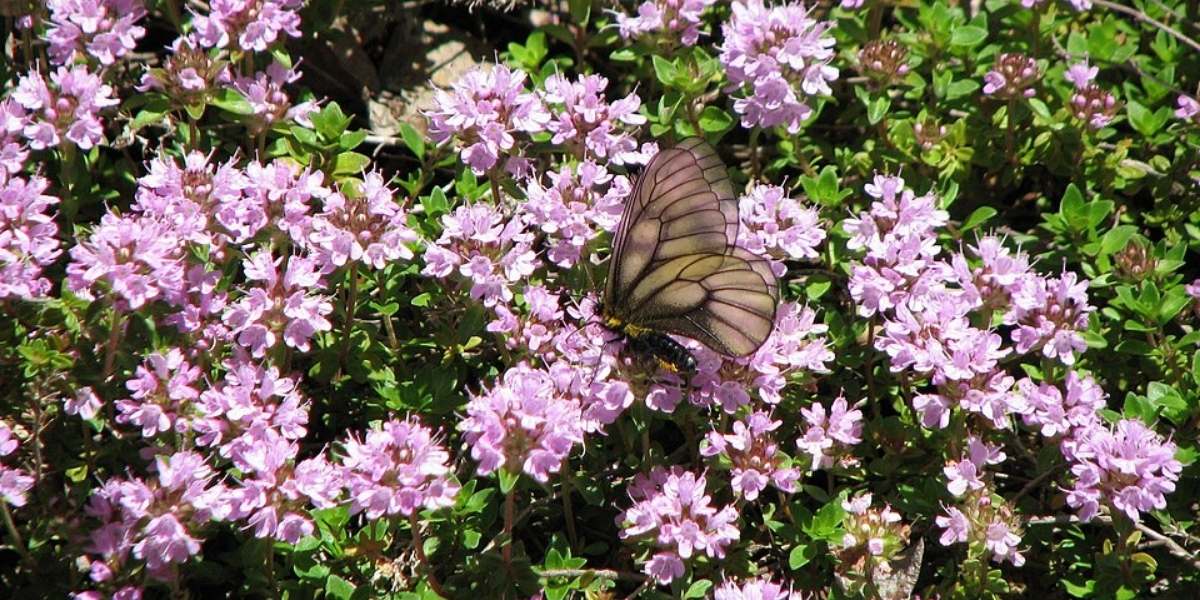
In sunny areas, Creeping thyme (Thymus serpyllum) brings a different kind of energy. It is fragrant, flowering, and genuinely walkable. In addition, it forms a dense, low mat that comfortably handles light foot traffic. As a result, it's our favorite groundcover for filling gaps between stepping stones and softening the edges of garden paths.
Throughout the summer, it blooms in purples and pinks, drawing bees steadily, and releases its fragrance whenever someone passes by. Because of this, creeping thyme works great in gardens where lawn feels like too much maintenance and bare soil feels like too little.
Sedum
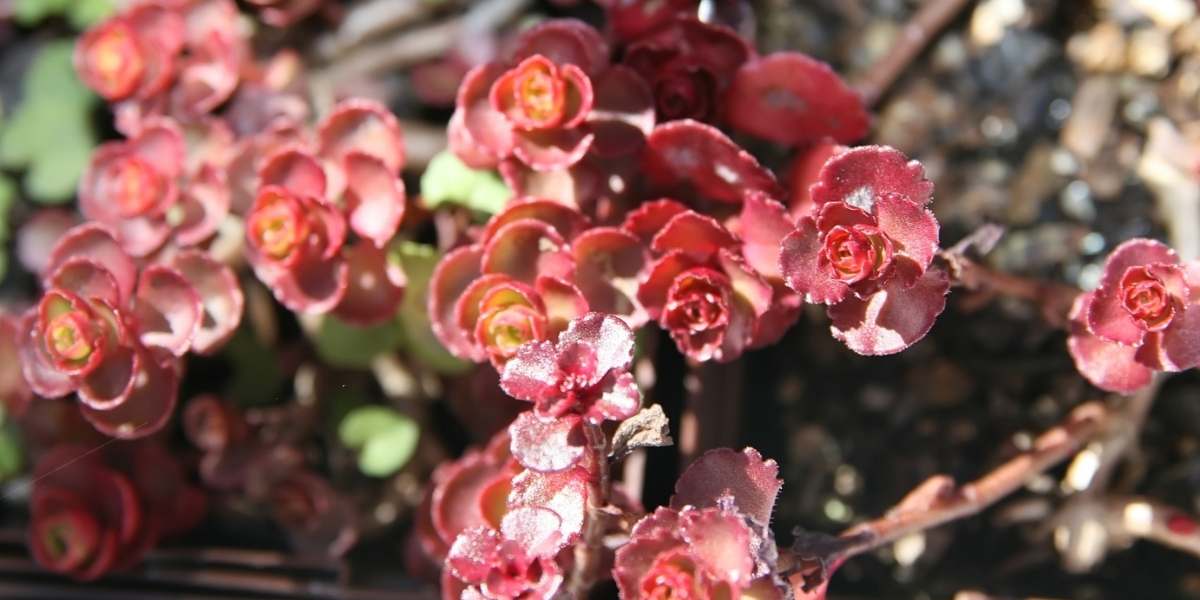
Sedum rounds out the sun palette with texture and resilience. Varieties like Sedum spurium and Sedum album are among the most drought-tolerant groundcover plants we use. At the same time, they are nearly indestructible in hot, dry sites where other plants struggle.
In addition, their succulent foliage holds color through the seasons. Also, their late-summer blooms attract butterflies at a time when much of the garden has quieted. For south-facing slopes, gravel gardens, and parking strips, they perform consistently year after year.
Ground Covers for Shade and Woodland Gardens
In shaded areas under tree canopies or along the north side of structures, the palette shifts — and Seattle gardens offer a generous range of options that thrive in low light.
Wild Ginger
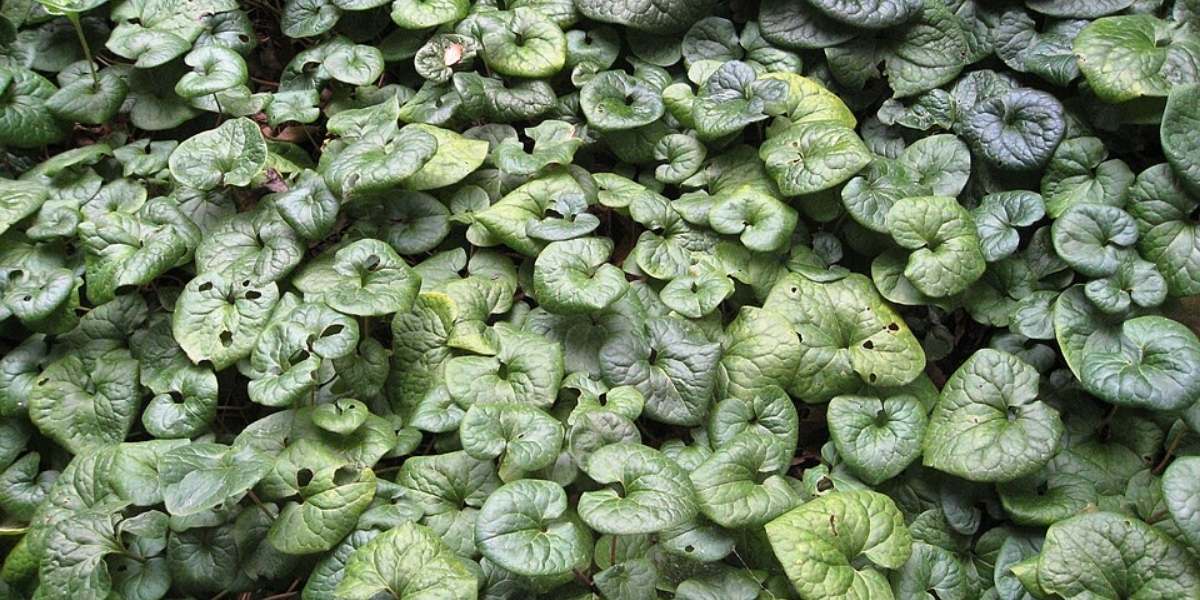
Wild ginger (Asarum caudatum) is a slow, deliberate spreader with glossy, heart-shaped leaves. At the same time, it shows tiny maroon flowers hidden beneath the foliage in spring. Overall, it belongs in woodland gardens where the goal is a lush, layered ground level that feels native to the PNW.
We often pair it with ferns and native shrubs to build out an understory that requires almost no intervention once established. It moves at its own pace, which in this context is exactly right.
Foamflower
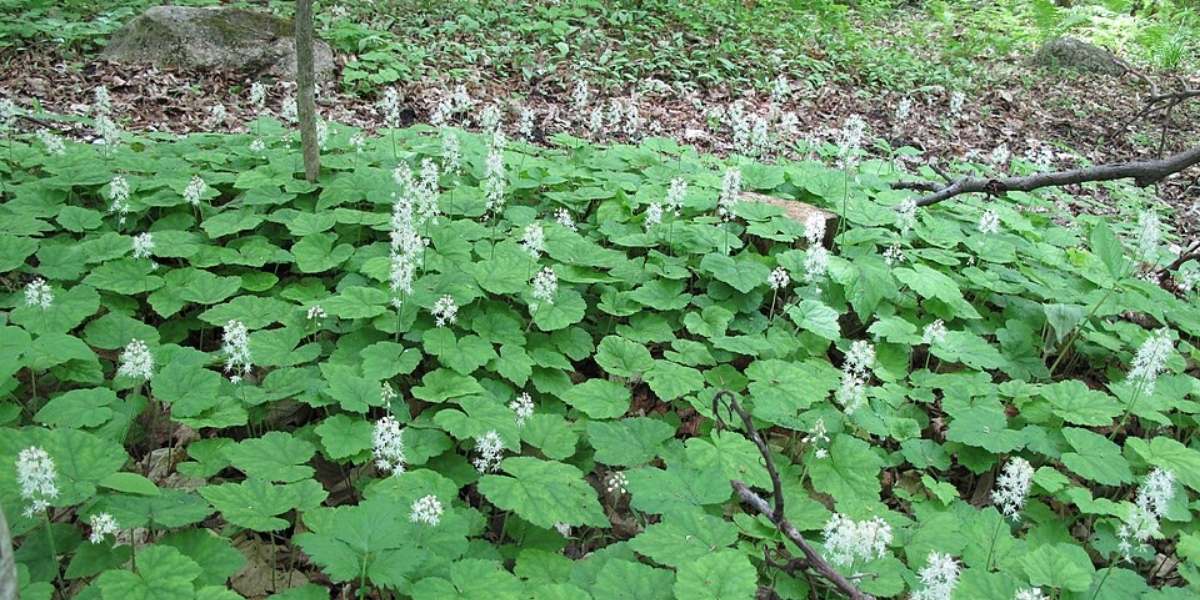
Foamflower (Tiarella cordifolia) is another shade-loving native perennial that earns its place in Seattle gardens. Its frothy spring flowers rise above attractive, lobed foliage. In many cases, it spreads gently by runners to fill in woodland beds without overwhelming neighboring plants.
It works particularly well alongside ferns, hostas, and wild ginger in layered shade plantings; a combination that offers seasonal interest from early spring through late fall.
Vinca, with caution
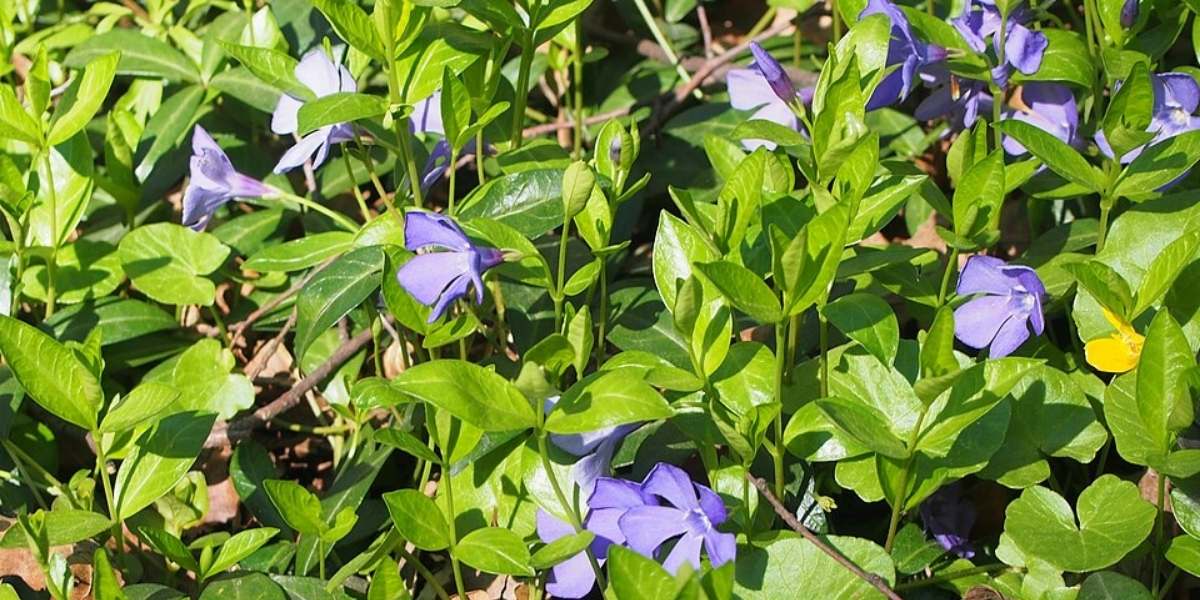
Vinca (Vinca minor and Vinca major) appears in many Seattle gardens, and it performs well in difficult shaded spots where other plants fail. Its glossy evergreen foliage and violet-blue flowers are genuinely attractive.
We include it here because it's worth understanding: Vinca spreads aggressively and has become established as an invasive ground cover in many Seattle-area greenbelts and parks, outcompeting native understory plants over time.
When shade groundcovers are needed, we typically reach for wild ginger or foamflower, plants that fill the same role without the ecological risk.
--> Explore Our Native Planting Services
Building a Garden That Works for Itself
The most satisfying thing about a well-chosen groundcover is what happens after the first season. The plants fill in, the soil stays covered, the weeds lose ground, and the garden begins to feel more complete, without asking much in return.
In Seattle, where the climate is generous to plants that match it, the right groundcover layer is one of the most reliable investments a garden can make.
Whether you're covering a shaded woodland path, stabilizing a sunny slope, or simply looking for something to replace a patch of lawn, there's a groundcover plant suited to your conditions. We're glad to help you find it!