At Seattle Sustainable Landscapes, we think carefully about what we leave out of a design. While some plants are widely available at nurseries, others spread in ways that quietly damage Seattle's urban forests, greenbelts, and native plant communities.
Because of this, we'd like you to know which invasive groundcovers and plants to avoid when designing a Seattle garden. Also, what to plant instead.
The Plants We Consistently Leave Out
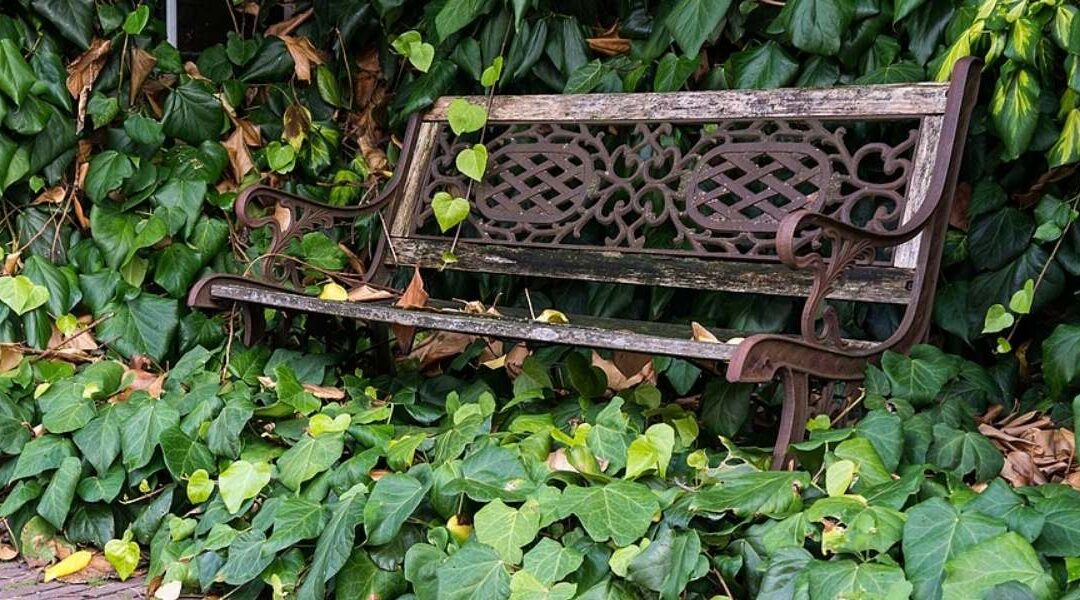
English ivy is one of the most common invasive groundcover plants in Seattle.
For instance, it climbs trees, smothers the understory, and forms dense monocultures that offer almost nothing to wildlife. Over time, it weakens the trees it covers and eliminates the native plants beneath it. Removing it once established takes real effort.
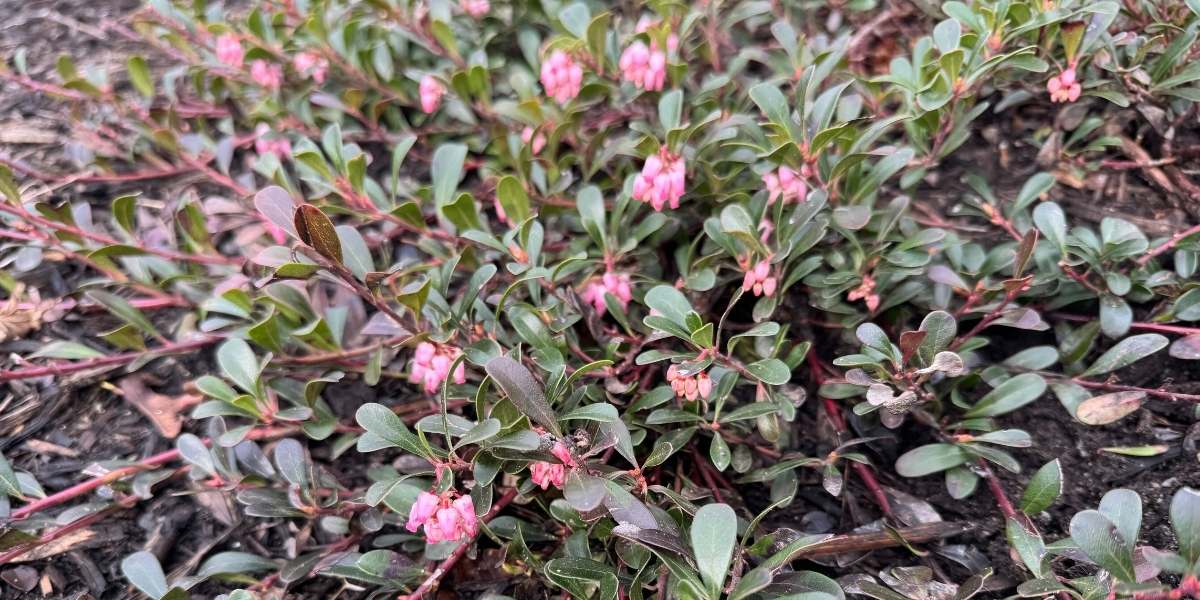
In our designs, we reach for kinnikinnick (Arctostaphylos uva-ursi) or fringe cup (Tellima grandiflora) instead. These are low-growing natives that cover ground without taking over.
Himalayan Blackberry is another persistent challenge.
It spreads by both root and seed. In sunny open areas, it forms impenetrable thickets that crowd out native vegetation and are genuinely difficult to eradicate.
On the other hand, native trailing blackberry (Rubus ursinus) and salmonberry (Rubus spectabilis) offer a better path. These are productive, wildlife-friendly, and far more manageable over the seasons.
Scotch Broom dominates many disturbed sites across the PNW.
Introduced originally for erosion control, it now reduces biodiversity wherever it takes hold. Its seeds remain viable in the soil for decades.
For open, sunny areas, Oregon sunshine (Eriophyllum lanatum) and red-flowering currant (Ribes sanguineum) are two of our favorite alternatives. Both offer long-blooming flowers, are beloved by pollinators, and are genuinely at home in Seattle's climate.
Plants That Surprise People
Butterfly Bush is a good example of a well-intentioned plant that creates real problems.
Although it's often marketed as a pollinator plant, it doesn't support caterpillars or native bees. In addition, it self-seeds aggressively across the region. In Washington, it's listed as a noxious weed.
Instead, Douglas Aster (Symphyotrichum subspicatum) and Showy Milkweed (Asclepias speciosa) offer genuine pollinator value. These support the full lifecycle, not just the adults passing through.
Yellow Archangel is one we see often in shade gardens.
It spreads fast. For this reason, in parks and greenbelts near Seattle, it has become a dominant invasive groundcover. Also, they are pushing out native plants that support birds and insects.
On the contrary, Pacific Bleeding Heart (Dicentra formosa) and Wild Ginger (Asarum caudatum) fill the same shaded role with none of the risk.
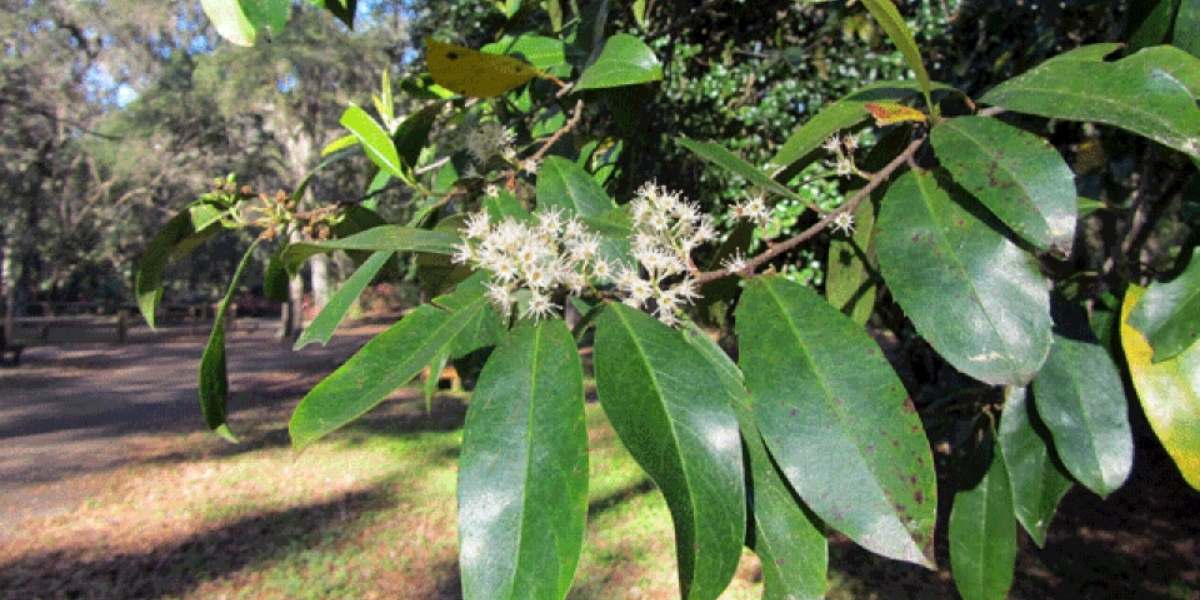
Cherry Laurel is worth mentioning here as well.
It performs reliably as a fast-growing evergreen hedge. As a result, it's planted widely across Seattle neighborhoods. Over time, though, it shades out understory plants and offers minimal ecological value.
Native alternatives like Oceanspray (Holodiscus discolor) and Pacific Wax Myrtle (Morella californica) provide structure, privacy, and real habitat value — and they belong here in a way cherry laurel simply doesn't.
A Few More Worth Knowing
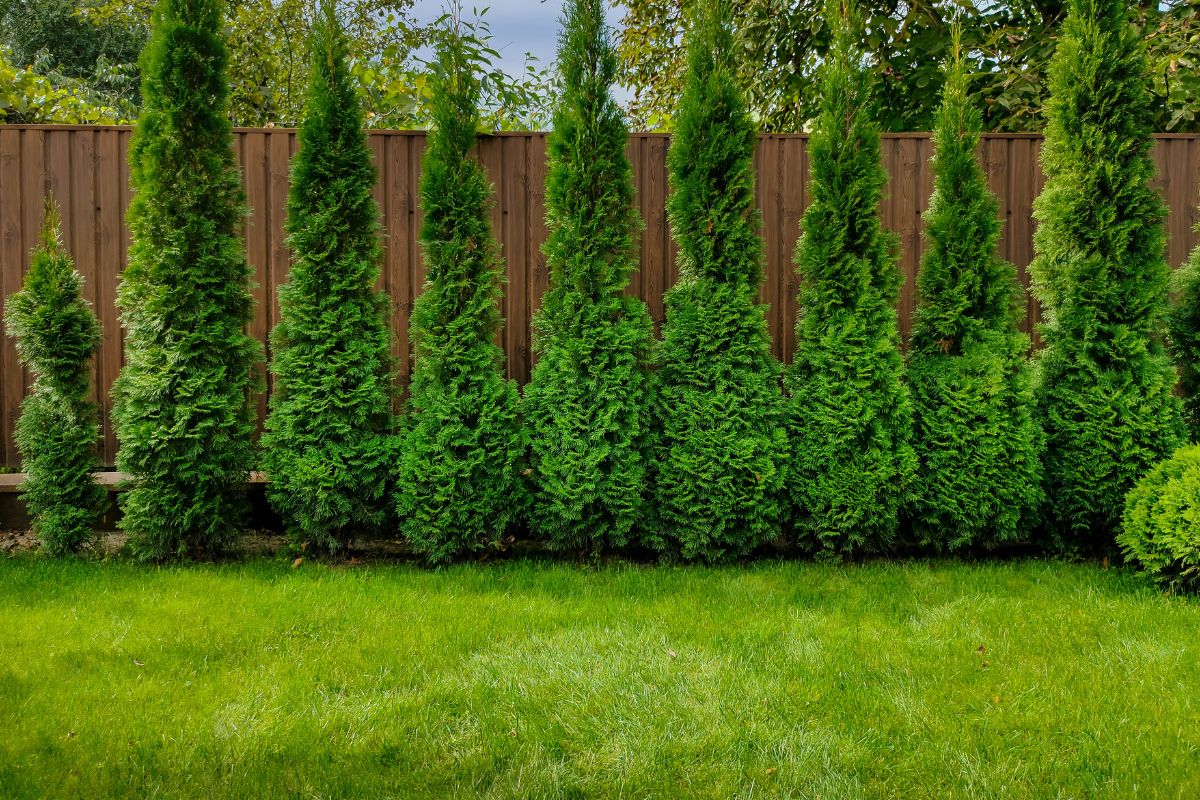
Arborvitae appears in nearly every Seattle neighborhood.
Yet this plant is not invasive, offers minimal benefits to wildlife, and struggles in drought as the climate shifts.
Meanwhile, a mixed hedgerow of native and climate-adapted evergreens performs better on every front.
Euphorbia is widely used for its sculptural form and drought tolerance.
However, many varieties self-seed into natural areas, and the sap is toxic to skin and harmful to pets.
On the other side, Yarrow (Achillea millefolium) and Sedum (Hylotelephium spp.) are two drought-tolerant perennial groundcovers used for the same design role without those risks.
Mint deserves a specific note.
In herb gardens, it's popular and useful. While growing mint in containers keeps it productive and manageable, in open soil, it spreads and is very difficult to contain once established.
For this reason, we recommend Thyme and Oregano as more well-behaved aromatic alternatives for garden beds.
How We Think About This
Before planting anything unfamiliar, we check the Washington State Noxious Weed List. It's a straightforward resource, and it saves a lot of trouble down the line.
We also pay attention to how plants are marketed. "Fast-growing" and "low-maintenance" are phrases that often signal aggressive behavior. In a garden context, fast spread can be a feature. In a Seattle greenbelt, it's a problem.
Choosing ecologically responsible plants is, at its core, an act of long-term thinking. The garden you plant this season will keep growing — and its edges will keep expanding — for years to come. In a region as ecologically rich as the Pacific Northwest, those choices add up across every yard, every street, and every neighborhood over time.