
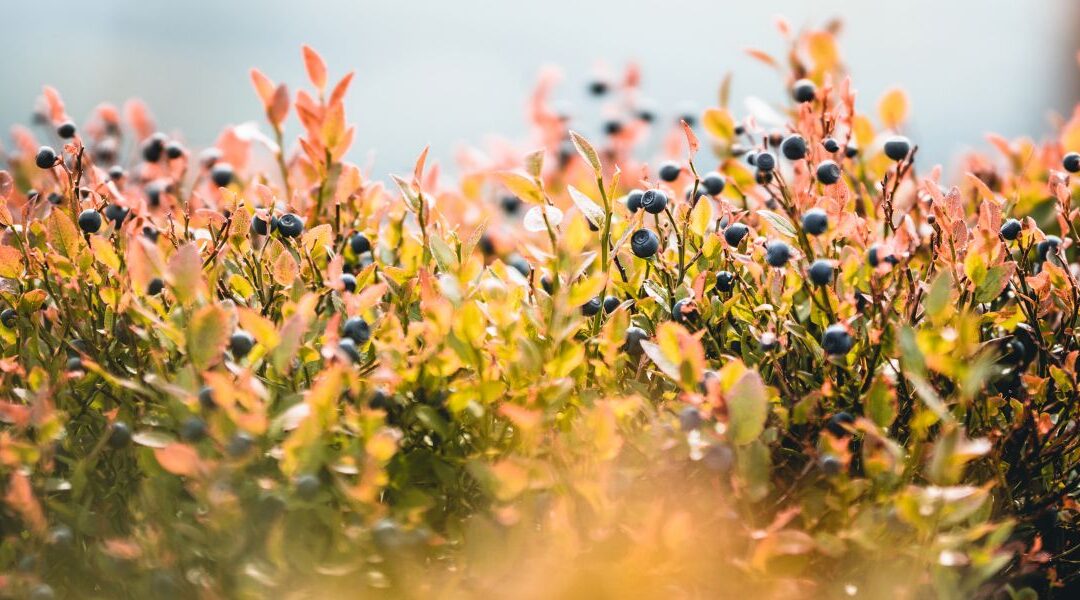
Shade is one of the defining conditions of a Seattle garden. Mature trees, narrow urban yards, and overcast skies create low-light spaces that many gardeners find challenging. In our experience, those spaces become some of the most beautiful parts of the property — when planted thoughtfully.
At Seattle Sustainable Landscapes, we see shade as an invitation. It shapes a planting palette that is lush, layered, and grounded in the woodland character of the Pacific Northwest. The plants below are ones we return to again and again, across a wide range of Seattle conditions.
Evergreens That Anchor the Shade
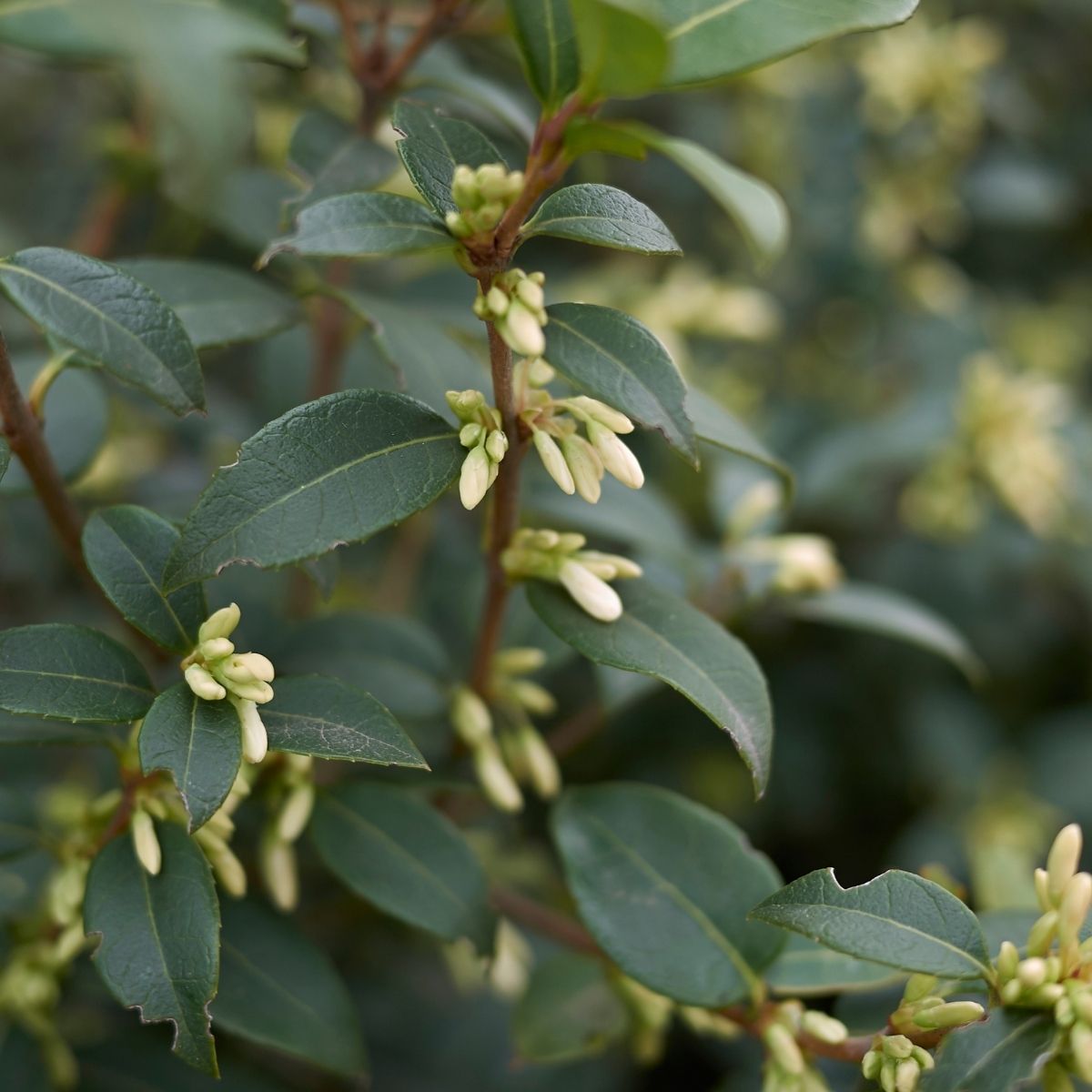
Sweet box (Sarcococca) is the shade plant we recommend most. It thrives in deep shade. Its glossy evergreen leaves stay tidy through every season. And in late winter, when most of the garden is quiet, it produces tiny white flowers with a fragrance that carries well beyond the plant itself. For shaded entries, foundation plantings, and spots beneath tall shrubs, it performs reliably and looks good doing it.
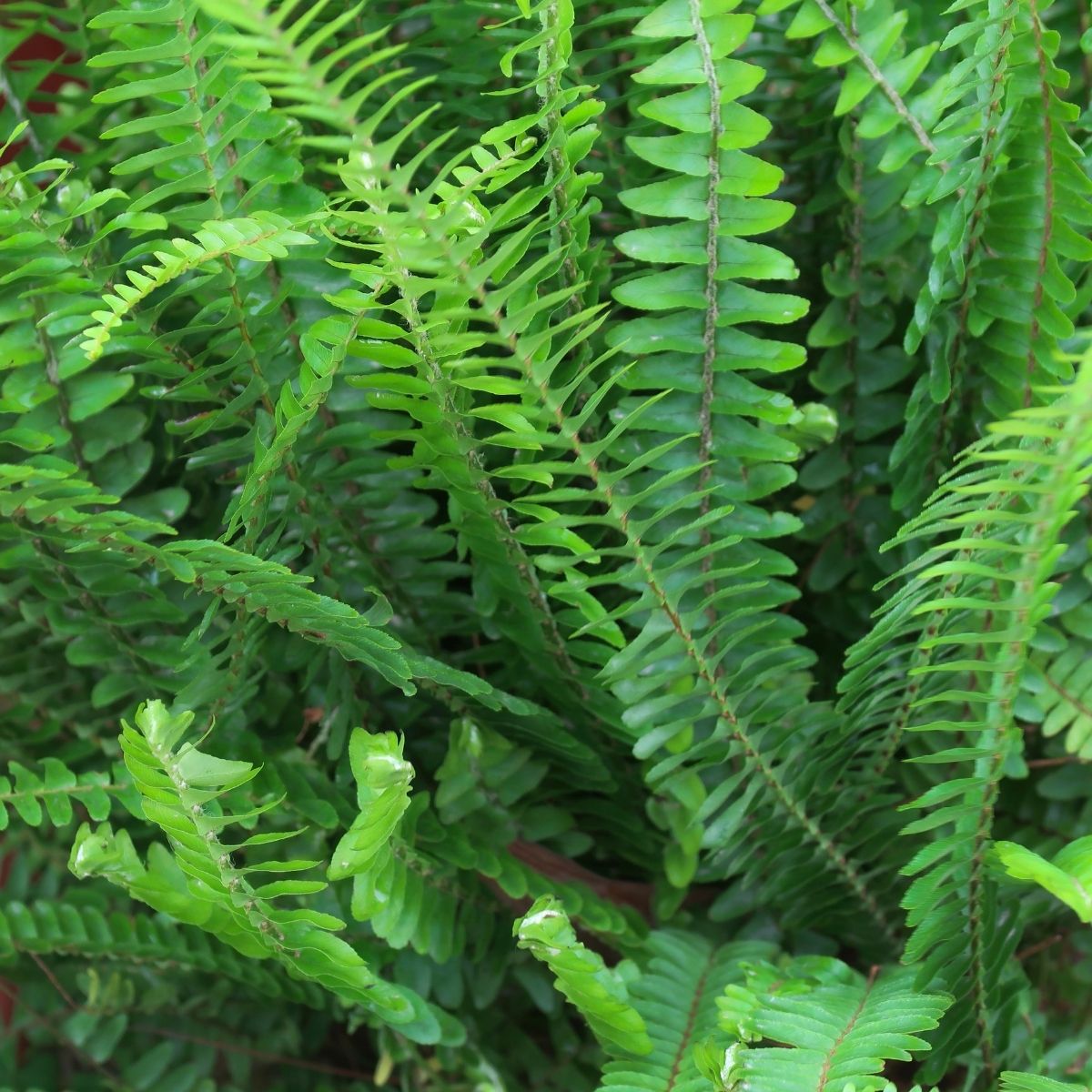
Sword fern (Polystichum munitum) is an iconic native of the Pacific Northwest. It handles both dry and moist shade with ease. Over time, its arching evergreen fronds build a layered, architectural texture that feels entirely at home in a Seattle garden. As a base layer in woodland or naturalistic designs, it rarely needs attention once established.
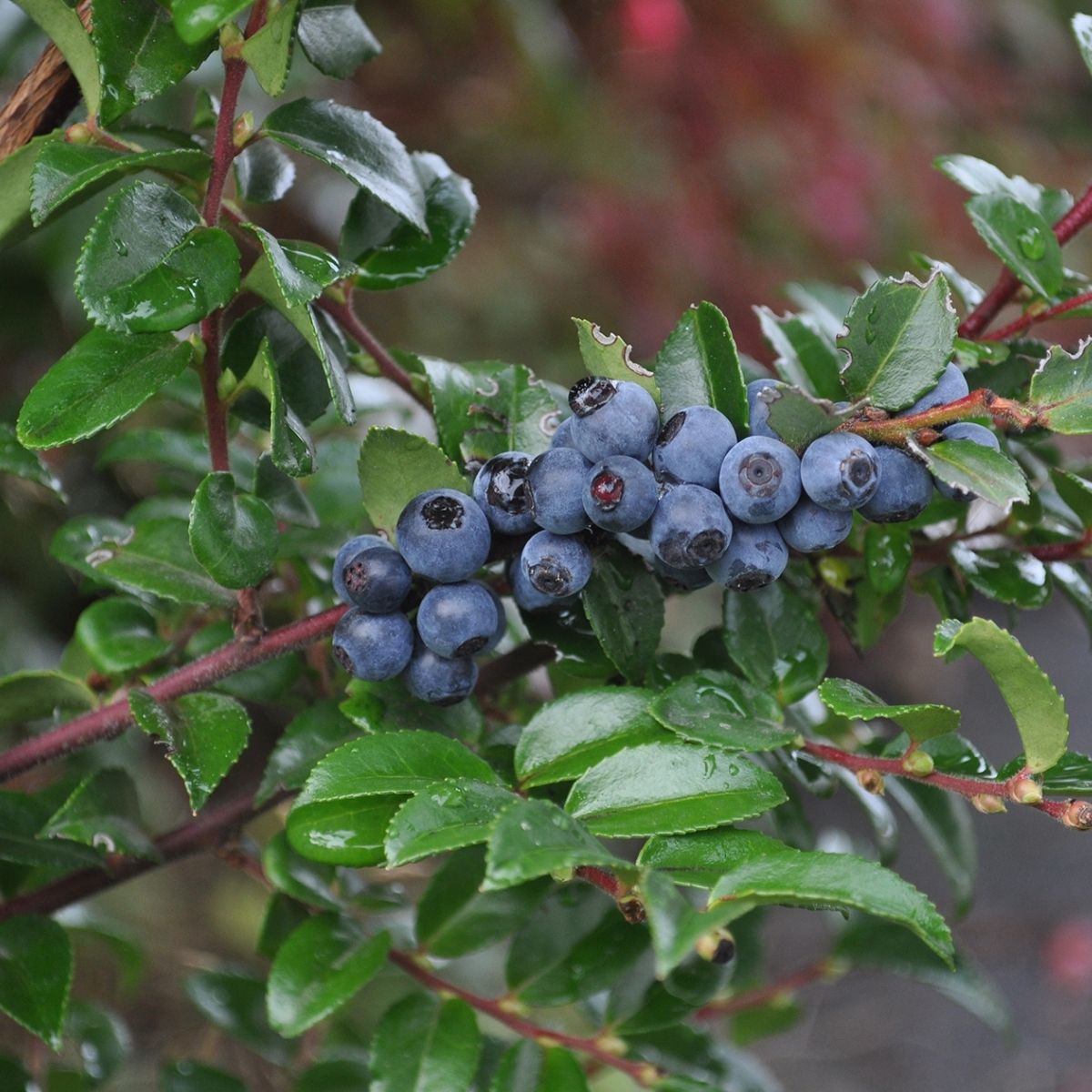
Evergreen huckleberry (Vaccinium ovatum) adds structure across the full range of shade conditions. In part shade and full shade alike, it produces glossy leaves, delicate spring flowers, and edible summer berries that birds return to reliably. In addition, it works equally well in formal and naturalistic designs — a flexibility that makes it one of the most useful native shrubs we plant.
Groundcovers for shade
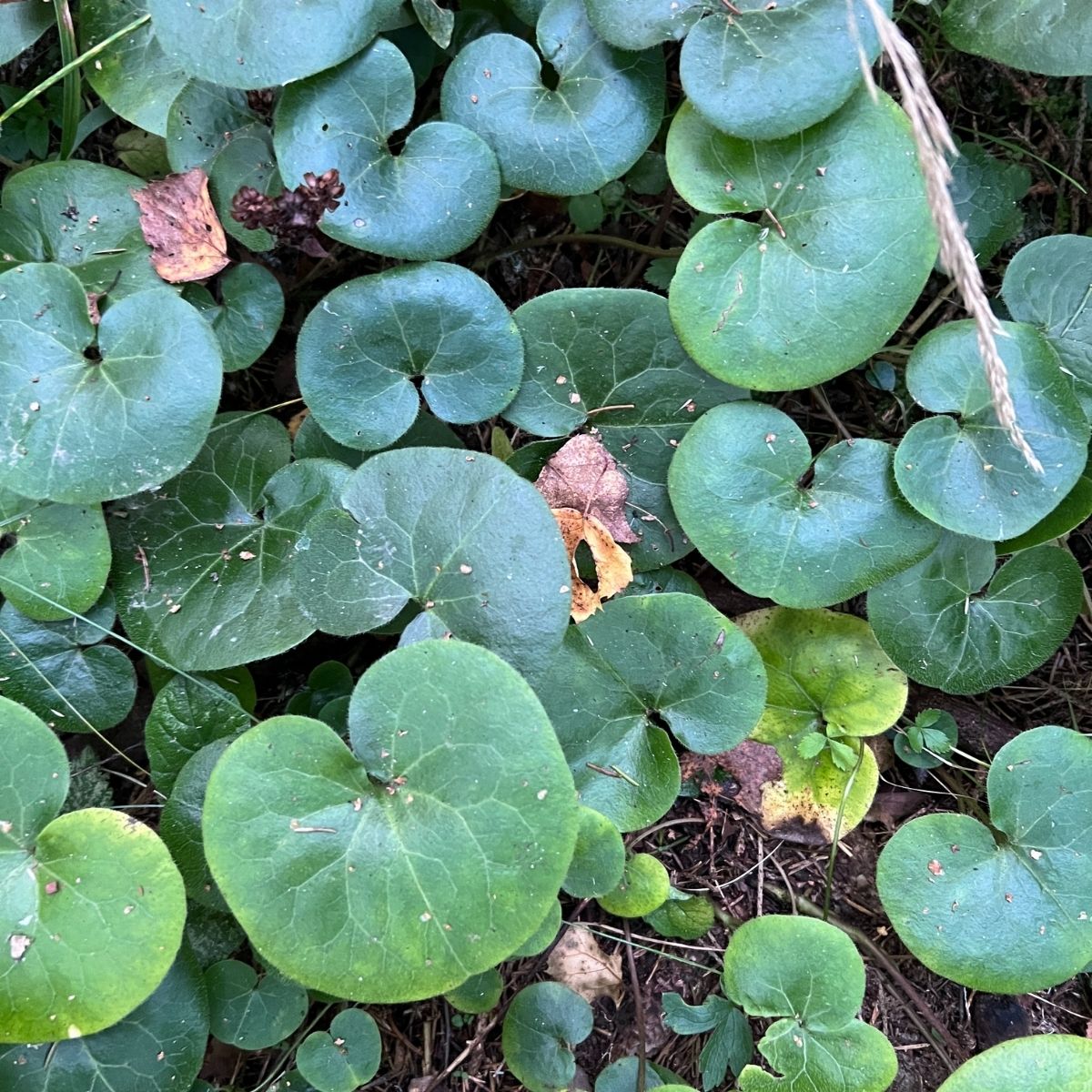
Wild ginger (Asarum caudatum) is our go-to low growing ground cover for deep shade. It spreads slowly by rhizome, forming a dense, weed-suppressing carpet of heart-shaped leaves. Beneath shrubs and along woodland borders, it fills space in a way that feels entirely natural to the PNW. Also, it supports native insects and requires almost no maintenance once it finds its footing.
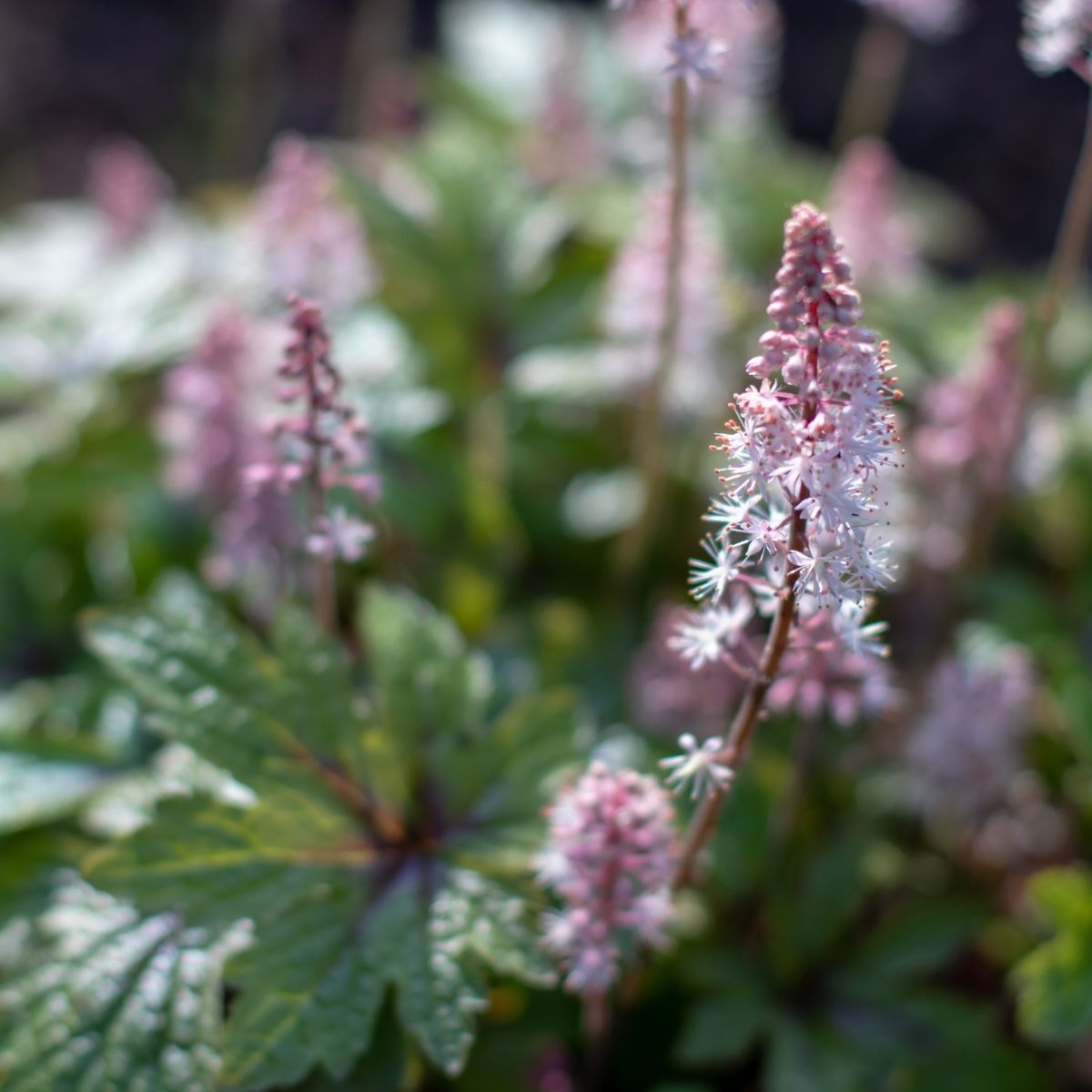
Tiarella (Tiarella cordifolia), also known as foamflower, brings seasonal bloom to shaded ground. In spring, its frothy white flowers rise above attractive lobed foliage. From there, the foliage — ranging from green to bronze — carries interest through fall and into winter. Along rain garden edges and woodland borders, it naturalizes gently and pairs well with ferns and wild ginger alike.
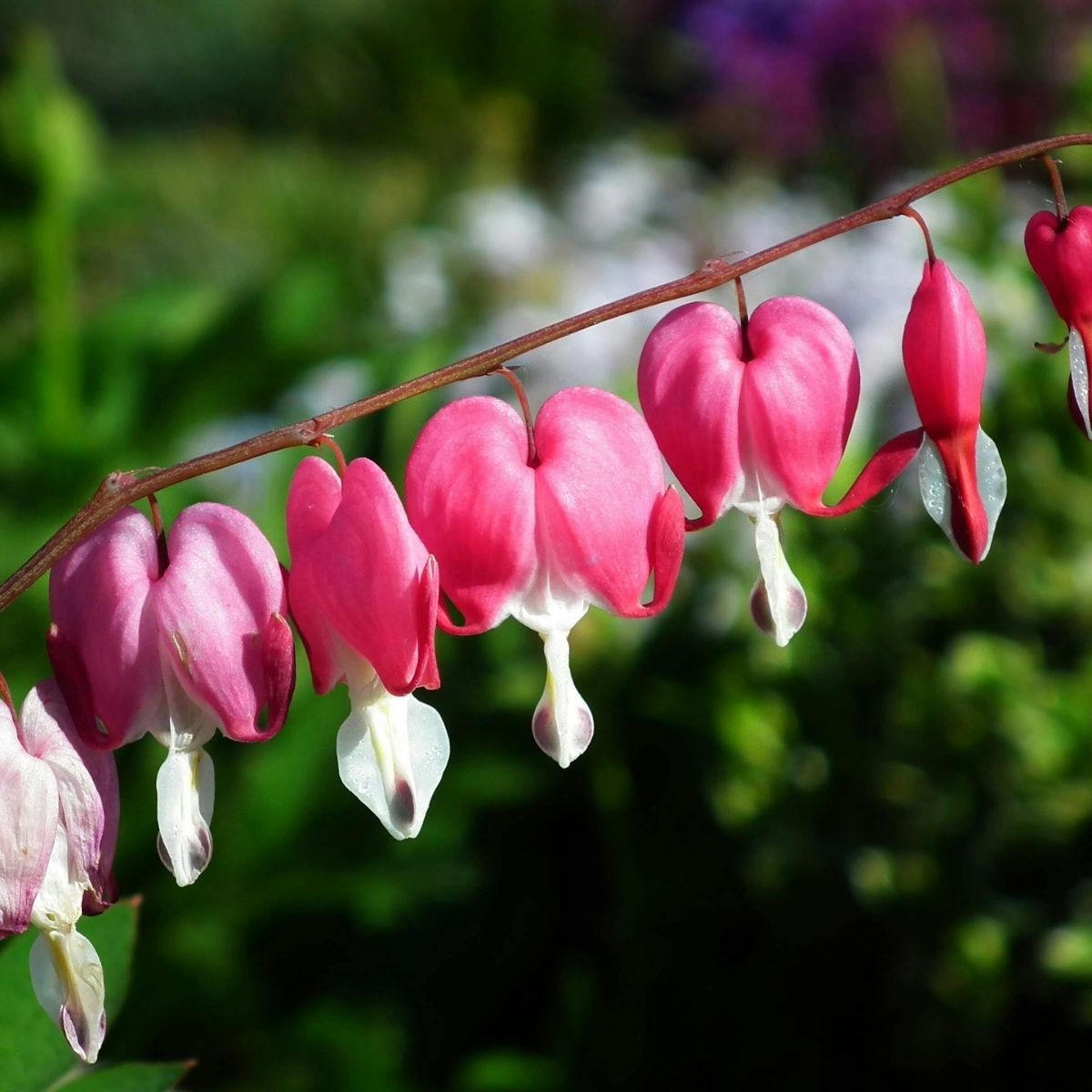
Pacific bleeding heart (Dicentra formosa) rounds out the shade ground cover palette with something more delicate. Its finely cut foliage and soft pink, heart-shaped spring blooms naturalize readily in moist shade. As a result, it works beautifully in established woodland gardens where it can spread at its own pace. In spring, it’s also one of the earliest nectar sources for pollinators emerging in the PNW.
Perennials and Grasses That Add Texture
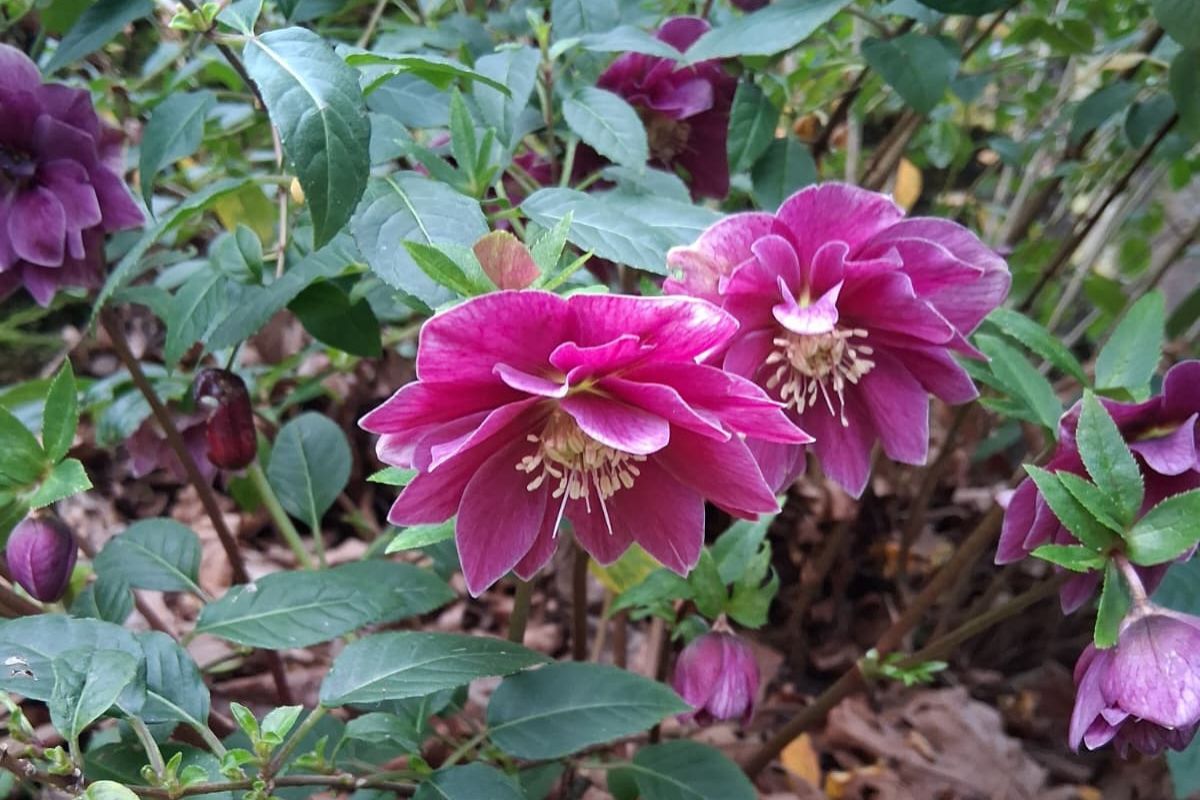
Helleborus (Hellebores orientalis and hybrids) are among the most valuable perennials for Seattle shade gardens. Their leathery evergreen leaves provide structure year-round. In winter and early spring, when very little else is blooming, their nodding flowers in cream, pink, and deep burgundy bring real color to shaded beds. Bees find them early, which matters in a season when forage is scarce.
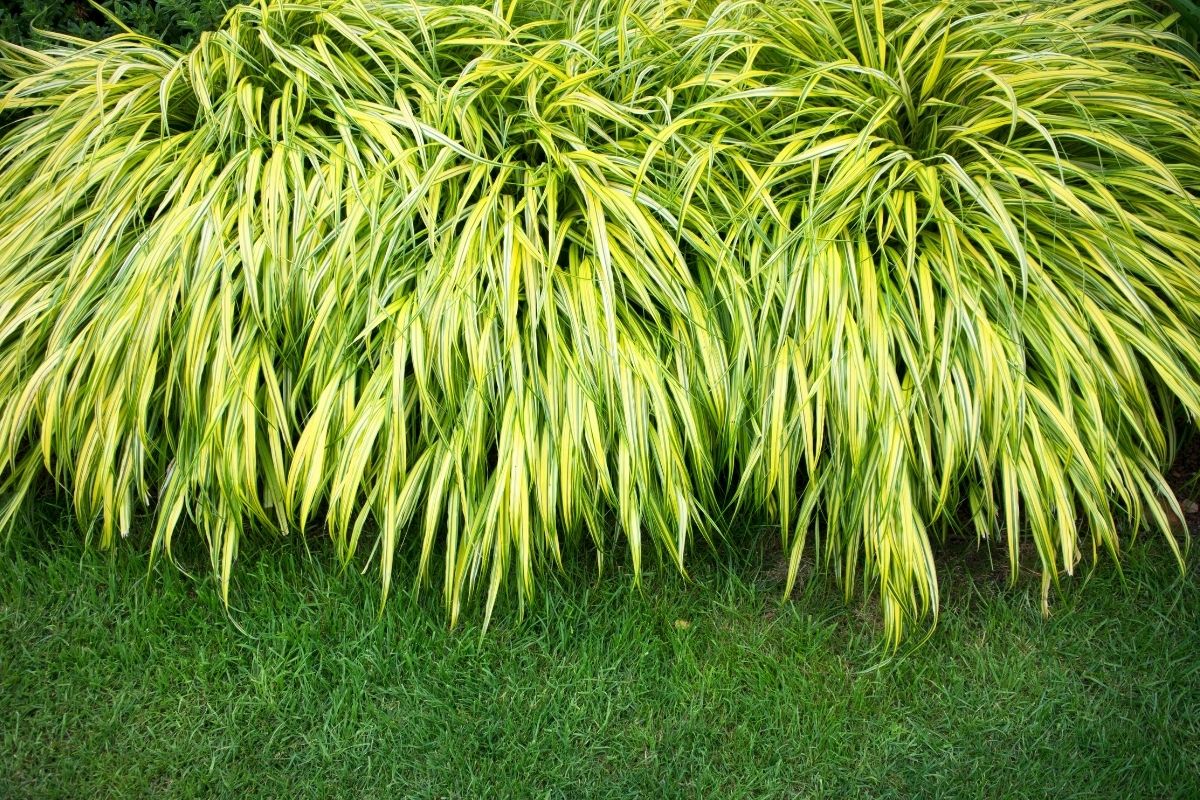
Japanese forest grass (Hakonechloa macra) adds movement and warmth to part-shade areas. Its golden-green blades catch filtered light and soften the edges of paths and borders. Along shaded walkways and beneath broadleaf evergreens, it creates contrast without competing. That said, it’s also deer-resistant — a practical advantage in many Seattle neighborhoods.
Questions Answered
What plants grow best in shade in Seattle?
Many woodland plants thrive in Seattle’s low-light conditions, including sword fern, wild ginger, hellebore, and evergreen huckleberry.
What are good native shade plants for the Pacific Northwest?
Native favorites include sword fern, Pacific bleeding heart, evergreen huckleberry, and foamflower.
Can shade gardens support pollinators?
Yes. Many shade-loving plants provide nectar and habitat for pollinators, especially in early spring.
How do you make a shade garden feel lush?
Layering textures, mixing evergreen and deciduous plants, and adding fragrance can help create depth and visual richness.
Designing with Shade in Seattle
A well-designed shade garden works on texture as much as color. Combining the broad leaves of evergreen huckleberry with the fine fronds of sword fern and the low carpet of wild ginger creates a layered planting that holds interest through every season. Adding hellebores or bleeding heart for bloom and Japanese forest grass for movement gives the space a quality that feels complete, not just covered.
Fragrance is also worth considering in shade. Sweet box blooms in the depths of winter. In a Seattle garden, that scent at a shaded entry changes how the whole property feels on a January morning.
Shade gardens, over time, develop a character that sunny spaces rarely achieve. The canopy closes. The ground cover fills. The moss finds the stones. In the Pacific Northwest, that process feels natural — because it is. The garden is simply becoming what this climate has always wanted it to be.