
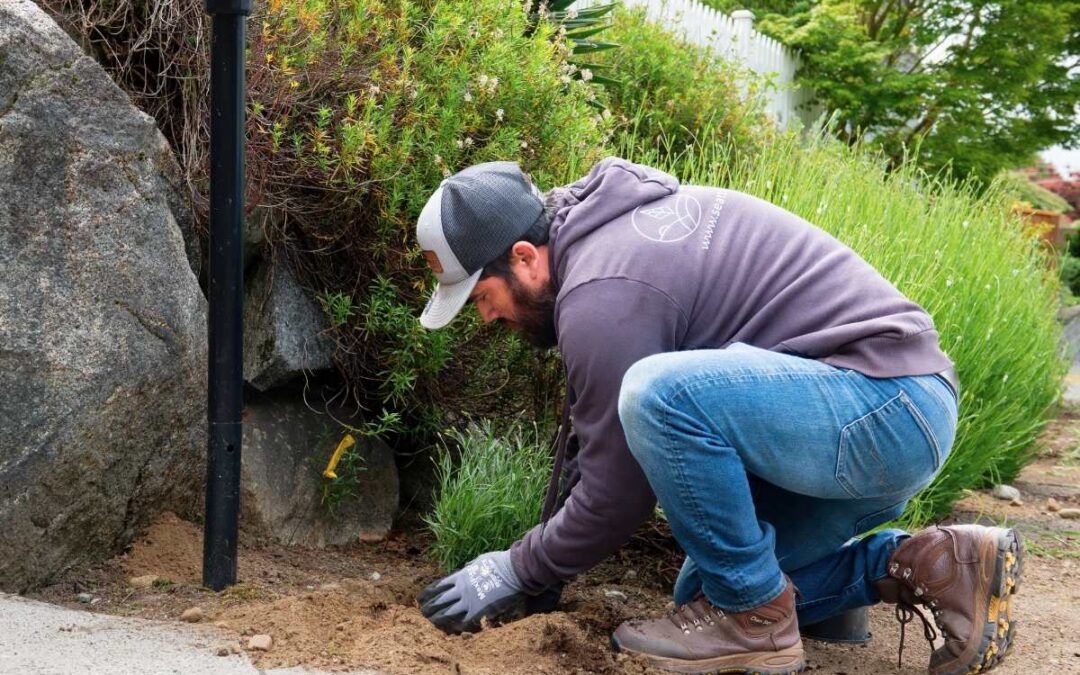
Gardening tips are everywhere: Plant everything with plenty of space, never water at night, don’t prune too aggressively… If you ever cared for a garden, we bet you also have your own pieces of advice.
While general gardening guidelines exist, our designers, who spend hundreds of hours observing how plants perform in Seattle’s climate, know every garden is different. Because of that, at Seattle Sustainable Landscapes, we believe the healthiest gardens come from understanding why a rule exists and knowing when it’s okay to bend it.
Today, we share with you the common gardening rules our designers sometimes challenge, and what you can learn from them.
Rule #1: “Never Plant Too Close Together”
One of the biggest surprises? Sometimes planting closer together actually benefits your garden.
As plants mature, they shade the soil, helping it retain moisture and reducing evaporation during Seattle’s dry summers. A fuller planting design also helps suppress weeds and creates the layered look often found in natural ecosystems.
The goal is to find a balance between crowded and thoughtful layering.
Rule #2: “Put the Right Plant in the Right Place”
This is so true. Choosing plants that match site conditions is crucial. Don’t rush, though. Gardens aren’t static; site conditions can change at any time, and they’ll change!
A sun-loving shrub can eventually create enough shade for woodland perennials beneath it. Designers think about how a landscape will evolve, to envision how it will look after years of planting.
Rule #3: “Water Every Day During Summer”
Daily watering often creates shallow roots.
Instead, deep soaking a few times each week encourages roots to grow farther into the soil, making plants more resilient during dry weather.
If you don’t have an irrigation system, watering in the evening can also be a practical alternative to waking up before sunrise.
Rule #4: “Cut Your Lawn Short So You Mow Less”
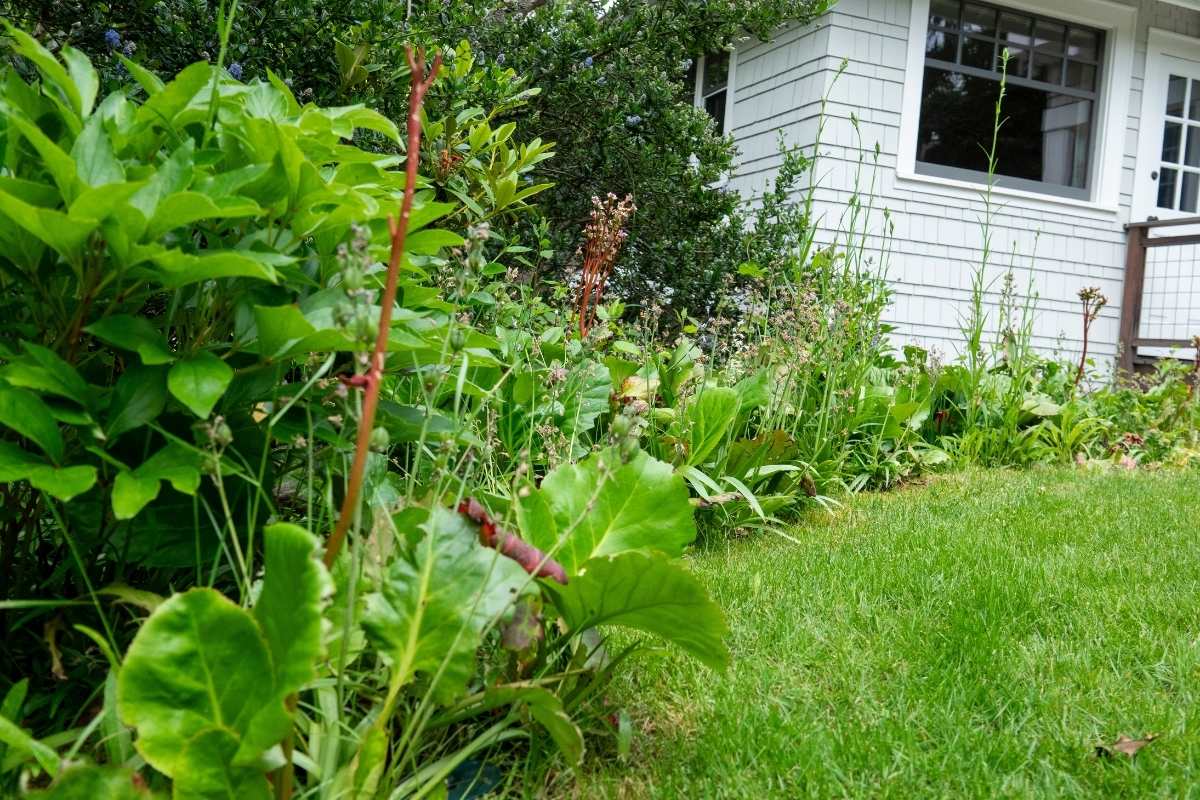
Although it sounds logical, cutting your lawn short usually has the opposite effect.
Keeping your lawn slightly taller allows grass to photosynthesize more efficiently, directing energy toward deeper root development. Taller grass also shades the soil, helping conserve moisture while naturally reducing weed pressure.
Rule #5: “If a Perennial Doesn’t Bloom, Replace It”
Many perennials spend their first season establishing roots instead of producing flowers.
Patience often pays off.
Instead of digging them out, give them another growing season. Many return stronger and fuller once they’re established.
Rule #6: “Aggressive Pruning Will Ruin Your Shrubs”
Many established shrubs are far more resilient than people realize.
Certain species actually respond well to rejuvenation pruning, producing vigorous new growth after being cut back. The key is understanding which plants tolerate hard pruning and which don’t.
Researching your specific plant before pruning is always worth the effort.
Rule #7: “Kitchen Scraps Make Great Garden Fertilizer”
It sounds sustainable, but burying eggshells, banana peels, or vegetable scraps rarely provides meaningful nutrition for plants.
Professional compost has already undergone decomposition, making nutrients readily available while improving soil structure.
A yearly compost topdressing is one of the simplest ways to build healthier soil.
Rule #8: “You Can’t Grow Much in Pots”
Container gardening has come a long way. Perennials, shrubs, and even small trees can thrive in well-designed containers, making them an excellent solution for patios, courtyards, rooftops, and small Seattle yards.
Limited planting space doesn’t have to limit your landscape.
Rule #9: “Plants Need Constant Attention”
Perhaps the biggest misconception is that every problem needs immediate intervention.
Healthy landscapes are living ecosystems.
Sometimes the best thing you can do is improve the soil, observe your plants, and allow nature to do much of the work. Healthy roots, rich soil, and thoughtful plant choices often solve problems before they start.
Following Rules vs. Understanding Nature
Sometimes, memorizing gardening rules isn’t enough to build a great landscape. We suggest a better alternative: observing how plants respond to their environment and making consequent, thoughtful decisions.
At Seattle Sustainable Landscapes, we believe gardening is working alongside nature instead of trying to control it. When you understand the “why” behind traditional advice, you can create a landscape that’s healthier, more resilient, and uniquely suited to your home.
Whether you’re refreshing a planting bed, renovating your lawn, or designing an entirely new landscape, our team can help you create a garden that works with Seattle’s climate—not against it.
Contact Seattle Sustainable Landscapes to start building a landscape that thrives season after season.