
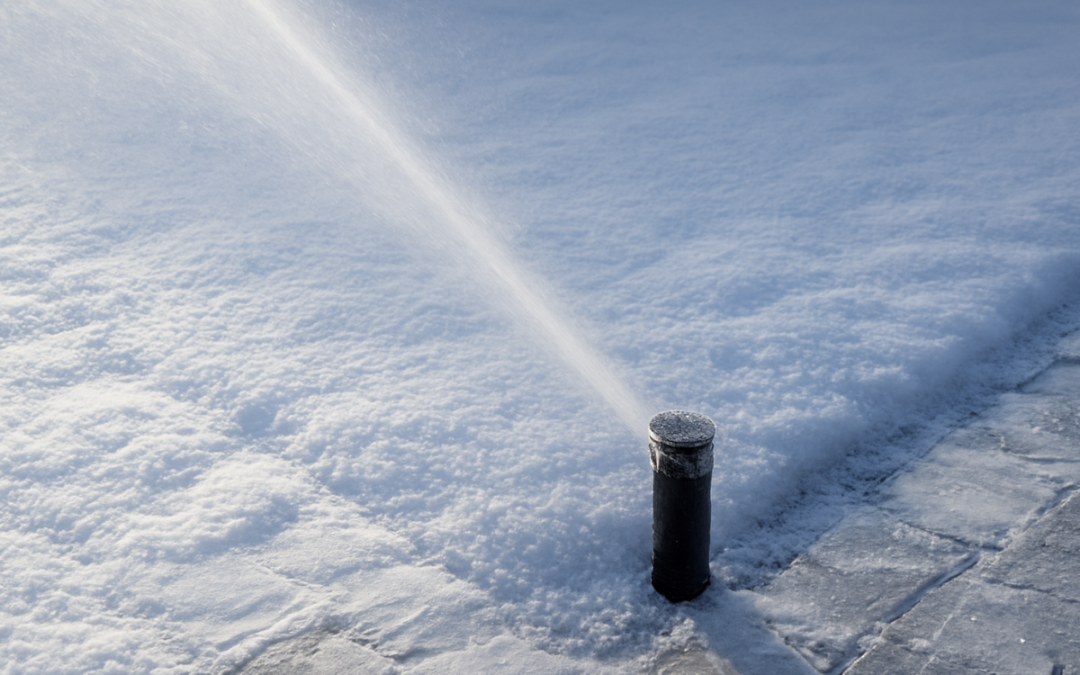
As the seasons change and temperatures drop, it’s crucial for homeowners with irrigation systems in Seattle to prepare for winter. Properly winterizing your irrigation system ensures its longevity and efficiency, protecting your investment from potential damage caused by freezing temperatures. This guide will help you understand the importance of winterization, how to determine if your system needs it, and whether you should tackle this task yourself or hire a professional. Contact Us if you need a professional!
Does My Seattle Home Need Irrigation Winterization?
Understanding Seattle’s freeze risk
Even though Seattle’s winters are milder than in many other parts of the U.S., the region can still experience nights below freezing — especially inland and on colder edges of the city. When temperatures dip below 32°F, any water left in your irrigation system can freeze, expand, and damage pipes, valves, and sprinkler heads. Seattle’s frequent rain doesn’t protect you — it simply means moisture in your system can sit longer, increasing freeze risk.
How to know if your system needs winterization
Type of system
All irrigation systems, whether sprinkler or drip, benefit from winterization. Simple hose‑connected drip systems might not have complex valves, but they still hold water that can freeze and damage fittings or emitters.
Where are your pipes located?
Systems with lines near the surface, uninsulated backflow preventers, or above‑ground components are more vulnerable. The closer parts are to cold air, the more critical winterization becomes.
Irrigation Winterization Vocabulary Explained
Sprinkler blowout (compressed air method)
A sprinkler blowout is the most common winterization process where compressed air is used to force water out of your irrigation lines. Technicians attach an air compressor to your system and push air through each zone until only dry air comes out of the sprinkler heads. This prevents water from freezing inside pipes and cracking them.
Backflow preventer
A backflow preventer is a safety device that stops irrigation water from flowing back into your home’s clean water supply. They are often one of the most expensive parts of your system and extremely susceptible to freezing if not drained and insulated. Proper winterization often means thoroughly draining them, ideally there is an isolation valve between the point of connect and the backflow so all of the water can be removed from the Backflow Preventer or Double Check Assembly.
Zone‑by‑zone winterization
Irrigation systems are divided into zones — individual circuits that water specific parts of your property. Zone‑by‑zone winterization means blowing out and draining each section separately to ensure that no water remains in any section that could freeze. These zones are controlled by valves that function as on and off switches for the irrigation system, the valves connect to the controller. The valves can be opened manually or by the controller which will allow air to flow through the system (when applied with the air compressor) and remove the water from the system
Manual drain vs. automatic drain valves
- Manual drain valves must be opened by hand after shutting off the water supply so gravity can empty the lines.
- Automatic drain valves open automatically when water pressure drops, letting water flow out on its own. They are helpful, but often not sufficient without a full blowout.
Neither of these is common in professional grade residential systems. We do not use them as they do not work nearly as well as a proper winterization with an air compressor.
Residual water
Residual water refers to small pockets of water left behind in low spots, fittings, or valves even after draining. This tiny amount of water is often the culprit behind frozen and cracked pipes if not properly blown out. The Winterization is performed to remove as much residual water as possible.
What Happens If You Skip Winterization?
The science of freezing pipes
Water expands as it freezes. Inside a closed irrigation line, this expansion can create pressure that exceeds the strength of your pipes, heads, valves, backflow and fittings. Once the ice forms, it pushes outward, often causing cracks or splits that go unseen until spring. This happens so often that it is actually mentioned on the government website.
Costly damage breakdown
- Cracked or burst pipes
- Damaged sprinkler heads
- Ruptured valves
- Backflow preventer failures
- Valve manifold leaks
- High water bills
Repairing these components — especially if underground — can cost hundreds to thousands of dollars and disrupt your landscaping schedule come spring.
The spring surprise
Skipping winterization often results in surprises when you turn your system on in spring — unexpected leaks, muddy patches, dry areas, or complete zone failures. These delays can cost time, money, and extra stress right when you want your yard thriving again. This also comes at the busiest time of year for Irrigation professionals so it can take longer to get a technician out for a repair this time of the year.
When to Call a Professional
Systems that require professional service
Complex irrigation systems with multiple zones, underground backflow devices, or hybrid drip‑spray setups are generally best handled by professionals. We bring the knowledge, experience, and specialized equipment (like high‑capacity compressors and moisture‑meters) that ensure a thorough winterization. This minimizes risk and maximizes system health for years to come.
What we do differently
A professional winterization includes inspection, pressure‑tested blowout, careful draining, component protection, and a checklist of system health. We also identify issues like broken heads or leaks before winter sets in, saving you costly spring repairs.
Red flags that you need a pro
You should call a professional if you:
- Have underground or hard‑to‑access components
- Don’t own or know how to use an air compressor safely
- Suspect leaks or previous freeze damage
- Have a commercial or large residential system
- Want peace of mind
DIY Winterization — When It Makes Sense
Simple systems that homeowners can often handle
If your irrigation system is small, mostly above ground, and you’re comfortable with basic tools, you might consider a DIY winterization. This typically applies to single‑zone drip systems or very simple setups. However, always proceed with care.
Basic DIY steps overview
- Shut Off the Water Supply: Turn off the main water supply to the irrigation system.
- Drain the System: Remove water from lines via drain valves or by using an air compressor. For drip zones, open release valves at the end of each zone.
- Insulate: Protect above‑ground components. Wrap backflow preventers, exposed valves, and timers with insulating materials.
- Check the Controller: Turn off the controller or set it to “rain mode” to prevent automated watering during winter.
Limitations and warnings
DIY winterization must be done correctly or risks costly damage. Common pitfalls include:
- Incomplete Draining — Leftover water can freeze and burst lines.
- Over‑pressurization — Too much air pressure can crack pipes or fittings.
- Expensive Repairs — Frozen components often break heads, nozzles, or backflow devices.
- Higher Water Bills — Undetected leaks can run all winter, wasting water and money.
- Wasted Water — Conservation matters — proper winterization reduces waste and protects your landscape.
Seattle‑Specific Timing & Recommendations
When to winterize in the Seattle area
In Seattle, aim to winterize October to early November, before consistent overnight freezes begin. Some years the weather stays mild longer, but even a single cold snap can do damage, so preparation ahead of freezing weather is key. We’d recommend planning ahead and getting on the list of a professional so that they can build you into their maintenance program and that they know your system well when repairs are needed.
More information in our sprinkler winterization blog post.
What professional winterization includes
A professional service typically includes:
- System inspection and leak detection
- Pressure‑tested blowout on every zone
- Controller shutdown and winter programming
- Spring startup reminder or contract
Questions to ask when hiring a service
When selecting a winterization provider, ask:
- Do you blow out each zone individually?
- Is a spring startup service available?
- Do you offer irrigation repair services?
- Do you have dedicated irrigation technicians?
- Do I need to be home? If so, how often do you reschedule?
Rest Easy Knowing Your Irrigation System Will Be Ready to Go When Spring Arrives
Whether you choose to DIY or hire a professional, winterization is essential for protecting your irrigation investment. With the right preparation, your system will stay durable, efficient, and ready for healthy growth come spring.
Ready to schedule your winterization service or have questions?
👉 Contact Us Today!