
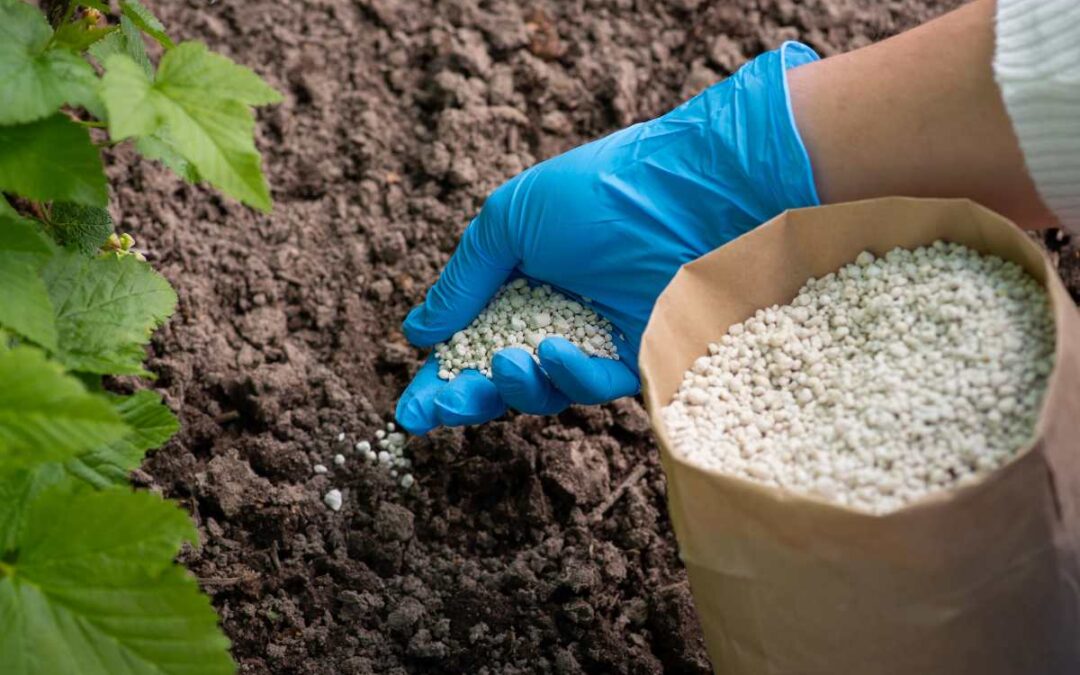
Two main types of fertilizers are commonly used in landscape care: organic fertilizers vs synthetic fertilizers. Both provide nutrients to plants, yet they work in very different ways. Understanding that difference helps explain why many sustainable landscape programs prioritize organic soil care.
Organic fertilizers come from natural materials and release nutrients slowly as soil microbes break them down to create food for the plants. Synthetic fertilizers are manufactured chemicals that deliver nutrients immediately to the plants but do not improve soil structure or biological activity.
What Organic Fertilizers Are
Organic fertilizers are derived from natural sources such as compost, plant materials, and animal byproducts. Unlike synthetic fertilizers, they do not release nutrients immediately after application. Instead, they rely on soil microorganisms to break down organic matter and convert nutrients into forms that plants can absorb.
This process creates a slower and more gradual nutrient release. As soil microbes digest organic materials, they also contribute to improved soil structure and increased biological activity.
Organic fertilizers provide more than nutrients alone. They add organic matter to the soil, which helps improve water retention, aeration, and long-term fertility. Because nutrients are released gradually, the risk of burning plants or creating salt buildup in the soil is significantly lower.
In effect, organic fertilizers support the entire soil ecosystem rather than simply delivering nutrients directly to plant roots.
What Synthetic Fertilizers Are
Synthetic fertilizers, sometimes called inorganic fertilizers, are manufactured through chemical processes that concentrate nutrients into readily available forms. These products allow plants to absorb nutrients quickly, which often results in rapid greening and visible growth shortly after application.
Because synthetic fertilizers deliver nutrients directly, they can be useful when plants need an immediate boost. However, they do not contribute organic matter to the soil and typically do not support microbial activity.
In regions with heavy rainfall, such as Seattle, synthetic fertilizers can also be more prone to nutrient leaching. Excess nutrients may wash through the soil before plants can fully use them. Over time, repeated use without soil improvement can also reduce biological diversity in the soil ecosystem.
While synthetic fertilizers can solve short-term nutrient deficiencies, they do not build the long-term soil capacity that supports resilient landscapes.

Why Soil Health Matters in the Pacific Northwest
Seattle’s climate presents unique challenges for landscape soils. Heavy winter rainfall can wash nutrients out of the soil profile, while compacted glacial soils limit oxygen flow and root development.
Without regular replenishment of organic matter, soils gradually lose structure and biological activity. This leads to weaker root systems, reduced water infiltration, and plants that are more vulnerable to stress.
A soil-first fertilization strategy focuses on rebuilding that foundation. Healthy soil allows plants to access nutrients naturally, retain moisture during dry periods, and support strong root systems that sustain growth over time.
Why Organic Fertilizers Support Long-Term Landscape Health
Organic fertilization plays a central role in soil-focused landscape management because it supports the entire living system beneath the plants.
As organic materials break down, they feed soil microbes and contribute to improved soil aggregation. This process increases oxygen availability and helps water move more effectively through the soil profile. Over time, these changes encourage deeper root growth and stronger plant resilience.
Organic fertilizers also release nutrients slowly, which aligns more closely with the natural pace of plant growth. Instead of rapid bursts of growth followed by decline, plants receive a steady supply of nutrients that supports balanced development.
In addition, organic fertilizers tend to be safer for surrounding ecosystems. Because nutrients are released gradually, there is less risk of runoff entering stormwater systems or nearby waterways. This is especially important in the Puget Sound watershed, where nutrient pollution can affect aquatic ecosystems.
For lawns and landscapes, healthier soil often leads to stronger plants that resist weeds, tolerate drought stress more effectively, and require fewer corrective treatments over time.
When Synthetic Fertilizers May Still Be Used
Although organic fertilizers form the foundation of many soil health programs, synthetic fertilizers can still have a place in certain situations.
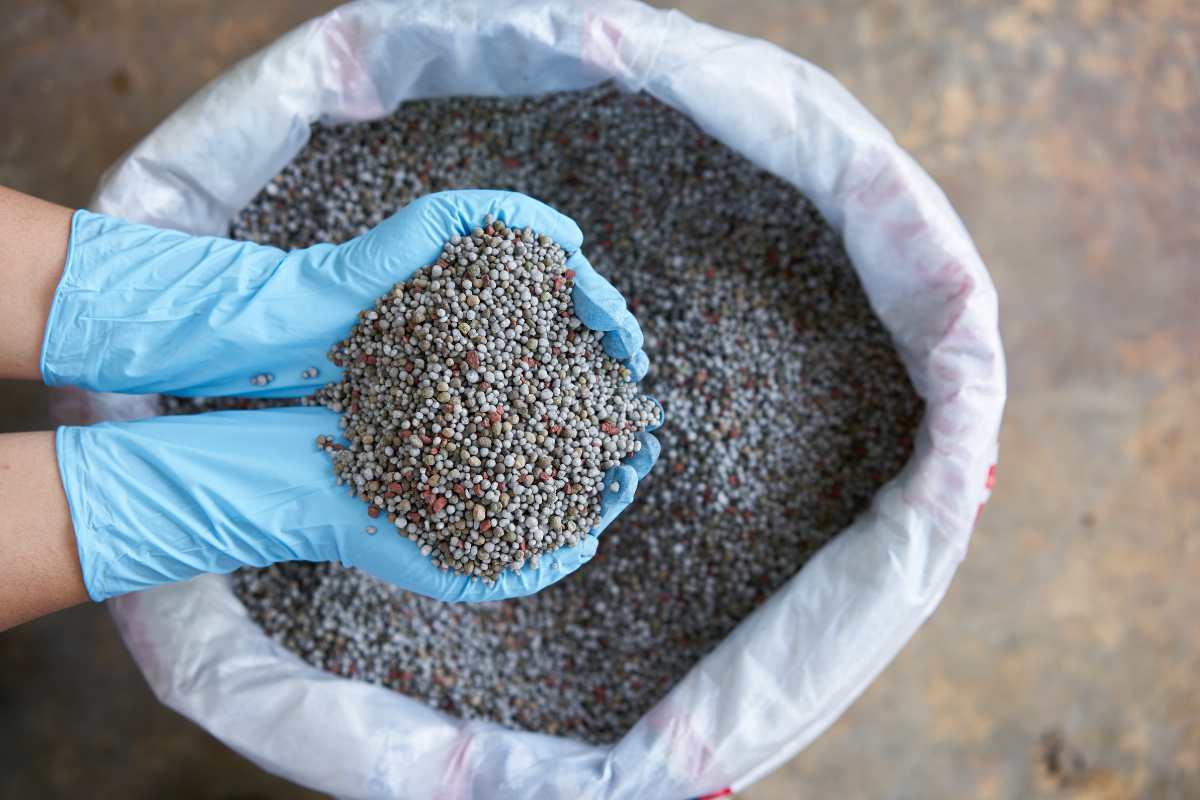
Targeted synthetic applications may be useful when soil tests reveal a specific nutrient deficiency that needs rapid correction. They may also support new seed establishment or help plants recover from acute stress when biological processes alone cannot respond quickly enough.
In these cases, synthetic fertilizers are used strategically and sparingly, integrated within a broader soil health approach rather than serving as the primary fertilization method.
Final Thoughts
The key difference between organic and synthetic fertilizers lies in what they support. Synthetic fertilizers primarily feed plants, often producing quick visual results. Organic fertilizers feed the soil ecosystem that sustains those plants over the long term.
In climates like Seattle’s, where rainfall, soil compaction, and seasonal stress affect landscape health, building soil resilience is essential. A nutrient strategy that strengthens soil structure and microbial activity can help landscapes thrive year after year.
Choosing organic fertilization is not only about greener lawns today. It is about cultivating soil that continues to support healthy landscapes well into the future.
Seattle Sustainable Landscapes focuses on soil-first maintenance programs that support long-term plant health and resilient landscapes.