Retaining Walls Installation in Seattle
Expand your outdoor usable space, manage slopes while adding character to your landscape.
Expand Your Usable Outdoor Space
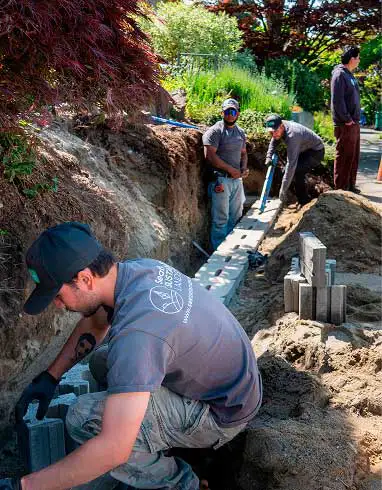
Building a Retaining Wall in Seattle
As landscaping contractors, retaining walls in Seattle are one of the most popular outdoor features we build. If you’re a homeowner here, you’ll likely agree that a retaining wall is an excellent solution for improving drainage, reducing erosion, addressing grade changes, and creating a livable outdoor space where steep terrain would otherwise limit that possibility.
Many Seattle homeowners hire us to build retaining walls that serve as the foundation for patios, lawns or a complete backyard transformation. Plus, building a retaining wall will increase your property’s value by adding an architectural feature to your landscape.
Terraced Landscapes
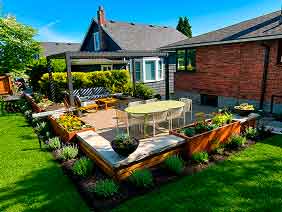
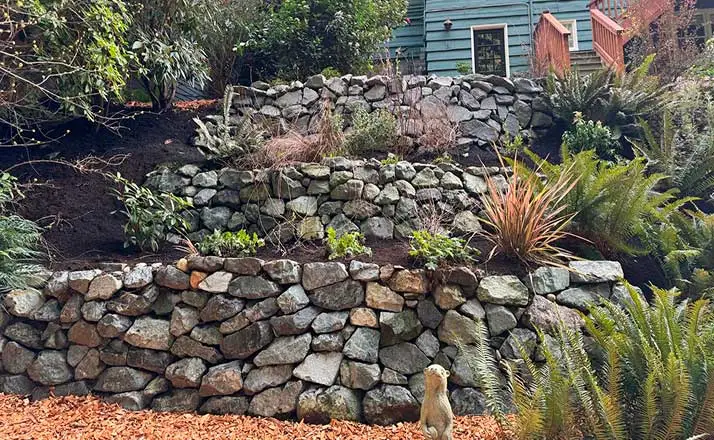
Transform sloped or uneven areas into level spaces for patios, lawns, gardens, play areas or outdoor living.
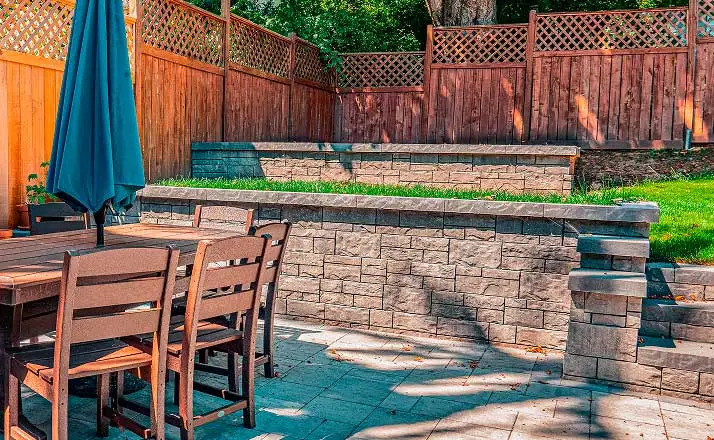
Terracing often simplifies construction and improves water management. This approach may also reduce permitting requirements compared with a single wall over four feet in height.
Garden Walls
Retaining walls help organize your landscape by creating distinct garden rooms, defining planting areas, and adding architectural structure throughout the property.
Installing retaining walls in Seattle makes planting beds much easier to access and maintain.
Hillsides Retention
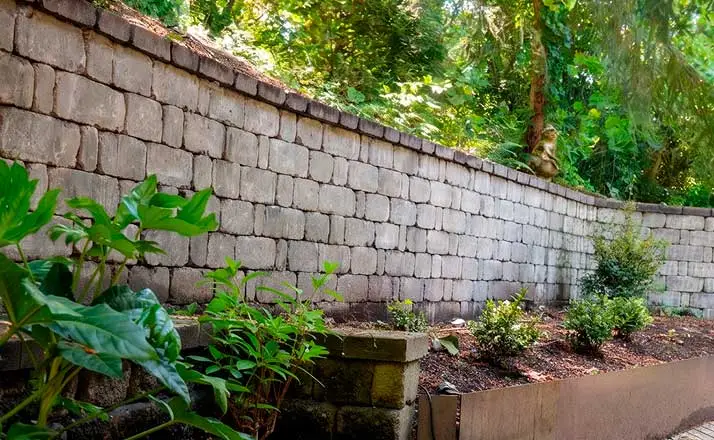
Seattle hillside lots require careful soil stabilization to prevent erosion and safely manage water in the landscape. Installing a retaining wall on the hillside keeps the soil in place, controls runoff, and protects the long-term stability of steep slopes.
We combine slope retention with erosion-control plantings, improved grading, and strategic drainage to achieve a comprehensive slope stabilization strategy.
Types of Retainig Walls
Styles and Materials
Every retaining wall balances engineering with aesthetics. Material selection influences durability, maintenance, installation methods, and how naturally the wall integrates into your home’s architecture and surrounding landscape. Whether you prefer natural stone or modern concrete blocks, each solution offers different advantages depending on the site’s conditions and your design goals.
Explore a selection of retaining wall projects we’ve built throughout the Seattle area, designed around each site’s conditions and the homeowner’s vision. If you’re comparing different retaining wall options, find the advantages of each material in our guide on choosing the best retaining wall for you.
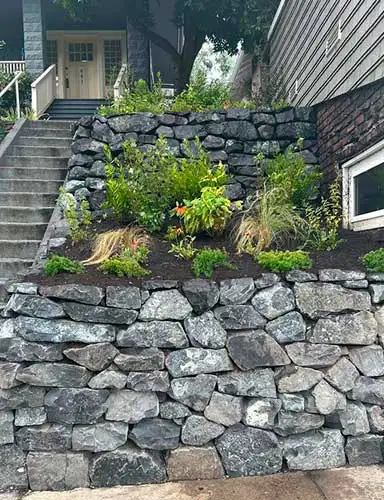
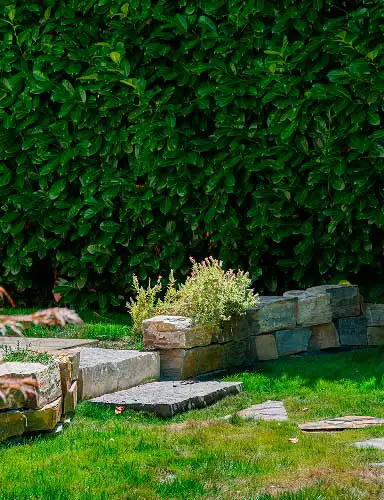
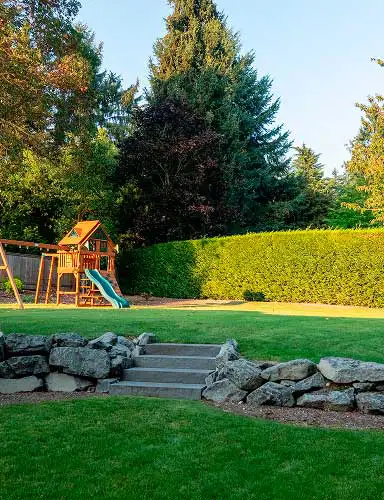
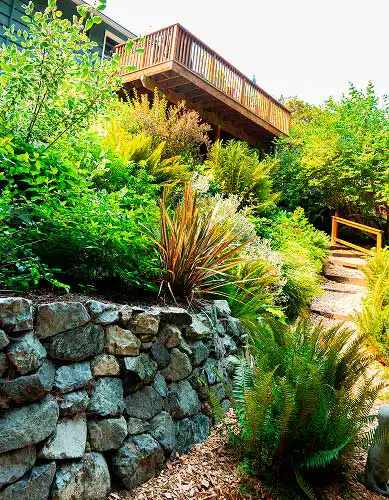
Natural Stone Retaining Walls
Timeless, organic, handcrafted
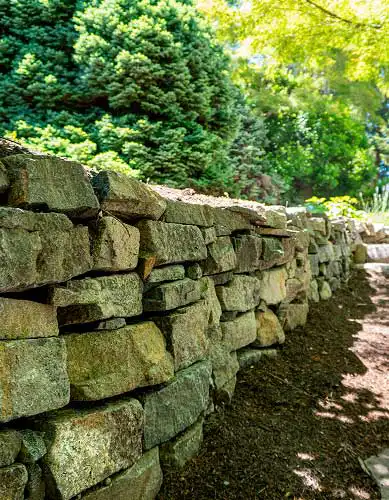
Natural stone retaining walls bring timeless character to Pacific Northwest landscapes offering:
- A unique personality thanks to natural variations in color, shape, and texture.
- Handcrafted beauty built through the skilled process of dry stacking. Each stone is carefully selected and placed to create a one-of-a-kind design.
- A natural connection that blends beautifully with gardens and plantings.
- Lasting structure provided by skillful craftsmanship that supports long-term performance.
Follow this link to learn more about how to choose the right natural stone for your Seattle yard.
Manufactured Block Walls
Versatile, durable, intended
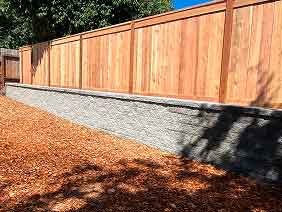
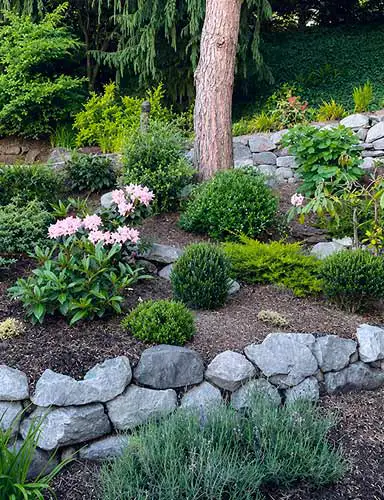
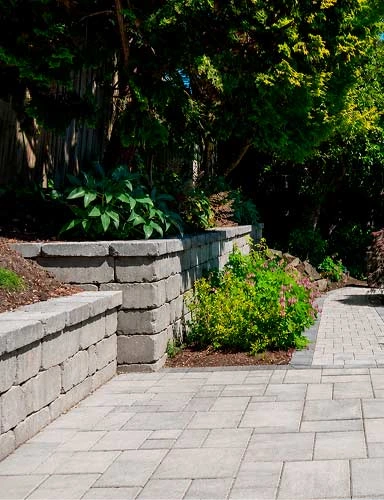
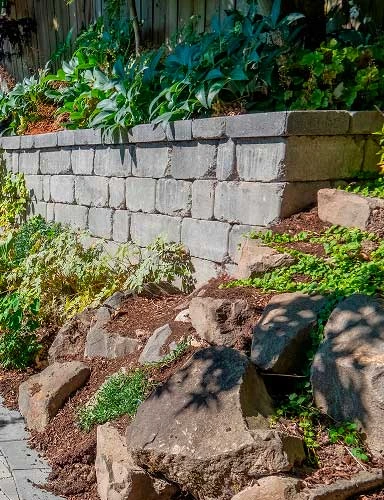
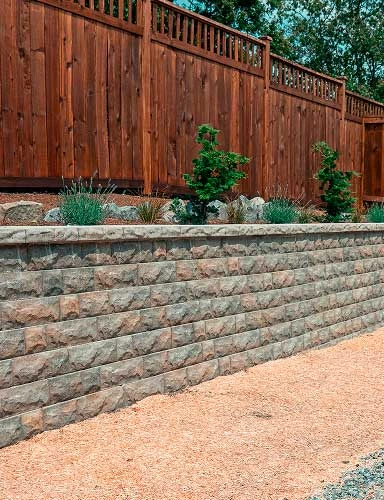
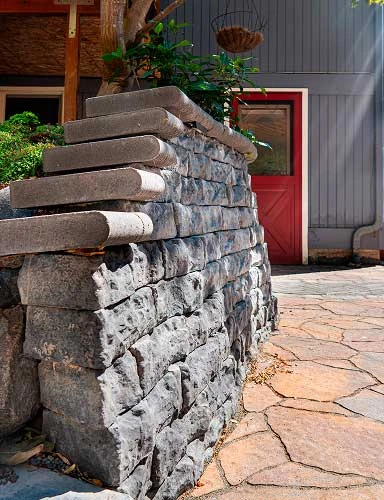
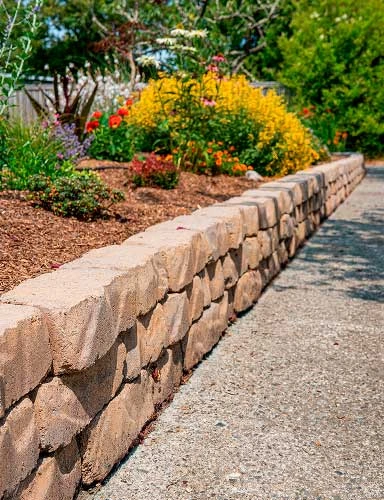
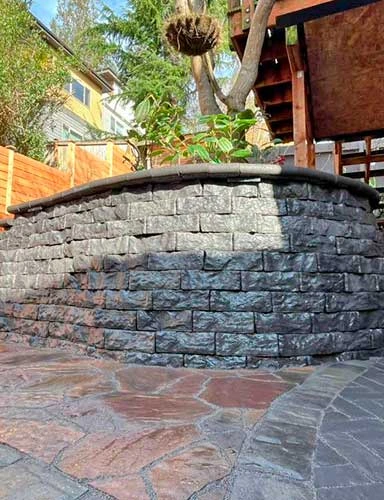
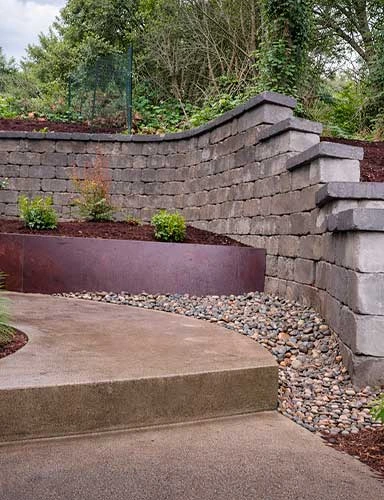
Manufactured block walls provide clean lines, lasting strength, and flexible design options for Seattle landscapes. Made with manufactured stone, concrete blocks, or brick, they offer:
- A wide range of colors, textures, patterns, and profiles.
- A structured look for both traditional and contemporary landscapes.
- Reliable durability with strong materials designed to support Seattle’s varied terrain.
- A refined finish that can intentionally complement your home.
Explore block wall styles available through one of our suppliers.
Corten Steel Walls
Modern, minimalist, sculptural
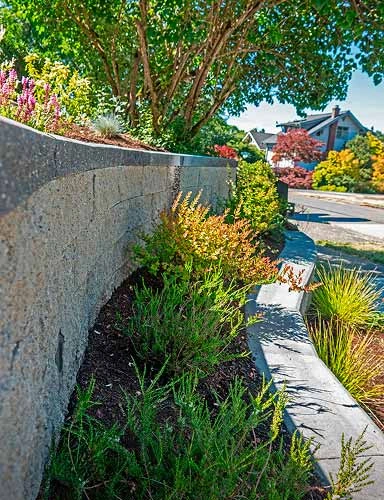
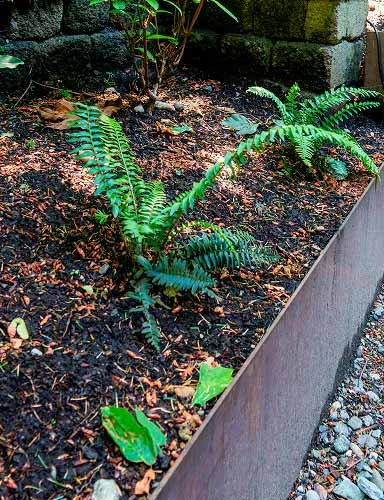
Corten steel retaining walls bring clean lines and contemporary character to Seattle landscapes. Their warm, weathered finish creates a striking contrast with grasses, boulders, and native planting.
Corten steel walls offer:
- A modern definition with crisp edges for gardens, pathways, and outdoor spaces.
- Natural warmth expressed through a distinctive patina that evolves over time.
- A long-lasting solution for contemporary landscapes.
Discover more about using metal in landscape design.
Planting Around Retaining Walls
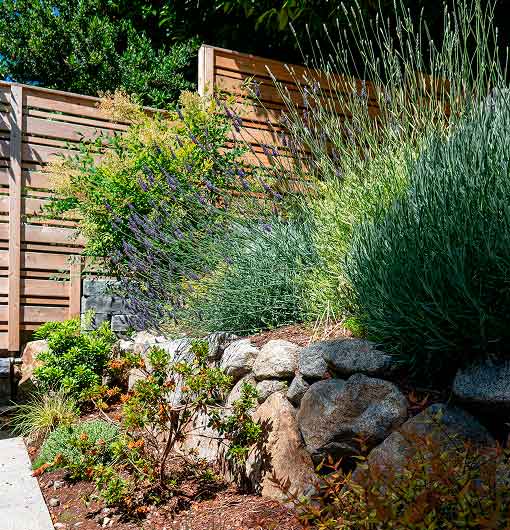
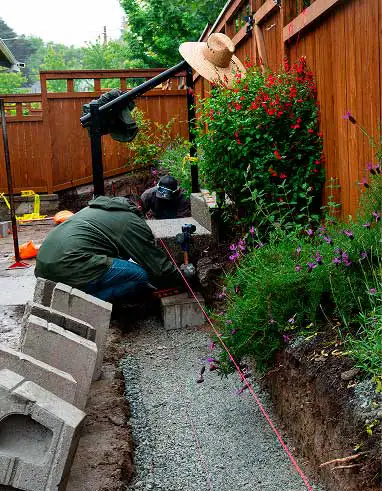
The most resilient retaining walls work well combined with plantings for erosion control. Native plants with deep roots stabilize the soil, slow runoff, and reduce erosion on Seattle’s sloping terrain. What’s more, planting around retaining walls softens the look of stone, blocks, or steel.
We combine shallow-rooted groundcovers with deeper-rooted shrubs and native Pacific Northwest species to create multiple layers of slope stabilization, improve biodiversity, and add seasonal interest year-round.
Benefits of Planting on Steep Slopes
- Slow water runoff
- Help stabilize slopes
- Reduce soil erosion
- Soften hardscape materials
- Support pollinators and biodiversity
- Add year-round texture and seasonal interest
Drainage
Behind Retaining Walls
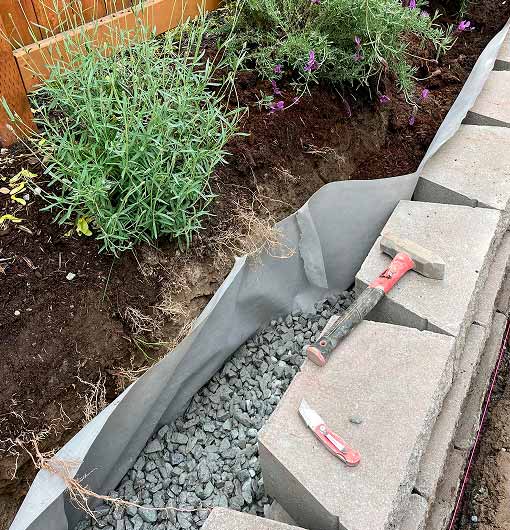
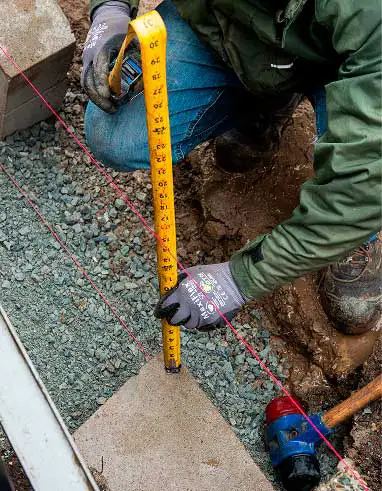
Retaining walls are only as strong as the drainage system behind them. Without proper water management, pressure can build over time, reducing the wall’s lifespan and potentially leading to movement or failure.
That’s why drainage design is never an afterthought. Every retaining wall we build is evaluated for site grading, groundwater movement, backfill, and appropriate drainage solutions before construction begins.
Depending on the site, we may incorporate French drains, grading improvements, rain gardens, or other drainage solutions to create a complete, long-lasting system.
Professional Retaining Wall Installation
Many Seattle properties feature slopes, grade changes and challenging terrain. Sometimes, installing a retaining wall is enough to stabilize the site and create usable space.
Other times, we encourage a broader strategy that may include terraces, planting strategies, and drainage so that all landscape elements work together.
Our process begins by evaluating slopes, drainage patterns, access, existing vegetation, surrounding structures, and how you hope to use the landscape in the future. If another solution better serves your landscape, we’ll tell you.
Discover more about how we design landscapes that truly fit your Seattle home.
9
WALP awards
200+
completed
construction projects
4.9 
Google reviews
Excellence
pursued every day
Thinking About a Retaining Wall?
Tell Us About Your Project
Retaining Wall Considerations
Frequently Asked Questions
-
Do retaining walls require a permit in Seattle?
Retaining walls over 4 feet in height often require permits and may also require engineering, depending on the site conditions and local regulations. If your property includes steep slopes, environmentally critical areas (ECAs), or complex drainage conditions, additional reviews may apply.
Whenever possible, we explore design solutions such as terraced retaining walls, which can create usable outdoor space while reducing permitting requirements. During the design process, we’ll help you understand which regulations may apply to your project.
-
What is the best material for a retaining wall?
The best retaining wall material depends on your landscape, budget, architectural style, and the wall’s structural requirements.
Natural stone offers a timeless appearance and blends beautifully into Pacific Northwest landscapes.
Concrete block systems provide excellent durability, design flexibility, and cost efficiency.
Corten steel creates clean contemporary lines while naturally developing a protective rusted finish.
Repurposed materials can add character and support more sustainable construction practices when appropriate.
Of the four styles, manufactured products are the fastest and most cost-effective option, and there is an incredible amount of variety in the textures, colors, shapes, and sizes of material to use. Natural stone retaining walls are very impressive when done correctly.
During the design process, we’ll recommend materials that balance aesthetics, longevity, and the specific conditions of your property.
-
How long do retaining walls last?
A professionally built retaining wall can last several decades, depending on the material, drainage system, soil conditions, and quality of construction.
Proper base preparation, engineered drainage, and appropriate material selection all contribute to long-term performance. Ongoing maintenance is generally minimal, but periodic inspections help identify small issues before they become larger repairs.
-
Can retaining walls help prevent erosion?
Yes. Retaining walls are one of the most effective ways to stabilize sloped landscapes and reduce soil erosion. By holding soil in place and managing changes in elevation, they help protect your property from runoff and long-term slope movement.
The best results come when retaining walls are combined with thoughtful grading, drainage, and carefully selected planting. Native plants and deep-rooted species help reinforce the soil, slow water runoff, and contribute to a healthier, more resilient landscape.
-
How do you ensure proper drainage for my landscape?
Drainage is one of the most important components of a successful retaining wall. Without proper water management, hydrostatic pressure can build behind the wall and reduce its lifespan.
Depending on your site, we may incorporate different drainage solutions like drainage gravel, perforated drain pipe, French drains, grading improvements, or rain gardens to move water away from the structure.
If you’d like to learn more about French drains and drainage systems, explore our drainage guide. -
What are the biggest mistakes people make when building retaining walls?
Most retaining wall failures happen because important structural details are overlooked, not because of the visible wall itself. The most common issues include:
Inadequate drainage behind the wall: Poor drainage can cause a retaining wall to become unstable or even collapse. It is important to install proper drainage to prevent water from accumulating behind the wall.
Poor base preparation: Proper site preparation is essential for the success of any retaining wall project. This includes clearing the site of debris, leveling the ground, and ensuring that the site is adequately drained.
Unsuitable soil conditions: The soil conditions at the site of the retaining wall can have a significant impact on the stability of the wall. It is important to consider the type of soil, the slope of the ground, and the water content of the soil when designing and installing a retaining wall.
Choosing the wrong wall system: It is important to consider the load that the retaining wall will be subjected to, including the weight of the soil or rock that the wall will be holding back, as well as any additional loads such as the weight of vehicles or structures that might be placed on top of the wall. If the wall is not designed to withstand these loads, it can become unstable or even collapse.
Ignoring building code or permit requirements: It is important to follow all local building codes when installing a retaining wall. This includes obtaining the necessary permits and following all safety guidelines.
A retaining wall is an investment that will last for decades if properly installed, so proper planning and professional installation are just as important as choosing attractive materials.
-
Can retaining walls be built on steep Seattle lots?
Yes. Many Seattle properties include steep grades, narrow access, mature trees, or environmentally sensitive areas. Every site presents different challenges, which is why we begin by evaluating slope conditions, drainage, access, and long-term stability before recommending a retaining wall or another solution.