
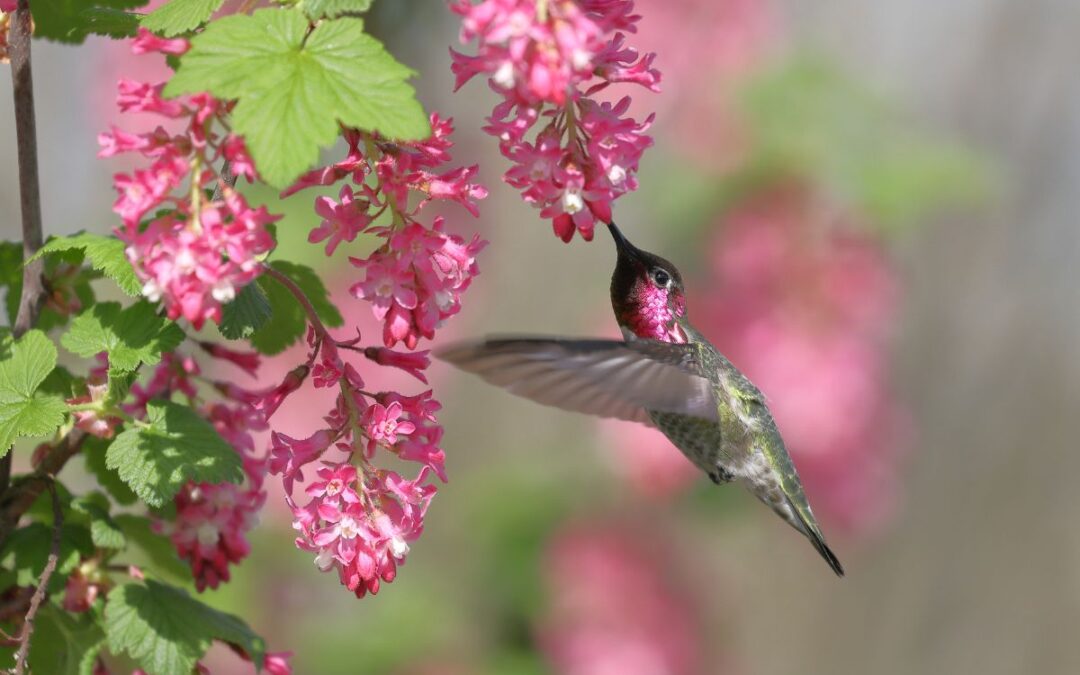
A well-designed landscape can be a haven for birds, bees, butterflies, and other wildlife that call the Pacific Northwest home. At Seattle Sustainable Landscapes (SSL), we believe that every yard has the potential to be a wildlife-friendly landscape and contribute to local biodiversity while still being functional, stylish, and low-maintenance.
Whether you’re in a dense Seattle neighborhood or have a bit more space to work with, your landscape can help support healthy ecosystems. Here’s how.
Why Wildlife-Friendly Landscaping Matters
Urban and suburban development has fragmented natural habitats, making it harder for wildlife to find food, shelter, and safe passage. By transforming even small residential spaces into supportive environments, we can:
- Provide critical resources for pollinators and native species
- Reduce pesticide use and increase natural pest control
- Enhance plant pollination and overall garden health
- Connect our lives more closely with nature
Plus, nothing brings a landscape to life like the flutter of a hummingbird or the buzz of a bumblebee.
Key Elements of a Wildlife-Friendly Yard
1. Plant Native Species
Native plants are the backbone of any wildlife-supporting landscape. They provide the food, shelter, and lifecycle support that local insects and animals have evolved with.
- Red-flowering currant (Ribes sanguineum): Loved by hummingbirds
- Oregon grape (Mahonia): Evergreen cover and berries for birds
- Serviceberry (Amelanchier alnifolia): Early flowers and summer fruit
- Vine maple (Acer circinatum): Great for layering and cover
- Salal and huckleberry: Low-growing evergreen shelter and food.
2. Provide Year-Round Habitat
Design with multiple layers—groundcovers, shrubs, understory trees, and canopy—to support a diversity of species.
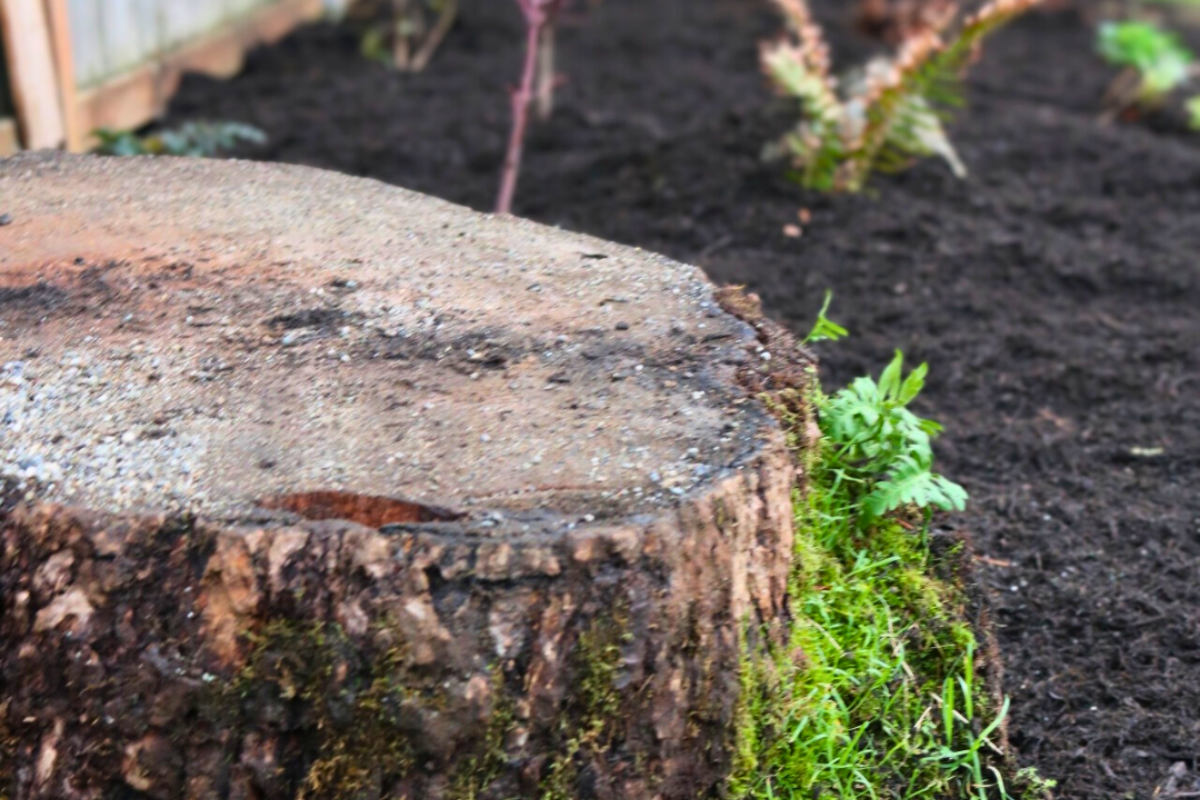
- Evergreens: Provide winter shelter
- Dead wood/logs: Safe homes for insects and small animals
- Leaf litter: Supports overwintering butterflies and ground beetles
3. Offer Water Sources
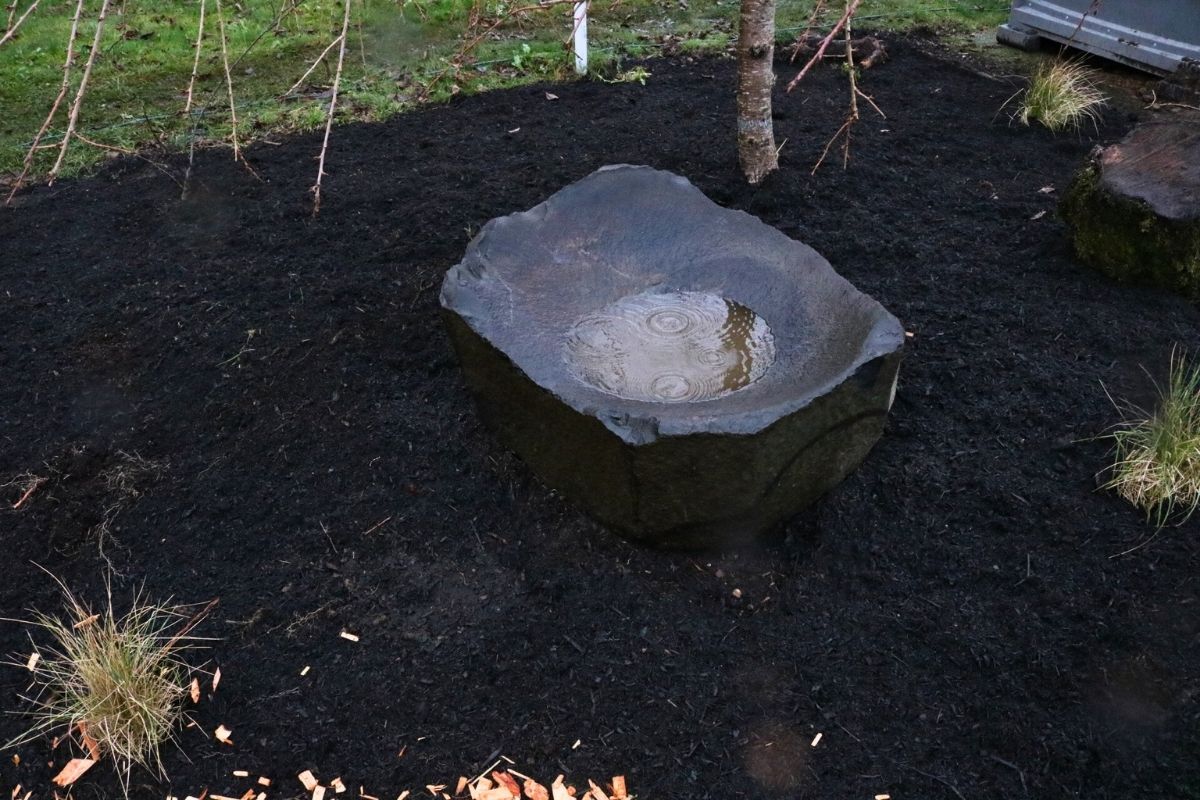
A simple birdbath or small pond can dramatically increase wildlife presence in your garden. Even shallow bowls with rocks for perching can help bees and birds during dry spells.
4. Avoid Pesticides and Chemicals
Wildlife-friendly yards are chemical-free zones. Many pesticides harm beneficial insects, disrupt pollinator behavior, or accumulate in the food chain. We recommend:
- Compost for fertility
- Mulch for weed control
- Companion planting for pest resistance
5. Support Pollinators
Bees, butterflies, and even beetles are essential to a healthy garden. Plant:
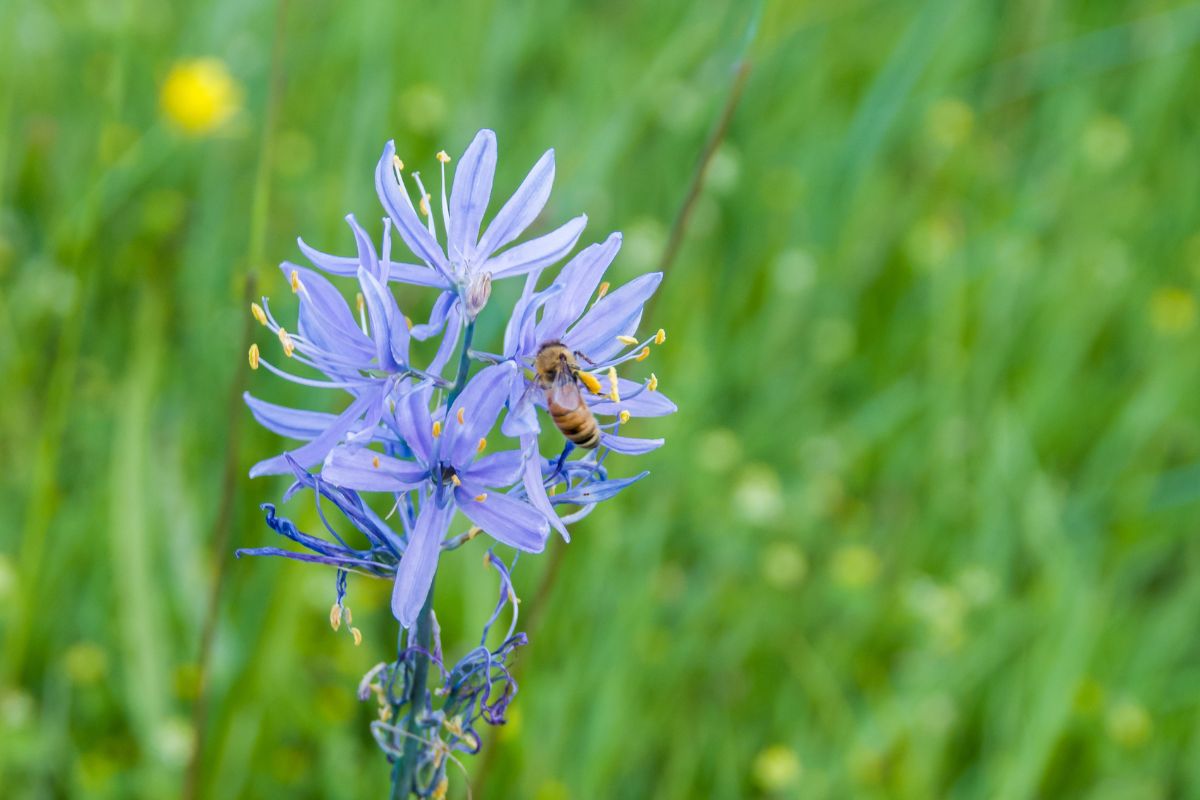
- Flowering natives like yarrow, camas, and goldenrod
- Succession bloomers from early spring to late fall
- Clusters of the same plant for easier pollinator foraging
For more information about pollinator conservation, you can visit the Xerces Society – Pollinator Conservation website.
Tips for Urban Wildlife Landscaping in Seattle
- Use hedgerows or mixed shrub borders to create travel corridors
- Include nest boxes or bee hotels for added shelter
- Leave some areas “wild”—a corner of your yard with minimal cleanup can provide important habitat
- Designate a “pollinator patch” as a vibrant, flower-rich zone
SSL’s Wildlife-Conscious Design Philosophy
We incorporate wildlife habitat into residential design in ways that feel natural and seamless. Whether we’re designing a backyard retreat or a front garden, we:
- Use mostly native or adapted plants
- Integrate water-wise and wildlife-friendly features
- Design for aesthetics and ecology
We’ve worked with homeowners across Seattle—from Magnolia to Rainier Valley—to build landscapes that welcome nature without sacrificing beauty or usability.
Q&A: Wildlife-friendly landscaping in Seattle
What plants attract wildlife in Seattle?
Native plants like red-flowering currant, vine maple, salal, serviceberry, and Oregon grape attract birds, bees, and butterflies.
What is wildlife-friendly landscaping?
Wildlife-friendly landscaping uses native plants, natural habitats, and chemical-free practices to support birds, pollinators, and local ecosystems.
How can I attract pollinators to my yard?
Plant flowering natives with staggered bloom times, group similar plants together, avoid pesticides, and provide shallow water sources.
Can small urban yards support wildlife?
Yes. Even small Seattle yards can support wildlife through native plants, pollinator patches, water sources, and layered plantings.
Final Thoughts
Supporting local wildlife starts at home. A yard filled with native plants, pollinator support, and safe shelter becomes part of a bigger ecological story—one that benefits your family, your garden, and your community.
Ready to turn your yard into a thriving habitat? 👉 Contact us to design your wildlife-friendly landscape.
Seattle Sustainable Landscapes designs beautiful, low-maintenance landscapes that support local wildlife and biodiversity.