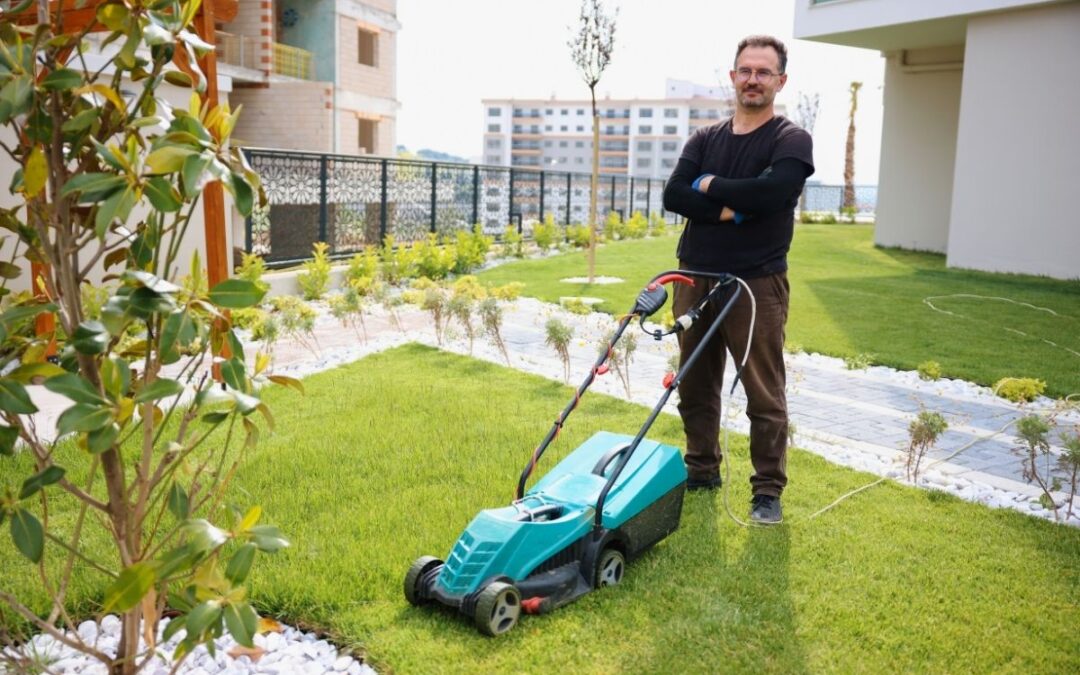
Why the Shift to Electric Landscaping Equipment Matters
Switching from gas to electric landscaping equipment isn’t just about buying new tools—it’s a cultural and logistical shift. At Seattle Sustainable Landscapes (SSL), we’re actively working toward this transition, but getting there takes more than the right equipment—it takes support from the communities we serve.
The truth is, homeowners play a huge role in helping companies like SSL make this transition possible, practical, and sustainable.
Here’s how you can help.
1. Make Outlets Available for On-Site Charging
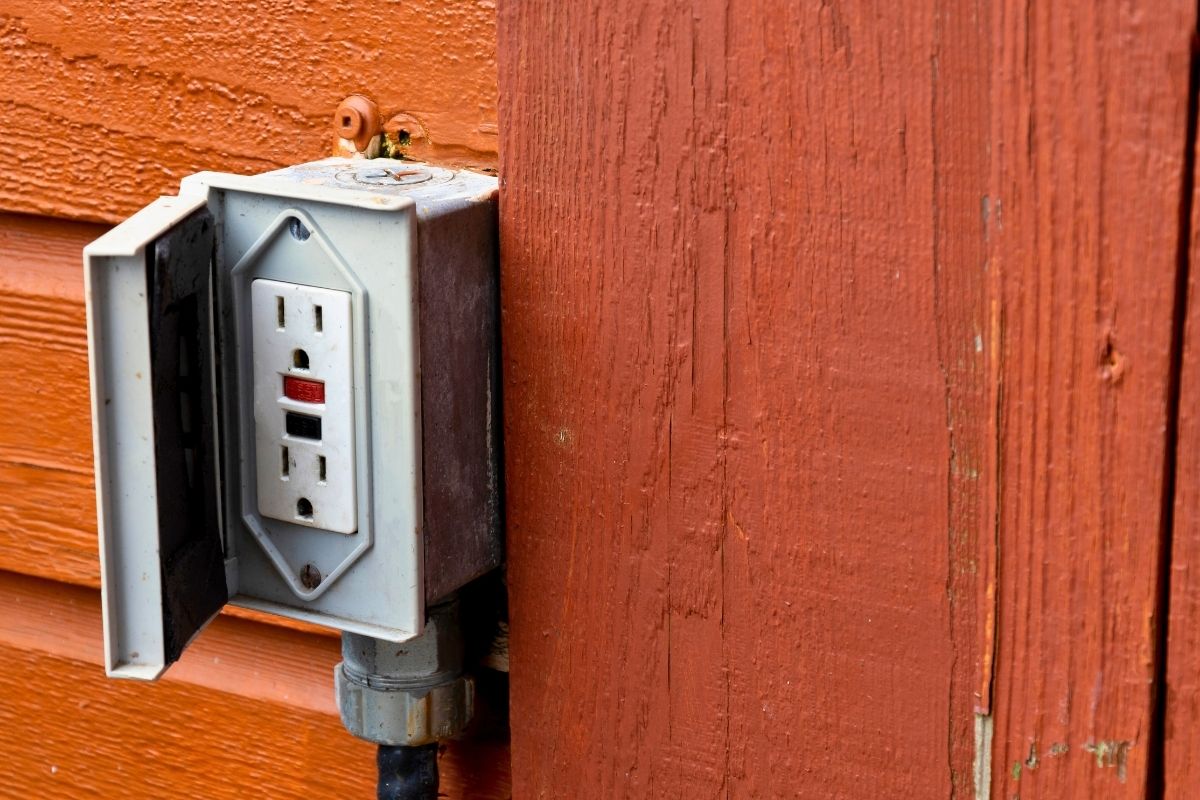
While most battery-powered crews do the bulk of their charging back at the shop or via truck-based systems, having access to a well-placed exterior outlet can make a big difference during longer visits.
If you're comfortable, letting your landscaper plug in can:
- Extend battery runtime for larger jobs
- Reduce unnecessary trips for charging
- Help accelerate the shift to electric maintenance
We always ask first—but this small gesture can make a big operational impact.
2. Be Patient as the Industry Evolves
Battery-powered landscaping equipment has come a long way, but it's still evolving. Even the best tools on the market today may:
- Take longer to complete heavy-duty tasks (like wet leaf removal)
- Require more frequent recharging or equipment swaps
- Operate slightly differently than their gas counterparts
If you notice crews taking more time or using quieter tools that seem less aggressive, chances are they’re making an effort to go electric. A little patience goes a long way during this shift.
3. Rethink Fall Leaf Expectations
Leaf season is the most challenging time for battery-powered blowers. Wet leaves, steep driveways, and dense plantings can push even top-tier electric equipment to its limits.
Here’s how you can help:
- Consider using leaves as mulch in garden beds rather than removing everything
- Adjust cleanup frequency (every other week instead of weekly)
- Budget for more labor-intensive visits if full removal is still preferred
These small changes align beautifully with natural yard care and allow battery-powered service to succeed without compromising quality.

4. Share Your Support
If you're someone who values quiet service, clean air, or sustainable practices, let your landscaping company know! Positive client feedback helps companies:
- Justify investing in battery systems
- Build internal support among staff and crews
- Stay committed during the inevitable bumps in the transition
It might be a simple “thanks for keeping things quiet today,” but it can make a huge difference.
5. Understand That Electric Service May Cost More (At First)
Commercial-grade electric equipment isn’t cheap. Battery blowers, mowers, and chargers are often 2–3x more expensive than gas counterparts, and managing them takes additional planning and training.
As companies transition, service prices may reflect these new investments—especially during the early phases. Supporting this change helps fuel innovation, improve work conditions for crews, and reduce environmental impact.
6. Spread the Word
You can help shape industry standards by:
- Requesting battery-powered service when you hire a landscaper
- Asking your HOA or condo board to prioritize quieter maintenance options
- Referring companies like SSL that are committed to sustainability
Client demand is one of the most powerful forces in moving the industry forward.
Final Thoughts
Battery-powered landscaping is gaining momentum, but the transition takes time, training, and trust. If you’re a homeowner who cares about clean air, quieter mornings, and a more sustainable city, your support helps accelerate this shift.
Whether it’s letting us charge onsite, embracing mulched leaves, or simply cheering us on, your role is essential in this evolution.
At SSL, we’re working hard to build a battery-powered future. With your help, we’ll get there even faster.
QA Resume
What is electric landscaping?
Electric landscaping uses battery-powered tools instead of gas-powered equipment to reduce emissions, noise, and environmental impact.
Why is it hard for landscaping companies to go electric?
Electric equipment is more expensive upfront and requires new workflows for charging, training, and job scheduling.
Is battery-powered landscaping quieter than gas?
Significantly. Electric tools reduce noise pollution, making them ideal for dense neighborhoods and early-morning service.
Does electric landscaping cost more?
Initially, yes. Costs may be higher as companies invest in equipment, but long-term benefits include cleaner air and better working conditions.
Want to support a cleaner, quieter approach to landscaping?
Choose a landscaping company that’s committed to sustainability and innovation. At Seattle Sustainable Landscapes, we’re investing in electric tools—and partnering with homeowners to make the transition successful.