
Many Seattle homeowners notice the same pattern over time. A lawn that once looked full and green gradually becomes thinner. Bare spots appear. Moss starts filling gaps. Even with fertilization, the turf never quite regains its density.
In many cases, the solution is not stronger fertilizer or more watering. The lawn simply needs more grass.
Overseeding is one of the most effective ways to restore lawn density in the Pacific Northwest. When done at the right time and paired with proper soil preparation, it can significantly improve the health, resilience, and appearance of a lawn.
What Overseeding Means
Overseeding is the process of spreading new grass seed directly into an existing lawn without removing the current turf. Rather than replacing the lawn entirely, overseeding reinforces it.
The goal is to gradually increase turf density so that grass fills in thin areas and competes more effectively against weeds and moss. A denser lawn also creates a more uniform appearance and stronger root structure.
Overseeding is not a full renovation. Instead, it strengthens the lawn that is already in place.
Why Lawns Become Thin in Seattle
Thin lawns are extremely common in Seattle because of the region’s environmental conditions. The area’s glacial soils tend to compact easily, which limits root development and oxygen flow. Long wet winters also create favorable conditions for moss, while dry summers can stress turf that lacks deep roots.
Shade from mature trees is another factor. Many residential neighborhoods in Seattle have dense canopy coverage that reduces the amount of sunlight reaching the lawn. Over time, this slows turf growth and creates gaps in the lawn canopy.
Foot traffic can also contribute to thinning. Areas used frequently by pets, children, or daily walking paths tend to wear down faster than surrounding turf. Even mowing schedules can influence density. During peak growth, biweekly mowing may allow turf to grow too tall before cutting, which can stress the lawn.
Because of these combined pressures, even well-maintained lawns gradually lose density without periodic reinforcement.
Why Lawn Density Matters
A dense lawn is naturally more resilient. When grass grows closely together, it shades the soil surface and limits the space where weeds and moss can establish themselves.
Thicker turf also retains moisture more effectively and develops stronger root systems beneath the surface. This allows the lawn to better tolerate both heavy rainfall and summer drought stress.
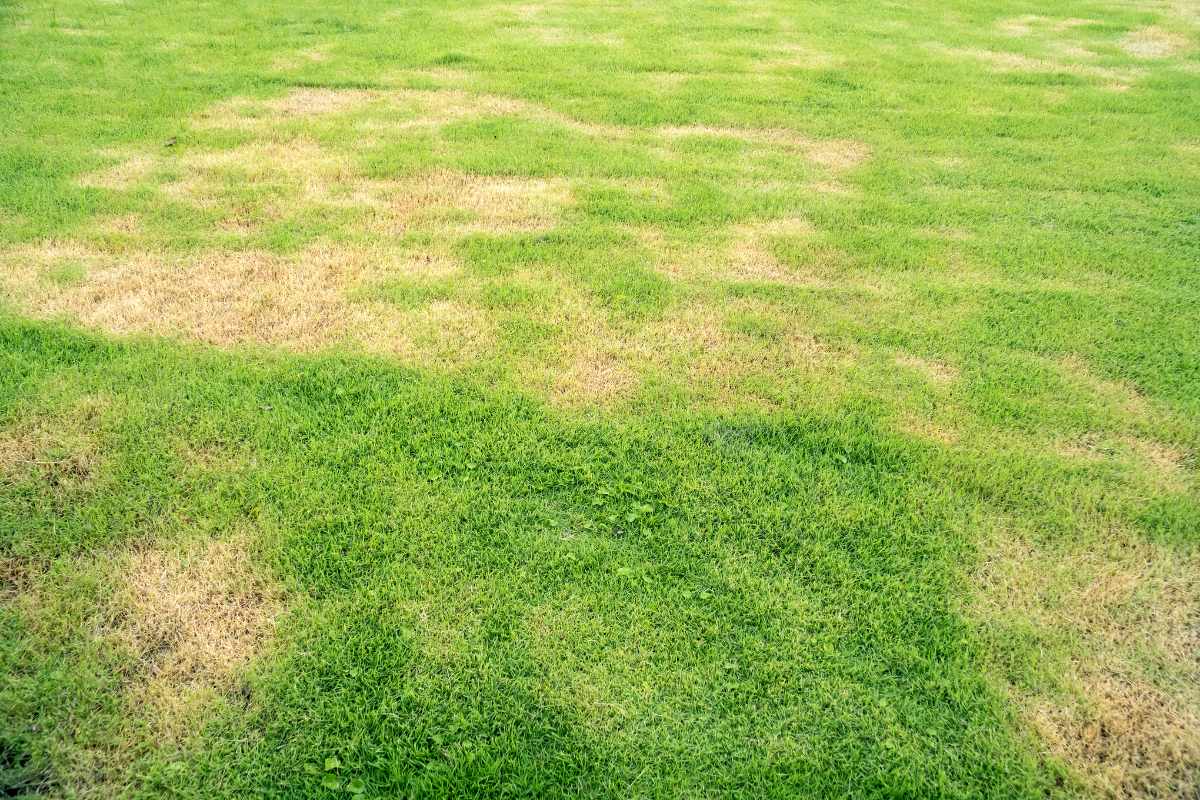
In contrast, thin turf creates open areas of exposed soil. Those gaps invite moss, weeds, and erosion. Increasing density through overseeding helps the lawn defend itself naturally.
When to Overseed a Lawn in Seattle
Timing plays a critical role in overseeding success. In the Seattle region, the most effective window for overseeding is early fall.
During September and October, soil temperatures remain warm while air temperatures begin to cool. Rainfall becomes more consistent, which helps maintain the moisture needed for seed germination. Weed pressure is also lower during this period, giving new grass seedlings a better chance to establish.
Spring overseeding can also work in the Pacific Northwest, typically between April and May. However, spring comes with more weed competition and a higher risk of drought stress once summer arrives. For most Seattle lawns, fall overseeding produces stronger long-term results.
Why Aeration Improves Overseeding Success
Overseeding works best when paired with core aeration. Aeration removes small plugs of soil from the lawn, creating openings that relieve compaction and improve air circulation beneath the surface.
These openings also create ideal seed-to-soil contact. Grass seed needs contact with soil in order to germinate properly. Without that contact, seeds may dry out or fail to establish.
In Seattle’s compacted soils, aeration significantly increases the success rate of overseeding.

Watering After Overseeding
New grass seed requires consistent moisture while it germinates. Light and frequent watering helps prevent the seed from drying out before roots can establish.
Even in the fall, natural rainfall may not always provide enough moisture at the soil surface. Supplemental irrigation is often necessary during the first few weeks after overseeding.
Once seedlings begin establishing roots, watering can gradually transition to deeper and less frequent irrigation.
Choosing the Right Grass Seed for Seattle
Cool-season grasses perform best in the Pacific Northwest climate. Several grass varieties are commonly used for overseeding in Seattle lawns.
Perennial ryegrass germinates quickly and provides strong color. Fine fescues perform well in shaded areas and require less water. Turf-type tall fescue varieties develop deeper roots and offer improved drought tolerance.
The best seed blend depends on the conditions of the specific lawn. Sun exposure, irrigation availability, soil health, and foot traffic all influence which grasses will perform best.
What Homeowners Notice After Overseeding
Overseeding improves lawns gradually rather than instantly. During the first season, homeowners often notice that thin areas begin filling in as new seedlings emerge.
By the second season, the lawn typically appears noticeably thicker and more uniform. Moss pressure often decreases as turf density improves.
After several seasons of consistent overseeding and soil care, the lawn usually becomes much more resilient, with fewer bare spots and reduced weed pressure.

When Overseeding May Not Be Enough
Some lawns have deeper structural problems that overseeding alone cannot solve. If more than half of the lawn is weeds or moss, or if the soil is severely compacted or poorly drained, a full lawn renovation may be necessary.
Similarly, lawns built on heavily disturbed construction soil may require more extensive soil restoration before turf can thrive.
However, many Seattle lawns can avoid full renovation through consistent overseeding combined with aeration and soil improvement.
Final Thoughts
If your lawn feels thin year after year, the problem may simply be declining turf density. Fertilization alone cannot replace missing grass plants.
In Seattle landscapes, fall overseeding paired with aeration is one of the most effective ways to strengthen a lawn. Over time, increasing turf density improves resilience, reduces moss pressure, and creates a healthier outdoor space.
A thick lawn is not just about appearance. It is a foundation for long-term lawn health.
Send your consultation so our team at Seattle Sustainable Landscapes can evaluate your lawn conditions and recommend an overseeding plan suited to your property and goals.