
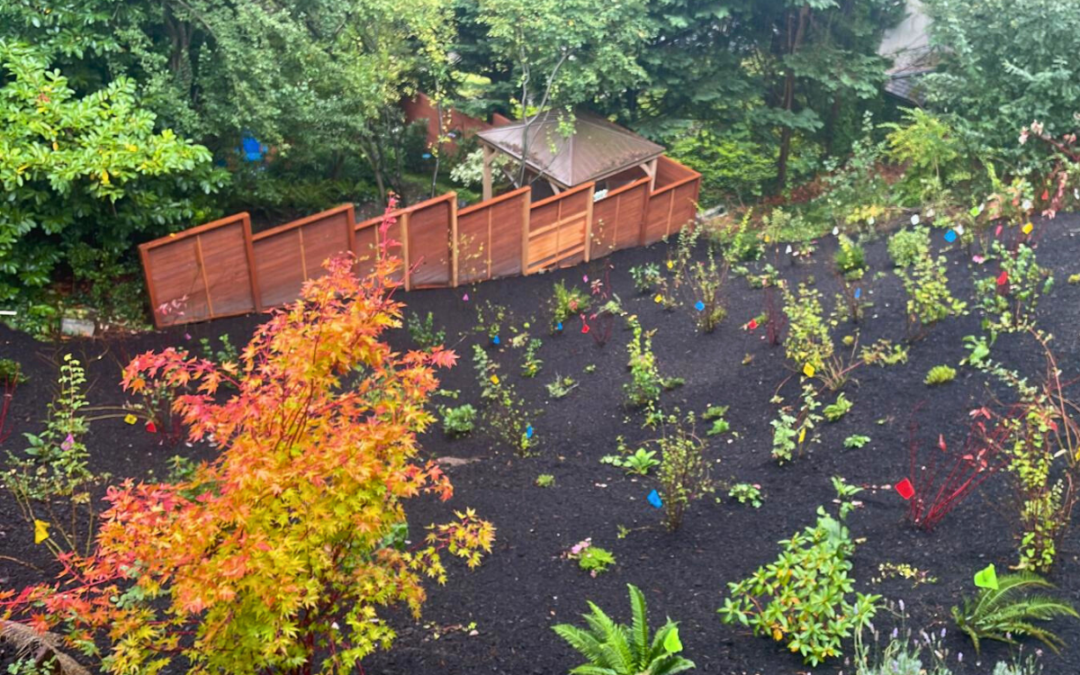
When it comes to building a beautiful and sustainable landscape, native plants are more than just a trend—they’re a core ecological solution. At Seattle Sustainable Landscapes (SSL), we prioritize the use of native plants because they not only thrive in our local climate, but also support the environment in powerful ways.
Whether you live in the heart of the city or along the forested edges of Seattle, integrating native plants into your yard design can have a lasting positive impact.
What Are Native Plants?
Native plants are species that have evolved over thousands of years in a specific region—in this case, the Pacific Northwest—without human introduction. These plants are adapted to local soils, climate, and ecosystems.
Examples of native Pacific Northwest plants include:
- Vine maple (Acer circinatum)
- Red-flowering currant (Ribes sanguineum)
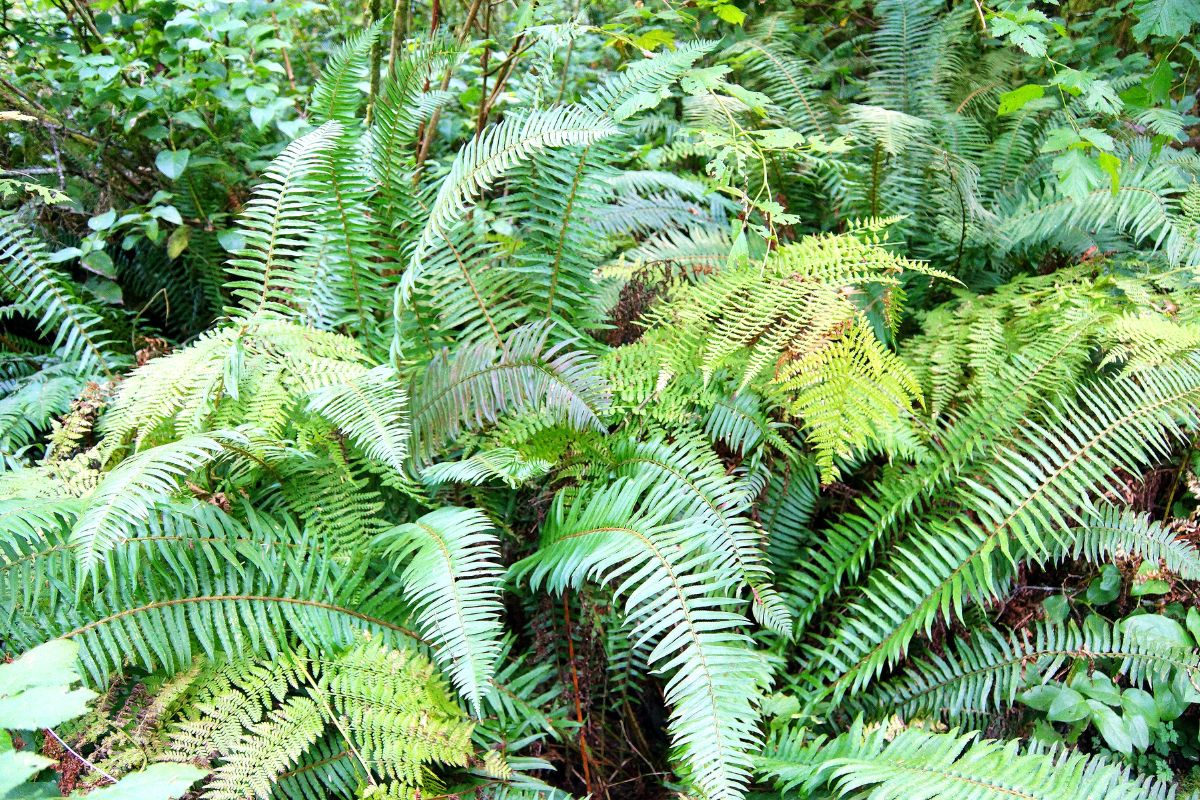
- Sword fern (Polystichum munitum)
- Oregon grape (Mahonia aquifolium)
- Western trillium (Trillium ovatum)
Key Environmental Benefits
1. Water Conservation
Native plants are naturally adapted to Seattle’s wet winters and dry summers. Once established, they require far less supplemental irrigation than non-native ornamentals—reducing your water usage and helping preserve regional water supplies.
2. Improved Soil Health
Deep, fibrous root systems of native plants help:
- Prevent erosion
- Improve soil structure
- Increase water infiltration
- Reduce runoff
These root systems also support soil microbiomes and nutrient cycling, which is critical to long-term landscape health.
3. Habitat for Wildlife
Native plants provide food, shelter, and nesting grounds for:
- Birds (like chickadees and hummingbirds)
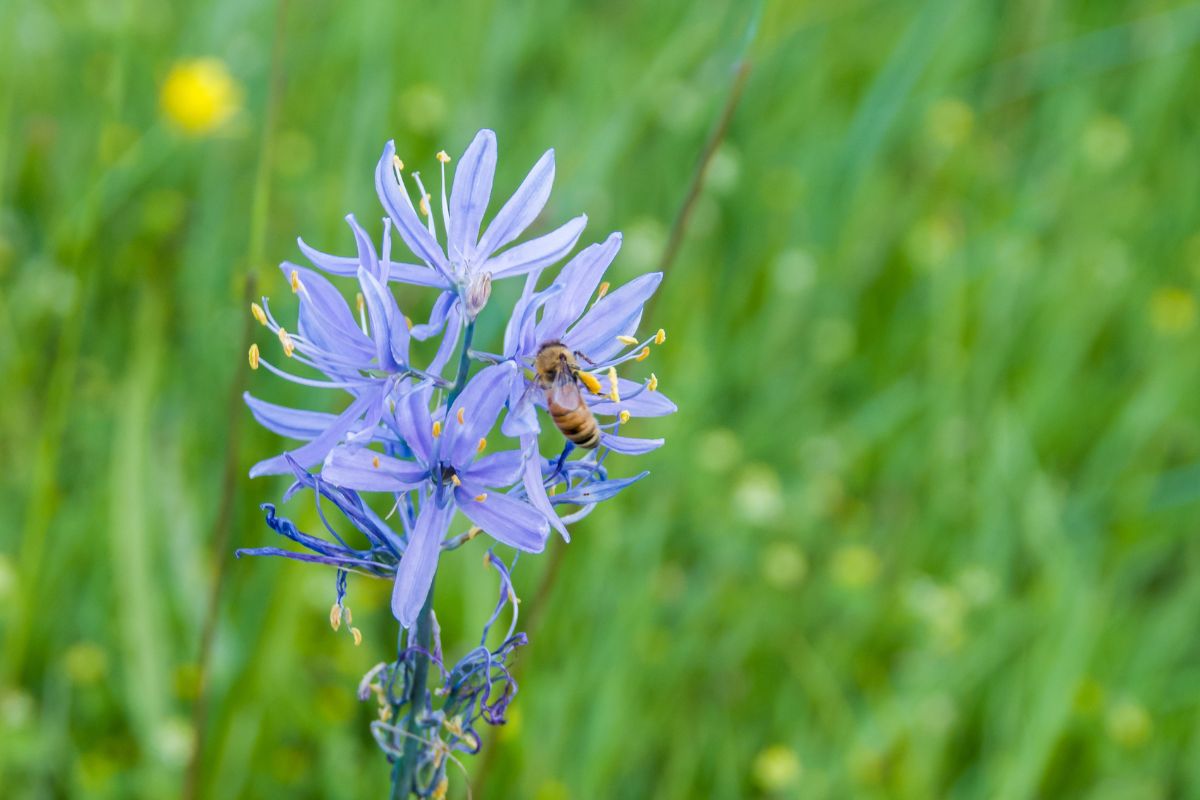
- Pollinators (bees, butterflies, beetles)
- Beneficial insects
These plants often support more species than their non-native counterparts. For example, oak trees can support hundreds of insect species, which in turn feed birds and other animals.
4. Reduced Chemical Use
Because native plants are adapted to local conditions, they typically require fewer pesticides, fertilizers, and soil amendments. This:
- Lowers maintenance costs
- Reduces runoff pollution
- Supports a healthier garden ecosystem
5. Climate Resilience
Native plants are better equipped to handle climate variability, including:
- Drought
- Seasonal flooding
- Local pests and diseases
By planting with resilience in mind, your landscape is more likely to remain vibrant and functional for years to come.
Additional Sustainability Perks
- Carbon Sequestration: Native trees and shrubs store carbon over their lifespans.
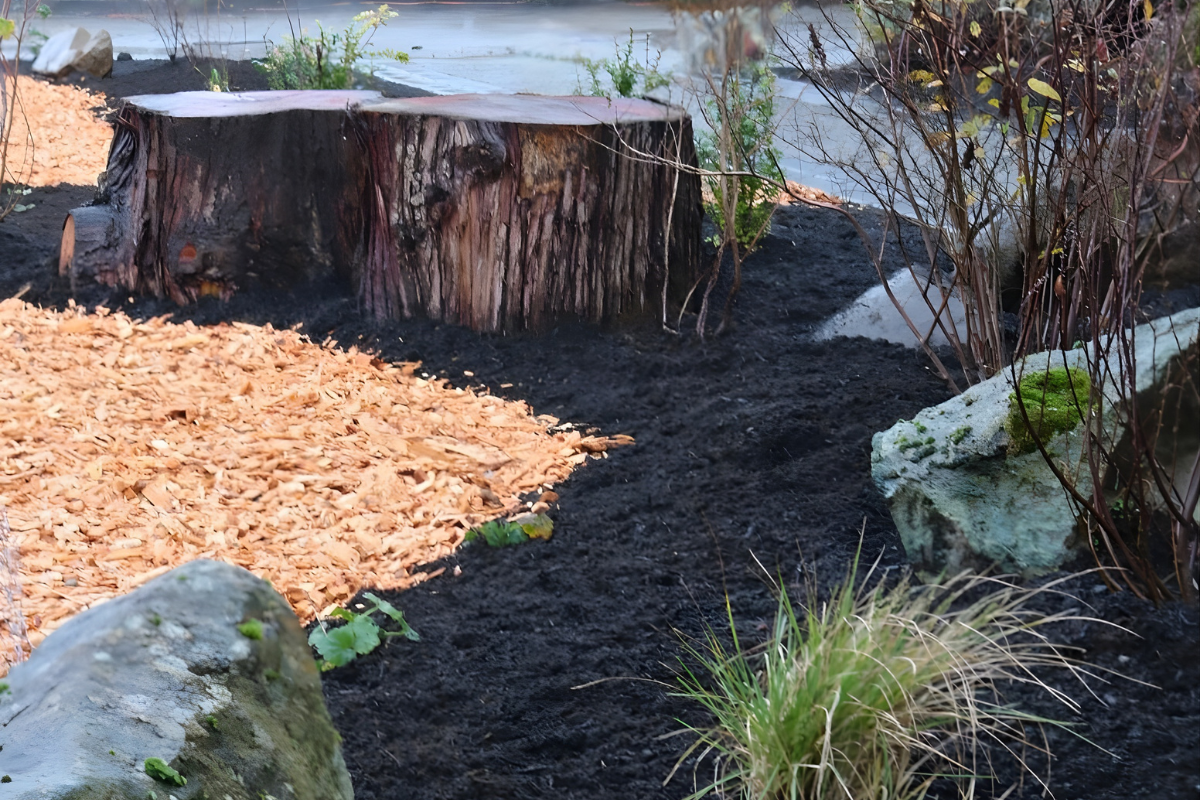
- Pollution Filtration: Rain gardens and planted buffers help filter pollutants before they enter waterways.
- Biodiversity Protection: Supporting native flora helps preserve local genetic diversity.
SSL’s Commitment to Native Plant Design
At SSL, we don’t just sprinkle native plants into a design—we use them as foundational elements. Whether we’re building a rain garden in Ballard or a backyard pollinator haven in Beacon Hill, native plants help us:
- Achieve sustainability goals
- Comply with local codes and rainwater regulations
- Create low-maintenance, high-impact landscapes
We blend native species with select non-invasive ornamentals to ensure aesthetic appeal while maximizing environmental value.
Final Thoughts: Designing Landscapes That Give Back
If you’re looking to reduce your environmental footprint while enhancing the beauty and resilience of your landscape, native plants are the way forward. At SSL, we design spaces that give back to the earth while giving you a yard you’ll love.