
Lawn Alternatives in Seattle
For decades, turfgrass has been the default groundcover in residential landscapes. But in Seattle, where sustainability, regional ecology, and intentional design matter, many homeowners are asking: “Are there lawn alternatives to the traditional lawn?”
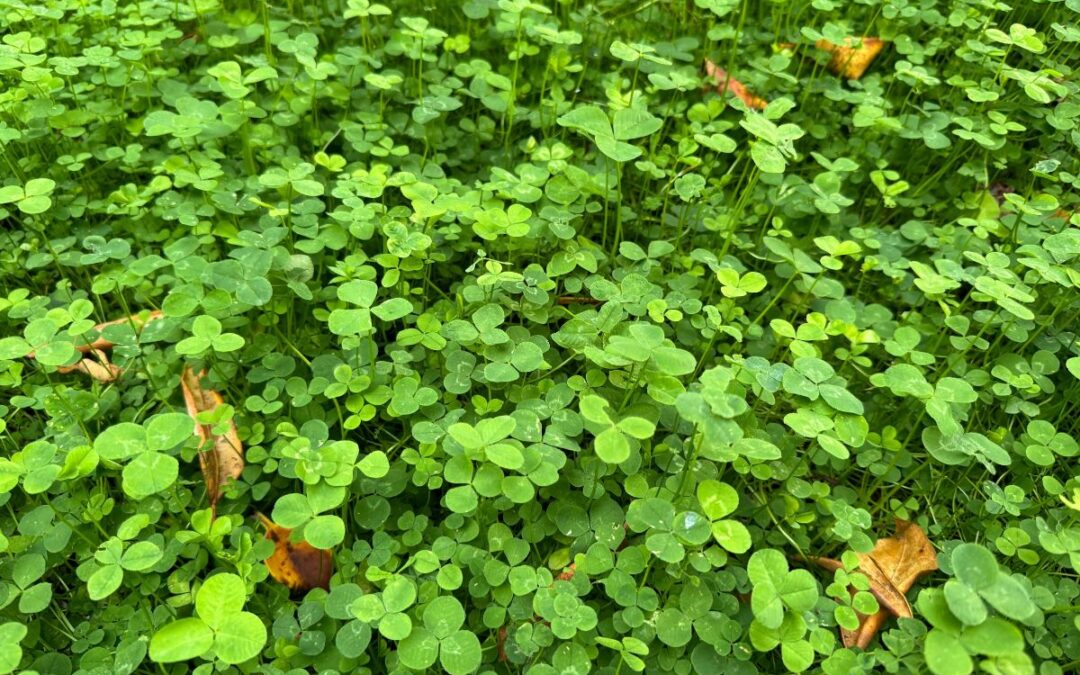
Lawn alternatives are groundcover systems, used as substitutes for struggling grass. They are designed to reduce mowing, irrigation, and fertilizer needs while improving soil health and ecological value. In Seattle, fine fescue, clover, and flowering lawn blends are popular alternatives to traditional turfgrass.
Why Seattle Homeowners Are Moving Beyond Traditional Turf
Conventional turfgrass typically requires hard maintenance work:
- weekly mowing in peak season,
- regular fertilization,
- annual aeration,
- irrigation through dry months, and
- ongoing moss weed management.
For active recreation spaces, that investment may make sense. But for many front yards, side yards, and visual areas, homeowners are discovering they can achieve beauty with far less input.
That’s where lawn alternatives shine.
Types of Lawn Alternatives That Work Well in the Pacific Northwest
A Pacific Northwest Leader: PT Lawn Seed
One of the most respected regional companies developing lawn alternatives is PT Lawn Seed, based in Portland, Oregon. Their blends are specifically designed for the Pacific Northwest’s climate.
Rather than offering one generic “low-maintenance” mix, they provide a wide range of regionally adapted options, including:
Eco-Lawn & Fine Fescue Blends
These blended preparations grow more slowly than conventional options, but require lower nitrogen dosages, reduce mowing frequency, and are stronger for PNW conditions.
Clover & Grass Mixes
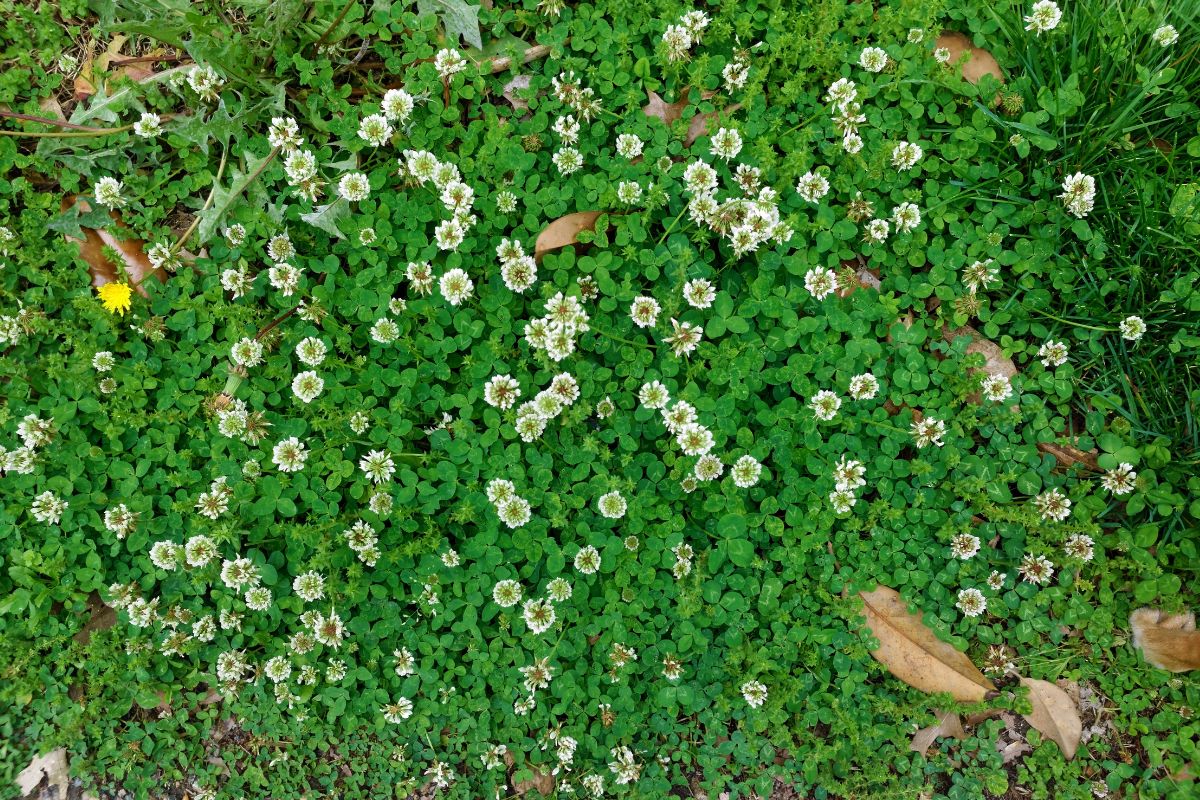
Microclover supports pollinators, offers longer green seasons, and fixes nitrogen naturally, improving the soil’s health.
Flowering Lawn Blends
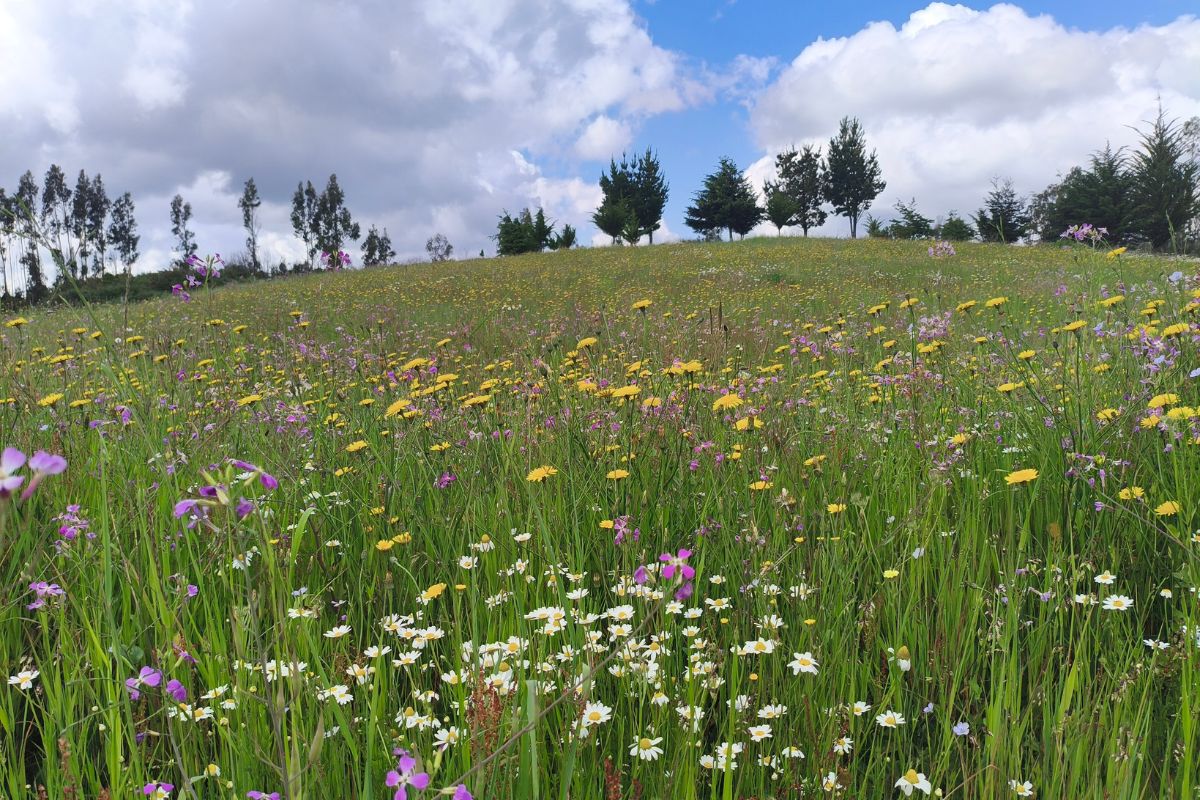
Fine grasses combined with low-growing flowering species that offer subtle seasonal blooms. They increase biodiversity and give you a softer, meadow-like aesthetic.
Native & Low-Grow Grass Systems
These are regionally adapted grasses designed for reduced irrigation and minimal fertilization needs. These are not “weedy meadows.” They are intentionally designed plant systems that balance beauty, function, and sustainability.
The Sustainability Benefits of Lawn Alternatives
In the Puget Sound watershed, reducing runoff and chemical inputs matters. Lawn alternatives can:
✔ Reduce fertilizer dependency
✔ Lower irrigation needs
✔ Improve soil organic matter
✔ Increase rainwater absorption
✔ Support pollinators and beneficial insects
✔ Reduce carbon emissions from frequent mowing
Fine fescues and clover blends, in particular, require significantly less nitrogen than traditional high-input turf species.
That means fewer applications — and less long-term soil stress.
Aesthetic Advantages: Texture, Movement, and Seasonality
Traditional turf offers uniformity. Lawn alternatives offer character.
Depending on the blend, you may see:
- Subtle white clover blooms in spring
- Seasonal flowering cycles
- Softer leaf textures
- Gentle variation in color
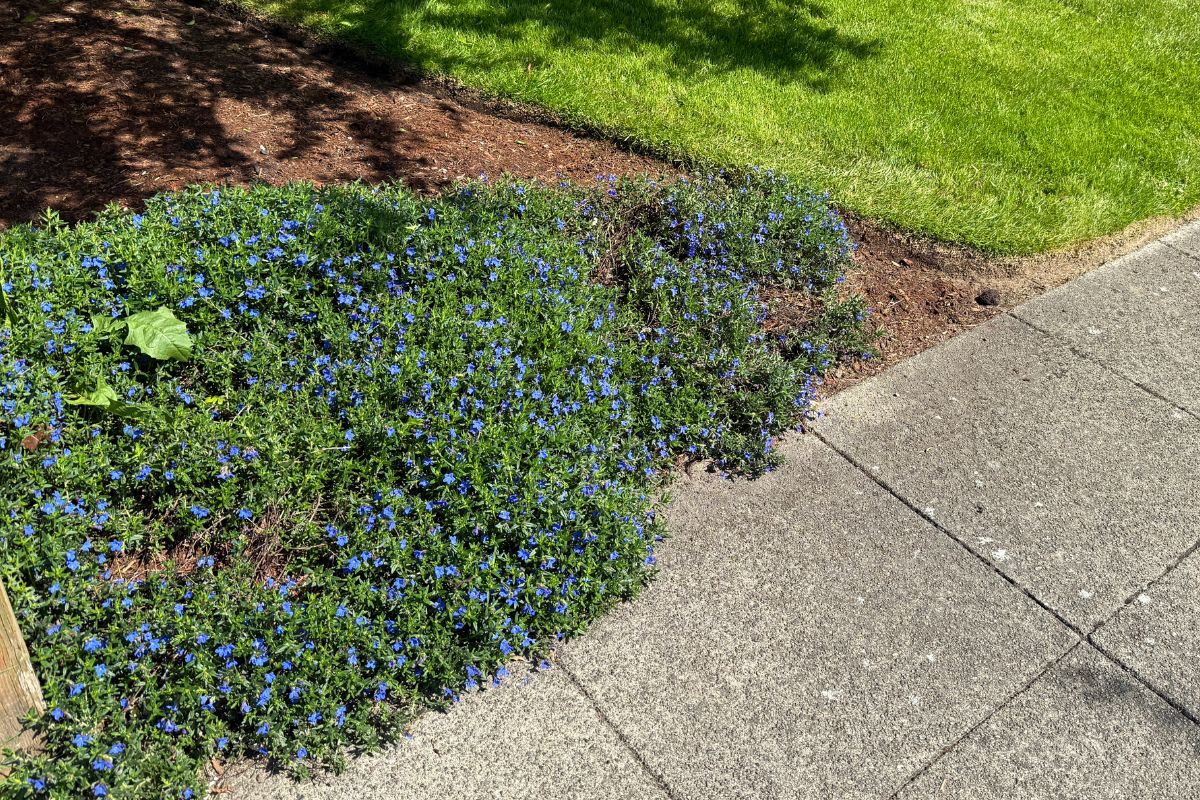
- More natural integration with planting beds
In Seattle’s tree-lined neighborhoods and Northwest-modern architecture, these softer lawn alternatives often feel more regionally appropriate than a bright, high-maintenance green carpet.
They create landscapes that feel intentional — not default.
How Much Maintenance Do Lawn Alternatives Really Require?
Compared to traditional turf maintenance, lawn alternatives are easy peasy. Instead of a weekly mow, they require 1 to 3 mowings per year, minimal fertilization, and reduced irrigation.
That translates into lower long-term cost, fewer corrective interventions, and less soil compaction.
It’s maintenance — just smarter maintenance.
When Lawn Alternatives Make the Most Sense
They are especially well-suited for:
- Primarily aesthetic spaces
- Large front yards where weekly mowing feels excessive
- Sustainability-focused homeowners
- Landscapes transitioning toward native planting
- Properties seeking lower input and lower carbon footprint
Rather than asking “How do we maintain this lawn?”
The better question becomes: “What plant system fits this space best?”
Design Considerations: Shade, Mud, and Site Conditions
It is worth considering that in deeply shaded or chronically muddy areas, even lawn alternatives may struggle.
In those cases, the solution often includes a different design approach, such as native woodland planting, groundcovers suited to deep shade, pathways, or permeable patios.
Hybrid Landscapes: Combining Lawn and Alternatives
Many Seattle properties benefit from combining elements:
- Turf for play areas
- Eco-lawn blends in lower-use zones
- Native planting in shaded edges
- Defined pathways where traffic concentrates
This creates:
✔ Functional space
✔ Ecological diversity
✔ Lower maintenance pressure
✔ A more interesting visual landscape
It’s not about eliminating lawn.
It’s about evolving it.
Final Thoughts: Rethinking Groundcover in Seattle Landscapes
Lawn alternatives are often a more sustainable, regionally appropriate, and visually dynamic choice for Seattle landscapes.
With thoughtfully designed blends like those from PT Lawn Seed, homeowners can enjoy:
- Reduced mowing
- Fewer chemical inputs
- Improved soil health
- Subtle seasonal beauty
- A landscape that fits the Pacific Northwest
Curious whether a lawn alternative is right for your yard?
We help Seattle homeowners choose groundcover systems that fit their site, lifestyle, and long-term goals. Contact us to explore what works best for your landscape.