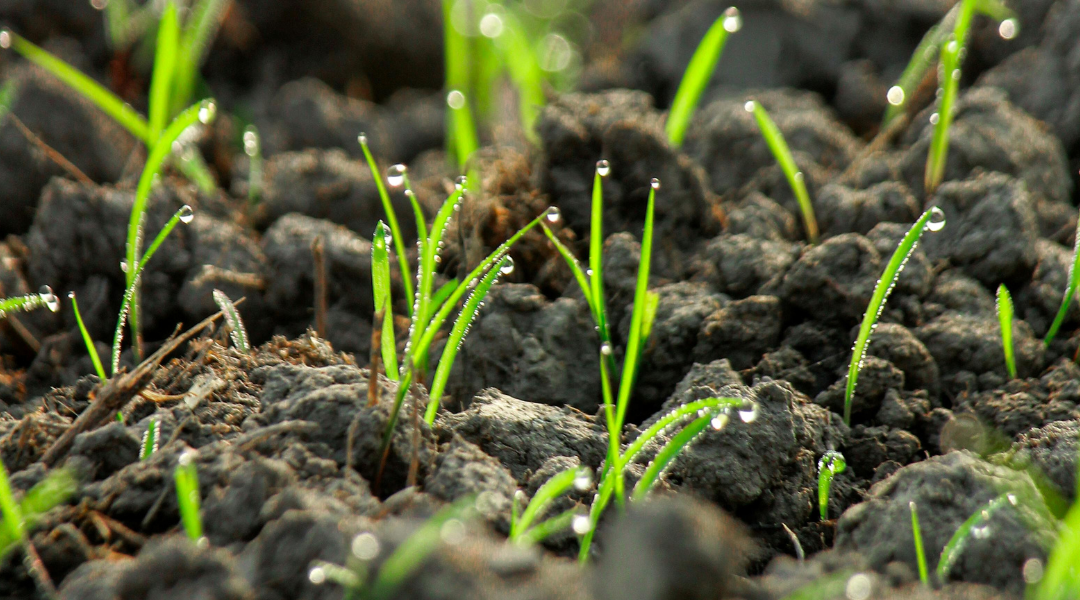
Healthy landscapes begin below the surface. In Seattle gardens, soil moisture, seasonal changes, and the organisms living underground all play a role in keeping plants healthy.
One way to support that balance is through beneficial nematodes. These microscopic organisms help control certain soil-dwelling insect pests, including lawn grubs and root weevils. Nematodes offer a targeted approach to pest management that works with the natural processes already happening in your garden.
Fall is an especially useful time to consider nematode applications for certain lawn pests. Let's look at how they work, which pests they target, and how to apply them successfully in Seattle landscapes.
What Are Beneficial Nematodes?
Nematodes are microscopic roundworms found naturally in soil and other environments. While some species can damage plant roots, others help manage insect populations.
Beneficial nematodes, also called insect-parasitic or entomopathogenic nematodes, target specific insect pests during their larval stages. Species such as Steinernema carpocapsae and Heterorhabditis bacteriophora are commonly used in biological pest control.
Depending on the species, they can help manage lawn grubs, root weevils, cutworms, and other soil-dwelling insects.
Rather than applying a broad-spectrum treatment, beneficial nematodes work against particular pests while supporting a more targeted approach to garden care.
How Do Beneficial Nematodes Work?
Once introduced into moist soil, beneficial nematodes move through the small spaces between soil particles in search of suitable insect hosts.
When they find a susceptible pest, they enter its body through natural openings and release bacteria that are naturally associated with them. These bacteria kill the host, creating an environment where the nematodes can reproduce. New infective juveniles can then emerge and search for other suitable hosts.
The process takes place below the surface, where many common lawn and garden pests spend part of their life cycle.
Why Benefitial Nematodes Work Well in Seattle Landscapes
They Support a More Balanced Approach to Pest Management
Beneficial nematodes work alongside the biological activity already present in healthy soil. Instead of relying on conventional synthetic treatments, they offer another way to manage certain pest populations while supporting soil health.
They Target Specific Soil-Dwelling Pests
Different nematode species target different insects and life stages. When the right species is matched to the pest, nematodes can help reduce pest populations without relying on broad-spectrum insecticides.
They are generally considered a low-impact biological control option when selected and applied according to product directions.
They Fit Our Pacific Northwest Growing Conditions
Seattle's fall and winter rainfall can help maintain the soil moisture beneficial nematodes need to move and survive. This can make local conditions favorable for applications, provided soil temperatures are suitable and the targeted pests are active.
When to Apply Beneficial Nematodes in Seattle
Fall is one of the best times to apply beneficial nematodes for certain lawn grubs in the Seattle area.
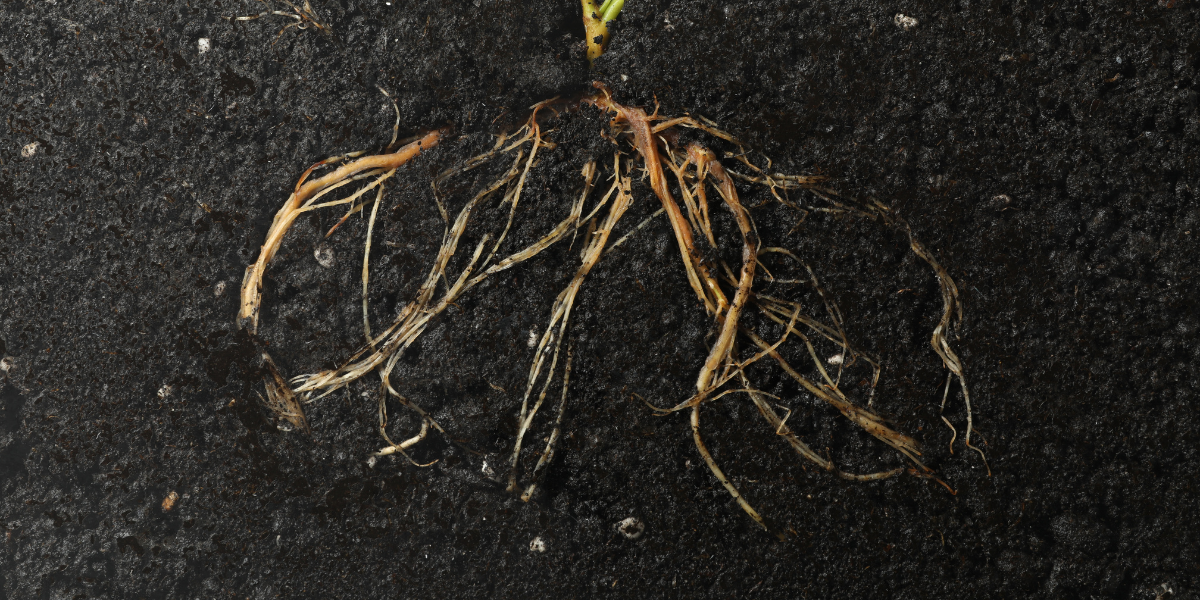
During late summer and early fall, many lawn grubs are still relatively young and actively feeding near the soil surface, where they consume grass roots. This makes them more accessible to certain nematode species, including Heterorhabditis bacteriophora.
Fall rainfall also helps maintain the moist soil conditions nematodes need to move through the ground and reach their hosts.
Other applications may be appropriate at different times of year, depending on the pest. For example, root weevil management may require a different application window and nematode species.
If you're considering a treatment, look for signs of an existing pest problem, such as:
-
Thinning or damaged lawn areas that may indicate grub activity.
-
Grass that lifts easily because its roots have been damaged.
-
Root feeding or damage around susceptible ornamental plants.
-
Recurring pest problems in areas of the landscape that have struggled in previous seasons.
Identifying the pest before applying nematodes is an important first step. Not every nematode works against every insect.
How to Apply Beneficial Nematodes Effectively
Like other living organisms, beneficial nematodes need the right conditions to survive and do their work. A few application details can make a meaningful difference.
- Choose the right species. Different nematodes target different pests. For example, Heterorhabditis bacteriophora is commonly used against certain lawn grubs, while Steinernema carpocapsae targets other insects, including cutworms and certain surface-active pests. Matching the species to the problem is essential.
- Apply when conditions are mild. Early morning or evening applications help limit exposure to direct sunlight and heat, which can harm nematodes. Soil temperature also matters, so follow the temperature range recommended for your specific product.
- Start with moist soil. Water the treatment area before application if the soil is dry. Moisture helps nematodes move through the soil and find their hosts.
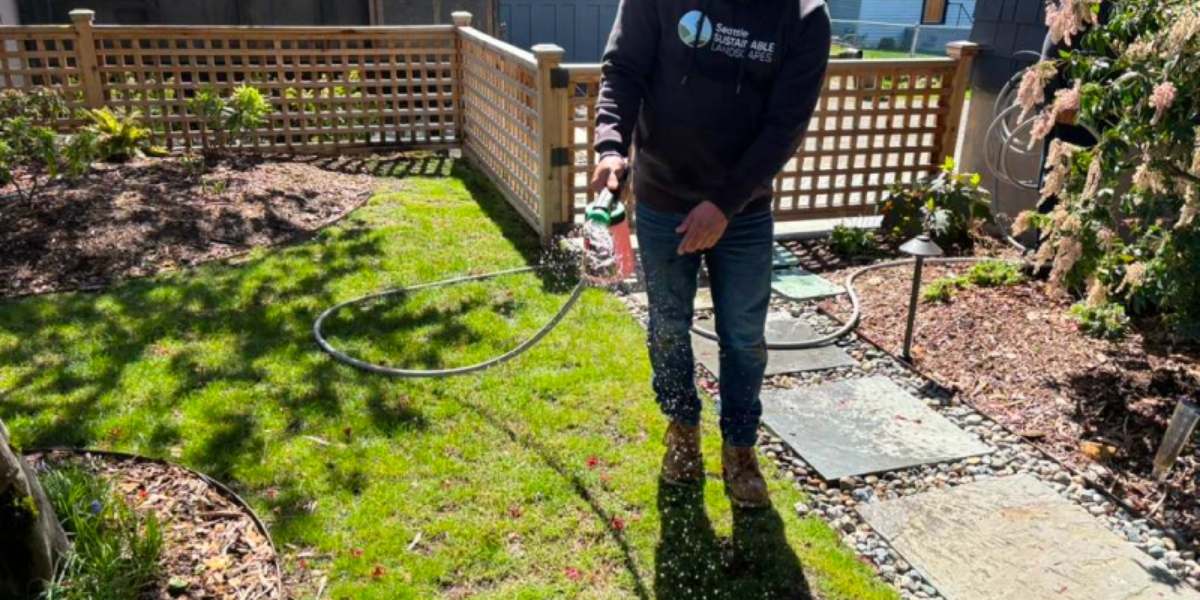
- Water after application. Irrigate according to the product instructions to help move nematodes into the soil. Keep the treated area consistently moist afterward, without saturating it.
- Follow the recommended application schedule. Some pest problems may benefit from repeated applications. Follow the manufacturer's directions and consider the pest's life cycle when planning follow-up treatments.
A More Connected Approach to Pest Management
Beneficial nematodes are one part of a broader approach to landscape care that considers soil, water, plants, and the organisms that depend on them.
They aren't a quick fix for every pest problem. Their effectiveness depends on identifying the right target, choosing the appropriate species, and applying them under suitable conditions.
At Seattle Sustainable Landscapes, we incorporate practices like these into our ongoing yard care, looking at the landscape as a connected system that changes throughout the seasons.
Supporting Your Landscape, Below the Surface
Healthy soil provides the foundation for everything growing above it. When we pay attention to what's happening underground, we can make more thoughtful decisions about watering, plant care, and pest management.
If you're exploring natural pest control in Seattle or wondering whether beneficial nematodes are right for your lawn or garden, get in touch with our team. We'd be happy to talk about an approach that fits your landscape.