Tag: Sustainability

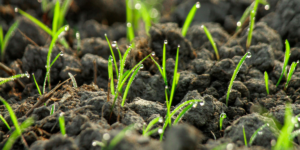
Beneficial Nematodes: Natural Pest Control for Seattle Gardens
Beneficial nematodes offer a natural way to control soil pests in Seattle landscapes. Working below the surface, they support healthier soil and more balanced gardens over time.
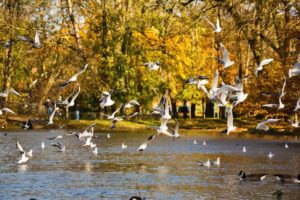
5 Things You Can Do To Support Birds This Fall in Seattle
Discover simple ways to support local birds in your Seattle yard this fall. From native berry shrubs to birdbaths and fall care tips.
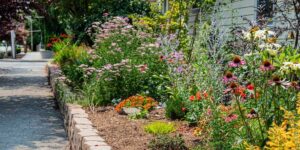
What Does Year-Round Landscape Maintenance Look Like on Mercer Island?
Year-round landscape maintenance helps Mercer Island gardens respond to changing seasons, from spring growth and summer watering to fall cleanup and winter preparation.
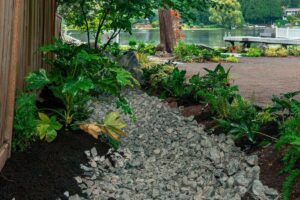
5 Garden Tips to Prevent Runoff (And Fix Common Drainage Issues)
Discover how small habits can help prevent stormwater pollution in your Seattle yard and keep local waterways clean during our rainy season.
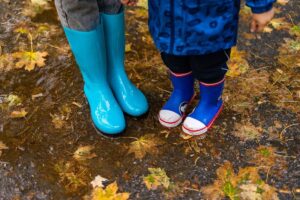
How a Rain Garden Can Become Your Kids’ Favorite Outdoor Experiment
Turn a soggy Seattle yard into a learning project. Discover how a rain garden for kids becomes an experiment while managing stormwater.
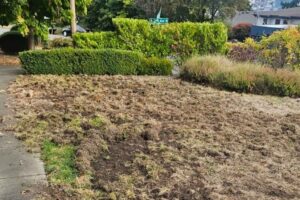
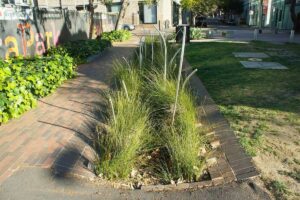
Stormwater Management through Landscape Design in Seattle
Seattle’s rain can cause runoff, flooding, and erosion—but smart landscape design turns stormwater into an asset instead of a problem.

Backflow Preventer Testing in Seattle: Protecting Your Water Supply and Irrigation System
Backflow testing helps protect Seattle’s drinking water supply by ensuring irrigation backflow preventers are working properly. Learn why annual testing matters, what the process involves, and how BAT-certified irrigation technicians help keep systems operating safely and efficiently.
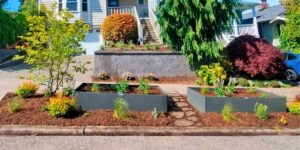
Parking Strip Landscaping Ideas: Favorite Plants for Seattle Curbside Gardens
Parking strips are some of the most challenging spots in a Seattle garden: narrow, sun-baked, and often overlooked. When planted with care, they become pollinator-friendly, low-maintenance landscapes that give back to the neighborhood season after season.
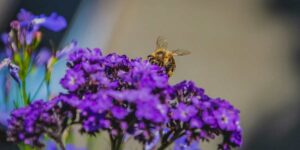
Our Favorite Pollinator Plants for Seattle Gardens
A curated list of pollinator-friendly plants that thrive in Seattle gardens—supporting bees, butterflies, and hummingbirds with blooms from spring through fall.
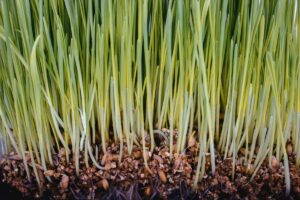
Why Soil Health Matters for Lawns and Landscapes in Seattle
Healthy soil supports stronger roots, better drainage, and resilient plants. Discover why soil health is the foundation of thriving landscapes in Seattle.
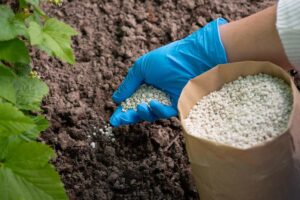
Organic vs Synthetic Fertilizer: What’s the Difference for Lawns and Landscapes?
Organic and synthetic fertilizers feed plants differently. Learn how each works and why organic fertilizers support long-term soil health in Seattle landscapes.
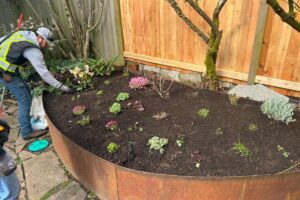
Yard Care vs Landscape Maintenance: What’s the Difference?
Yard care and landscape maintenance are often used interchangeably, but they represent very different levels of service. Understanding the difference helps Seattle homeowners protect soil health, plant longevity, and long-term landscape performance.
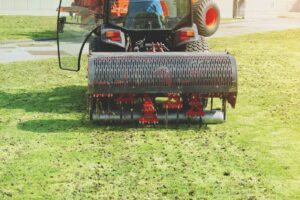
Lawn Aeration in Seattle: The Secret to a Healthy Grass
Dethatching and aerating improve soil health, reduce compaction, and help Seattle lawns grow thicker and more resilient over time.
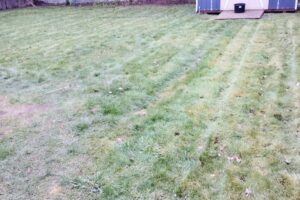
How to Tell If Your Soil Needs Restoration
If your yard feels stuck despite fertilizer, irrigation, or effort, your soil may be the reason. Here’s how to recognize when restoration is needed.
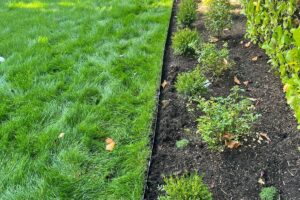
Organic vs. Conventional Lawn & Yard Care: What’s Better for Your Property?
Not sure whether to choose organic or conventional lawn care? Here’s how the two approaches compare in Seattle’s climate—and what that means long term.
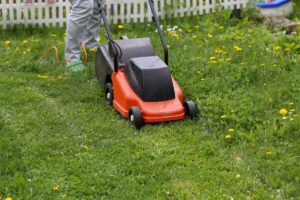
Organic Lawn Care: Does It Actually Work in Seattle?
Organic lawn care works differently than synthetic programs—but in Seattle’s climate, that difference matters. Here’s what homeowners should know.
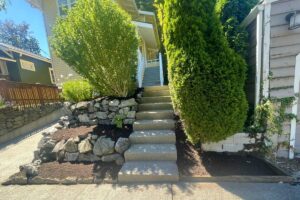
Hedge vs. Hedgerow: What’s the Difference, and Which Is Right for Your Landscape?
Hedges and hedgerows both offer privacy and structure—but their ecological impact and design style differ greatly. Here’s what Seattle homeowners should know.

Deer-Resistant Landscaping: How to Protect Your Garden in the Seattle Area
Deer browsing your garden? Learn how deer-resistant plants and smart landscape design can protect Seattle yards—without sacrificing beauty.
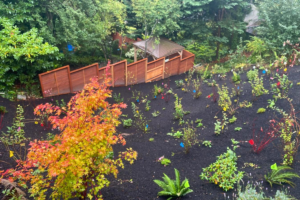
The Environmental Benefits of Native Plant Landscape Design
Native plants are more than a design choice—they’re a powerful environmental solution that supports water conservation, wildlife, and climate resilience.
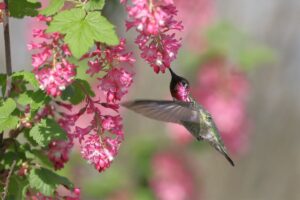
How to Build a Wildlife-Friendly Landscape in Seattle
Transform your Seattle yard into a habitat for birds, bees, and butterflies using native plants, pollinator support, and eco-conscious design.
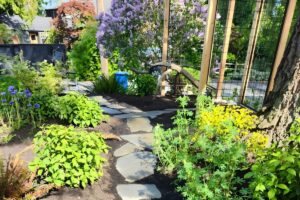
How to Create a Low-Maintenance Landscape in the Pacific Northwest
Creating a low-maintenance landscape in the Pacific Northwest starts with smart design choices, native plants, and durable materials. Learn how Seattle homeowners can reduce upkeep while enjoying a beautiful, sustainable outdoor space year-round.
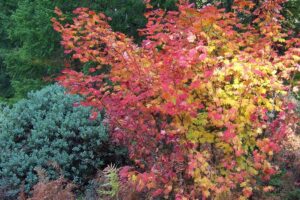
Best Native Plants for Seattle Landscape Design
Discover the best native plants for Seattle landscapes—from trees and shrubs to groundcovers and flowers—designed for beauty, sustainability, and low maintenance.
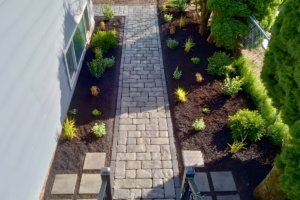
Do I Really Need a Landscape Design Plan?
Not sure if you need a landscape design plan? Learn why a professional plan saves time, money, and ensures your Seattle landscape works beautifully for years.
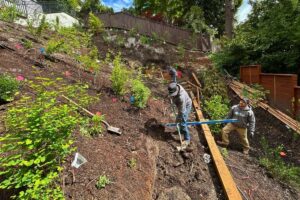
What’s the Difference Between a Landscape Designer and a Landscape Architect?
Confused about the difference between a landscape designer and a landscape architect? Learn which professional is right for your Seattle residential project.

Lessons from Our First Year Testing Battery-Powered Landscape Equipment
After a year of testing battery-powered landscaping equipment, we’re sharing the real lessons—the wins, the challenges, and what it takes to move away from gas.
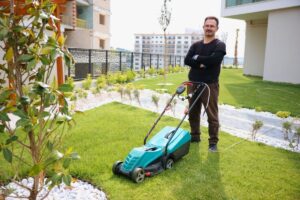
How Homeowners Can Help Landscaping Companies Go Electric
Homeowners play a key role in the shift to electric landscaping. Learn how small changes can help landscaping companies transition from gas to battery-powered tools.
Is Your Landscaper Loud? Battery-powered landscaping tools to the rescue
Is you landscaper loud? A new wave of quiet landscapers is the blissful consequence of battery-powered equipment.
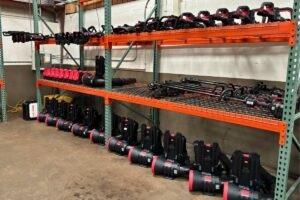
Battery-Powered vs. Gas-Powered Landscape Equipment: Pros and Cons
Benefits of battery-powered landscape equipment against gas-powered equipment.

Why We’re Testing Kress Battery Landscaping Equipment
Why we are testing battery-powered landscaping equipment
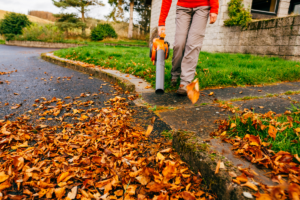
Seattle’s Gas Leaf Blower Ban: What It Means for Homeowners and Landscapers
Seattle bans gas-powered landscape equipment and we are moving to battery-powered tools now.
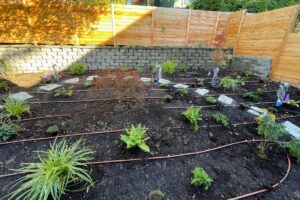
Convert Sprinkler to Drip
Converting sprinklers to drip irrigation can help Seattle landscapes use water more efficiently while supporting healthier plants and soil. Learn when a drip system makes sense, how it works, and why it’s a smart upgrade for planting beds and water-conscious landscapes.


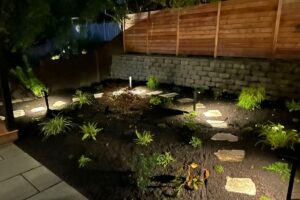
Solar Lights in Seattle
Solar landscape lights offer an easy, energy-efficient way to bring warmth and visibility to Seattle outdoor spaces. From pathways to garden beds, they can support safety, highlight key features, and create a softer nighttime atmosphere without the need for complex wiring.