
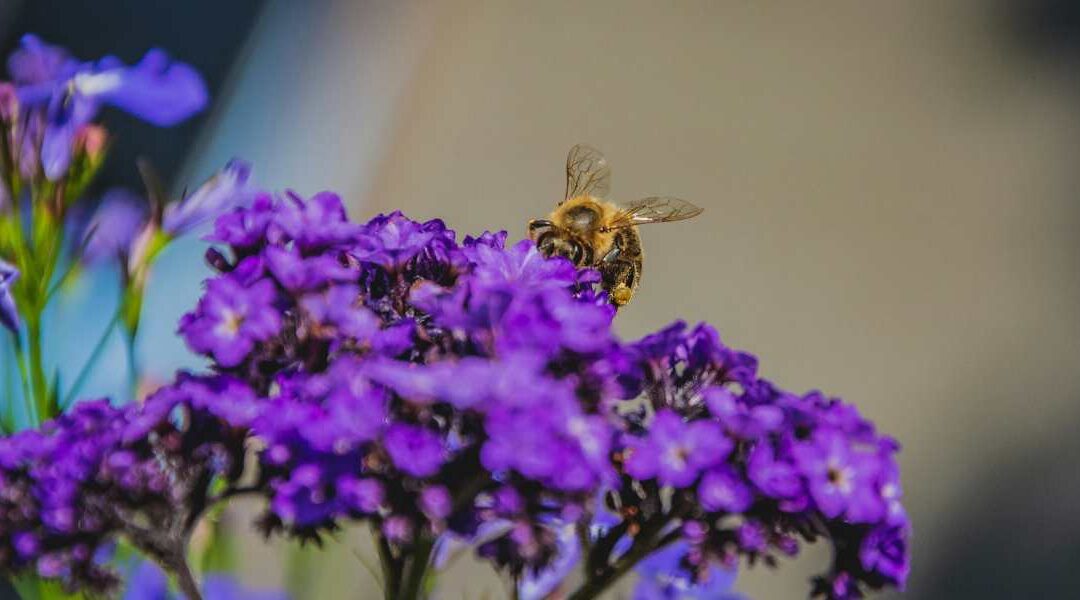
Pollinators bring movement, energy, and balance into a landscape. When a garden supports bees, butterflies, and hummingbirds, it begins to feel more alive, changing gently through the seasons.
At Seattle Sustainable Landscapes, we design with that rhythm in mind. Plant choices are made not only for how they look, but for how they function over time, supporting pollinators while settling naturally into the Puget Sound climate.
Here are some of the plants we return to again and again when building pollinator-friendly spaces:
Chrysanthemum (Chrysanthemum morifolium, single-flowered types)
Not all mums support pollinators—but single, daisy-form varieties offer accessible nectar late in the season.
Why we love it:
They extend bloom into fall, often into October, and pair easily with asters and grasses as the garden begins to shift seasons.
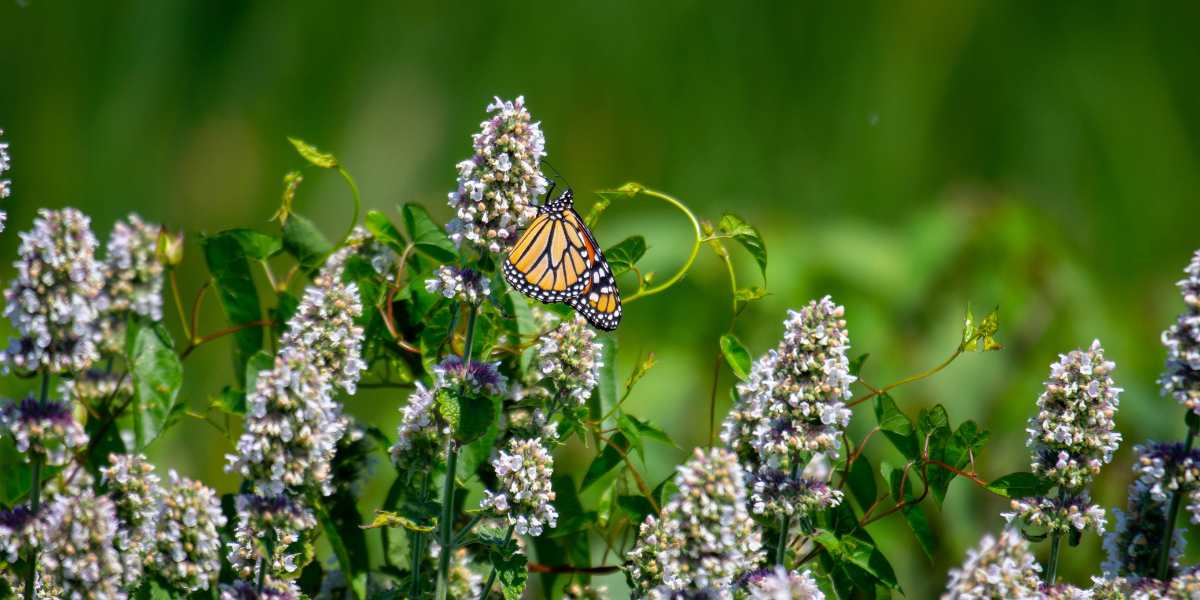
Catmint (Nepeta spp.)
A soft, spreading perennial with blue-purple flowers that return again and again from late spring into fall. It thrives in tough conditions and asks for very little.
Why we love it:
It carries pollinator activity across a long stretch of the season and fits easily into many planting styles.
Sedum (Hylotelephium ‘Autumn Joy’ and others)
With fleshy foliage and late-season blooms, sedum begins flowering just as many other plants start to fade.
Why we love it:
It’s dependable, drought-tolerant, and becomes a late-summer gathering point for bees and butterflies.
Lavender (Lavandula angustifolia)
This fragrant Mediterranean herb is a favorite for both bees and people. With long-lasting purple blooms and a preference for full sun and well-drained soil, it settles in beautifully once established.
Why we love it:
It blooms for weeks in summer, supports honeybees and native bees, and brings a calm, familiar fragrance into the garden.
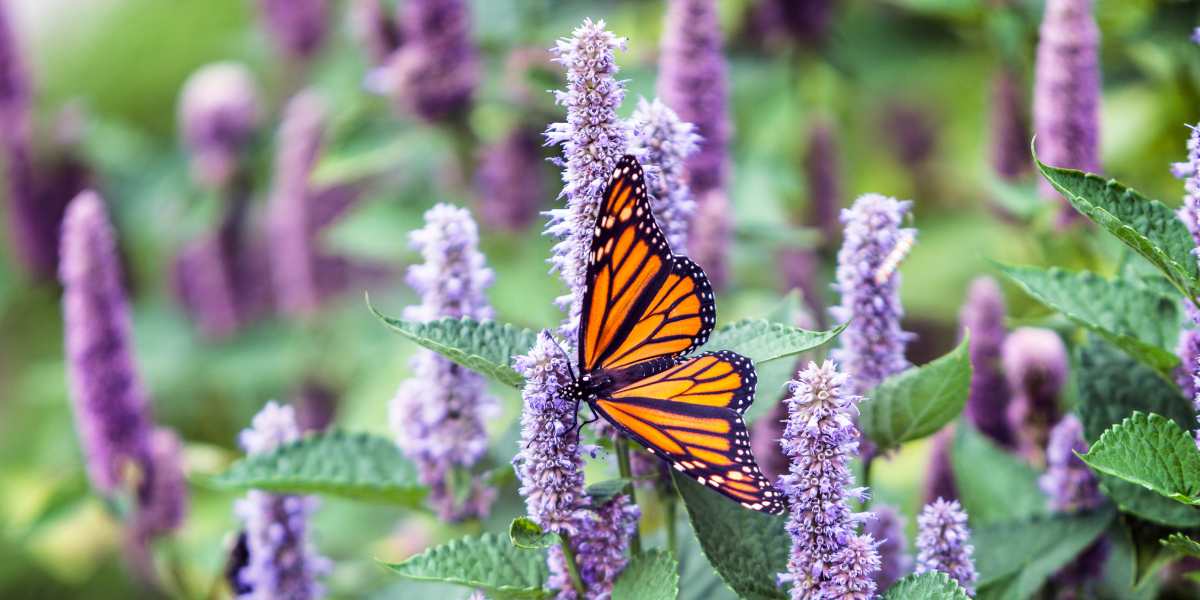
Bergamot / Bee Balm (Monarda fistulosa)
A vibrant member of the mint family, known for its expressive blooms and strong pollinator draw. It prefers consistent moisture and good airflow.
Why we love it:
It brings energy into the garden—often buzzing with activity—and adds bold seasonal color.
Joe Pye Weed (Eutrochium purpureum)
A tall, moisture-loving perennial that produces soft clouds of pink-purple flowers in late summer.
Why we love it:
It adds height and structure, especially in rain gardens or naturalistic plantings, while supporting a wide range of pollinators.
Anise Hyssop (Agastache foeniculum)
A long-blooming perennial with soft purple flower spikes and lightly scented foliage. It handles lean soils well and continues to flower through dry stretches.
Why we love it:
It adds vertical movement and becomes one of the busiest plants in the garden during peak summer.
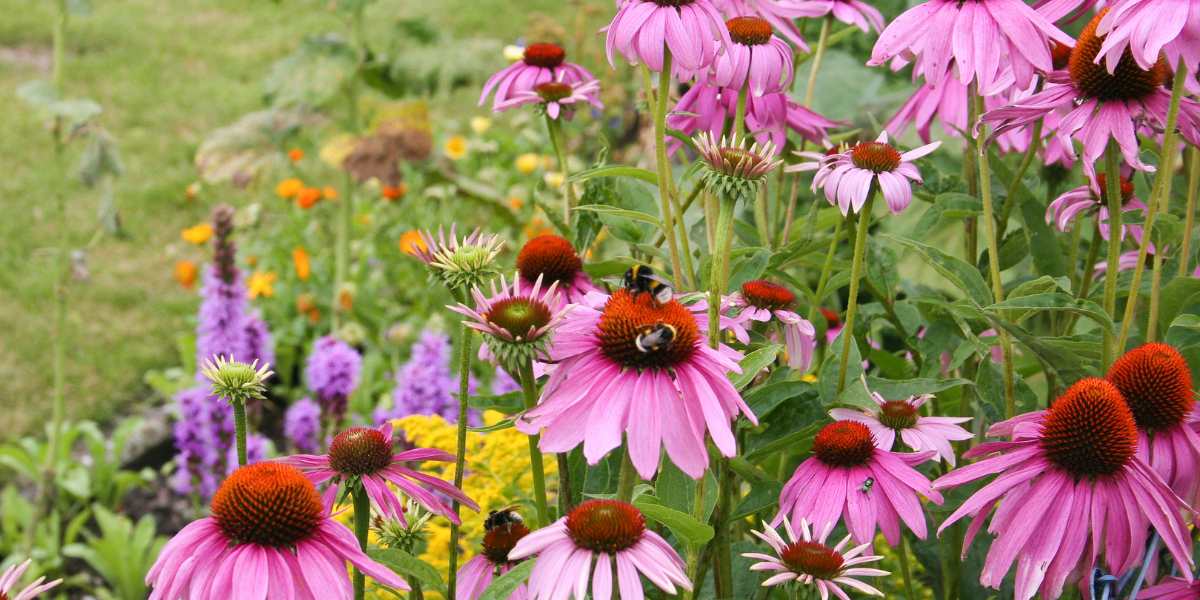
Coneflower (Echinacea purpurea)
A resilient, sun-loving perennial with bold blooms and prominent seed heads. It draws bees and butterflies through summer and continues offering value as seeds develop.
Why we love it:
It holds strong visually and ecologically—supporting pollinators in bloom and birds later in the season.
Supporting Pollinators Through the Seasons
A thriving pollinator garden is built over time—layered, intentional, and responsive to the seasons.
- Start early: Include spring bloomers like crocus and species tulips to support emerging bees.
- Carry into fall: Add late-season flowers like asters, mums, and sedum for continued nectar.
- Plant in layers: Combine groundcovers, mid-height perennials, and taller shrubs to create habitat.
- Work organically: Choose practices that support soil and insect life, avoiding synthetic inputs.
- Let the garden rest: Leave seed heads and stems through winter to provide shelter and food.
A well-designed pollinator garden offers more than seasonal color—it becomes a living system that supports life above and below the soil.
Whether you’re adding a small pollinator patch or shaping a larger habitat, these plant choices create a foundation that continues to grow in value over time.
A Plant Palette That Works Over Time
From early bloomers to late-season anchors, each plant plays a role in keeping food sources available and consistent.
Lavender, anise hyssop, and catmint carry the garden through summer with steady blooms and constant pollinator activity. Coneflower and bee balm bring structure and color at peak season, while sedum and single-flowered mums extend that support well into fall.
In wetter areas or rain gardens, plants like Joe Pye weed create height and softness, offering both habitat and visual balance.
Together, these layers create something more than a collection of plants—they form a system that continues to grow in value.
Designing for Continuous Bloom
A pollinator garden works best when something is always in bloom.
Early spring bulbs help emerging bees get started. Summer perennials carry the bulk of activity. Late-season flowers provide a final push before the shift into fall and winter.
This kind of continuity doesn’t happen by accident—it’s designed in from the beginning.
If you’re thinking about adding pollinator plants, even a small section of your yard can begin to support this cycle.
Structure Matters Too
Pollinators need more than nectar. They rely on shelter, resting places, and protection through changing weather.
Layered planting—groundcovers, mid-height perennials, and taller structural plants—creates those spaces naturally.
Leaving seed heads and stems through winter also adds quiet value, offering food and habitat when the garden is at rest.
A Natural Fit for Seattle Landscapes
Pollinator planting aligns easily with how landscapes grow in the Pacific Northwest—seasonal, textured, and always evolving.
With the right plant combinations, these spaces feel intentional while still relaxed. Managed, and also alive.
Whether you’re refreshing a planting bed or thinking about a larger redesign, pollinator-friendly choices can be integrated at any scale.
Bringing It Together
A pollinator garden is easy to maintain. It starts with a few thoughtful plant choices and grows from there, season by season.
Over time, it becomes something you can see and feel:
more movement, more life, more connection to the space around you.
If you’d like help shaping a pollinator-friendly garden that fits your space, contact us to talk through ideas and possibilities.