
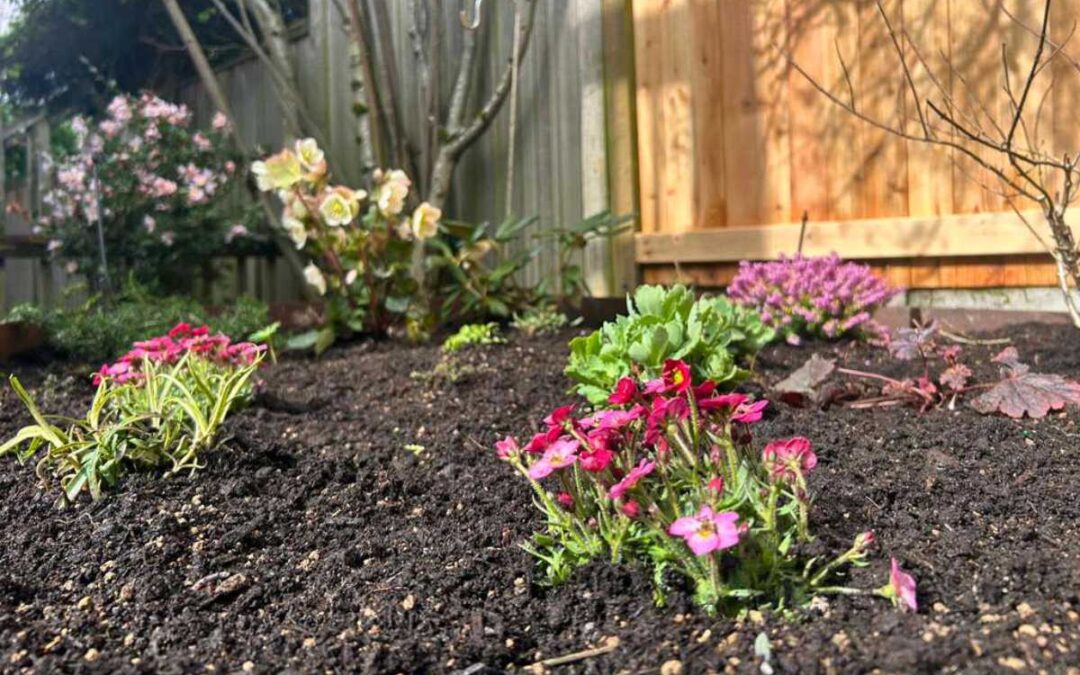
Seasonal color brings a landscape to life in a way few other elements can. Fresh plantings shift with the seasons, creating movement, contrast, and a sense of care that evolves throughout the year.
Learn more about our favourite plants for a Spring Seasonal Planting Program.
For many homeowners, the question becomes how to approach it in a way that feels both beautiful and intentional. Understanding the cost of a seasonal color program is part of that process. In Seattle, pricing can vary depending on the scale of the space, the types of plantings, and how often displays are refreshed.
What a Seasonal Color Program Includes
A seasonal color program is designed to keep landscapes feeling fresh as the year moves forward. It typically begins with a design that considers the character of the property, the surrounding architecture, and how color can be introduced in a way that feels natural.
Contact us for professional advice.
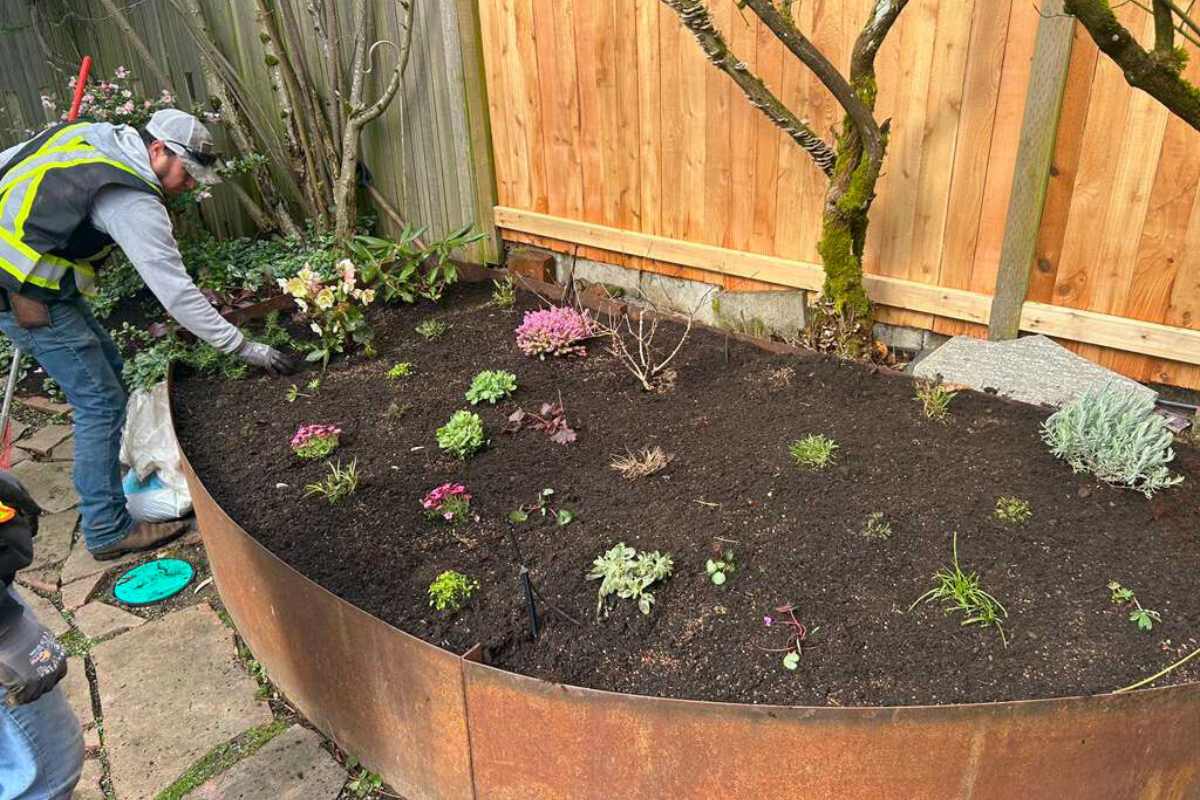
From there, plant selection and sourcing come into play. This can include annuals, bulbs, and foliage chosen specifically for the season. Installation involves preparing the soil, incorporating compost, and placing plants in beds or containers where they can establish well.
Some programs also include ongoing care, such as seasonal refreshes or adjustments that keep the display consistent over time. Others focus on one or two key moments, like a spring or summer update.
Seasonal color doesn’t need to be everywhere to be effective.
Often, a few well-chosen areas—like an entryway, front walk, or patio—create the strongest visual impact.
Typical Cost of Seasonal Color in Seattle
The cost of a seasonal color program depends largely on the size and scope of the landscape. For larger properties, including estates, HOA entrances, or commercial spaces, seasonal color becomes more comprehensive. With multiple zones, detailed design work, and ongoing rotations, programs can range from 3,000 to 10,000 dollars or more per season.
Some large or multi-zone seasonal color programs can reach $10,000+ per season when multiple areas are refreshed and maintained throughout the year.
Most residential projects, though, are much more focused. Many homeowners invest between $300 and $3,000 per season depending on the areas they want to highlight.
Many homeowners choose to plan for two or four seasonal updates per year, which creates a continuous flow of color from early spring through winter.
What Influences the Cost
Several factors shape the final investment. The overall size of the planting area is one of the most important, as larger spaces require more materials and time to install.
Plant selection also plays a role. Common annuals offer a reliable and cost-effective option, while specialty plants or more intricate combinations can increase the overall budget. Design complexity adds another layer, especially when plantings are arranged to evolve across multiple seasons.
Maintenance preferences matter as well. A one-time installation requires less ongoing investment, while a full program that includes care, adjustments, and seasonal transitions provides a more consistent look over time.
Site conditions can also influence cost. Areas with difficult access, poor soil, or elevation changes may require additional preparation to support healthy plant growth.
How Seasonal Color Adds Value Over Time
Seasonal color is often one of the most visible ways to enhance a landscape. It creates an immediate sense of care and attention, especially near entryways, walkways, and gathering spaces.
Over time, these plantings contribute to the overall rhythm of the landscape. Spring blooms signal renewal, summer displays bring energy, and fall and winter plantings provide continuity through quieter seasons.
For many properties, this level of detail elevates the entire outdoor space while representing a relatively small portion of the overall landscape investment.
Simple Ways to Get More from Your Investment
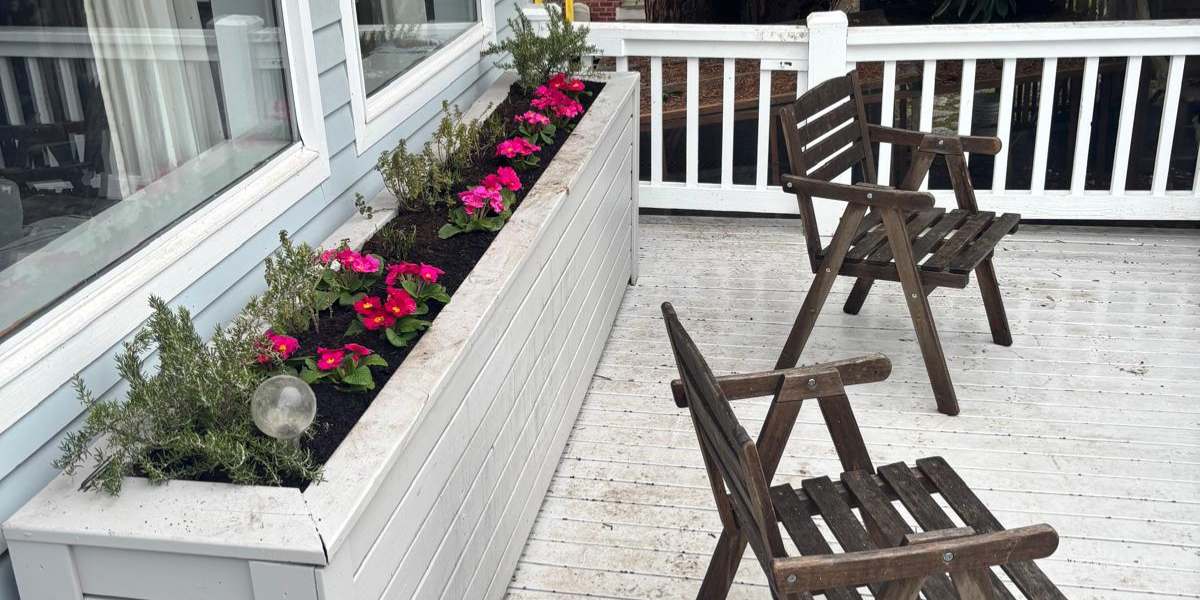
A thoughtful approach can extend the impact of seasonal color. Combining planting beds with containers allows for flexibility while keeping installations focused.
Planning multiple seasons in advance often creates efficiency, both in design and installation. Choosing plants with longer bloom cycles or strong cold tolerance can also help displays last longer between transitions.
Containers themselves can remain in place year-round, with plantings changing as the seasons shift. This approach reduces material waste and keeps the overall design consistent.
Final Thoughts
Seasonal color adds a layer of life and movement that evolves with the landscape. In Seattle, where seasons transition gradually, these plantings create a continuous sense of change and renewal.
The right program is not about maximizing volume, but about choosing where color will have the greatest impact and allowing it to unfold naturally over time.
If you’re considering adding seasonal color to your landscape, a thoughtful plan can bring lasting value while staying aligned with your space and priorities.