
If you’d like your landscape cared for in a way that follows the seasons, our team can help guide that process. Explore our ongoing maintenance programs and schedule a visit.
Landscapes in Seattle Are Always in Motion
It’s easy to think of a landscape as something that, once installed, simply holds its shape.
In Seattle, landscapes behave differently.
Rainfall patterns, shifting daylight, and gradual temperature changes create a steady rhythm underground and above. Soil, roots, and plant growth are always responding, often in ways that aren’t immediately visible.
Understanding this seasonal lifecycle helps explain why maintenance isn’t static either. It evolves alongside the landscape, supporting each phase as it unfolds.
Spring: Where the Season Begins to Take Shape
Spring is when energy returns to the landscape. Soil begins to warm, roots become active, and plants move quickly into growth.
What happens during this window often sets the tone for everything that follows. Lawns begin to thicken, flowering cycles start, and weeds quietly emerge alongside new growth.
This is also when foundational care happens:
- Soil support and fertilization
- Increased mowing frequency
- Early weed management
- Structural pruning
- Irrigation system startup
When done thoughtfully, spring work creates a more balanced, resilient landscape heading into summer.
Summer: Holding Balance Through Dry Conditions
Seattle summers bring a different kind of challenge. Rain becomes scarce, and even mild heat can create stress when moisture is limited.
During this time, landscapes shift from active growth into a more protective mode. Lawns may slow down, and some plants conserve energy to get through dry stretches.
Care becomes more about consistency than change, and the maintenance focus goes to:
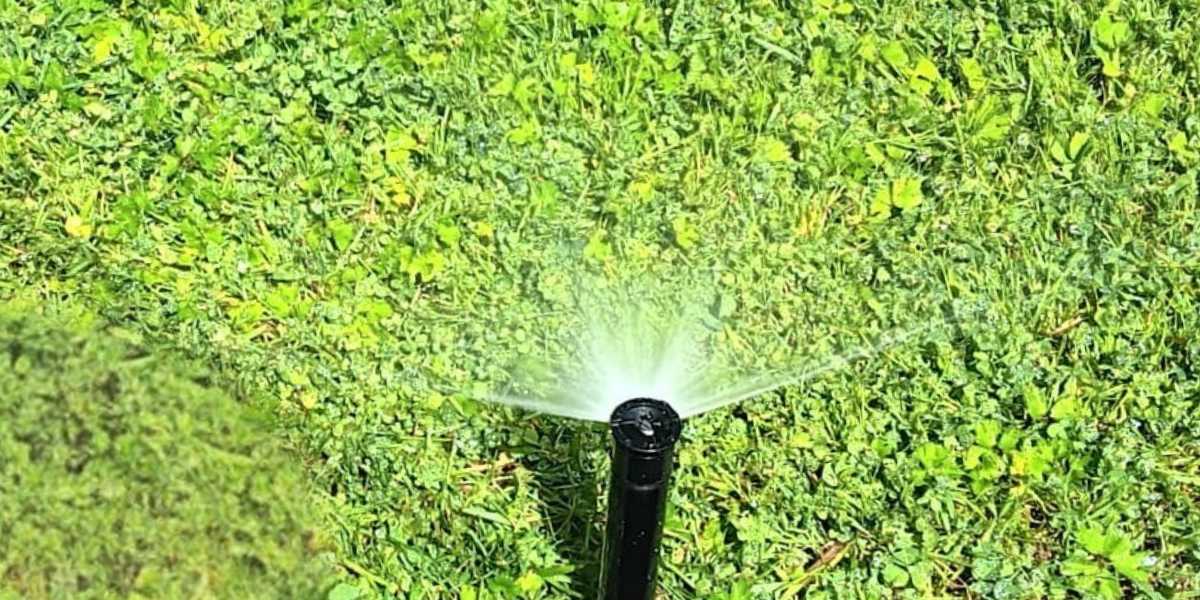
- Irrigation monitoring and adjustments
- Raising mowing height to reduce stress
- Targeted, light fertilization
- Mulch to retain moisture
- Ongoing plant health checks
These small, steady actions help the landscape maintain its health without pushing it beyond its natural pace.
Fall: A Quiet but Critical Transition
Fall often feels like a winding down, but below the surface, it’s one of the most active times of year.
As moisture returns to the soil, root systems begin to expand again. Plants rebuild energy, and lawns recover from summer stress.
This is where long-term health is reinforced, and yard care focuses on:
- Fall fertilization
- Aeration
- Leaf management
- Perennial cutbacks
- Irrigation winterization
With those actions, you’re setting the landscape up for stronger performance the following year. Skipping this phase can leave the soil compacted and plants underprepared for winter.
Winter: Observation and Opportunity
Winter brings stillness above ground, but it also reveals important patterns.
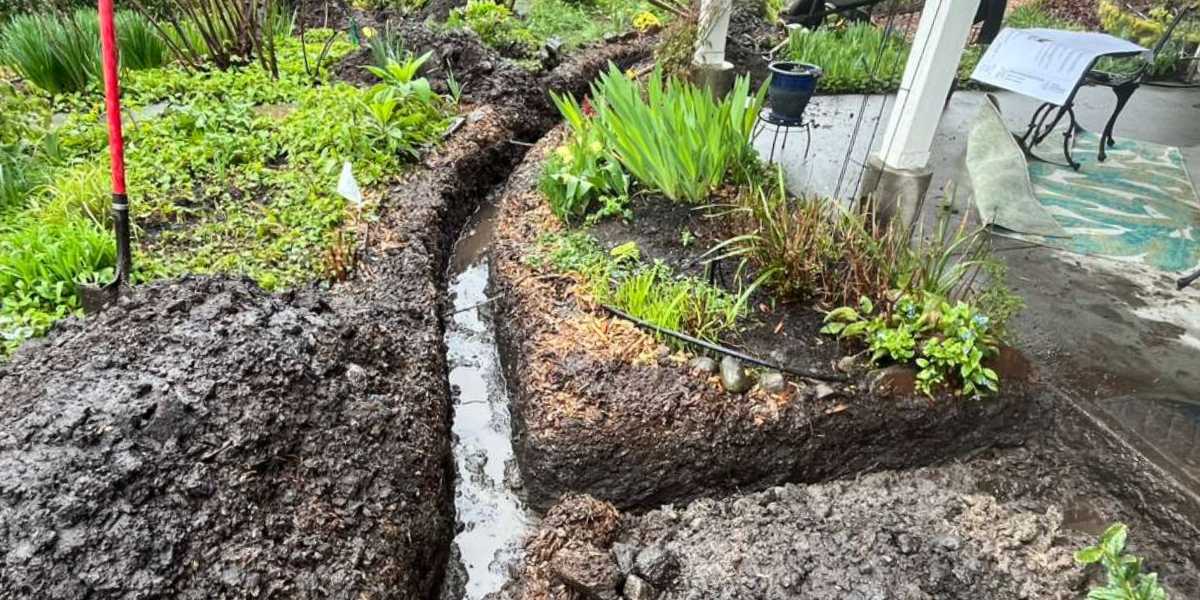
Water movement becomes more visible. Drainage issues surface. Soil saturation can highlight areas of compaction or imbalance.
Rather than being a dormant pause, winter becomes a time to observe and plan, focusing on:
- Storm cleanup
- Drainage monitoring
- Moss management planning
- Selective structural pruning
Winter offers clarity, revealing how water moves and where adjustments may be needed.
Why Ongoing Maintenance Matters Over Time
Each season builds on the one before it. When care is consistent, the landscape stays in balance. When one phase is missed, the next becomes more difficult: small issues begin to layer, often slowly and quietly.
A lawn that weakens slightly one summer may struggle more the next. Soil that isn’t aerated in the fall can become increasingly compacted. Over time, what once felt manageable can require larger intervention.
Our ongoing maintenance service helps interrupt that pattern. It supports the landscape not just in the moment, but across seasons and years.
A Landscape That Follows a Natural Rhythm
Seattle landscapes are shaped by water, soil, and seasonal timing. They respond best to care that works with those conditions, adjusting gradually, observing closely, and supporting what’s already happening beneath the surface.
At Seattle Sustainable Landscapes, maintenance is approached as an ongoing relationship with the space. Each visit builds on the last, following the natural rhythm of the landscape rather than working against it.
Designing for Long-Term Health
When maintenance aligns with the seasons, landscapes begin to feel more stable over time.
Plants grow with more consistency. Soil improves gradually. Outdoor spaces remain usable, inviting, and connected to the environment around them.
It’s not about constant intervention—it’s about timely, thoughtful care.
If you’re looking for a more consistent, long-term approach to landscape care, we’re here to help. Schedule a consultation to explore our ongoing maintenance programs.