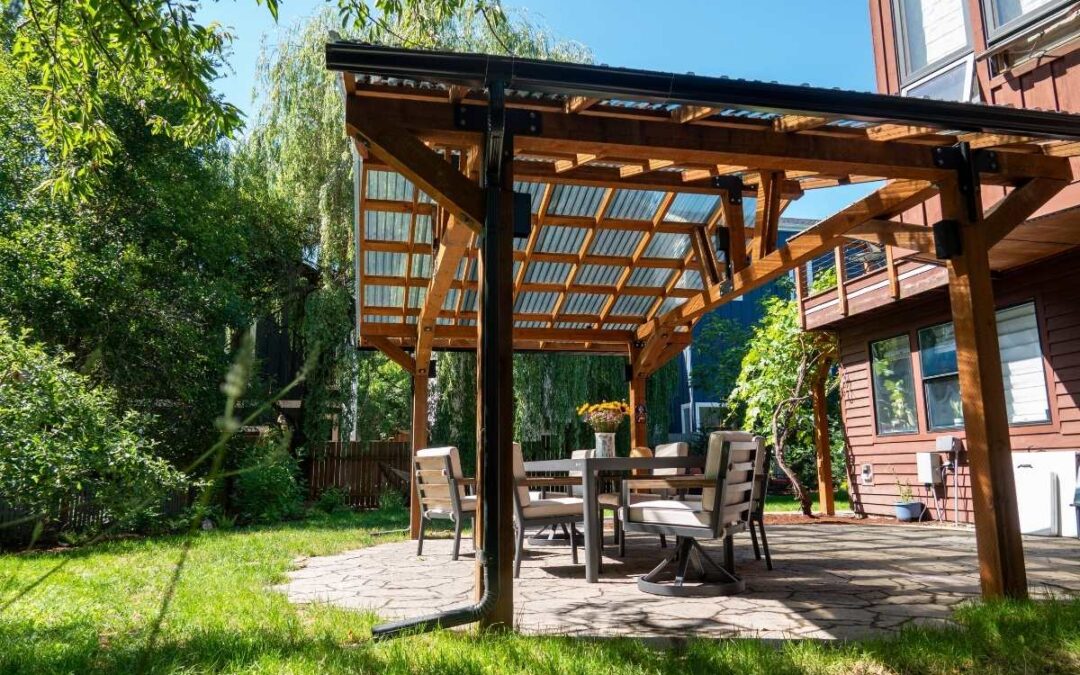
Summer is one of the most rewarding seasons to enjoy your landscape. Also, it's when your garden works the hardest.
Longer days, warmer temperatures, and extended dry periods can put stress on plants throughout the Pacific Northwest. The good news? A few thoughtful practices can make a big difference in helping your landscape stay healthy while using water more intentionally.
Our landscape designers spend every day walking Seattle residences, observing how gardens respond to the changing seasons. Here are five summer care tips they recommend most often to homeowners who want thriving landscapes and healthier neighborhoods.
1. Water (Deeply) at the Right Time
One of the simplest ways to help your landscape through the summer is also one of the most effective: water early.
Our designers recommend watering between 4:30 and 5:30 a.m., when temperatures are cooler and evaporation is at its lowest. Late evening watering can also work, although morning gives plants time to dry before nighttime.
More importantly, focus on deep watering rather than shallow watering. Deep irrigation encourages roots to grow farther into the soil, making plants more resilient during dry periods.
Instead of watering every day, pay attention to how deeply moisture is reaching the root zone.
Thoughtful watering practices also help conserve one of our region's most valuable resources. Seattle Public Utilities offers additional seasonal watering guidance for local homeowners.
2. Mulch: One of Summer's Hardest Workers
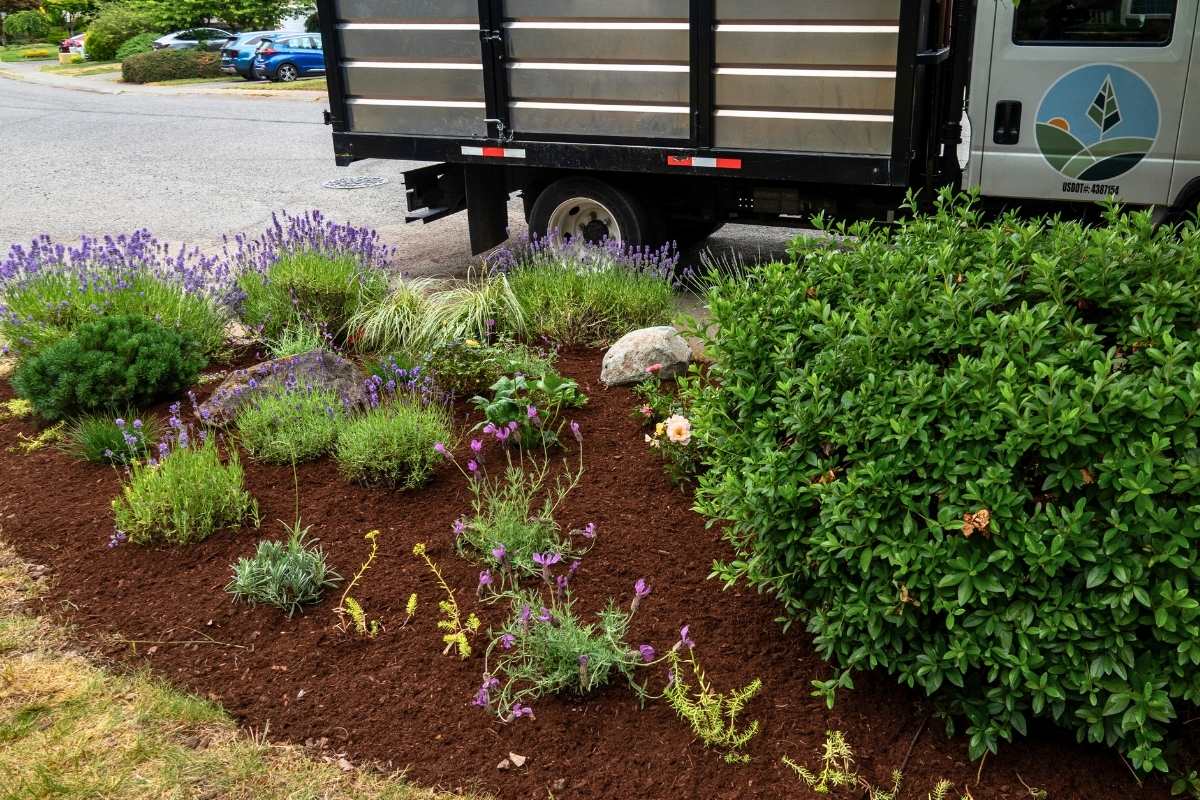
If there is one product our designers rarely skip, it's mulch. Applying 2 to 4 inches of wood chip mulch around planting beds helps:
- Retain soil moisture
- Moderate soil temperatures
- Reduce weed growth
- Gradually improve soil as it breaks down
Larger wood chips, such as cedar mulch, tend to last longer and provide excellent moisture retention for many Pacific Northwest landscapes.
A fresh layer of mulch benefits both your plants and the soil beneath them.
Refresh Your Soil Before Summer Stress Arrives
Healthy soil is one of the best investments you can make in your landscape. Before summer begins, refreshing planting beds with compost provides organic matter and nutrients that support flowering plants throughout the growing season.
Rich, living soil also holds moisture more effectively, helping plants withstand warmer weather with less supplemental watering.
When soil is healthy, plants are better prepared for summer.
3. Choose Plants That Know How to Live in Seattle
One of the easiest ways to create a resilient landscape is to work with nature rather than against it. In this regard, native plants have evolved alongside our regional climate and are generally well adapted to Seattle's seasonal rainfall patterns and summer dry spells.
Some of our designers' favorite summer performers include:
- Ocean Spray
- Pacific Wax Myrtle
- Salal
- Evergreen Huckleberry
- Salmonberry
- Thimbleberry
While these plants thrive in Pacific Northwest conditions, they also provide habitat and food for local wildlife, supporting biodiversity throughout the neighborhood.
If you're interested in adding more native species to your landscape, the Washington Native Plant Society offers excellent resources to help homeowners identify plants that thrive in the Pacific Northwest.
Let Your Lawn Work With Nature
If you have a lawn in your yard, you need to know that Pacific Northwest lawns have evolved alongside our climate. During extended dry periods, established lawns have two healthy options:
- Water deeply to maintain active growth.
- Allow the lawn to naturally enter dormancy until seasonal rains return.
Dormancy is not the same as a dead lawn. Many grasses naturally slow their growth during summer and recover once cooler, wetter weather arrives.
Leaving grass clippings on the lawn also helps return nutrients to the soil while reducing moisture loss.
4. Deadhead Flowers for a Longer Bloom Season
Many flowering perennials reward a little attention. Removing spent blooms, known as deadheading, encourages many plants to redirect energy into producing new flowers instead of seeds.
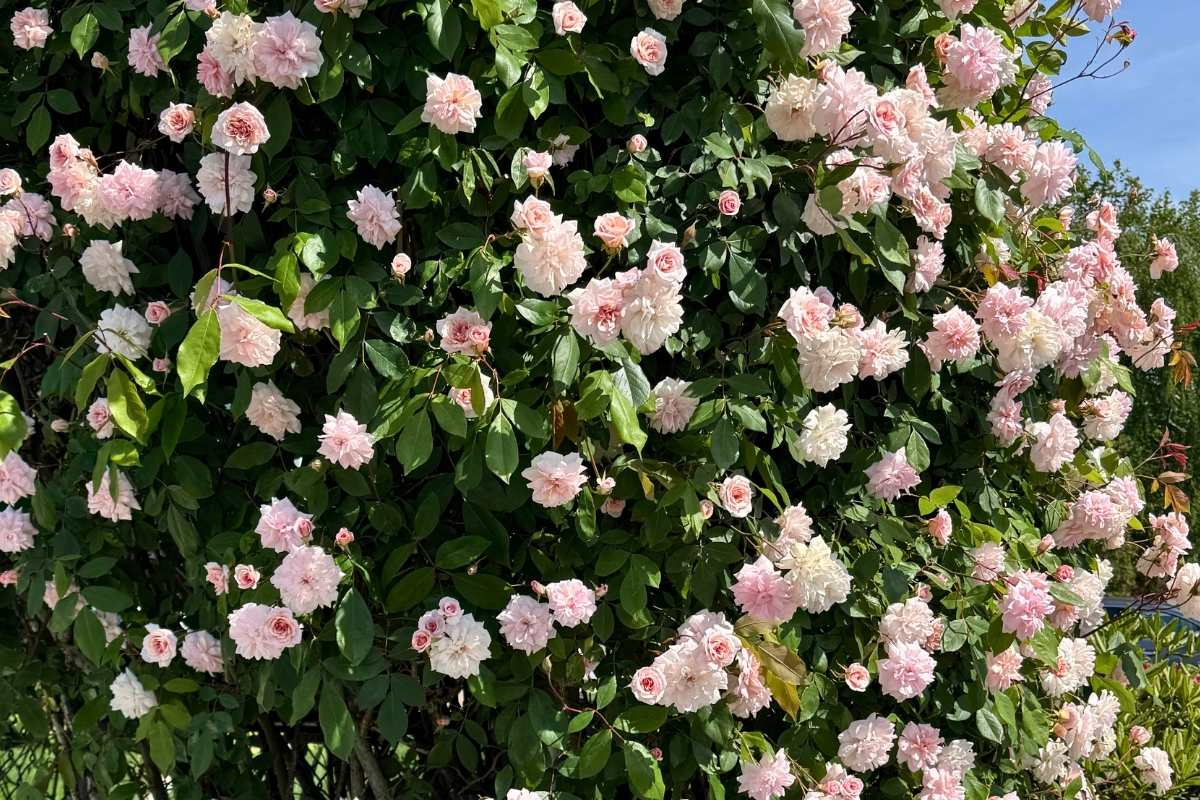
Roses are a great example, often producing another flush of blooms after deadheading. Yarrow is another favorite that can bloom again with timely pruning.
A few minutes spent deadheading can keep your garden colorful well into late summer.
5. Avoid Moving Plants in Summer
Summer is one of the most stressful times to transplant trees, shrubs, and perennials. If moving a plant can't wait until cooler weather, designers recommend reducing stress by watering before and after transplanting. Also, lightly pruning the foliage will help the plant focus its energy on establishing roots.
Even with extra care, expect transplanted plants to spend the season recovering rather than flowering.
Whenever possible, save major planting projects for fall or spring.
Healthy Neighborhoods Start With Healthy Landscapes
Every thoughtful choice in your yard has an impact beyond your property line. If you want to contribute to greener, resilient neighborhoods, we encourage you to water intentionally, enrich your soil, and choose native plants.
At Seattle Sustainable Landscapes, we believe beautiful landscapes and environmental stewardship go hand in hand. Small actions, repeated across many gardens, help create stronger, healthier communities for everyone to enjoy.
Count on us for Expert Yard Care
Whether you're refreshing planting beds, improving irrigation, or planning a landscape designed to thrive in Seattle's climate, our team is here to help you care for your landscape through every season.
Contact Seattle Sustainable Landscapes to learn how we can help your garden flourish this summer and beyond.