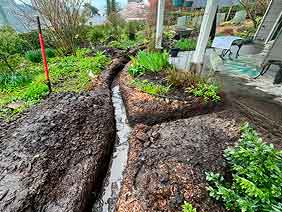
Rain Gardens for Seattle
A rain garden turns roof runoff into a resource for your landscape, helping water soak into the soil while creating habitat for bees and birds.






Let Plants do Their Work
From Roof to Rain Garden
Rain has a long relationship with Seattle. As the city grew and more land became covered by roofs, pavement, and lawns, more rainwater started moving quickly across sidewalks, streets, and slopes. We see rain gardens as one way to give that water a different path.
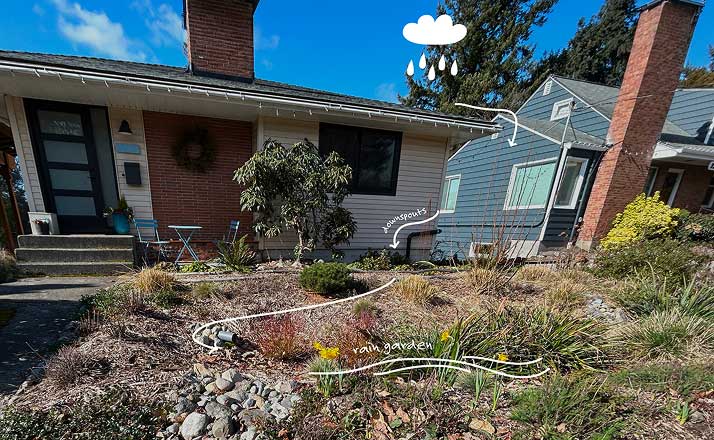
The rain gardens we design and install in Seattle residences capture runoff from the roof and give it a place to slow down and infiltrate into the soil. The garden becomes part of your landscape, with plants selected for changing moisture conditions and a design that fits the property.
A rain garden can live in a front yard or backyard. You need a roof and a suitable space to work with. We look at your roof drainage, soil, slope, available space, and existing landscape before deciding whether a rain garden is the right solution.
Some residential properties are eligible for a RainWise rebate, and we are a RainWise-certified contractor. We can help you understand the requirements and guide you through the process.
Give Water a Useful Place to Go
Rain gardens capture roof runoff and allow water to infiltrate into the soil instead of sending it directly toward the combined sewer system.
During large rain events, reducing stormwater entering combined sewer systems can help reduce pressure on treatment facilities and the risk of sewage overflows into waterways.

Grow a Living Garden
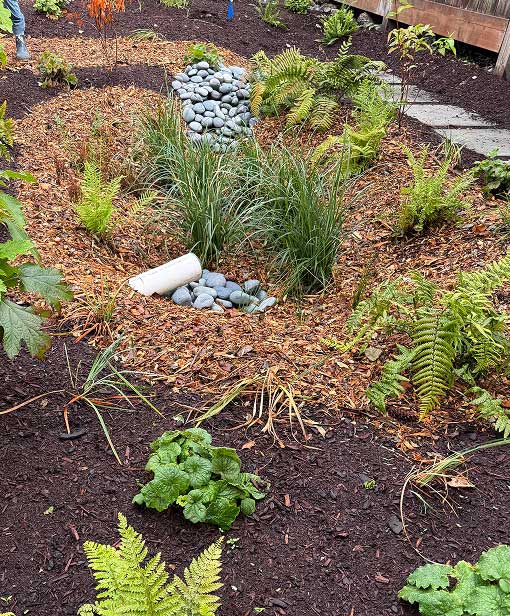
Rain gardens give us another opportunity to use plants adapted to Seattle’s changing moisture conditions. Native and perennial plants create habitat for pollinators while bringing seasonal texture and structure to the landscape.
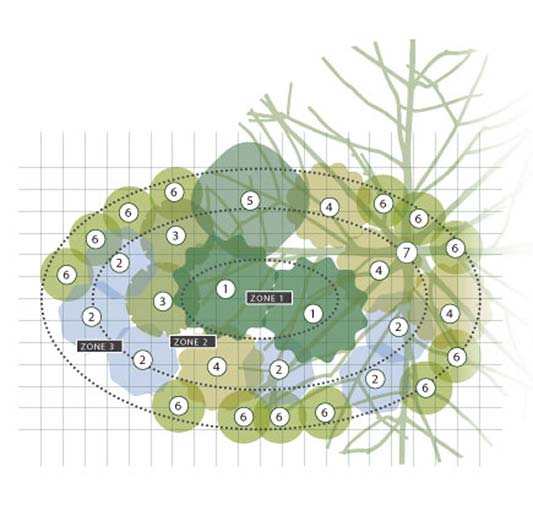
The RainWise specifications organize planting into zones for wet conditions, occasional standing water, and drier conditions.
Have a Science Lab for Kids
Children love rain gardens because they can watch rainwater collect, see it slowly disappear into the soil, and notice how the garden changes with the seasons. They also appreciate the visits from butterflies, hummingbirds, and other pollinators, while learning about flowers in their yard. There is always something happening.

RainWise Rebates for Rain Gardens in Seattle
We can build rain gardens in any Seattle residence and some homeowners may qualify for a RainWise rebate covering up to 100% of eligible project costs.
RainWise is a program from Seattle Public Utilities and King County Wastewater Treatment Division designed to manage stormwater runoff in areas served by combined sewer systems. RainWise eligibility is determined by the program and it depends on your property’s location and site conditions.
As a RainWise-certified contractor, we can help you understand whether your property may qualify. We can also support the preliminary inspection, installation, final inspection, and rebate documentation.
If your property doesn’t qualify, we can still build the rain garden although you won’t be able to ask for the government rebate.
RainWise-Certified Contractors in Seattle
We Design and Build Rain Gardens That Fit Your Landscape
From our point of view, a rain garden needs to manage water first. Then it needs to feel like it belongs in the landscape.
We look at roof drainage, existing grades, soil, planting, hardscapes, and the way you use the space before we start digging. That helps us design a rain garden that works in sun, partial shade, or deeper shade while fitting naturally into the rest of your yard.
Our installation can include excavation, drainage connections, bioretention soil, planting, and overflow systems according to the site and RainWise specifications.
A Rain Garden Can Look Like a Garden
Our Favortite Plants for Rain Gardens in Seattle
We design the planting around the moisture patterns and sun exposure within the garden, combining plants that tolerate wet conditions with others suited to drier areas.
The result can have texture, seasonal change, evergreen structure, flowers, and habitat for bees and birds, all within a landscape feature designed to manage water.
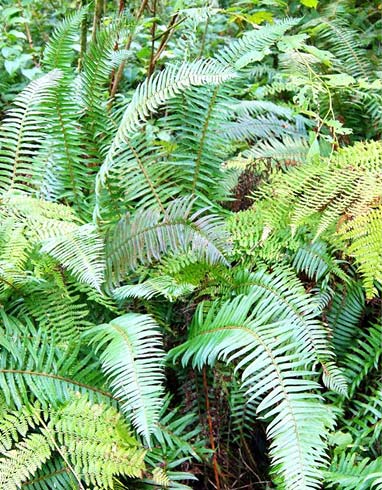
Western Sword Fern

Siberian Iris Iris sibirica cultivars

Tickseed Coreopsis verticillata ‘Zagreb’
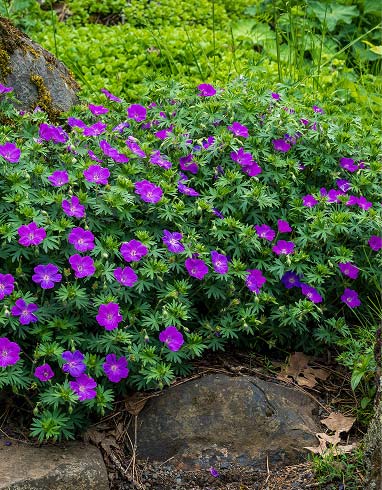
Perennial Geraniums
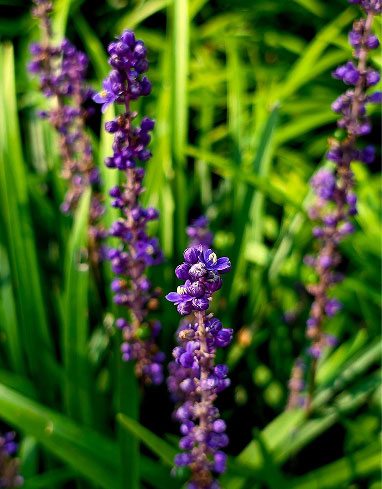
Lily Turf Liriope Muscari
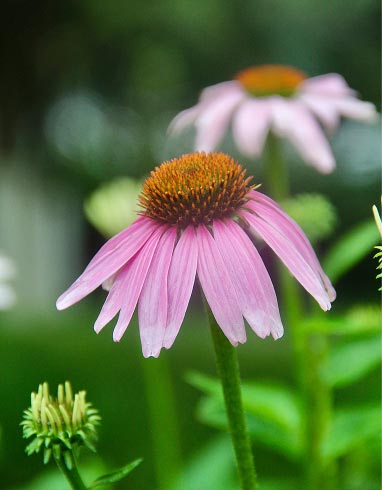
Coneflower Echinacea purpurea cultivar

Compact Oregon Grape Mahonia nervosa

Blue Fescue Festuca ‘Beyond Blue’

Autumn Joy Sedum
Give Rainwater a Useful Place to Go
Tell us what you’ve noticed in your landscape
A soggy corner or a downspout with nowhere to go? Tell us what you’re seeing, and we’ll help you explore whether a rain garden is the right fit.
Call to (206)414-8615
About Rain Gardens
Frequently Asked Questions
-
What is a rain garden?
A rain garden is a shallow planted area designed to capture and infiltrate stormwater runoff, typically from a building’s roof.
-
How does a rain garden work?
A rain garden collects roof runoff and holds it temporarily in a shallow planted area, allowing the water to infiltrate into the soil. Plants and bioretention soil help manage the water as it moves through the garden.
-
Are rain gardens a drainage solution for Seattle yards?
Yes, they can be, especially for properties with suitable soil, space, and roof runoff. We assess the site before recommending a rain garden.
-
Can I get a RainWise rebate for a rain garden?
Some residential properties qualify for RainWise rebates covering up to 100% of eligible costs. Eligibility depends on the property’s location and site conditions.
-
Can a rain garden be in my front yard?
Yes. A rain garden can be integrated into a front or back yard when the property’s drainage, soil, space, and setback conditions are suitable.
-
Do rain gardens attract wildlife?
Yes. Rain garden planting can provide habitat and seasonal food sources for pollinators and birds when appropriate plants are selected.
-
How far should a rain garden be from my house?
RainWise specifications require a minimum setback of 5 feet from a foundation wall without a basement and 10 feet from a foundation wall with a basement up to 5 feet deep. The same setback applies to retaining walls.