
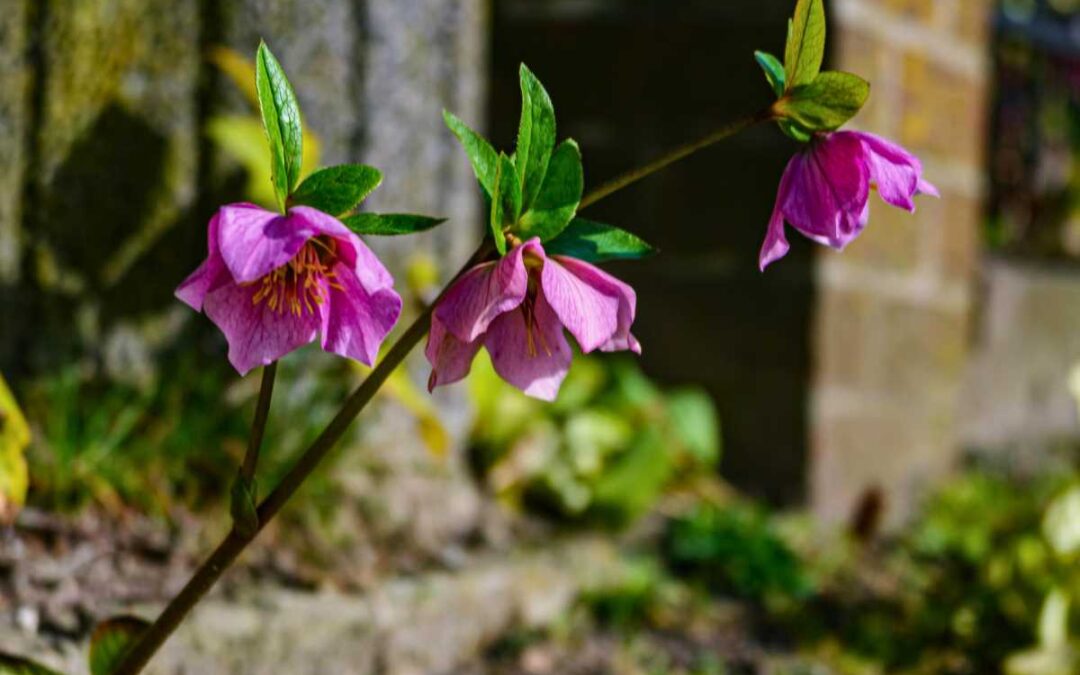
If you’re thinking about refreshing your landscape this spring, our team can help you design and plant with intention. Schedule a spring planting consultation.
Spring in Seattle: A Season That Sets the Tone
In Seattle, spring arrives gradually. Light shifts, soil warms, and landscapes begin to wake after months of rain and stillness.
It’s a season where small changes begin to shape how a garden will feel for the rest of the year: early blooms, fresh foliage, the return of pollinators.
At Seattle Sustainable Landscapes, we design with this moment in mind. Spring planting it’s about creating structure, supporting local ecology, and building a landscape that evolves naturally over time.
Our Favorite Spring-Interest Plants for Seattle Landscapes
These plants bring early beauty, ecological value, and a sense of seasonal rhythm to Pacific Northwest gardens.
Red-Flowering Currant (Ribes sanguineum)
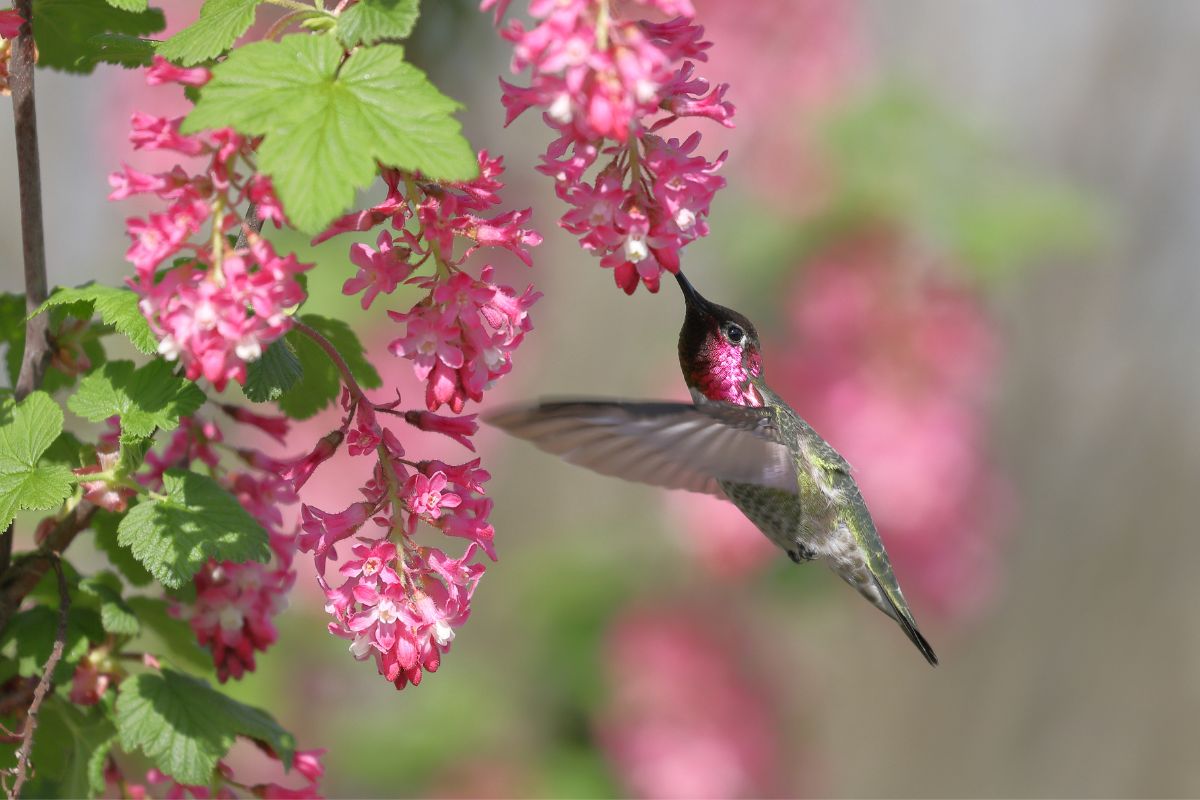
One of the earliest native shrubs to bloom, this plant produces cascading clusters of pink flowers that draw hummingbirds and bees as they re-emerge in early spring.
Why it works: Bold presence, early nectar source, and a strong connection to local ecosystems.
Trillium (Trillium ovatum)
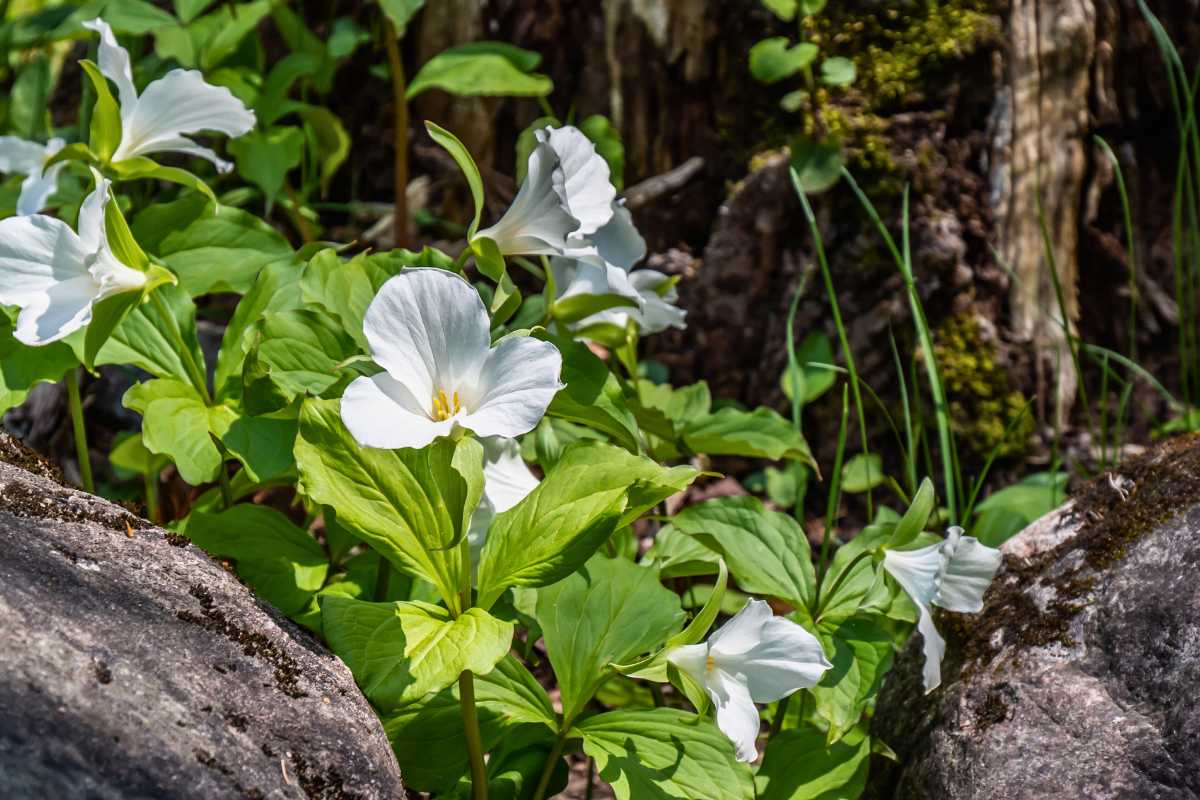
A quiet, woodland native with white three-petaled flowers that slowly blush pink as they age. It thrives in moist, shaded areas.
Why it works: A subtle signal of spring that pairs naturally with forested landscapes.
Bleeding Heart (Dicentra formosa)
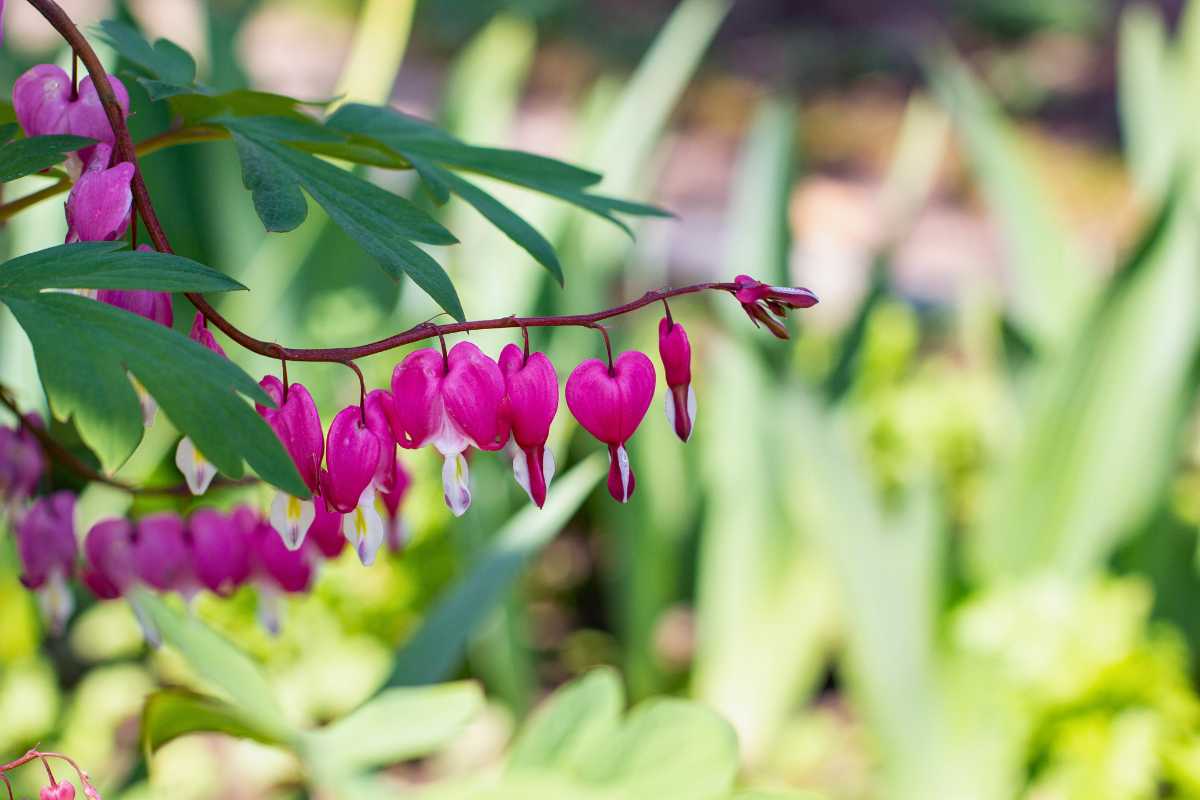
Soft, fern-like foliage and delicate pink flowers make this native perennial a natural fit for shaded or partially sunny beds.
Why it works: Gently spreads over time, softens edges, and supports pollinators.
Camas (Camassia quamash)
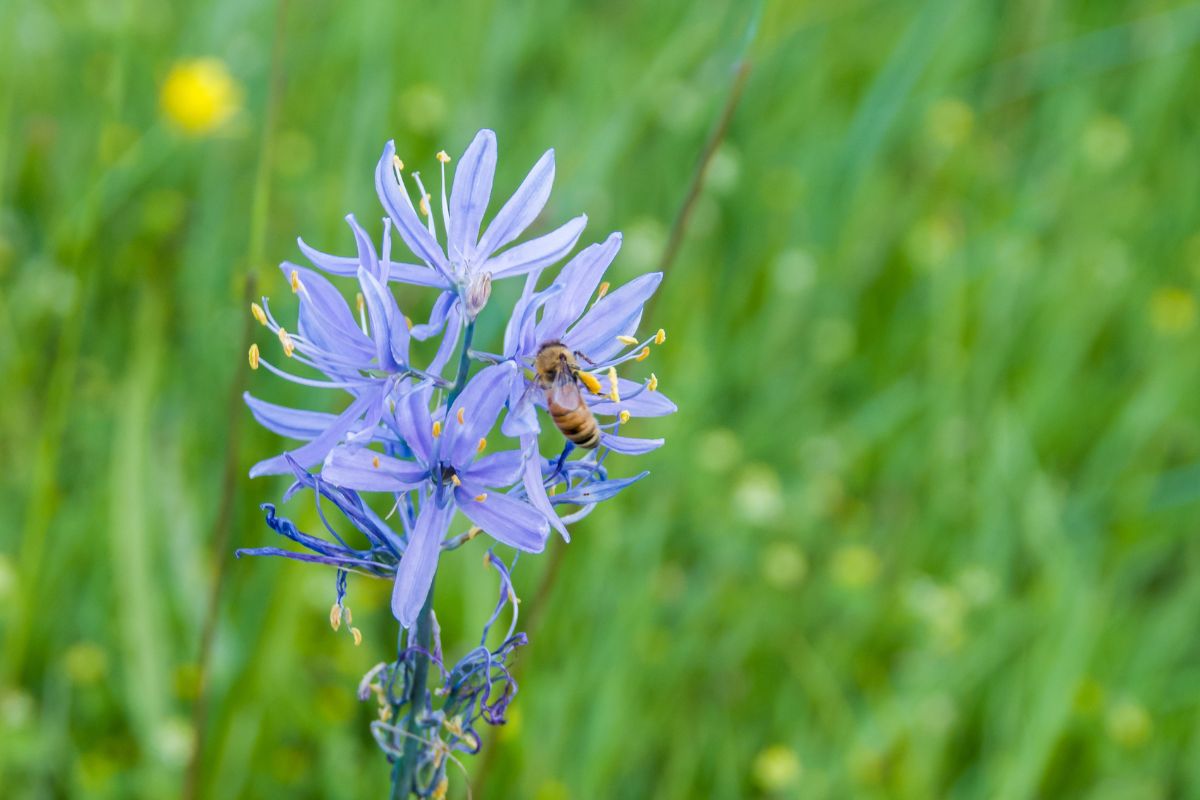
A striking native bulb with tall spikes of blue flowers in mid- to late spring. Historically cultivated by Indigenous communities, it thrives in moist soils and open sun.
Why it works: Strong vertical interest, cultural significance, and a natural fit for rain gardens.
Hellebore (Helleborus orientalis and hybrids)
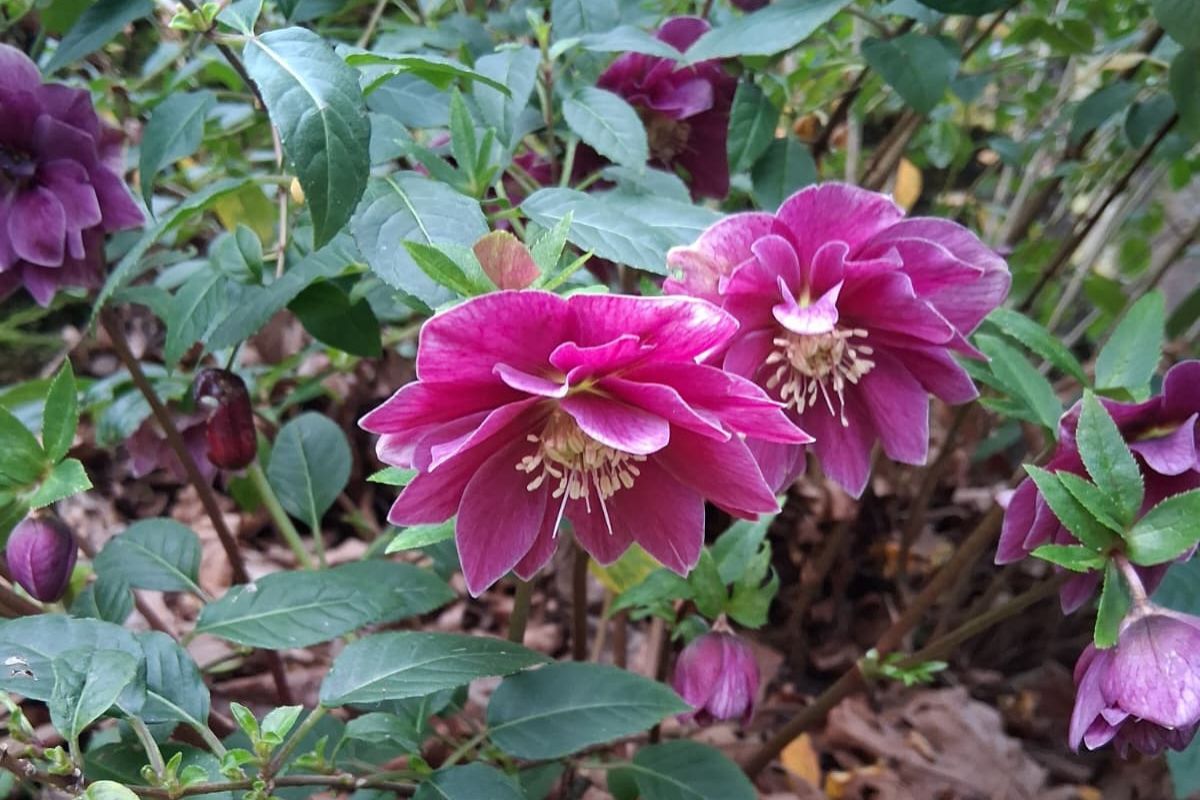
Blooming from late winter into early spring, hellebores offer soft, nodding flowers in muted tones.
Why it works: Extends the season, thrives in shade, and provides early nectar.
Daffodils (Narcissus spp.)
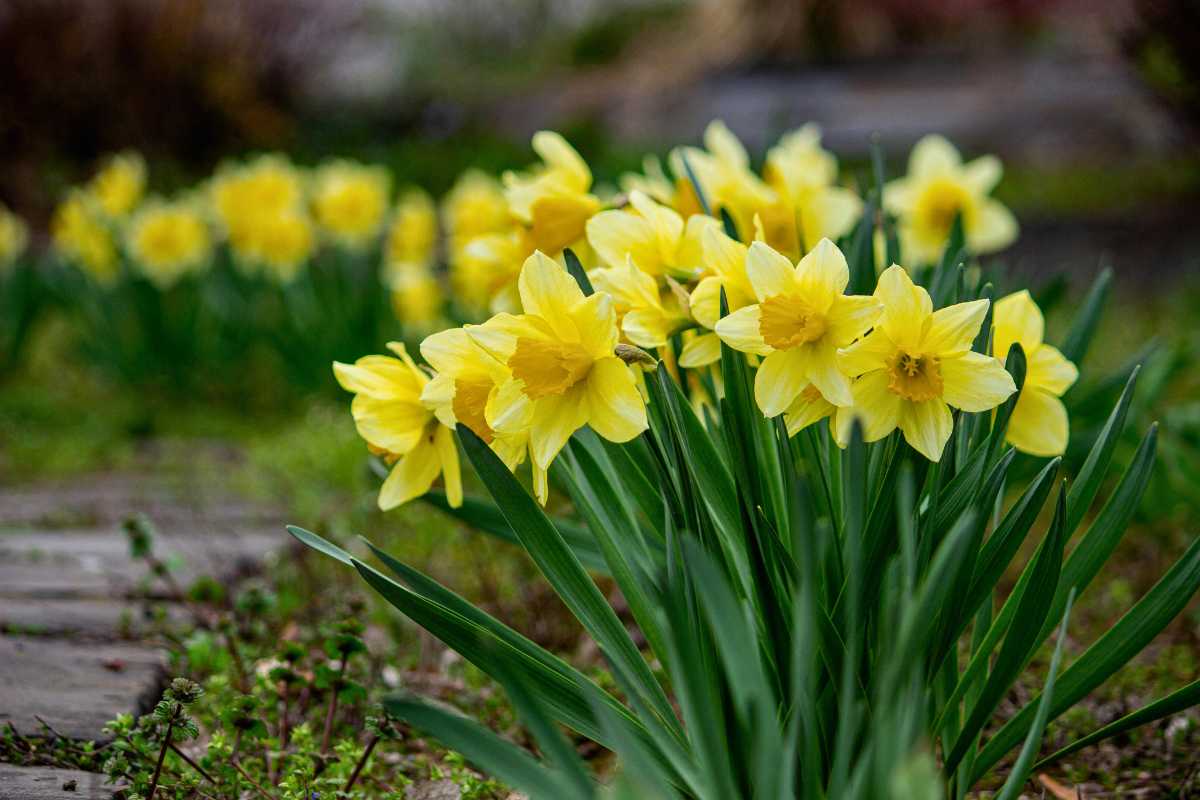
Classic spring bulbs that return year after year with bright, cheerful blooms.
Why it works: Reliable, low-maintenance, and naturally resistant to deer.
Fawn Lily (Erythronium oregonum)
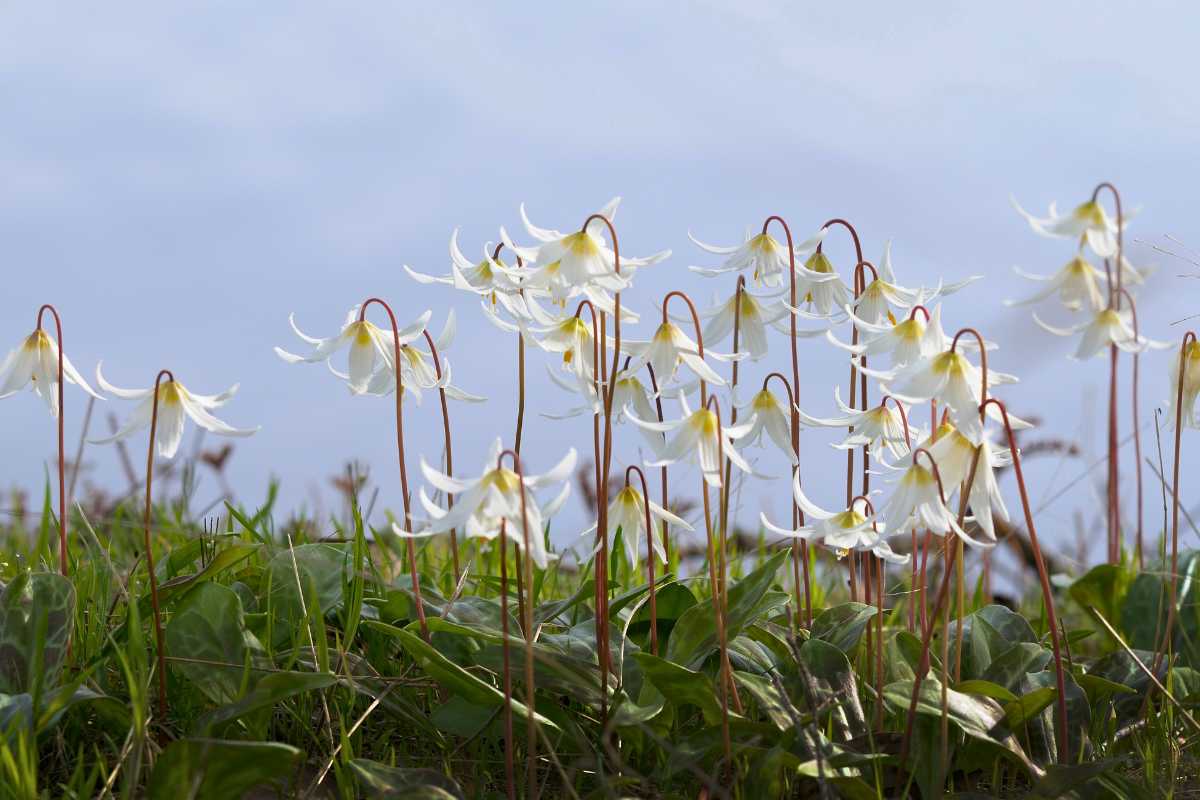
A delicate native with mottled leaves and nodding white flowers. It appears briefly in spring, then fades as summer plants take over.
Why it works: Adds a fleeting, layered quality to woodland gardens.
Vine Maple (Acer circinatum)
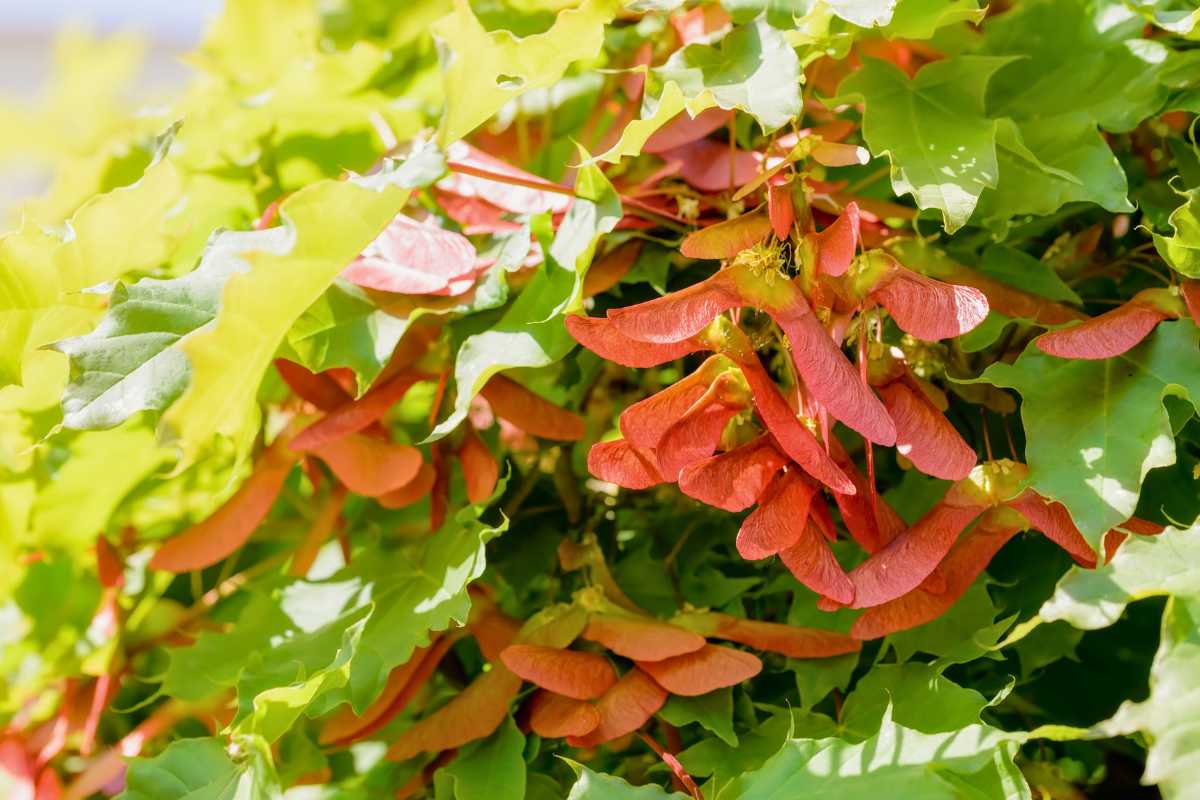
A small native tree that brings fresh green leaves and subtle red flowers in spring, followed by vibrant fall color.
Why it works: A multi-season anchor that supports habitat and softens the landscape.
We invite you to explore this Pacific Northwest native plant guide to learn more about suitable spring plants for Seattle gardens.
Designing a Spring Garden That Evolves Over Time
A spring garden doesn’t need to be overwhelming to feel vibrant. Often, it’s the layering of small seasonal moments that creates a lasting impact.
Consider:
- Combining early blooms with emerging foliage for texture and depth
- Including native plants to support pollinators from the very beginning of the season
- Planting in layers—groundcovers, perennials, and shrubs working together
- Allowing space for plants that appear and recede naturally through the seasons
With thoughtful design, spring becomes less of a moment and more of a transition that carries your landscape forward.
Bringing Spring Into Your Landscape
Whether you’re updating a small garden bed or rethinking your entire landscape, we’ve crafted a spring seasonal color planting program for Seattle’s homeowners that you might find useful.
It’s where color, ecology, and daily life start to reconnect outdoors.
If you’re ready to add spring interest to your landscape in a way that feels lasting and aligned with your space, we’re here to help. Schedule a planting consultation and explore what’s possible this season.