
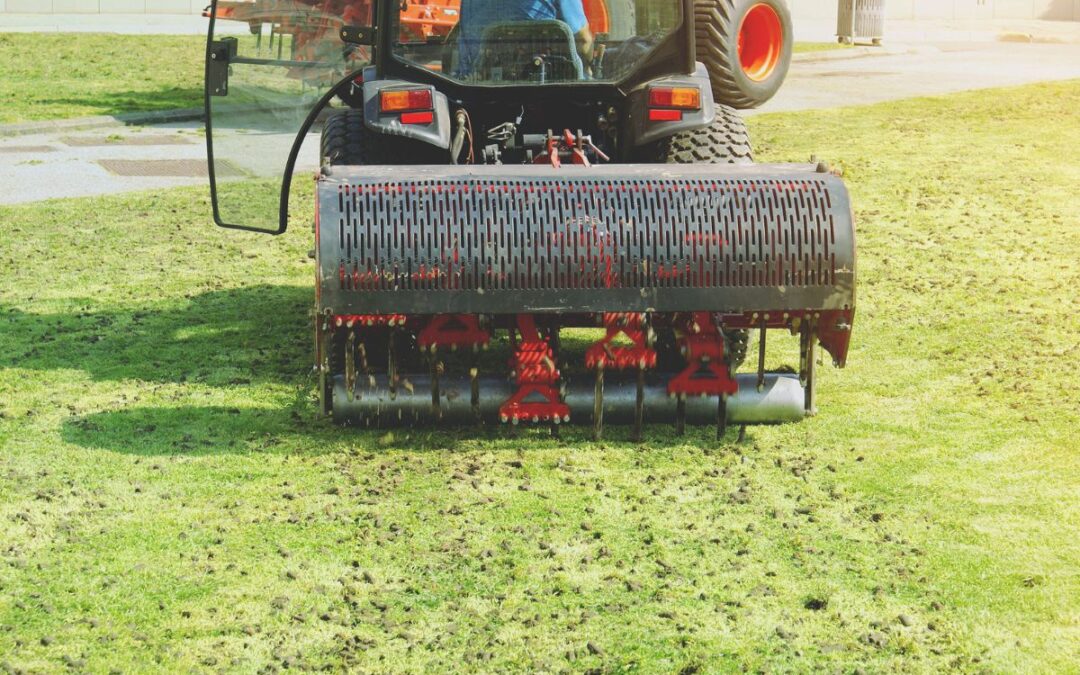
Lawn Aeration and Dethatch
Most homeowners want a lawn that looks lush, feels soft underfoot, and holds up to kids, pets, and backyard hangouts. Just a few realize that achieving that picture-perfect lawn doesn’t just come down to watering and mowing, but it starts below the surface.
That’s where dethatching and aerating come in.
At Seattle Sustainable Landscapes, these two services are cornerstones of our eco-conscious lawn care packages. Besides improving your lawn’s appearance, they also promote long-term soil health, which is essential for sustainable turf growth in the Pacific Northwest.
Thatch: What Is and Why Does It Matter?
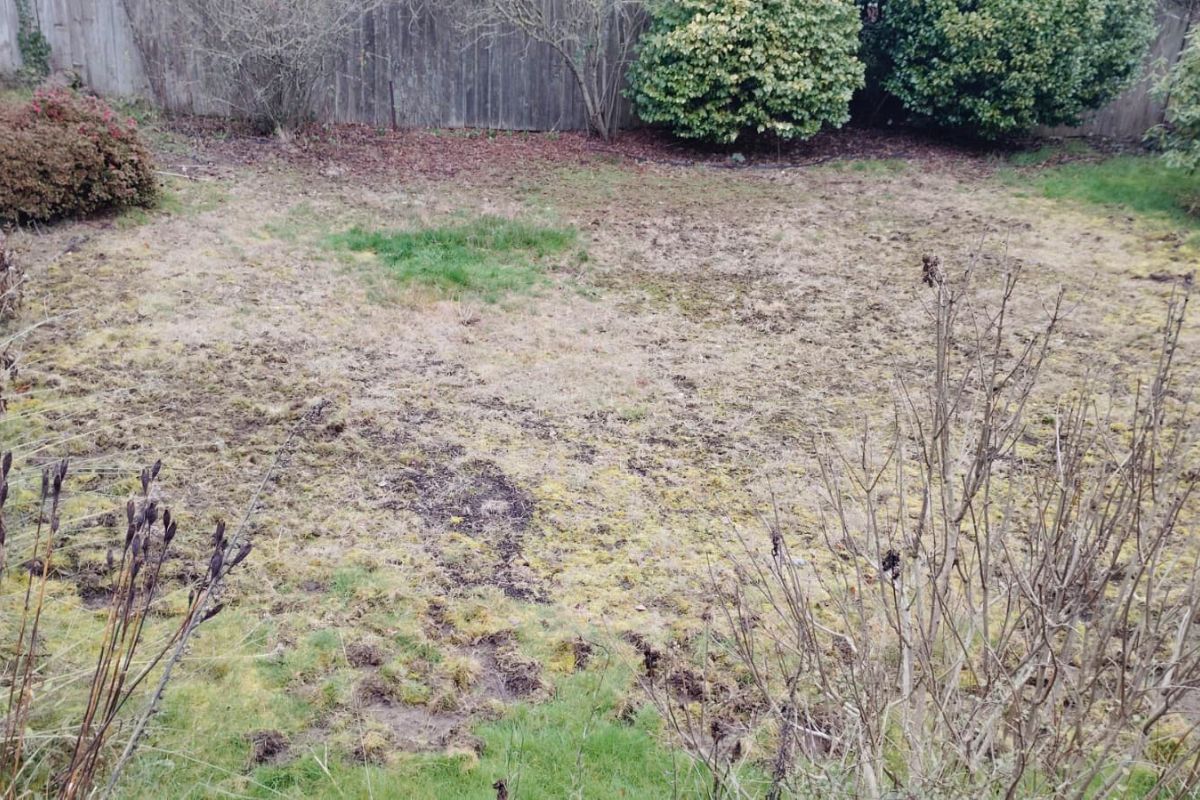
Thatch is a layer of dead grass, roots, and organic matter that accumulates between the soil and the green grass blades. A small amount of thatch (under ½ inch) is perfectly natural—and even beneficial. But when that layer becomes too thick, it starts to cause problems.
Excessive thatch can block water, air, and nutrients from reaching the soil. Also, these conditions can attract pests and fungal diseases, besides leading to shallow root growth, and making your lawn feel spongy or bouncy underfoot.
In Seattle, cool-season grasses like perennial rye and fine fescue can build up thatch more quickly, especially when overfed with synthetic fertilizers or mowed infrequently.
What Is Dethatching?
Dethatching is the mechanical process of removing that thick layer of dead material to give your lawn a fresh start.
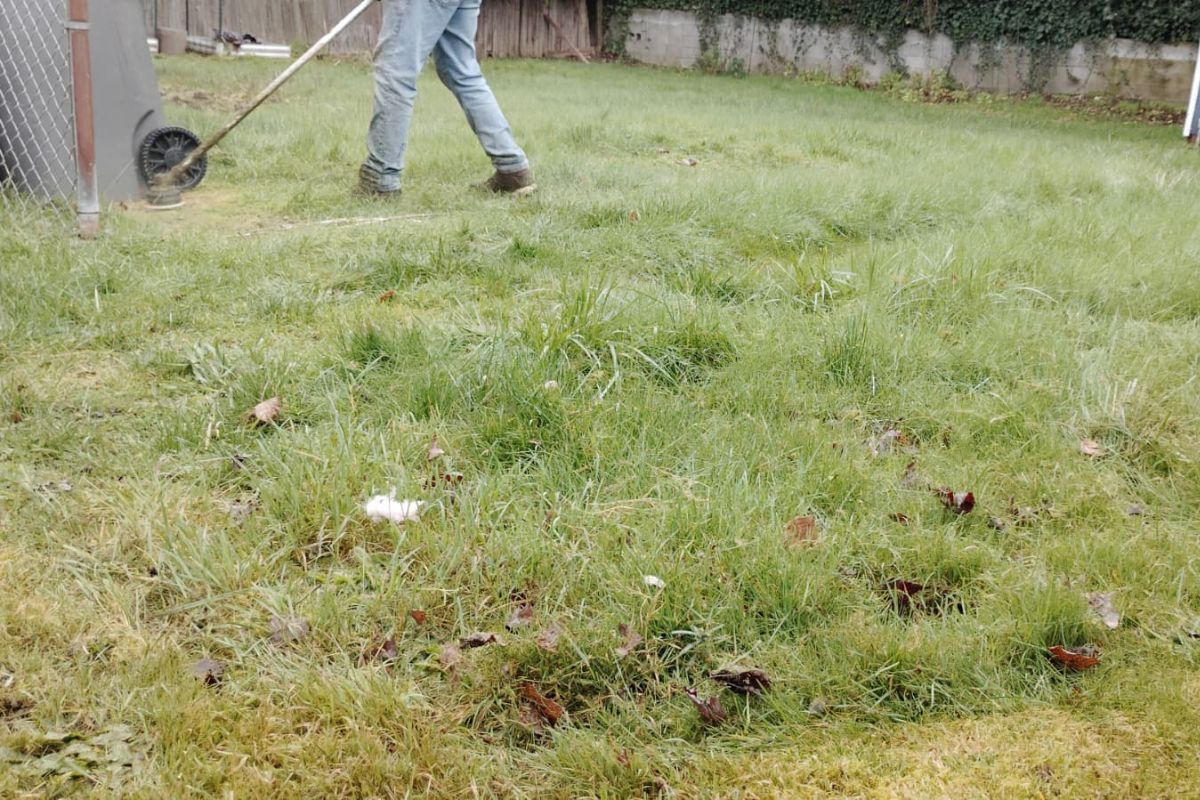
We use a specialized dethatching rake or power dethatcher to lift and remove excess thatch. This opens up the soil surface and gives grass room to breathe and grow.
Benefits of dethatching include:
- Improved nutrient and water penetration
- Less disease pressure
- A more even, vibrant lawn surface
- Better seed-to-soil contact if overseeding
Dethatching is typically done in early spring or early fall—before or after the lawn’s most active growing periods.
What Is Aerating?
Aeration (often “core aeration”) involves removing small plugs of soil from the lawn to relieve compaction and improve oxygen flow to the root zone.
In Seattle’s clay-heavy soils, compaction is a common issue—especially in high-traffic areas or lawns with poor drainage. Compacted soil makes it hard for roots to grow deep and for water to soak in efficiently.
Core aeration helps by:
- Allowing air, water, and nutrients to reach deeper roots
- Stimulating beneficial soil microbes
- Encouraging thicker, more drought-tolerant turf
- Reducing water runoff and pooling
Think of aeration as loosening the soil’s “pores” so your lawn can breathe.
Aeration and Dethatch Support Soil Health
Both dethatching and aerating directly support the health of your lawn’s soil, which is the foundation of everything else.
When the soil is healthy, microbial activity grows, helping to break down organic matter and suppress diseases. Among other important benefits of a healthy soil, you’ll notice better drainage, less moss and fungal issues (both common in Seattle), and deeper roots, which improve resilience during summer drought.
A stronger turf can naturally crowd out weeds and reduce the need for chemical treatments. So, if your lawn struggles with patchiness, sponginess, excessive moss, or shallow growth, your soil is likely asking for some attention.
How These Services Fit into a Lawn Care Package
When paired with the right follow-up treatments, dethatching and aerating become powerful tools for transforming your lawn. Here’s how we typically integrate them into a full-season lawn care plan:
Timing: Spring vs Fall
- Dethatch (if needed): Remove thick thatch layers
- Core aerate: Relieve compaction and open up the soil
- Apply compost or organic fertilizer: Feed the soil microbes
- Overseed with the right grass blend: Fill in bare spots and improve turf density
- Topdress: Lightly cover seeds with compost for moisture retention and soil improvement
This process is especially effective in lawn renovations or for homeowners looking to upgrade from a struggling, patchy yard to a thick, green, sustainable lawn.
How Often Should You Dethatch or Aerate?
- Dethatching: Only when thatch exceeds ½ inch. For most Seattle lawns, this may be every 2–3 years.
- Aerating: Once a year is ideal for most lawns, especially those on clay soil or with frequent foot traffic.
We often schedule these services in early spring (March–April) or early fall (September–October) when grass is actively growing and can recover quickly.
Final Thoughts: Build Your Lawn from the Soil Up
Regular mowing and watering will only get you so far if your soil is compacted or choked by thatch. Dethatching and aerating restore the natural cycles your lawn depends on—and when paired with organic lawn care practices, they create a healthier, more sustainable landscape over time.
At Seattle Sustainable Landscapes, we take a soil-first approach to everything we do. Our dethatching and aeration services are more than seasonal maintenance—they’re part of a long-term strategy to help your lawn thrive naturally.
Your lawn doesn’t need more inputs; it needs healthier soil.
Let’s talk about what your lawn needs this season.
📞 Contact Seattle Sustainable Landscapes to schedule a lawn assessment or ask about bundling these services into a full-season care package.