
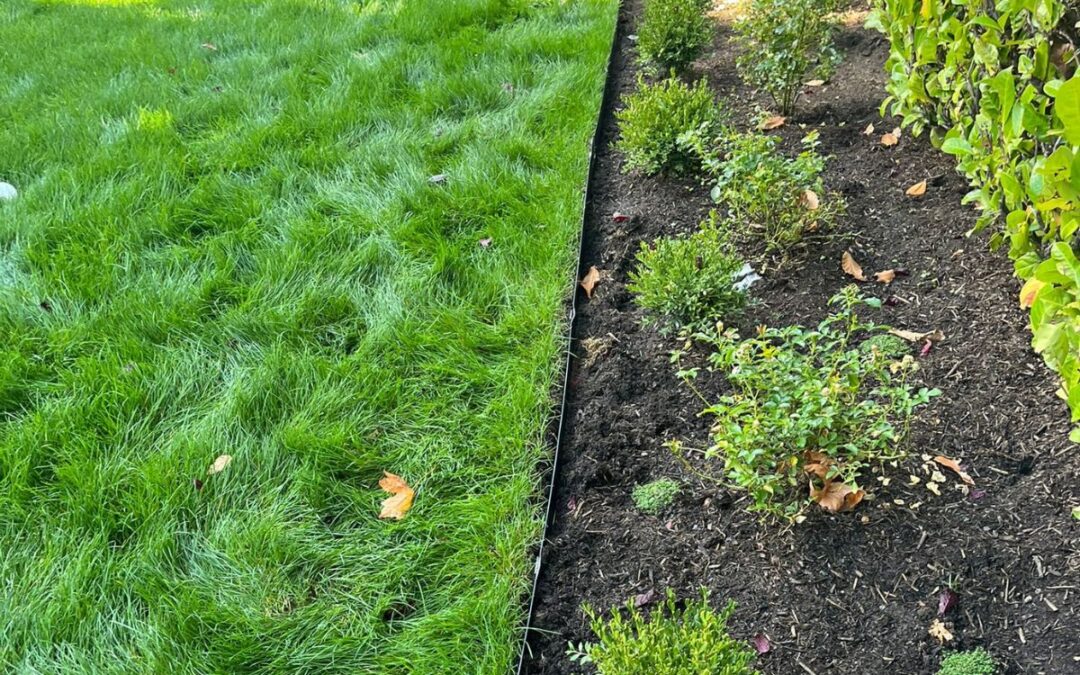
If you’ve ever researched lawn or landscape services, you’ve probably seen the terms organic, natural, eco-friendly, and conventional thrown around. But what do they actually mean? And more importantly: which approach is better for your Seattle property?
Organic vs Conventional Lawn Care in Seattle
The main difference between organic and conventional lawn care is focus. Conventional programs feed the plant directly using synthetic fertilizers for fast visual results. Organic lawn care feeds the soil, building microbial life and root strength for long-term resilience—an important distinction in Seattle’s wet climate.
Let’s break it down clearly and honestly.
What Is Conventional Lawn Care?
Conventional landscape maintenance typically relies on synthetic fertilizers, chemical herbicides, pesticides, and fast-acting nutrient programs designed to produce quick, visible results.
For example:
- Lawn looks greener within days
- Weeds disappear quickly
- Growth accelerates rapidly
These programs often focus on feeding the plant directly with high-salt synthetic inputs.
Pros of Conventional Care
Conventional care delivers fast results, is widely available, and often carries a lower upfront cost. Its short-term performance is predictable and visually dramatic.
Cons of Conventional Care
- Can weaken soil biology over time
- May increase dependency on repeated applications
- Higher runoff risk during heavy Seattle rains
- Potential impact on pets, pollinators, and waterways
In Seattle, where rainfall can carry surface treatments into storm drains and Puget Sound, runoff matters. Protecting Puget Sound water quality.
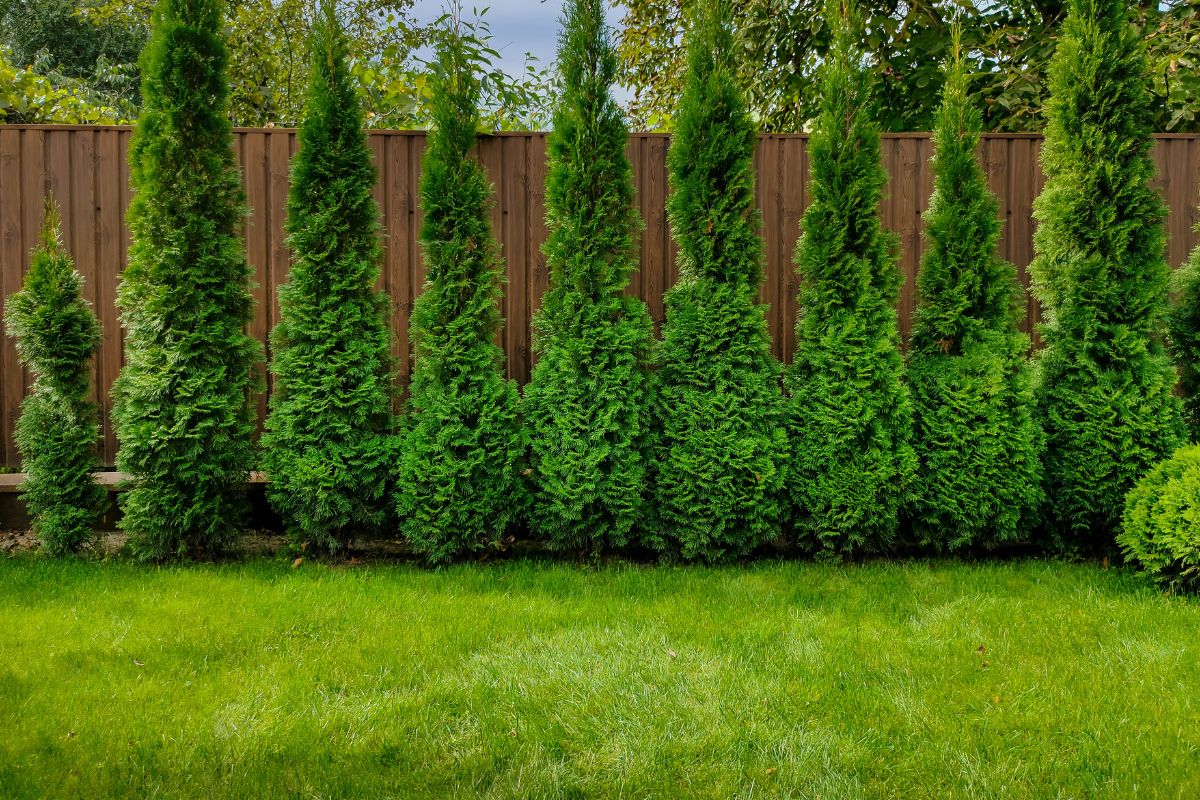
What Is Organic Lawn Care?
Organic maintenance focuses on building soil health first.
Instead of directly feeding the plant with synthetic nutrients, organic programs aim to:
- Improve soil structure
- Stimulate microbial activity
- Increase organic matter
- Strengthen root systems
- Improve natural nutrient cycling
The result is slower, steadier improvement — but longer-lasting health.
Pros of Organic Care
Organic care builds resilient soil, improves root depth, reduces long-term input needs, and lowers environmental impact. It’s also safer for pets and children and supports pollinators and beneficial organisms.
Cons of Organic Care
- Slower visible results
- Requires patience
- May cost slightly more initially
- Requires knowledge of soil biology
Organic care is not a quick cosmetic fix. It’s a long-term investment.
How Seattle’s Climate Changes the Equation
Seattle landscapes face heavy winter rainfall, nutrient leaching, compacted soils, moss pressure, and summer drought stress. All these conditions make soil structure critically important.
High-salt synthetic fertilizers can:
- Increase soil compaction over time
- Reduce microbial diversity
- Create shallow root systems
- Increase lawn dependency on repeated inputs
Organic programs help counteract those challenges.
The Truth: It’s Not Always Black and White
There are times when targeted conventional products may be appropriate — especially for severe pest or weed infestations.
But relying entirely on synthetic, high-impact treatments year after year often leads to long-term soil decline.
A balanced, soil-first approach tends to produce better results over time.
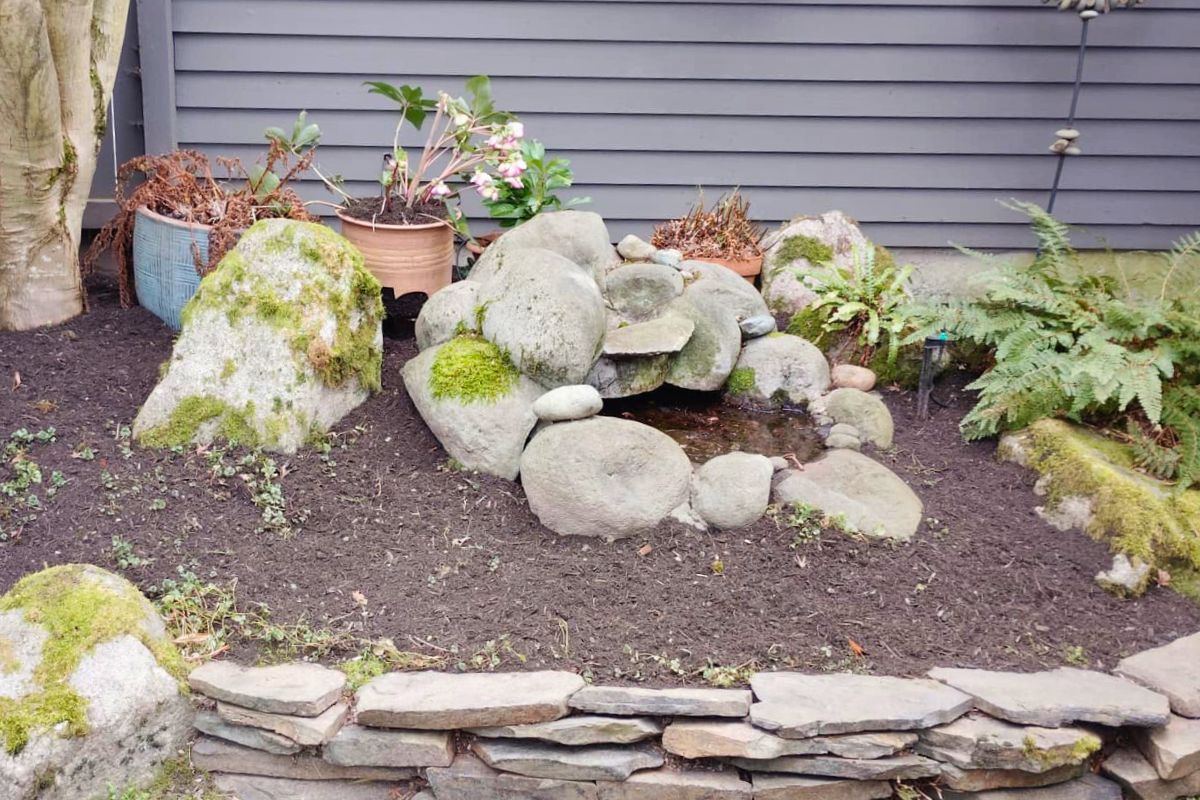
Organic vs Conventional Lawn Care: Long-Term Results
Here’s what we typically see:
With Conventional Programs:
- Lawns look good initially
- Fertilizer dependency increases
- Soil becomes less biologically active
- Weed pressure fluctuates
- More frequent inputs required
With Organic Programs:
- Year 1: Gradual improvement
- Year 2: Stronger root systems
- Year 3+: Noticeable resilience, thicker turf, reduced intervention
Organic care compounds positively.
What About Moss in Seattle Lawns?
In Seattle, moss is often a soil health issue, not just a nuisance. Conventional treatments may kill moss temporarily. But unless soil compaction, drainage, and density are addressed, moss returns. Organic soil-building strategies help reduce the conditions moss prefers.
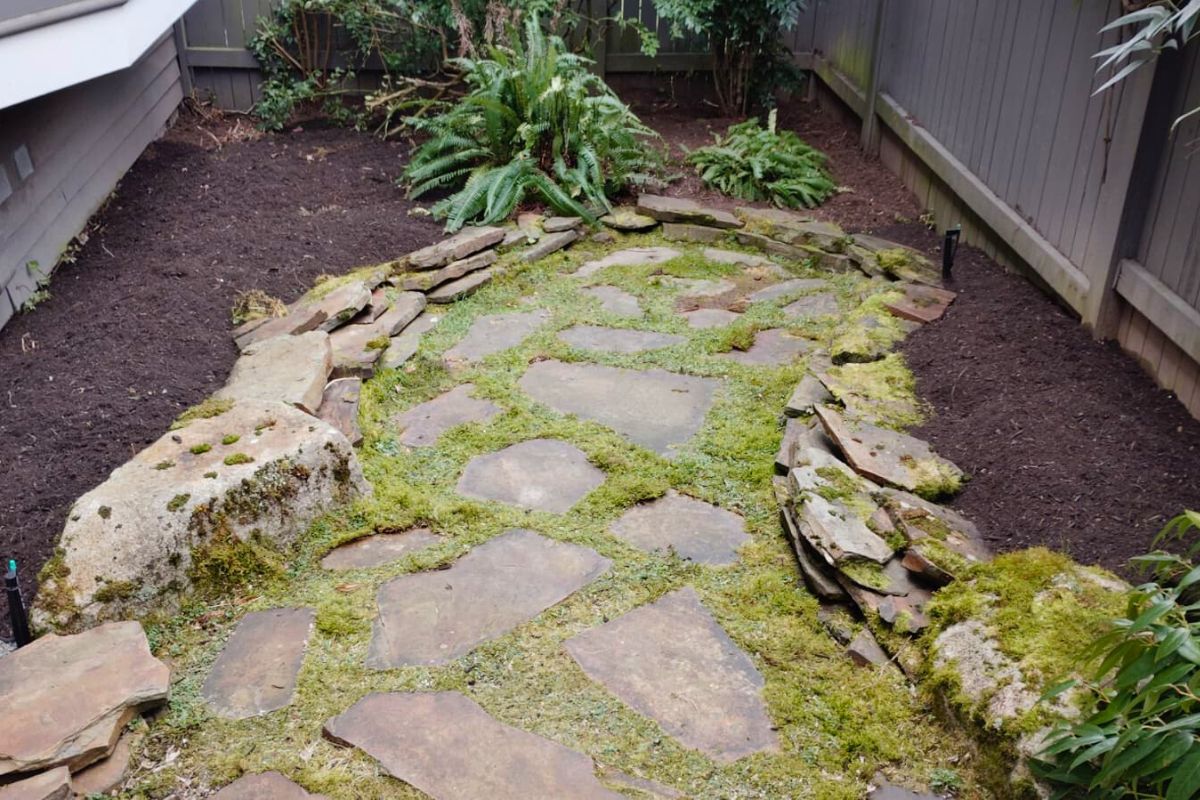
Which Lawn Care Approach Is Right for You?
If your goal is:
✔ Quick cosmetic improvement → Conventional may achieve that faster.
✔ Long-term resilience → Organic is typically superior.
✔ Environmental responsibility → Organic aligns better.
✔ Reduced long-term dependency → Organic wins.
If you’ve invested in your landscape design, irrigation, or soil restoration, organic maintenance protects that investment.
Our Soil-First Philosophy at Seattle Sustainable Landscapes
At Seattle Sustainable Landscapes, we take a soil-first, sustainable approach.
That means:
- Organic fertilizers
- Biological soil support
- Compost and organic matter integration
- Thoughtful, minimal chemical use
- Long-term strategy over short-term appearance
We believe landscapes should mature and strengthen over time — not become chemically dependent.
Final Thoughts
While conventional lawn care focuses on feeding plants, organic landscape care focuses on building ecosystems. And in Seattle’s climate, ecosystems matter.
At SSL, we evaluate soil health, drainage, sun exposure, and long-term goals before recommending a program. So, is you’re wondering which approach best fits your yard: send us you inquiry.