
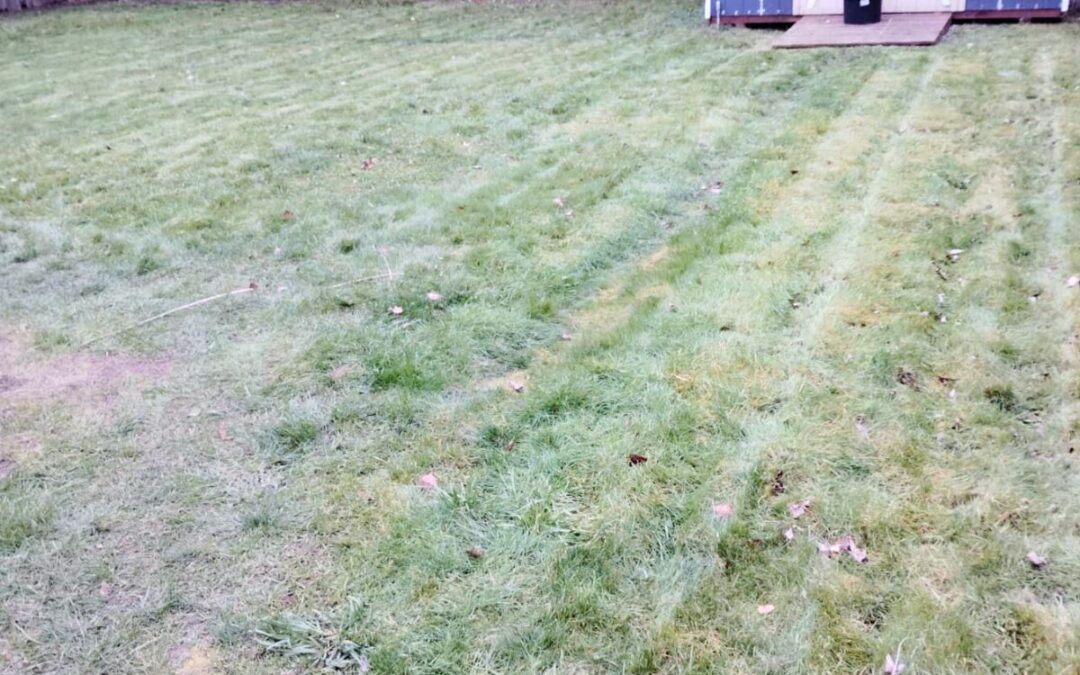
Soil restoration is often the missing piece when a landscape stops responding. The lawn isn’t terrible, the shrubs aren’t dead, but everything feels underwhelming. You fertilize, water, and maintain, yet the lawn stays thin and plants never quite reach their potential.
In Seattle, this kind of slow plateau is often less about what’s happening above ground and more about the condition of the soil beneath it. Understanding when soil needs restoration can be the turning point between ongoing frustration and long-term improvement.
So how can you tell if your soil is struggling?
Common signs that soil needs restoration include thin turf, recurring moss, pooling water, hard ground, and increasing dependency on fertilizer. In Seattle, these symptoms often point to compaction, low organic matter, and disrupted soil biology.
What Soil Restoration Really Means
Soil restoration is the process of improving soil structure by:
- increasing organic matter
- stimulating microbial life
- relieving compaction
- rebalancing nutrients
- improving water movement.
It’s about rebuilding the foundation, not just feeding the surface.
Common Signs your Soil is Struggling
Thin Lawn Despite Fertilizer
If you’ve fertilized regularly but your lawn still looks pale, weak, and patchy, the issue may be poor soil structure, not lack of nutrients.
When roots can’t grow deep due to compaction, no amount of fertilizer will fix density.
Moss That Keeps Returning
In Seattle, moss is common. It grows in shaded wet areas, but compacted soil with poor drainage, thin turf, and acidic conditions raises it.
If you’ve treated moss before and it returns quickly, your soil likely needs structural improvement.
Pooling Water After Rain
While healthy soil absorbs water like a sponge, compacted soil repels water or drains too slowly.
If you notice standing water, muddy areas, and slow drainage, your soil structure may be compromised.
Plants Struggle Even With Irrigation
If your irrigation system works properly, but plants still:
- Wilt quickly in summer
- Yellow in spring
- Grow slowly
- Develop shallow roots
The soil may lack organic matter or biological activity.
Soil Feels Hard or Compacted
This is a simple test. After rainfall, try pushing a screwdriver into your lawn. If it stops quickly, requires significant force, or barely penetrates, compaction is likely present.
Seattle’s glacial soils make this very common.
Increasing Fertilizer Dependency
If your landscape requires more frequent fertilizer and more weed control each year, the soil may be losing its natural resilience.
Healthy soil reduces dependency over time.
Weeds Outcompete Turf
Since weeds are opportunistic, they readily invade thin lawns or soils that are experiencing nutritional imbalance or compaction.
If weeds outcompete turf year after year, the problem is often below the surface.
No History of Soil Work
Maintaining soil involves a few services that many Seattle homes have never received:
- Aeration
- Compost topdressing
- Soil amendments
- Biological stimulation
- Structured fertilization
If that’s your case, restoration isn’t unusual — it’s overdue.
What Happens If Soil Isn’t Restored?
When people skip their soil restoration, its decline will happen slowly. In the first year, the lawn will experience a minor thinning. During the second year, you’ll notice more moss and more weeds. By the third year, lawn stress will be evident.
There’s one detail we want to highlight here: early soil restoration is much more affordable than replacement later.
Soil Restoration Program
A proper soil restoration program may involve:
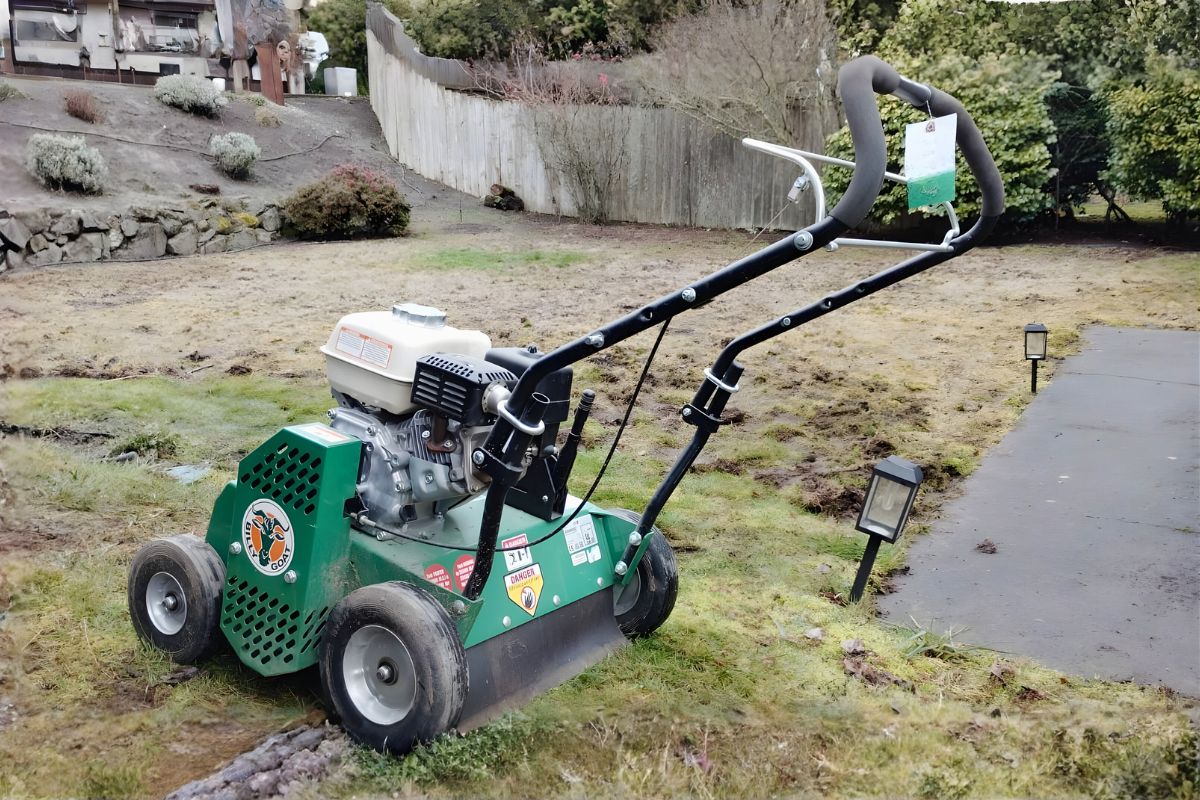
- Core aeration
- Organic fertilization
- Compost application
- Soil conditioners
- Biological amendments
- Seasonal nutrient balancing
- Ongoing monitoring
It’s not a one-time fix. It’s a phased improvement process.
What Results Look Like Over Time
Most improvements occur gradually over 1–3 seasons, with compounding benefits over time.
In the first season, you’ll notice a drainage improvement and a slight density increase. During the second season, you’ll enjoy a stronger turf, less moss, and healthier plant growth. By the third season, you’ll notice a more resilient landscape and fewer inputs required.
This is a long-term treatment that produces lasting results.
Final Thoughts: Soil Asking for Attention
If your landscape feels stuck, the soil may be the missing piece. The plants, the grass, and the shrubs are asking for some attention.
At Seattle Sustainable Landscapes, we offer soil-focused evaluations and restoration strategies tailored to Seattle conditions. Feel free to send us your consultation; we’ll be happy to help!