
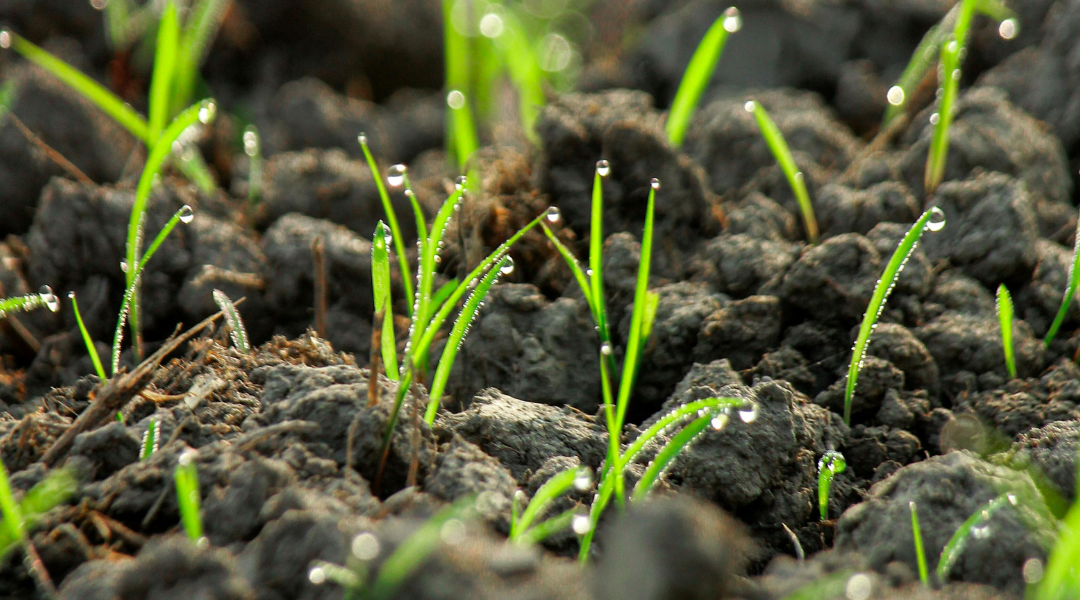
Healthy landscapes begin below the surface. In Seattle gardens, where moisture, soil life, and seasonal change all play a role, pest control often starts with supporting the ecosystem already at work.
One of the most effective tools in that system is beneficial nematodes. These microscopic organisms help manage soil-dwelling pests naturally, working in rhythm with the landscape rather than against it.
What Are Beneficial Nematodes?
Nematodes are microscopic roundworms found in nearly all soils. Some species can damage plant roots, while others play an important role in maintaining balance underground.
Beneficial nematodes—such as Steinernema carpocapsae and Heterorhabditis bacteriophora—focus specifically on insect pests that live in the soil. They help reduce populations of grubs, root weevils, and cutworms, all of which are common in Pacific Northwest landscapes.
Rather than disrupting the system, they become part of it.
How Beneficial Nematodes Work
Once introduced into the soil, beneficial nematodes begin searching for hosts. When they locate a pest insect, they enter through natural openings and release naturally occurring bacteria.
These bacteria break down the host quickly, creating an environment where nematodes can reproduce. Over time, new generations spread through the soil, continuing the cycle.
It’s a quiet and effective process that works below ground, where many pest problems begin.
Why They Work Well in Seattle Landscapes
Aligned with Natural Systems
Beneficial nematodes support a more balanced soil ecosystem. Instead of relying on synthetic inputs, they work alongside existing biology to manage pest pressure.
Targeted and Low Impact
They focus on specific soil-dwelling insects, without affecting pollinators, pets, or people. This makes them a good fit for residential landscapes where multiple uses overlap.
Well-Suited to Local Conditions
Seattle’s soils, combined with consistent moisture through much of the year, create conditions where nematodes can move and establish more easily.
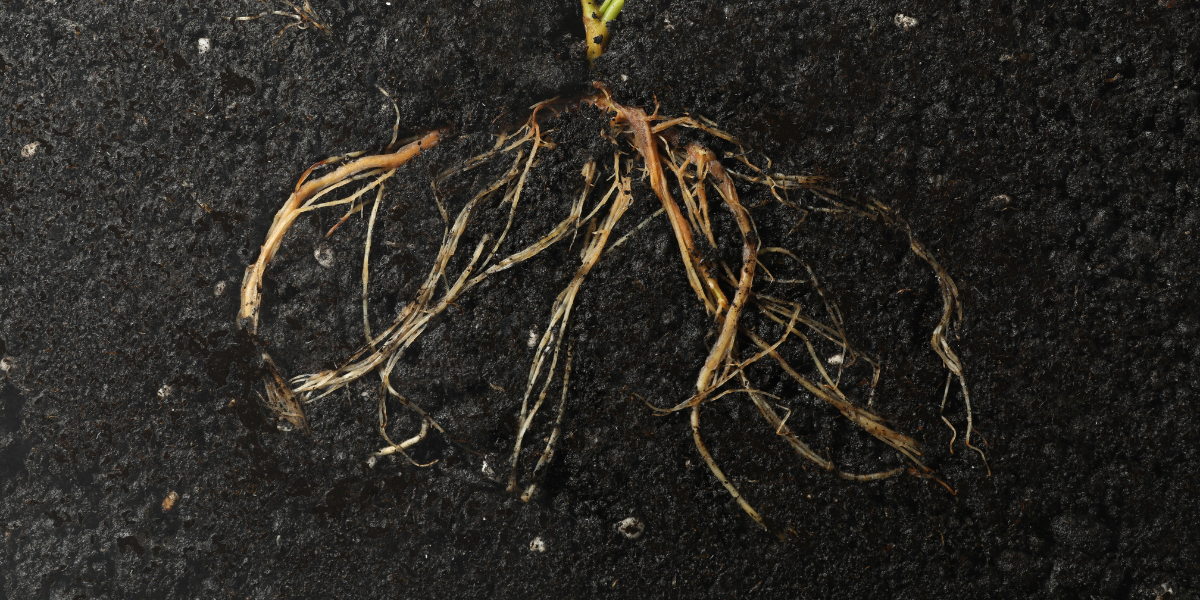
When to Consider Beneficial Nematodes
Nematodes are most useful when there’s an active or recurring issue with soil pests. Signs might include:
- Thinning or damaged lawn areas caused by grubs
- Root feeding from weevils or similar insects
- Plants that struggle despite adequate water and care
They can also be used proactively in landscapes where pest cycles tend to repeat over time.
Applying Beneficial Nematodes Thoughtfully
Like most living systems, timing and conditions matter.
- Choose the Right Species
Different nematodes target different pests. Matching the species to the problem helps ensure better results. - Apply in Mild Conditions
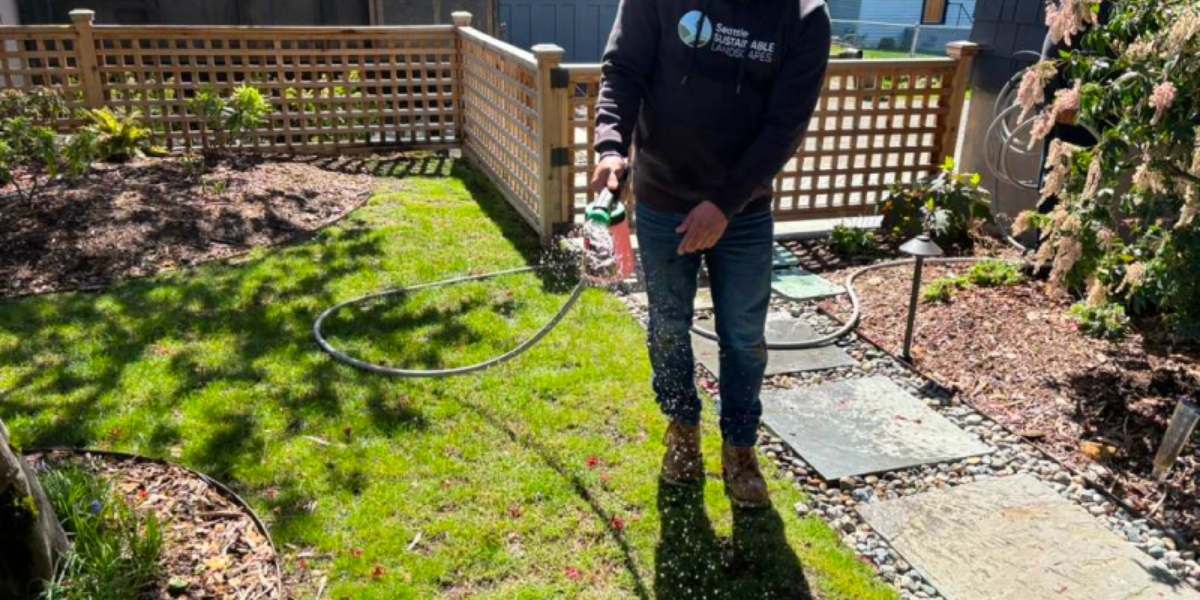
Early morning or evening applications allow nematodes to settle in without exposure to heat or direct sun. - Support with Moisture
Moist soil helps them move and establish. Watering before and after application creates a more supportive environment. - Think in Cycles
In some cases, multiple applications over time help reduce pest populations more effectively, especially in established infestations.
A More Connected Approach to Pest Management
Beneficial nematodes are one part of a broader way of caring for landscapes—one that looks at soil, water, plants, and long-term patterns together.
They don’t act as a quick fix. Instead, they contribute to a system that becomes more stable and resilient over time.
At Seattle Sustainable Landscapes, we integrate approaches like this into our ongoing care—supporting landscapes as living systems that continue to evolve.
Supporting Your Landscape, Below the Surface
When soil is active and balanced, the rest of the landscape responds. Growth becomes more consistent, pest pressure softens, and maintenance becomes more predictable.
If you’re exploring natural pest control in Seattle, including the use of beneficial nematodes, we’re here to help you think it through in a way that fits your space and how you use it.