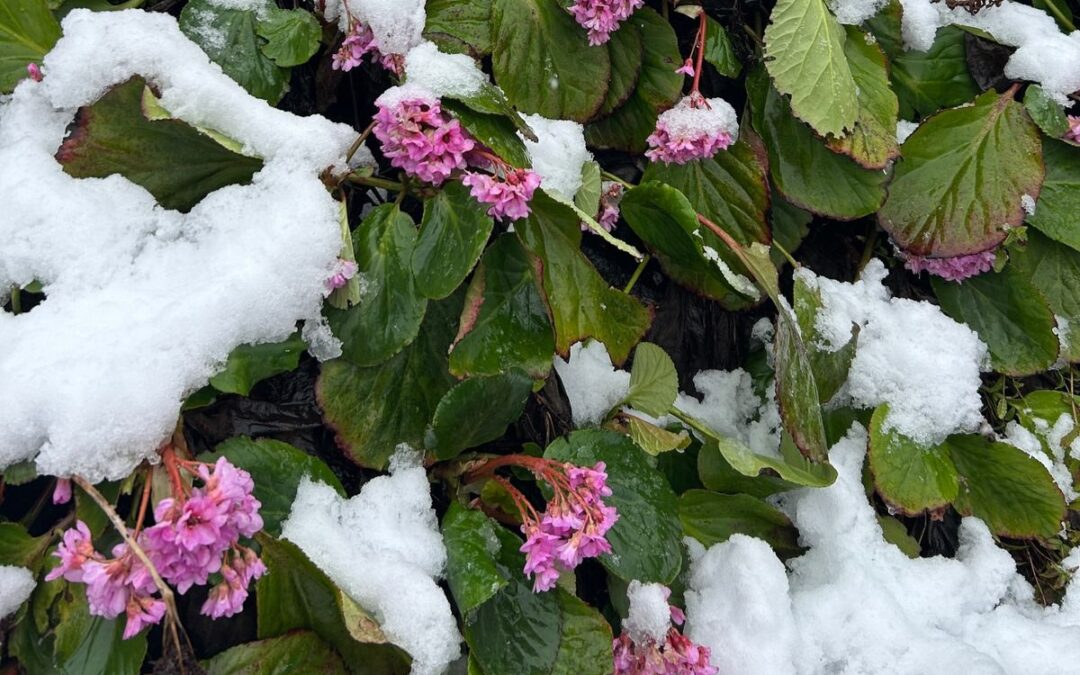
When we think of winter in Seattle, we often picture mild weather, early sunsets, and rainy days. Yet a garden can still offer plenty to enjoy during these months. Some plants bring evergreen structure, colorful stems, interesting textures, and fragrance, while others bloom in the middle of winter when the garden feels quieter.
At Seattle Sustainable Landscapes, we design outdoor spaces for all four seasons. Choosing the right winter interest plants helps create Seattle gardens that remain engaging throughout the year, even during the colder, darker months.
Here are some of our favorite plants for adding color, texture, and seasonal interest to Pacific Northwest gardens.
Winter-Blooming Plants for Seattle Gardens
Hellebore (Helleborus orientalis)

Hellebores bloom from late winter into early spring, often through the frost and rain. Their flowers come in a range of colors, from creamy white to deep purple.
Why we love it: They bring color to shady beds and are a valuable nectar source for pollinators.
Witch Hazel (Hamamelis virginiana)
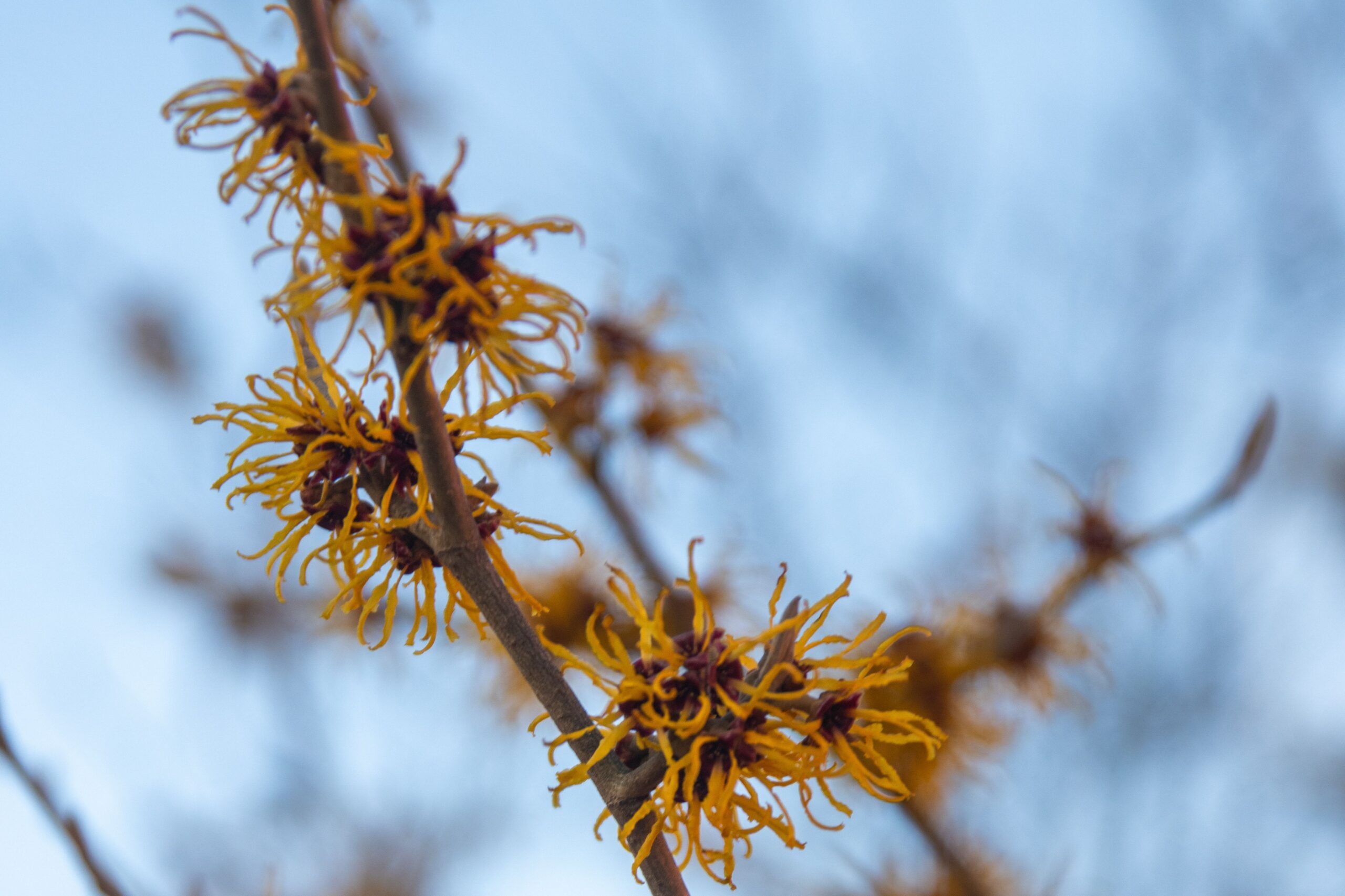
This deciduous shrub or small tree produces bright yellow, spidery flowers in winter, often before the leaves return.
One of our favorite places in Seattle to appreciate winter interest plants is the Witt Winter Garden at the University of Washington Botanic Gardens. There you can see witch hazel and other plants from this list paired together.
Why we love it: Its flowers bring early-season interest and unexpected color.
Manzanita (Arctostaphylos spp.)
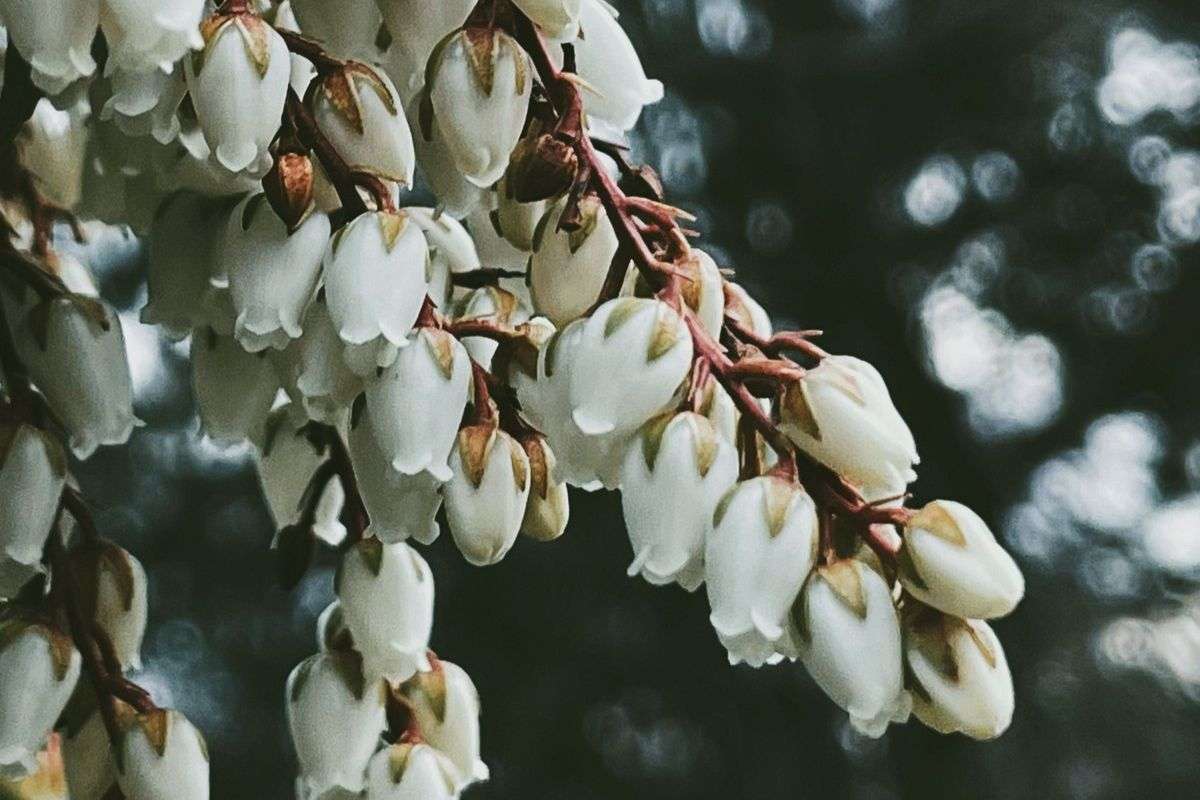
Manzanita offers sculptural branches, peeling bark, and winter-blooming flowers. It brings nectar to the winter garden and prefers full sun and well-drained soil.
Why we love it: It’s a winter-blooming option for full sun, and it supports early pollinators.
Winter Plants That Bring Fragrance to Your Garden
Sweet Box (Sarcococca ruscifolia)
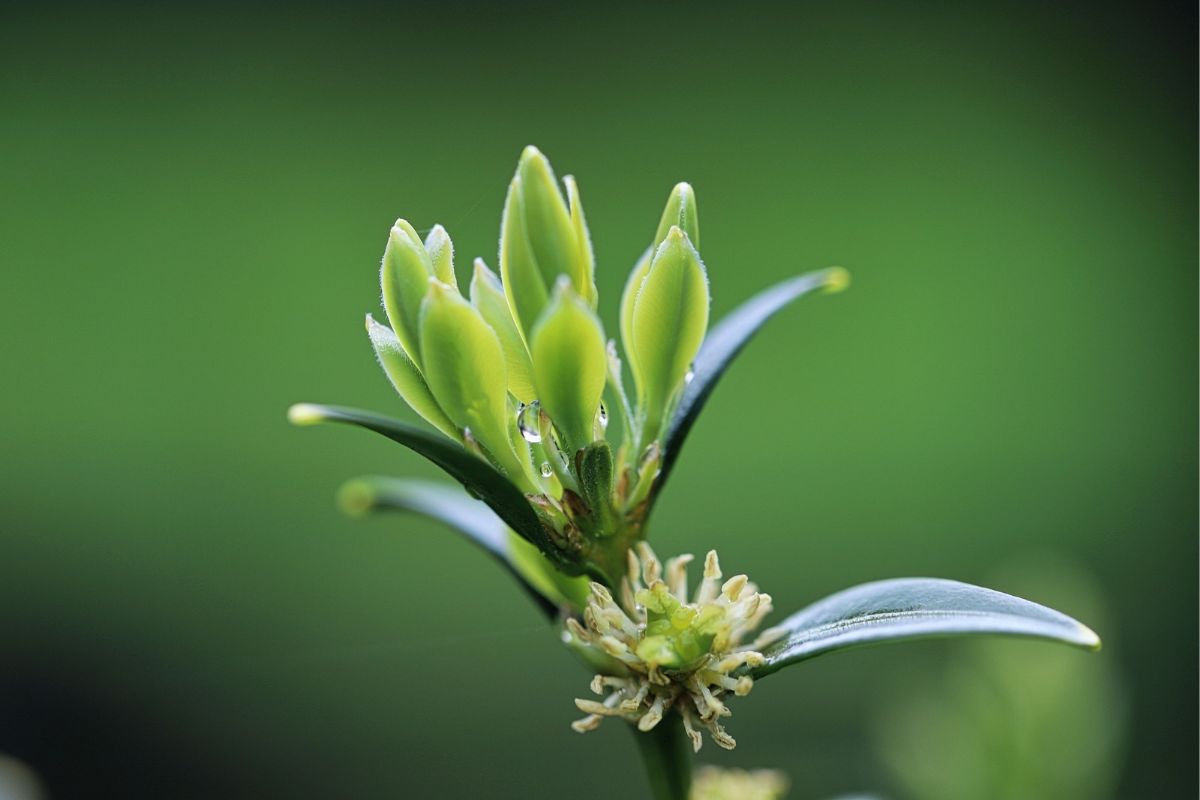
Sweet box is one of our all-time favorite winter plants (and my personal pick). It’s a shade-tolerant evergreen with white flowers that bloom in late winter. Like our other favorite fragrant plants, it fills the air with a sweet scent.
Why we love it: It blooms while other plants in the garden are dormant.
Evergreen Plants for Year-Round Garden Structure
Sword Fern (Polystichum munitum)
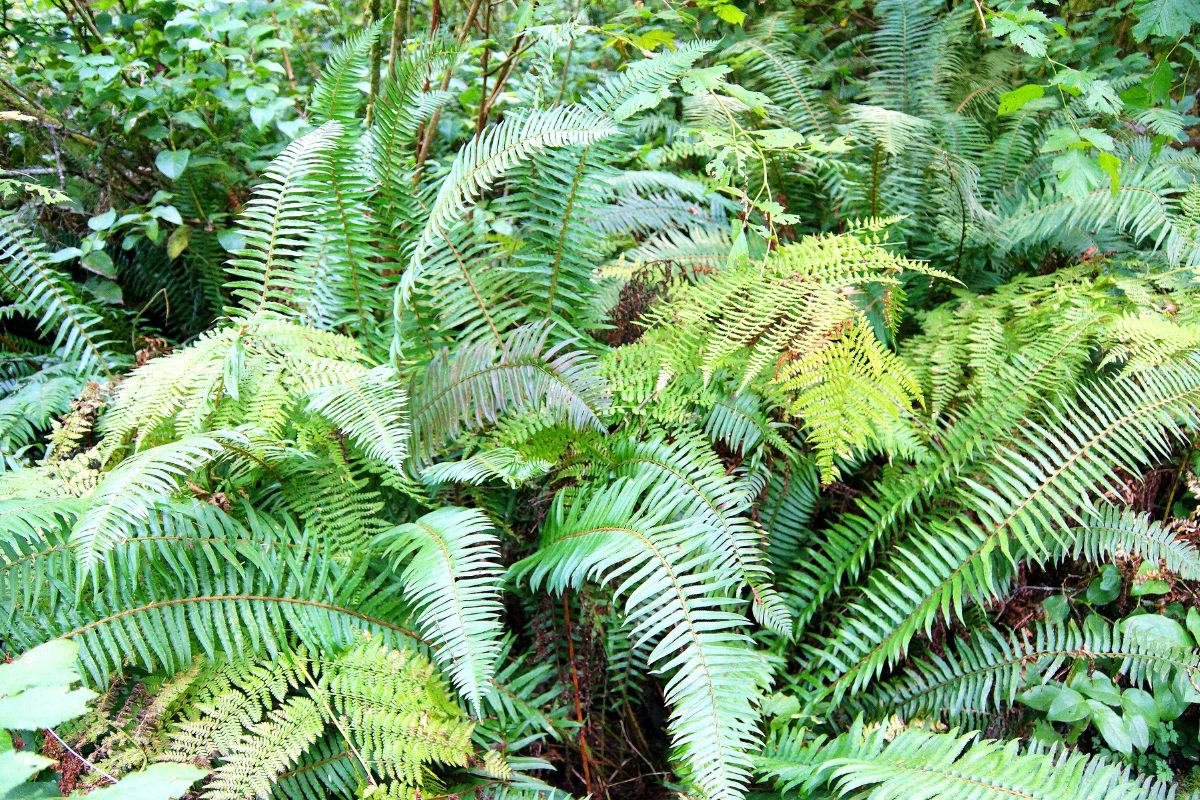
Many native ferns, including sword fern, keep their leaves through winter. They add deep green to dormant spaces, and they pair beautifully with winter-blooming plants.
Why we love it: Evergreen ferns anchor shade gardens and give them that Northwest woodland feel many homeowners look for.
Evergreen Huckleberry (Vaccinium ovatum)
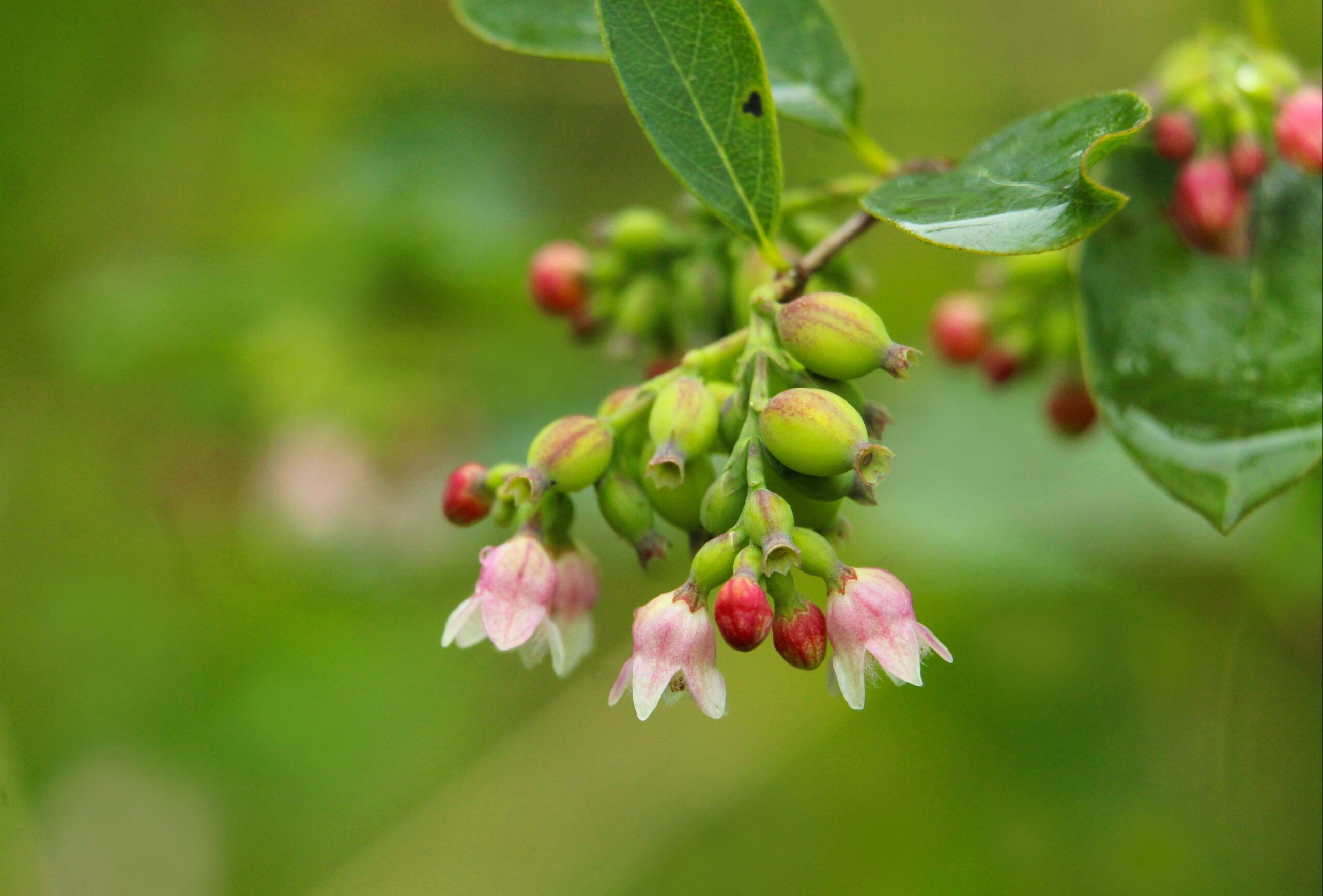
It has glossy evergreen leaves and reddish new growth. Its berries often hang on well into winter and attract birds. I wrote an article on how to support birds in your garden, if you want to dive deeper.
Why we love it: It’s a native, low-maintenance plant that looks great in every season.
Plants with Colorful Stems and Winter Foliage
Red-Twig Dogwood (Cornus sericea)
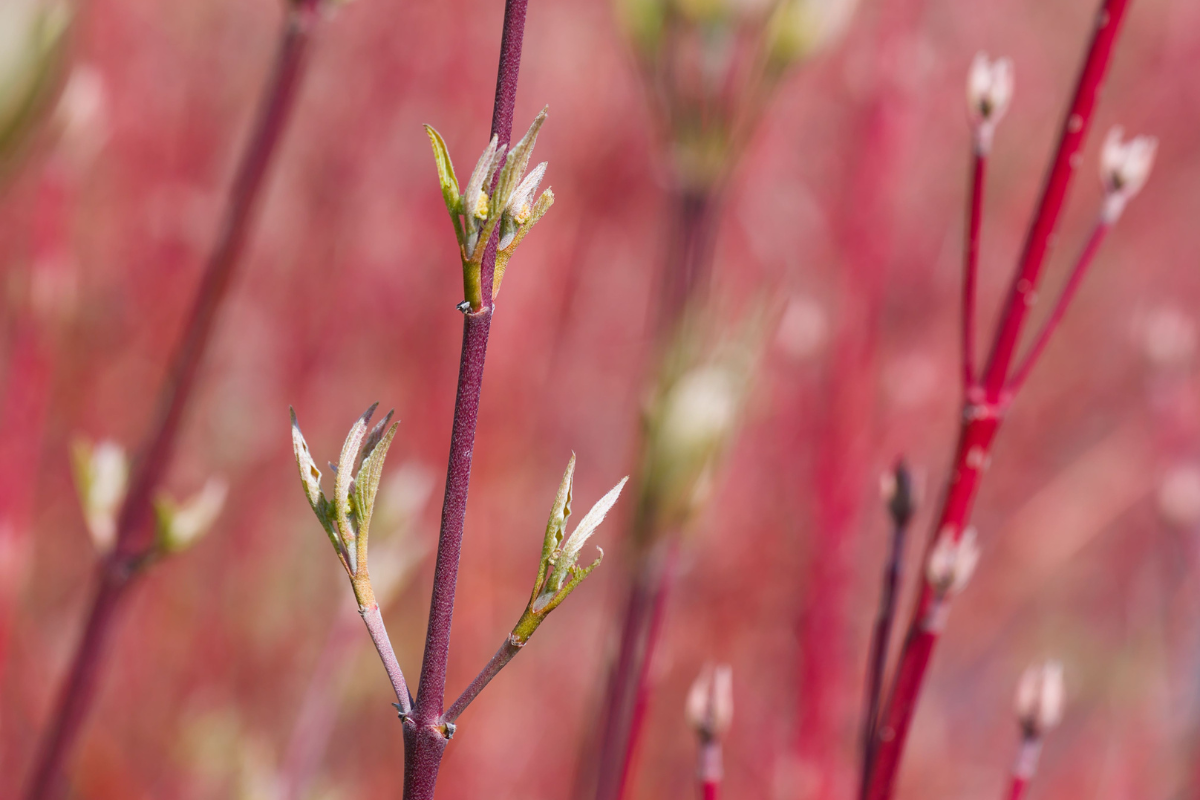
One of the native plants we use most, red-twig dogwood drops its leaves in fall to reveal red stems that add a pop of color during winter. It naturally tolerates wet soils, so it’s a great fit for our rainy winters.
Why we love it: It offers visual impact through the dormant season and supports wildlife.
Coral Bark Maple (Acer palmatum 'Sango-kaku')
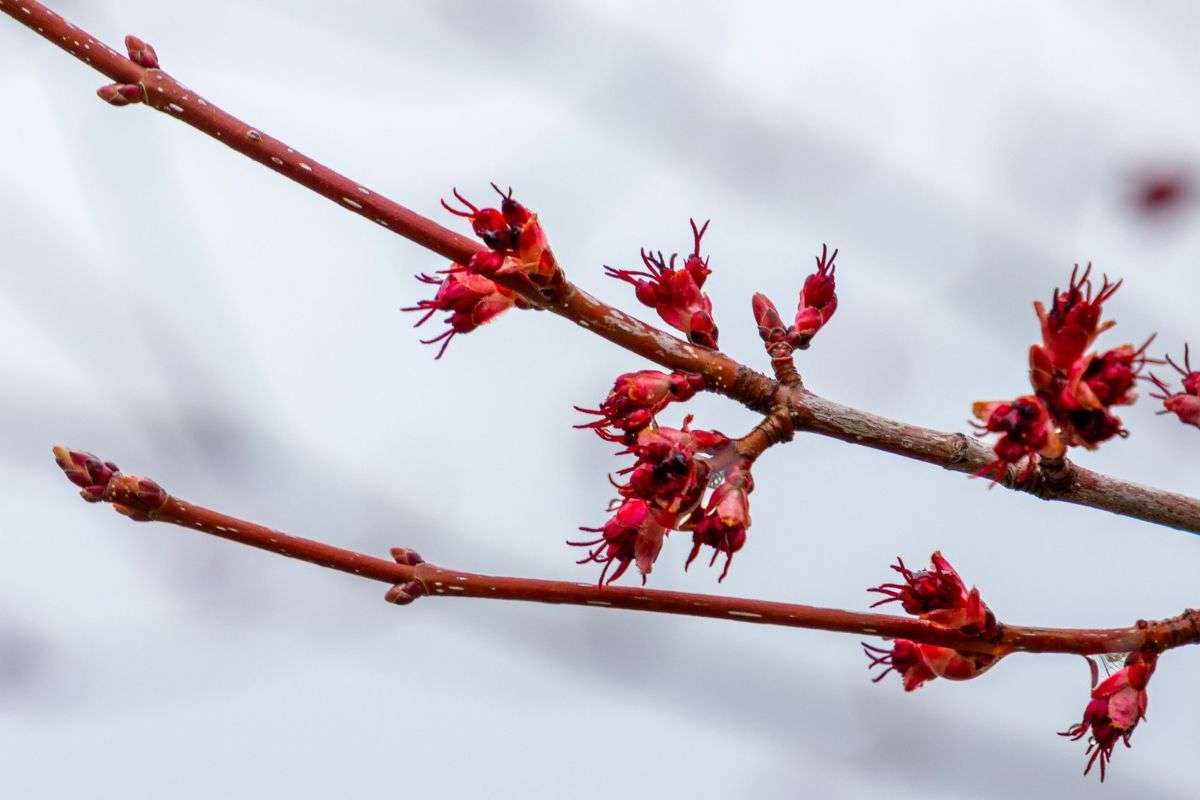
This type of Japanese maple brings vibrant color to the winter landscape with its red branches that look especially bright against evergreens.
Why we love it: It offers year-round beauty: delicate leaves in spring and summer, golden leaves in fall, and red bark in winter.
Designing a Winter Garden
Creating a garden that holds up through the winter comes down to layering: pairing evergreens with plants that have bark, berries, seed heads or flowers to create different points of interest across your yard. Balance shade plants and sun-tolerant species so every corner has something to offer.
Winter gardens can be fragrant, colorful, and in bloom. We’d love to help you design a landscape that inspires you, even in the heart of the rainy season. Explore our Seattle landscape design projects to see how we plan for every season.