
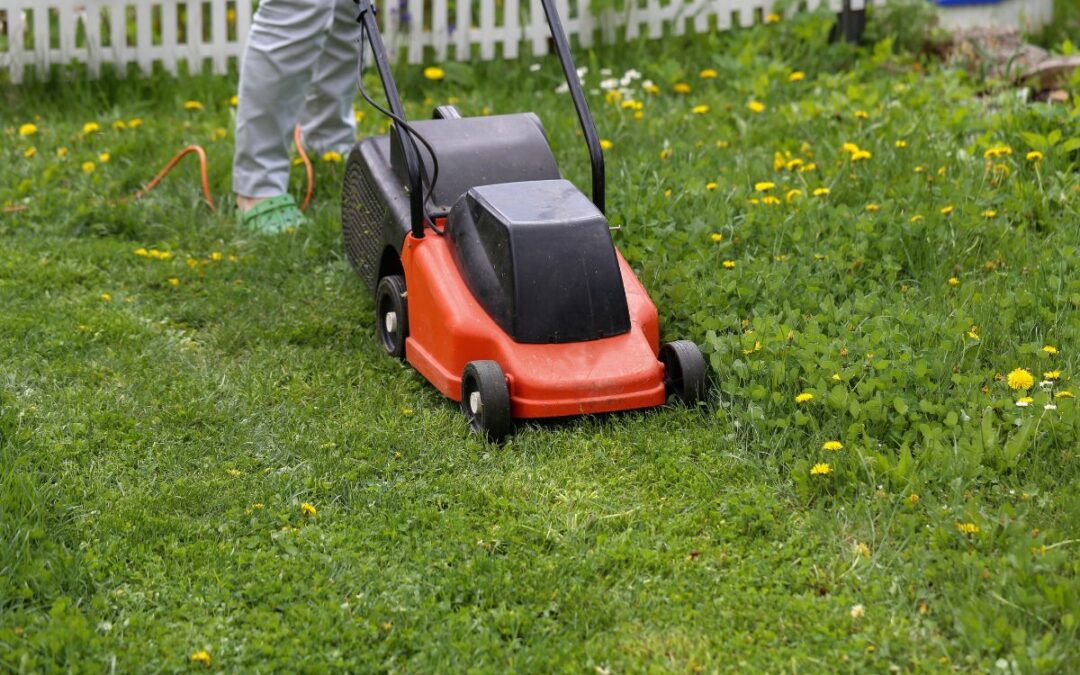
Let’s address the honest question many homeowners have: “Does organic lawn care actually work?” Especially in Seattle, with heavy rain, moss pressure, compacted soils, and dry summers, people worry that organic programs might be too gentle.
Want to know the short answer? 👉 Yes, organic lawn care absolutely works. Although it works differently than conventional programs, and that difference matters.
Over time, organic lawn care programs typically reduce input needs, improve soil resilience, decrease corrective interventions, and lower runoff risk.
Why Homeowners Doubt Organic Lawn Care
There are three common concerns:
- It’s slower,
- less dramatic,
- doesn’t produce instant deep-green results.
All three are partially true, but that’s the point. Instead of creating rapid cosmetic improvement, organic lawn care is designed to build long-term soil health and resilience.
How Conventional Lawn Programs Work
Traditional synthetic programs can deliver high nitrogen quickly, stimulate fast top growth, produce rapid greening, and often require frequent application. This can look impressive in the short term, but over time it may encourage shallow roots, increase mowing needs,summer stress, and fertilizer dependency.
This happends because it feeds the plant directly instead of the soil.
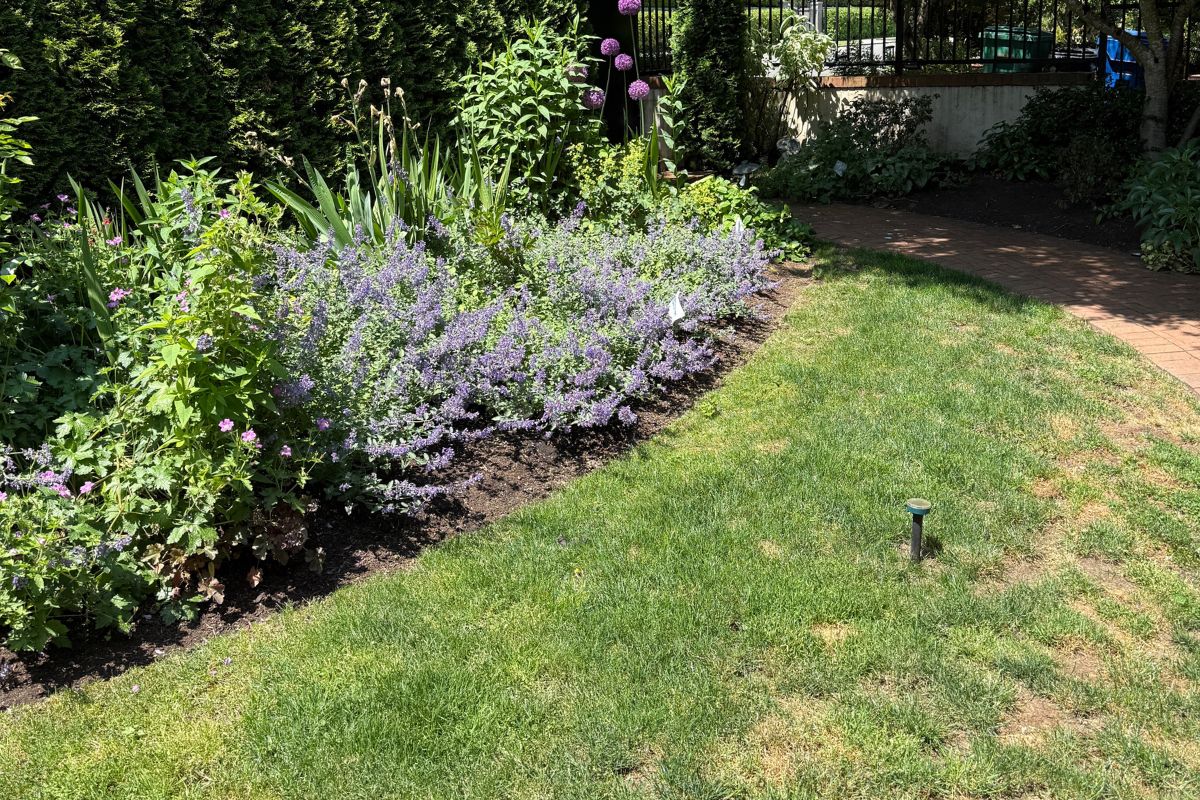
How Organic Lawn Care Works Differently
Organic programs focus on:
✔ Feeding soil microbes
✔ Increasing organic matter
✔ Improving soil structure
✔ Supporting nutrient cycling
✔ Encouraging deeper roots
Instead of pushing growth, it builds a system. And systems become stronger over time.
Why Organic Lawn Care Works Well in Seattle’s Climate
Seattle’s climate actually favors soil-building strategies. We have long wet winters, nutrient leaching, compacted glacial soils, moss pressure, and seasonal stress cycles.
That said, organic lawn care helps address these structural challenges by improving aggregation, increasing microbial activity, and supporting root depth.
So, it aligns with the environmental conditions.
What Results Should You Expect?
Although organic lawn care is not magic, it shows constant progression that looks like:
First Season:
- Slight density improvement
- More consistent color
- Improved soil feel
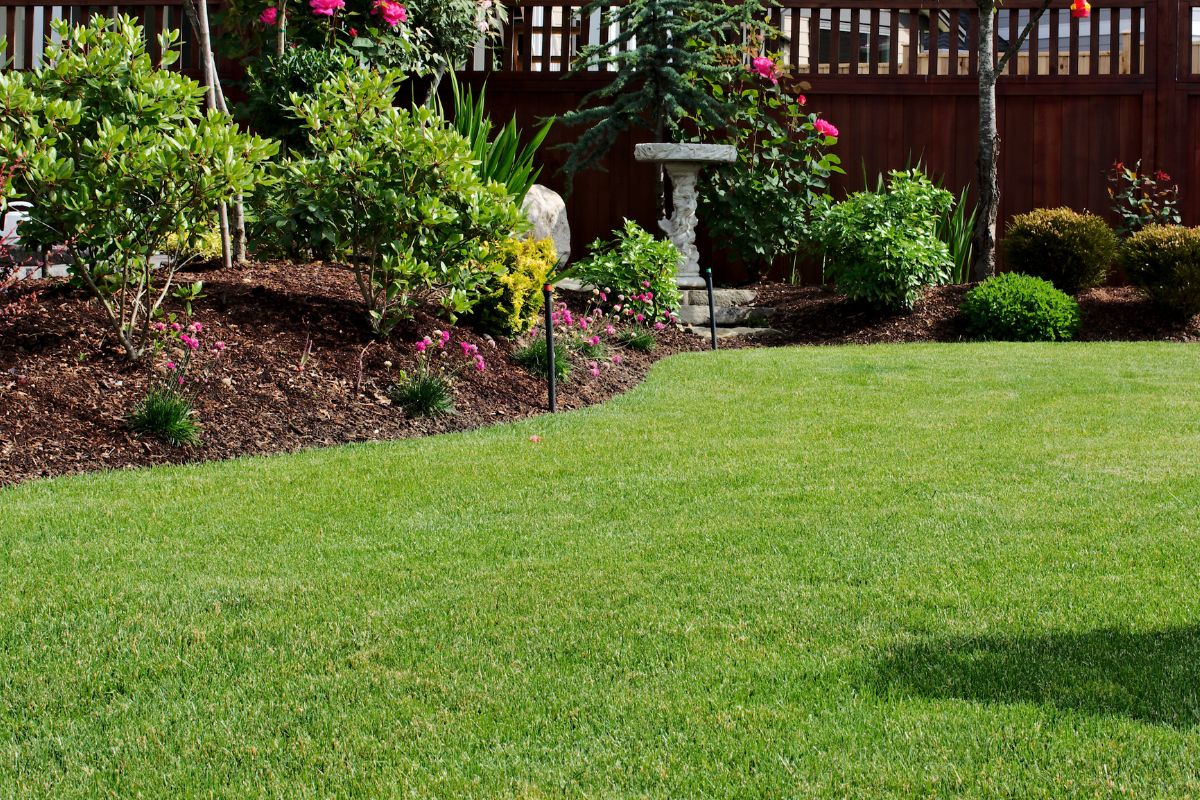
Second Season:
- Stronger root systems
- Reduced moss pressure
- Better summer performance
Third Season:
- Noticeably thicker turf
- Reduced fertilizer dependency
- Greater resilience
The results compound.
What Organic Does NOT Do
It’s important to understand that organic lawn care won’t eliminate the need for mowing or fix deep shade issues. Also, it won’t replace aeration, solve drainage problems or instantly outcompete weeds.
Maintaining an organic lawn will still require:
- Proper mowing height
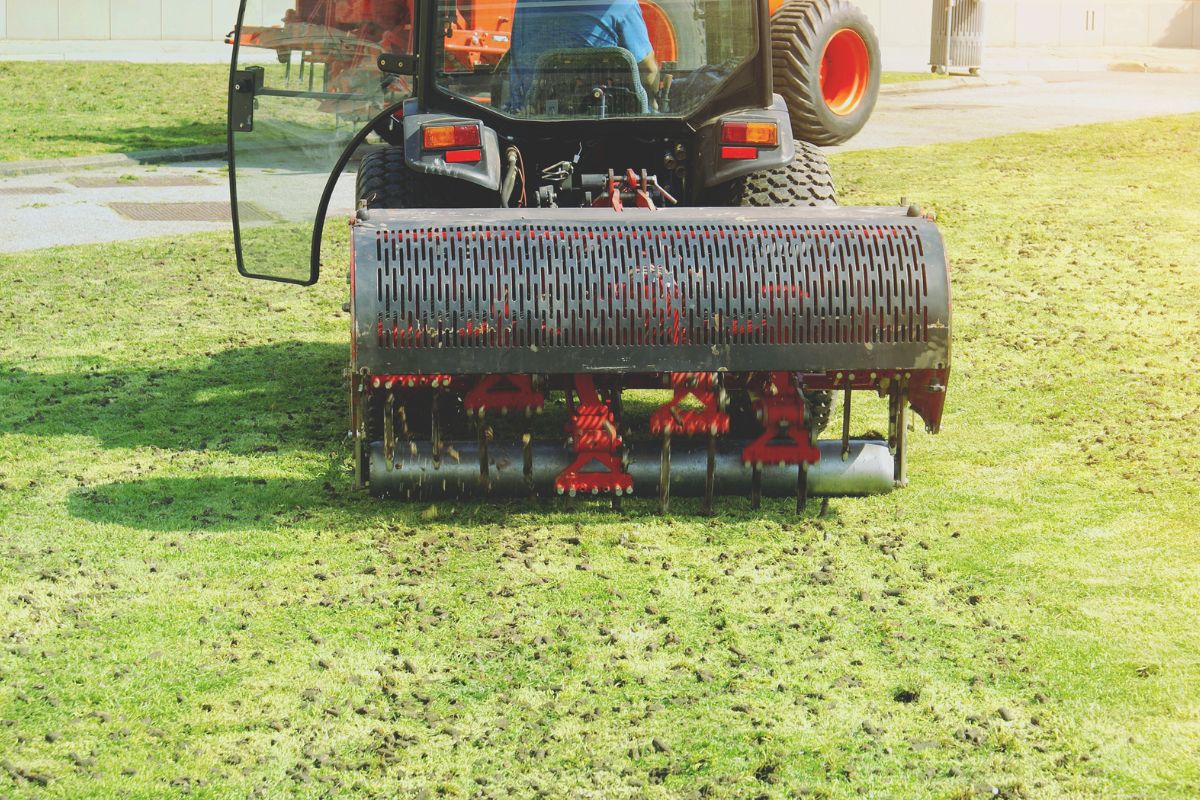
- Aeration
- Overseeding
- Compost integration
- Irrigation management
The Moss Question: Can Organic Programs Help?
A common myth: “Organic lawn care can’t handle moss.”
In reality, moss is usually a compaction and shade issue, not a fertilizer issue.
Organic programs combined with aeration. compost topdressing, and overseeding often reduce moss more effectively long-term than repeated moss killer.
Long-Term Cost & Environmental Impact
Synthetic programs may produce faster visual results. Organic programs often produce:
- Lower long-term input needs
- Improved soil resilience
- Fewer corrective interventions
- Less runoff risk
In Seattle’s environmentally sensitive watershed, that matters.
The Bigger Picture
Organic lawn care it’s about recognizing that lawns are ecosystems. Healthy ecosystems tend to self-regulate, resist stress, reduce dependency on outside inputs, and improve with time.
That’s what soil-first management aims to achieve.
Final Thoughts: Is Organic Lawn Care Worth It?
When you’re looking for instant deep-green perfection in two weeks, synthetic programs may deliver that faster.
Instead, when you want a lawn that:
- Improves year after year
- Develops deeper roots
- Requires fewer interventions
- Aligns with sustainable practices
- Supports soil health
Organic lawn care absolutely works, especially in Seattle. It just works on a different timeline. And in the long run, that timeline builds something stronger.
Curious whether organic lawn care is right for your yard?
As Seattle Sustainable Landscapes, we offer soil-focused lawn programs tailored to Seattle’s unique climate. 👉 Schedule a lawn evaluation today.