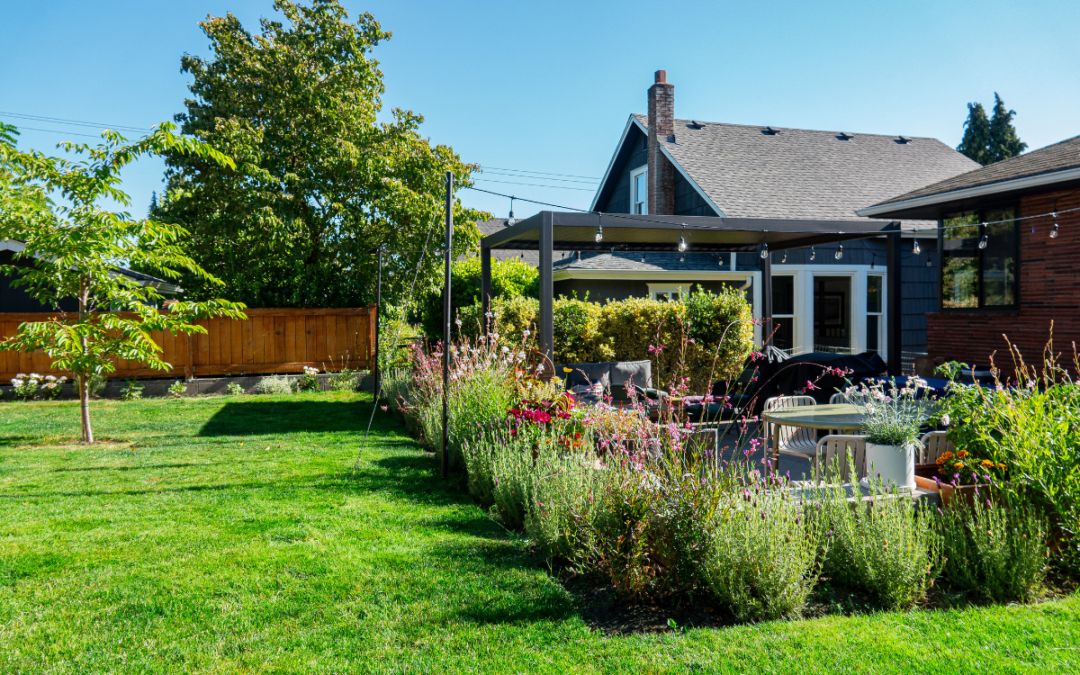
Summer in Seattle is hard to beat: warm days, low humidity, and long afternoons outside. Because our lawns often take the hit for it, we wonder: How can we recover a lawn after drought?
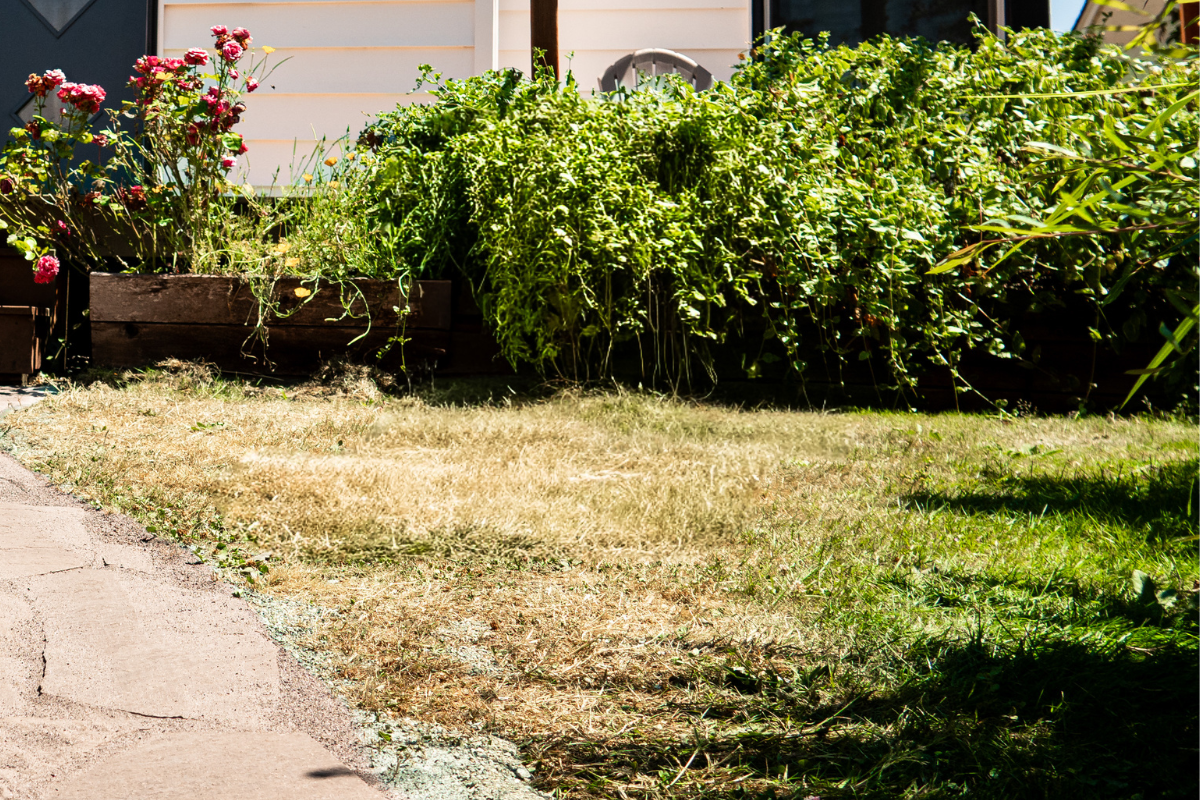
Weeks without water can turn a vibrant green lawn into a dull, uniform brown. The good news? In most cases, that lawn isn’t dying. It’s doing exactly what a healthy Pacific Northwest lawn is built to do: Go dormant.
Today, we break down how to tell dormant from dead grass, the steps that help a lawn recover once the rain returns, and the habits that make next summer's drought a little easier to handle.
Dormant vs. Dead Grass: How to Tell the Difference
Dormancy is a survival strategy. When water becomes scarce, grass redirects energy into the root system, conserving what it needs until moisture returns. Once the rain comes back, most Seattle lawns bounce back with surprising speed.
Here’s how to tell the two apart:
Signs Your Lawn is Dormant
Signs Your Lawn is Dead
- A fairly uniform straw-yellow or light brown color across the lawn.
- New growth appears within a couple of weeks of consistent rain.
- Areas that get regular sun and moisture green up first.
- Patchy, uneven areas with exposed dirt.
- A dusty or gray appearance rather than a uniform color.
- Blades pull out of the ground easily, with little to no root resistance.
- No recovery after several weeks of steady rain.
If your lawn is still patchy and bare well after the rain returns, it’s likely in need of a restoration.
How to Recover a Lawn After Drought
Once the rain returns and new growth appears, a few targeted steps can help your lawn recover faster and come back thicker than before.
Aeration for Compacted Soil
Do you ever wonder why a lawn can get plenty of rain and still struggle to bounce back? Often it comes down to what's happening underground.
Aeration relieves compacted soil and lets air, water, and nutrients reach the root zone again. It involves removing small plugs of soil from the lawn to loosen what months of dry weather have packed down.
Taking care of soil’s health this way encourages a thicker, denser and more drought-tolerant turf.
Overseeding to Rebuild Density
Overseeding spreads new grass seed directly into the existing lawn, without tearing anything out. It's one of the most effective ways to rebuild density after a lawn has thinned from summer stress.
To help these new seeds establish evenly, we recommend:
- Light and frequent watering while seeds are germinating
- Top dressing with a 60/40 mix of topsoil and sand, which holds moisture against the seed and encourages even growth
- Give new seed room to grow. After overseeding, wait three to four weeks before the first mow. When it is time to cut, keep the blade height high and mow frequently, taking off only a small amount of grass at a time
If you want to go a step further and match your seed mix to your exact spot in the region, WSU Extension's seeding guide breaks down recommended seeding rates by area.
Fertilize When the Weather Works in Your Favor
In the Pacific Northwest, spring and fall bring exactly the sun and moisture balance grass needs to absorb fertilizer well. Fertilizing at this time will help it grow fuller and healthier.
Manage Weeds Without Chemicals
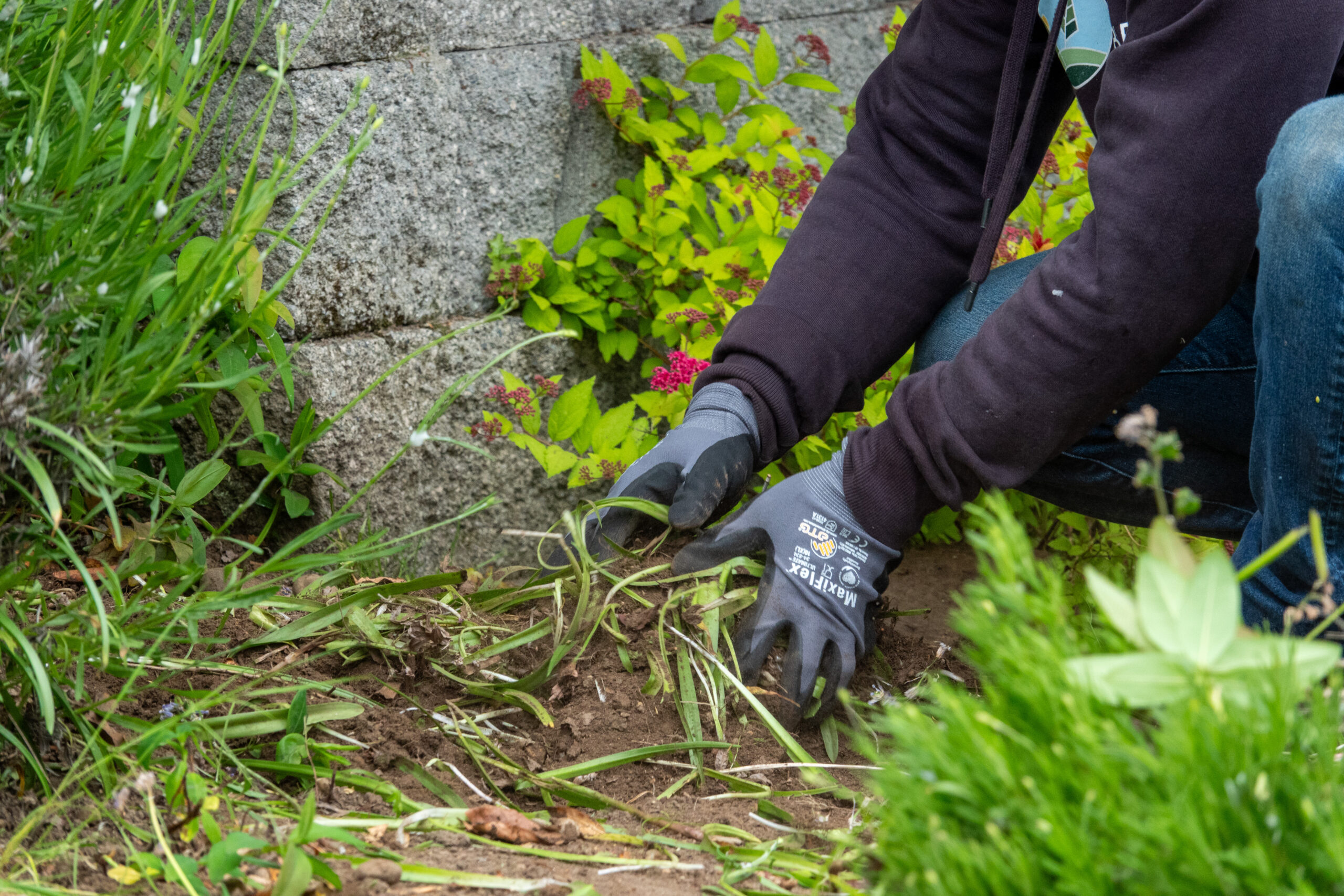
During the summer, stressed lawns tend to open the door for weeds to start growing. Consistent hand weeding is what we recommend in these cases.
The most sustainable long-term fix, though, is a dense, healthy lawn. Thick turf crowds out weeds and leaves little room for anything else to take hold, even while the grass itself is dormant.
Build a Lawn That's Resilient to Future Droughts
Recovery is only half the picture. A few consistent habits can help your lawn withstand the next dry summer a little easier:
- Aerate twice a year and overseed annually to keep the turf dense and prevent soil compaction over time.
- Feed the soil naturally with organic fertilizers, humic acid, and natural soil amendments to support a stronger root system.
- Water deeply: Consistently soaking the soil encourages roots to stretch far below the surface, building stronger drought resistance.
Overall lawn and soil health remains the strongest defense against drought. A healthy lawn simply has more reserves to draw on when the dry months hit.
A Lawn That Bounces Back, Season After Season
A brown lawn in August is rarely a lost cause. With the right care once the rain returns, dormant grass typically recovers on its own timeline, and a few consistent habits throughout the year can make that recovery faster and fuller each time.
Whether your lawn needs help bouncing back from this summer's heat or a longer-term plan to handle the next one, our team is glad to help.
Contact Seattle Sustainable Landscapes to talk through the best next steps for your lawn.