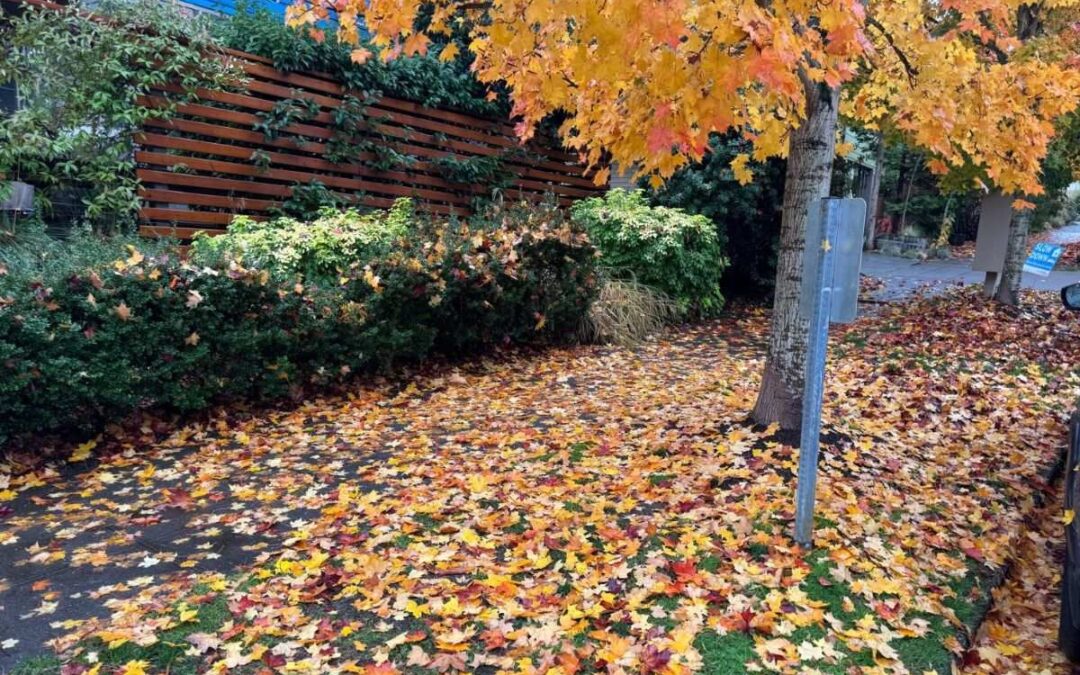
Fall in Seattle often means rain, and plenty of it. With very little wind to move things along, leaves pile up and your yard can start to feel like a lot to keep up with. The good news? That same rain softens the soil, making fall one of the best times for a yard cleanup.
In this article, we'll go over what you can tackle this season and what to leave in place for wildlife.
What to Tackle This Fall
Clear the leaves off your lawn
In Seattle, wet leaves rarely blow away on their own. Instead, they settle into a dense mat on top of your lawn. This mat blocks the airflow and sunlight your grass needs, which can cause damage to it. Trapping all that moisture can also lead to fungal problems over time.
Raking is the easiest fix for most homeowners. If you use a sturdy rake, you'll naturally pull up some of the grass and expose the soil as you go, so you can dethatch and aerate while you are at it.
Pull out weeds and invasives
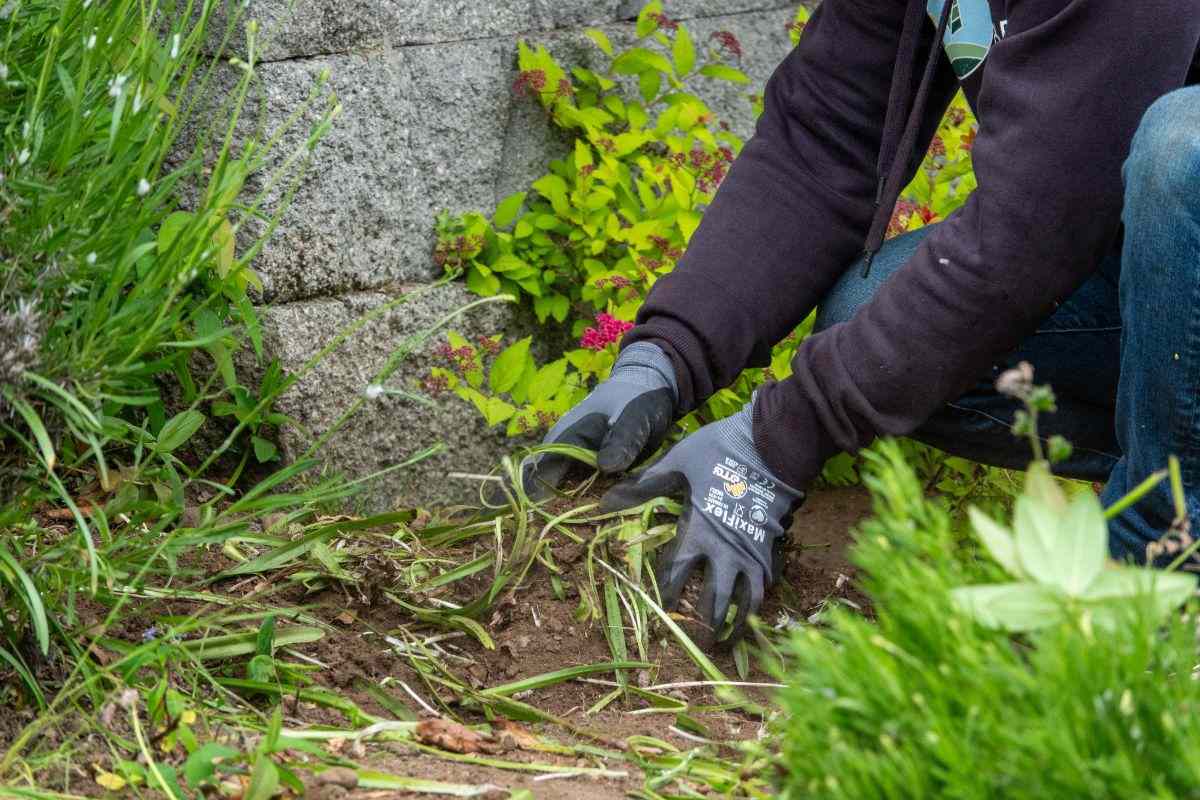
Fall is one of the best times to weed in Seattle. Rain loosens the soil, making it easier to pull out weeds and invasives from the root. Invasive species like blackberries also tend to hold onto their leaves longer than other plants, which makes them easier to spot and remove.
Add a layer of mulch
Adding a layer of mulch to your garden beds helps protect plant roots ahead of winter and keeps soil temperatures steady. This is especially important for young trees that are still establishing. We found this guide put together by the City of Seattle on how to care for young trees very helpful.
Prepare for spring
Fall brings a balance between rain and mild temperatures, making it an ideal window for planting. If you put down bulbs now, they can be ready to flower in spring.
We put together an article with some fall planting recommendations if you want to dive deeper.
What You Can Leave in Place
Not everything needs to be cleared out this season. There are a few things you can leave behind to support your yard and local wildlife:
- Leaves in your garden beds: Let them break down on their own and, over time, they will turn into mulch that improves your soil health.
- Flower heads: Skip the deadheading and leave them standing so birds can eat the seeds of plants like echinacea and rudbeckia.
- Seed heads on perennials you want to spread: If you'd like more of a plant next year, leave the seed heads. They'll scatter on their own and the plant will spread through your yard over time.
- Snowberry: These native berries feed birds in fall, so you can skip the pruning to support wildlife.

Caring For Your Yard This Fall
During fall, taking care of your yard might feel like too much at once. Spending a little time on it can make a big difference, though. Your lawn gets room to breathe, your beds stay protected and the local birds and plants get some extra support.
Whether you need help with a cleanup this fall or planning ahead for spring, our team would love to help out!
Contact Seattle Sustainable Landscapes to explore what’s possible for your space.