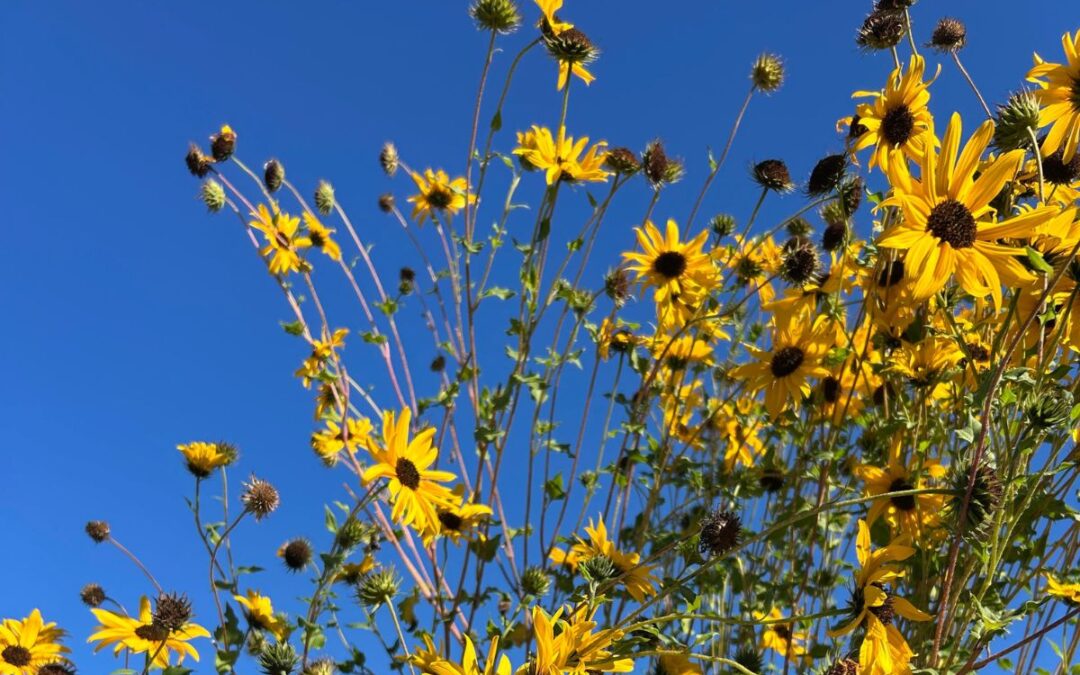
Fall in Seattle is a time of soft light and shifting color as landscapes transition into the cooler months. When we talk about fall interest in landscape design, we mean plants that offer color and structure that carry a landscape well beyond summer blooms.
Whether you are looking for bold foliage, late-season blooms, or plants that support local wildlife, here are our favorite fall interest plants for Seattle gardens:
Douglas Aster (Symphyotrichum subspicatum)
Red-Twig Dogwood (Cornus sericea)
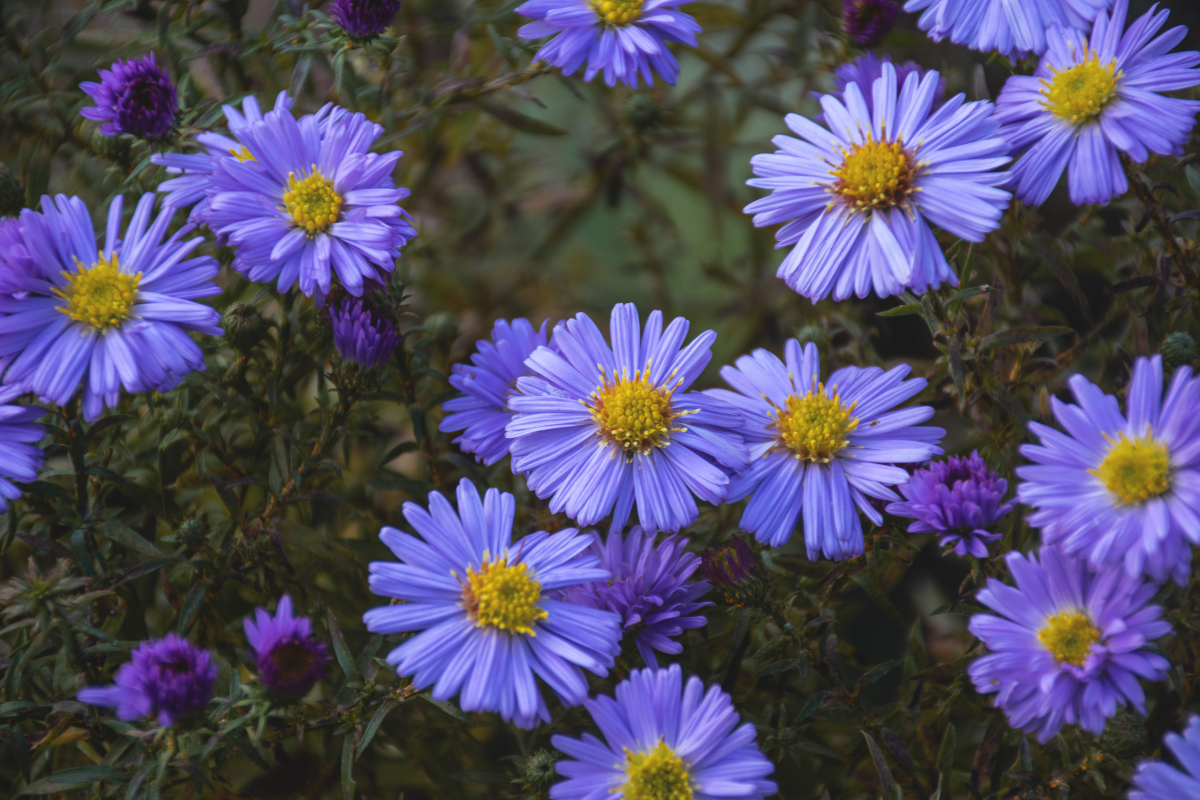
This native perennial blooms late, holding onto lavender-blue flowers into October. It attracts bees and butterflies when few other flowers remain.
Why we love it: It extends the pollinator season and adds softness to plantings and rain gardens.
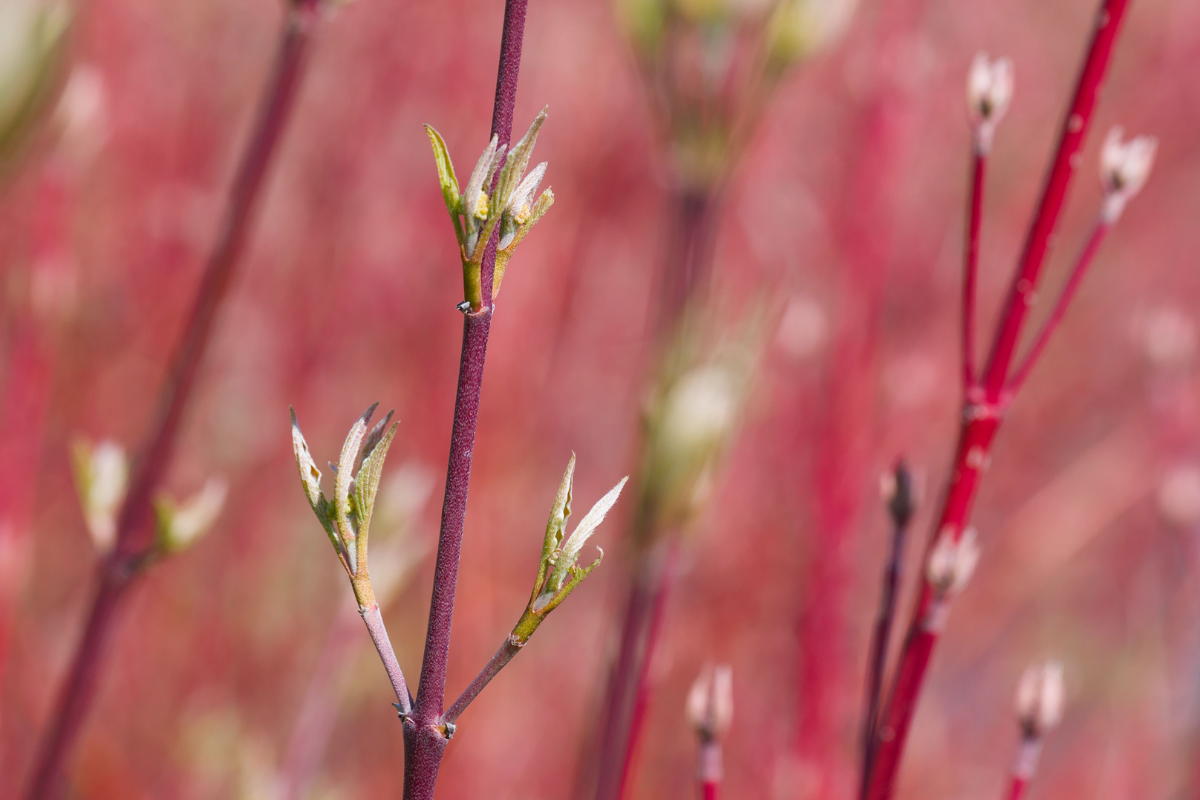
It's known for its unique winter bark. It also puts on a show in fall with golden foliage and occasional berries.
Why we love it: It offers interest across several seasons, grows natively in our region, and thrives in wet soil.
Oregon Grape (Mahonia aquifolium)
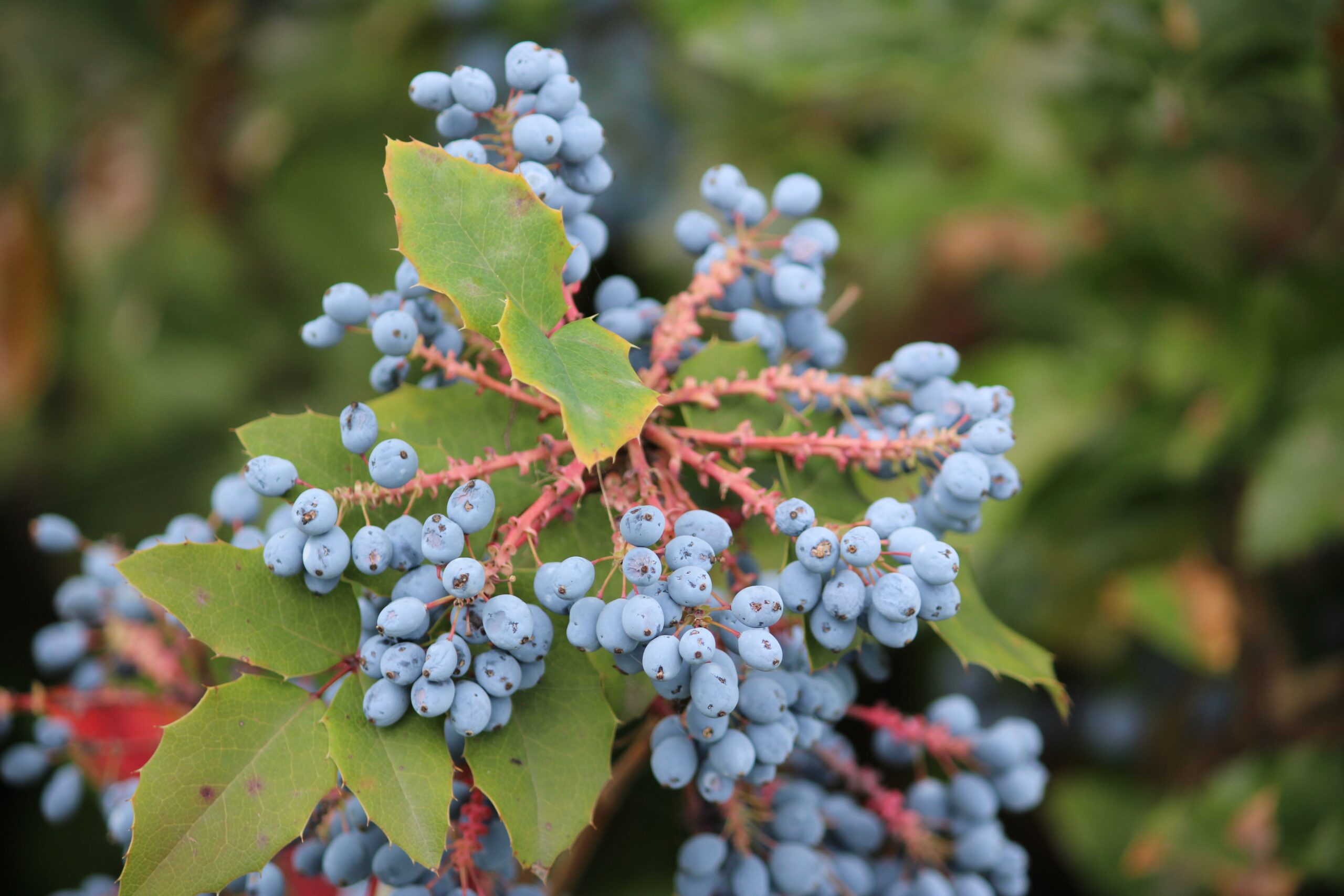
This evergreen develops deep red and purple tones in fall. Its blue berries often linger into the season, feeding our local birds.
Why we love it: It holds up well, supports local wildlife, and brings color to shady corners.
Switchgrass (Panicum virgatum)
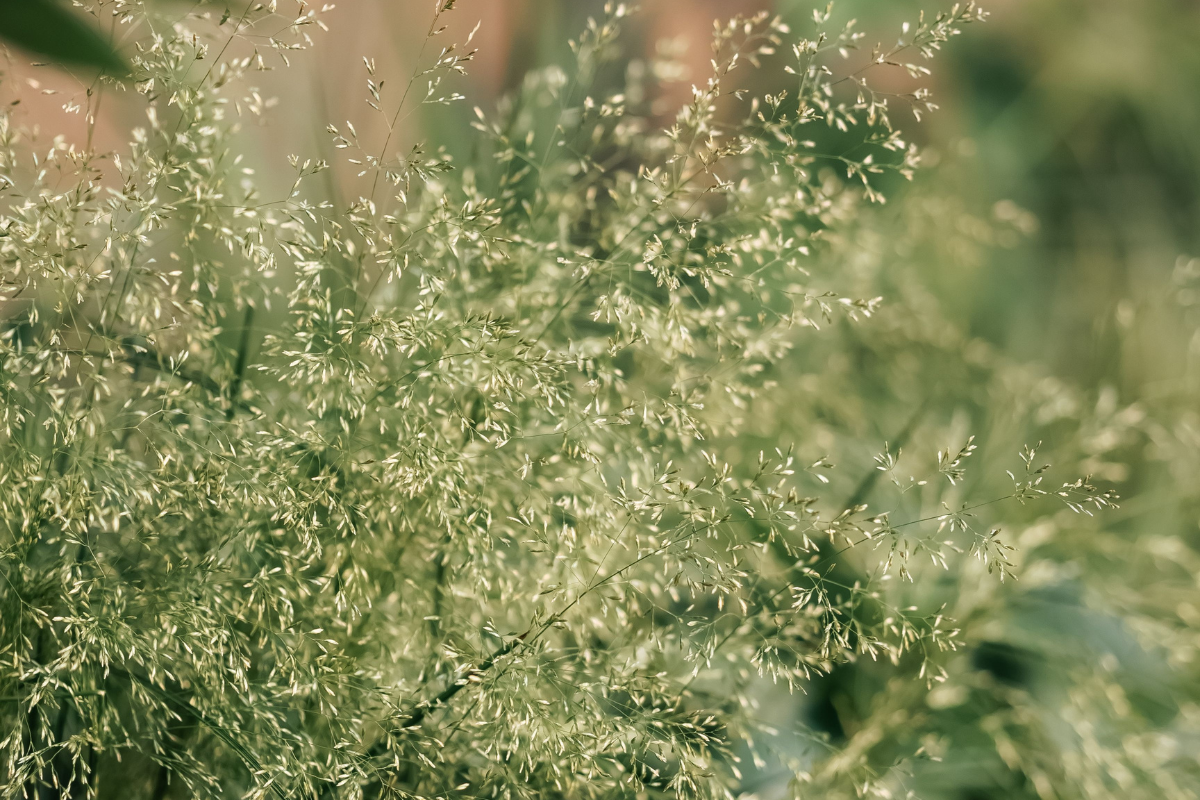
This native grass turns golden yellow or copper red in fall. Its light, airy flower heads catch the sun and move with the wind.
Why we love it: It adds texture and movement to a landscape, and its seed heads feed birds through the season.
Snowberry (Symphoricarpos albus)
Goldenrod (Solidago rugosa)
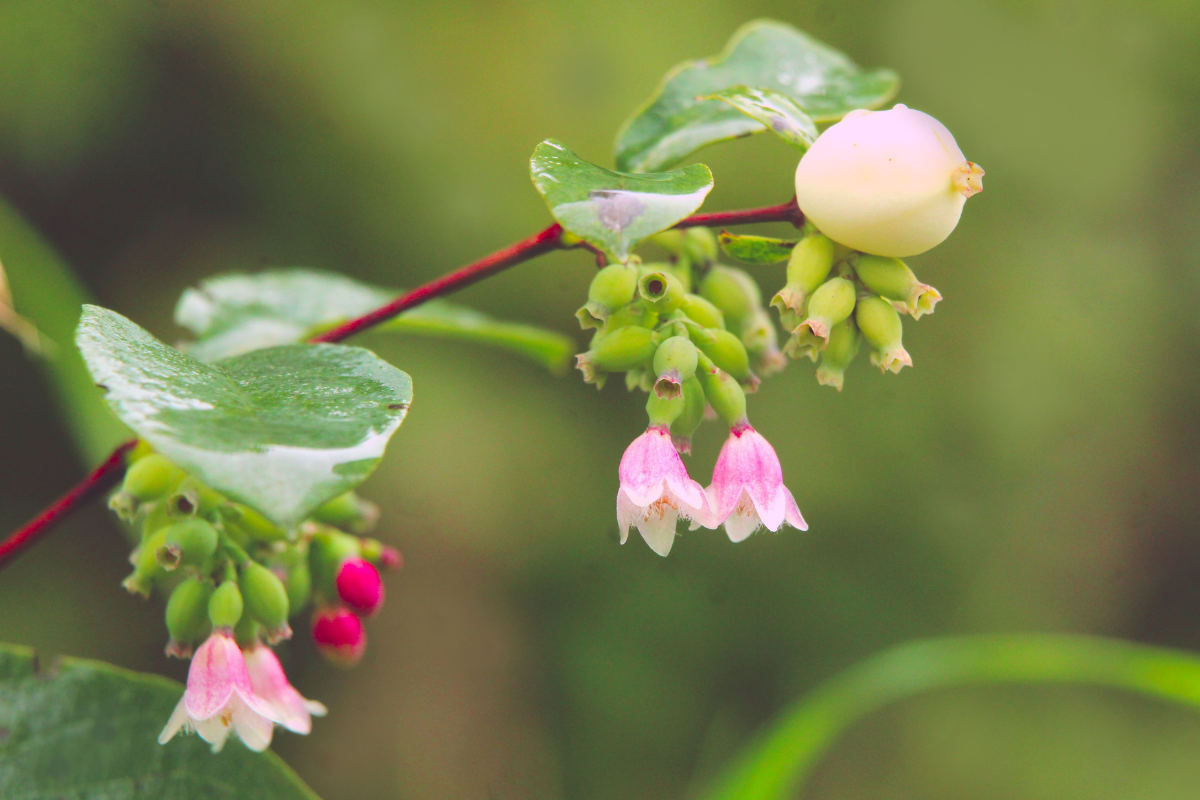
This native shrub’s leaves turn yellow in fall, though it’s the white berries that steal the show. They persist into winter and attract birds.
Why we love it: It adds structure and wildlife value, and fits naturally into hedgerows and native shrub borders.
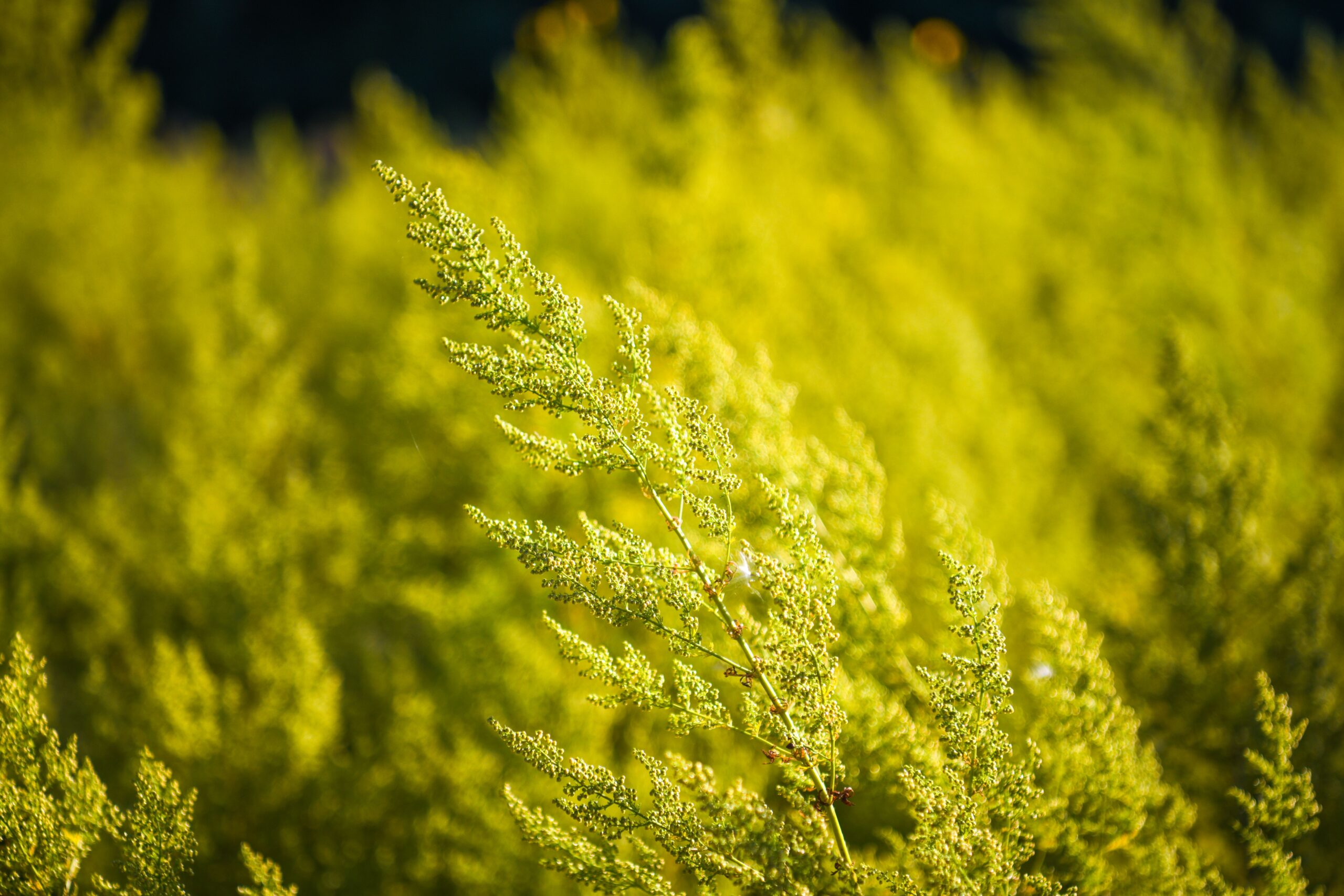
This late-blooming wildflower often gets blamed for allergies (that’s ragweed!). Goldenrod, though, is one of the best nectar sources for bees and butterflies during fall.
Why we love it: It lights up the garden and supports pollinators when they need it most.
If you want to dive a little deeper into how to create a pollinator habitat in Seattle, you can check out this resource from the Washington State Department of Agriculture.
Designing a Fall Interest Garden in Seattle
Creating a garden with lasting autumn interest comes down to layering texture, structure, and seasonal movement. Here are a few ways to bring these elements together in your landscape:
- Combine deciduous shrubs with evergreen anchors to highlight changing foliage and keep garden beds looking full as leaves drop.
- Leave seed heads standing through winter as wildlife habitat.
- Use grasses to add movement and catch the warm autumn light.
A fall garden designed with the seasons in mind gives back through the colder months, offering color, structure, and food for the local wildlife. We are glad to help you build a fall landscape that keeps working long after summer ends.
Contact Seattle Sustainable Landscapes to talk about your fall garden.