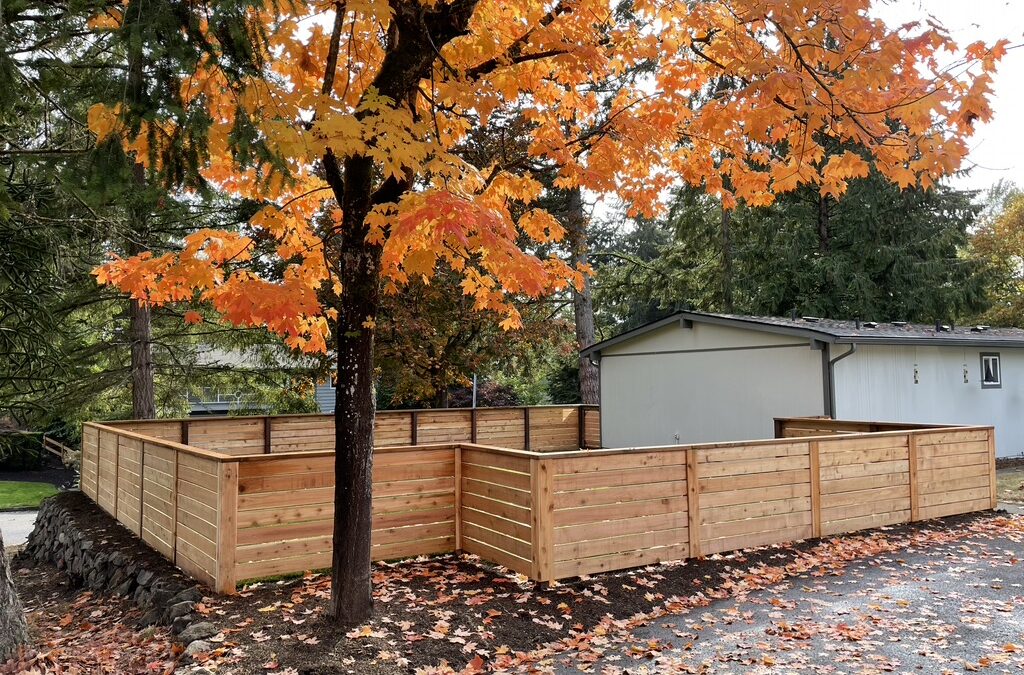
In Seattle, fall is the season where landscapes begin to change. Shades of gold, red and orange start to show as temperatures drop and rain finally returns after months of summer drought. Selecting the right fall plants for Seattle gardens can help your yard stay vibrant and inviting through the seasonal shift.
At Seattle Sustainable Landscapes, we design with these transitions in mind. Plant choices are made for how they develop through the seasons, the structure they add to a landscape and how they support our local pollinators along the way.
Today, we break down what makes a plant suitable for fall, our favorites for seasonal color and texture, and the hardscape choices that go along with them.
What Makes a Plant Suitable for Fall in Seattle
Fall in the Pacific Northwest often means cooler weather and the return of consistent rain. Plants suited for the season need to be hardy enough to handle an early frost and hold up well through steady moisture.
These plants tend to become especially showy right before they go dormant. Rather than fading quietly, they put on one last display of color, which is exactly what earns them a place in our fall designs.
Our Favorite Fall Plants for Seattle Landscapes
When choosing fall plants, Seattle homeowners can rely on species that go through transitional periods during autumn, bringing seasonal color and texture to Pacific Northwest gardens.
Vine Maple (Acer circinatum)
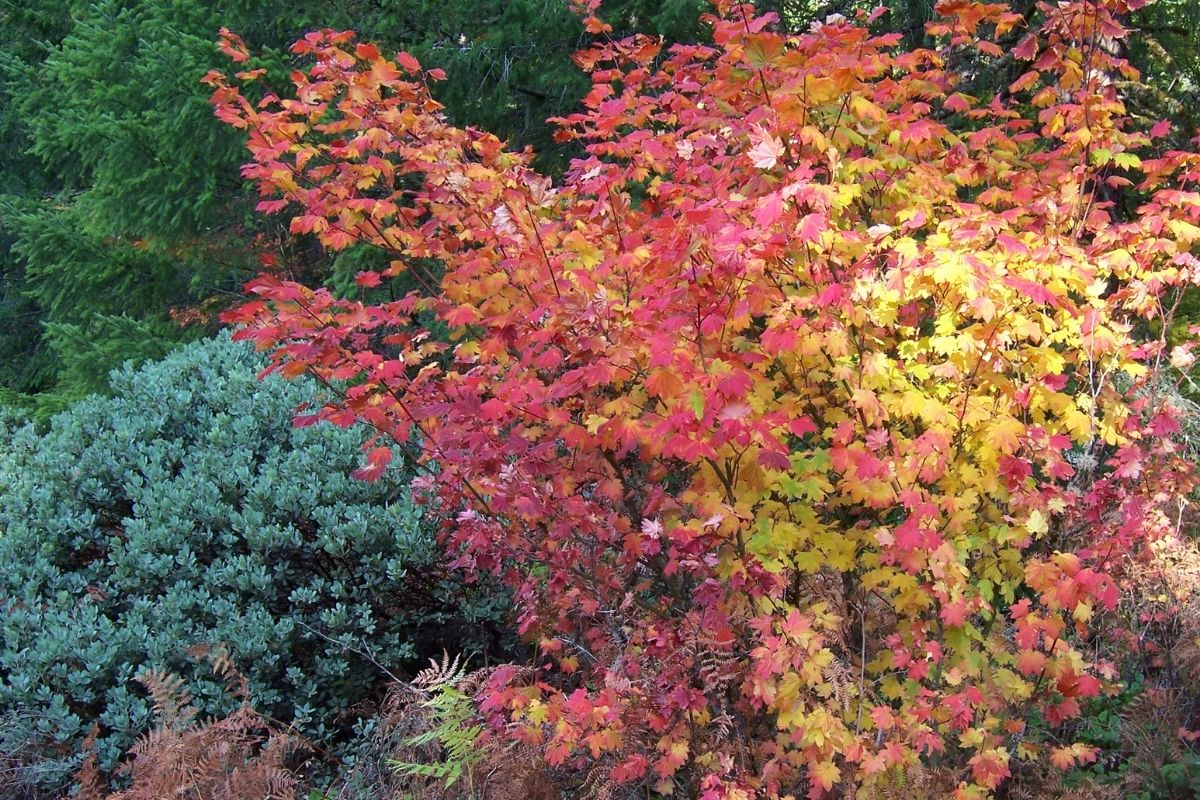
Vine Maple is a Pacific Northwest native tree that carries its color through several seasons. During fall, it puts on a big display when its foliage turns orange and red.
Autumn Joy Sedum (Hylotelephium telephium 'Herbstfreude')
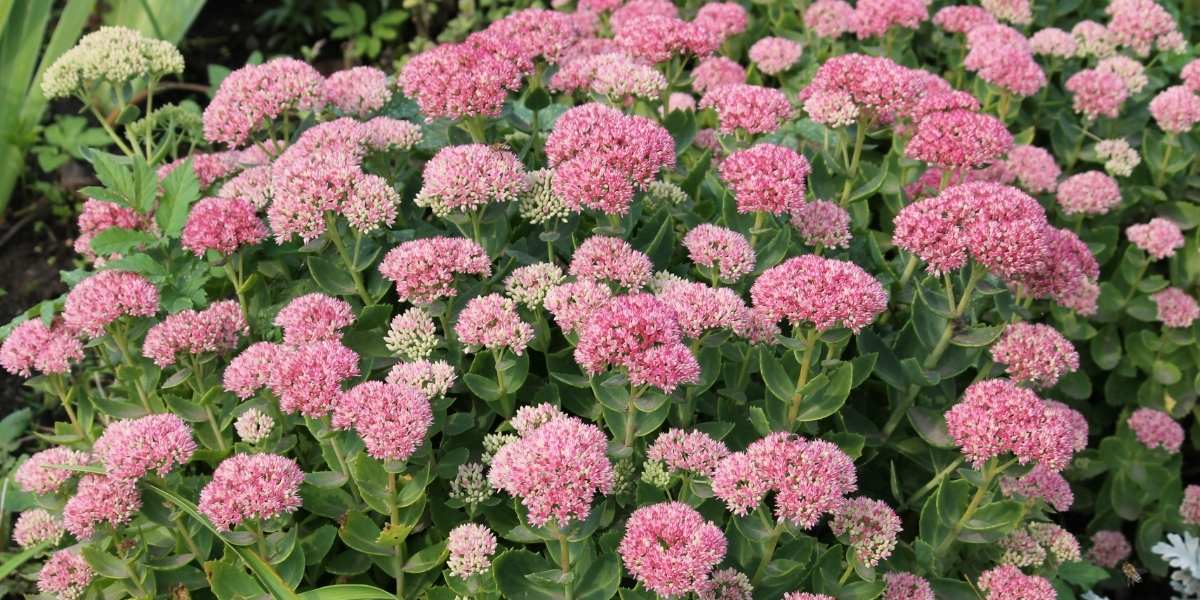
This succulent blooms from late summer into early fall, right as many perennials finish their bloom cycle. Its flowers deepen from soft pink into a rust color as the season progresses.
Japanese Anemone (Eriocapitella hupehensis)
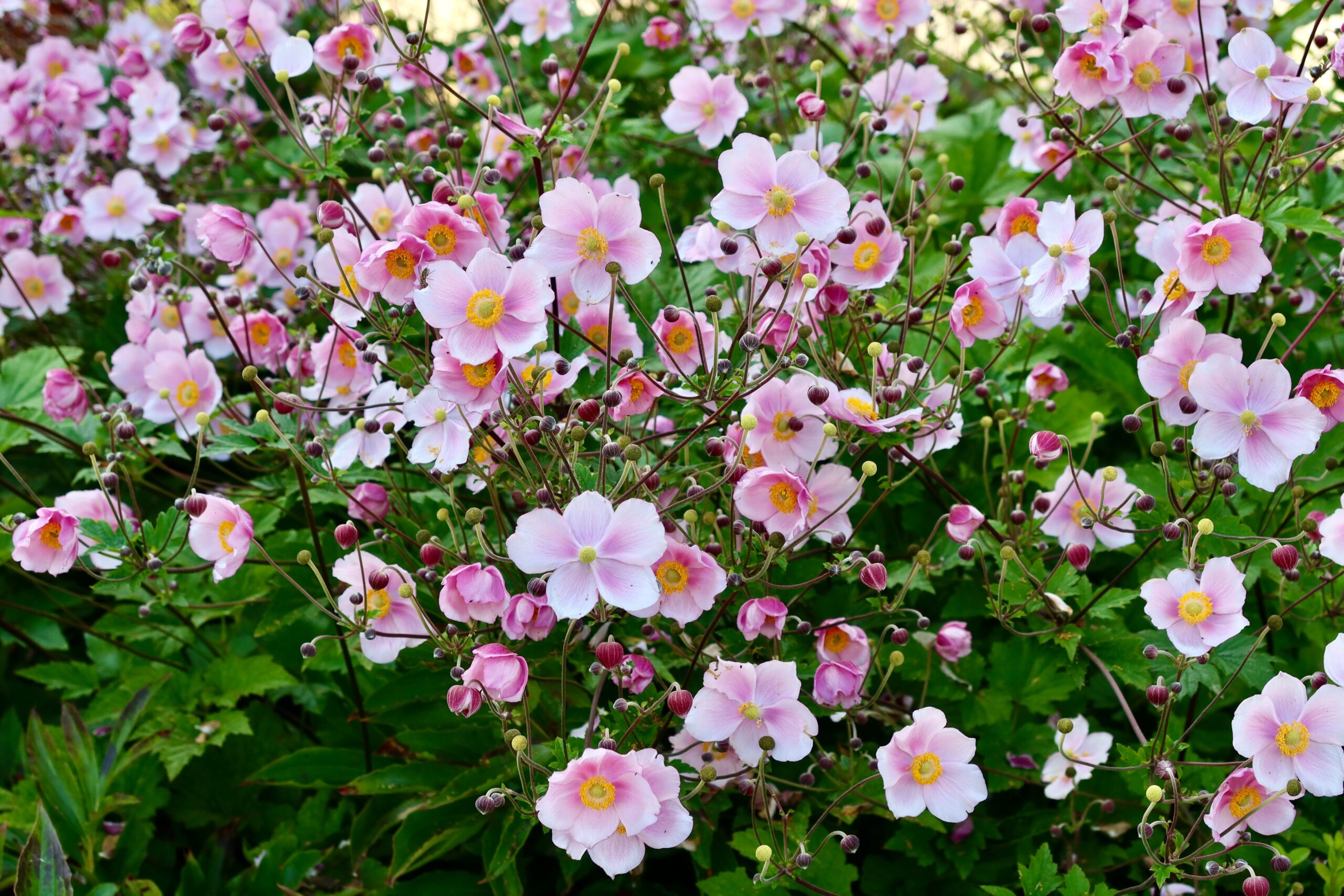
Japanese Anemones also bloom from late summer through fall. They bring vibrant, fresh color at a time when many other plants begin to fade.
Crimson Queen Japanese Maple (Acer palmatum var. dissectum)
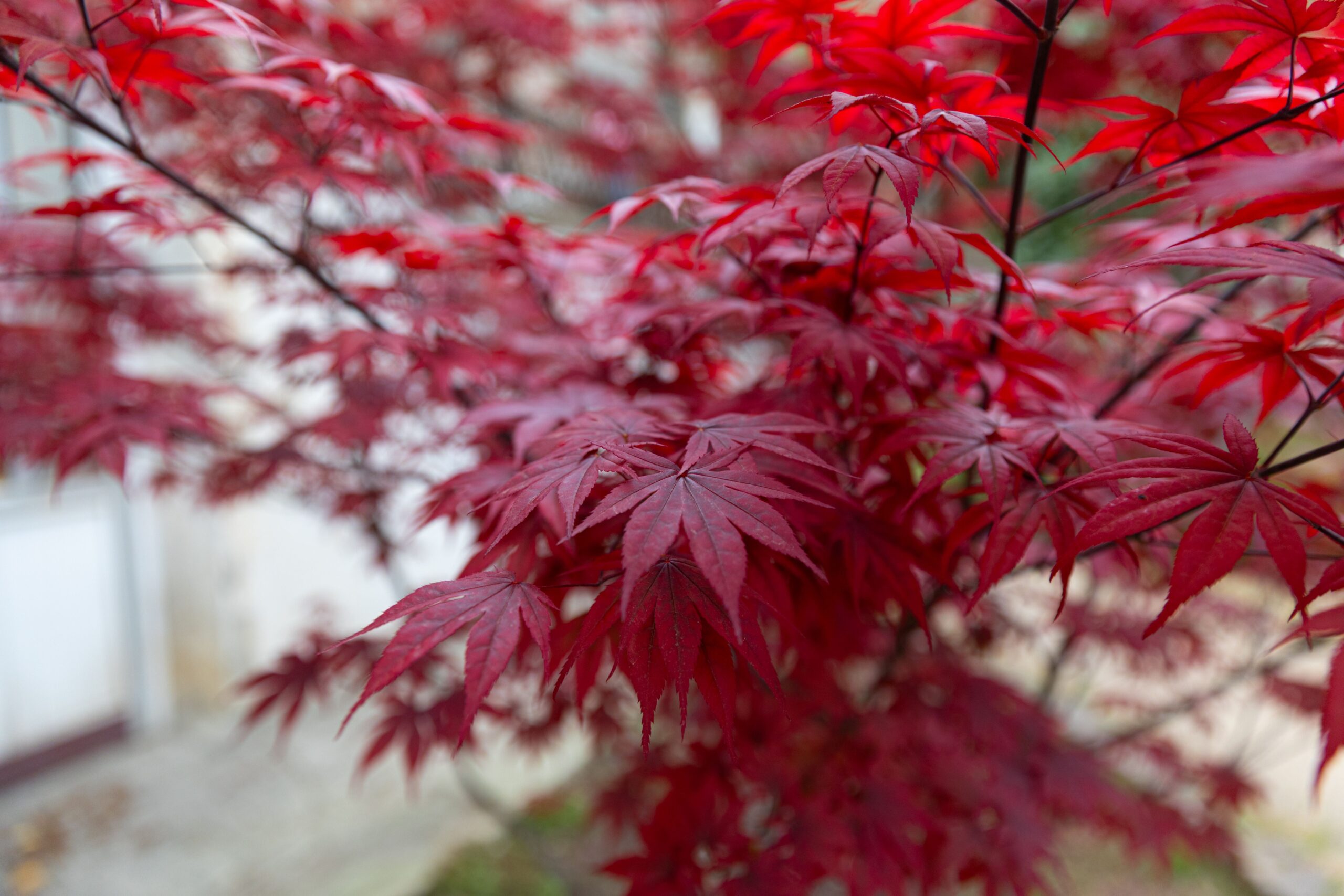
This tree is a weeping variety of Japanese Maple. It brings deep crimson foliage and a cascading form to the garden each fall. It is smaller than most maples, making it a great option for compact gardens and tighter spaces.
If you are looking for other small trees to fit your Seattle Landscape, WSU Extension’s guide has a few helpful recommendations!
Witch Hazel (Hamamelis)
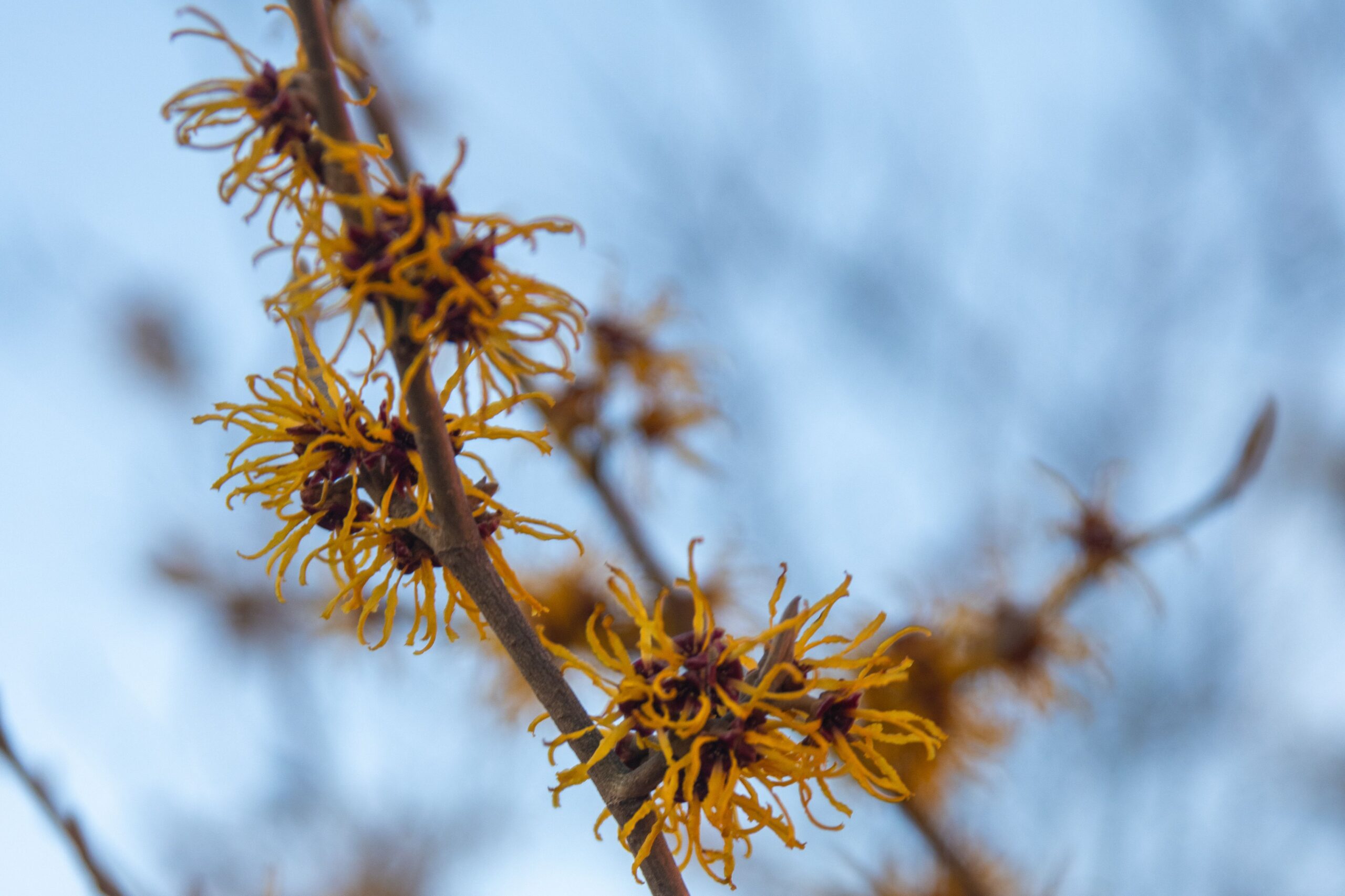
Witch Hazel offers something genuinely unique: thin, spidery yellow flowers that bloom from October into winter, well after most plants have finished for the year.
Paperbark Maple (Acer griseum)
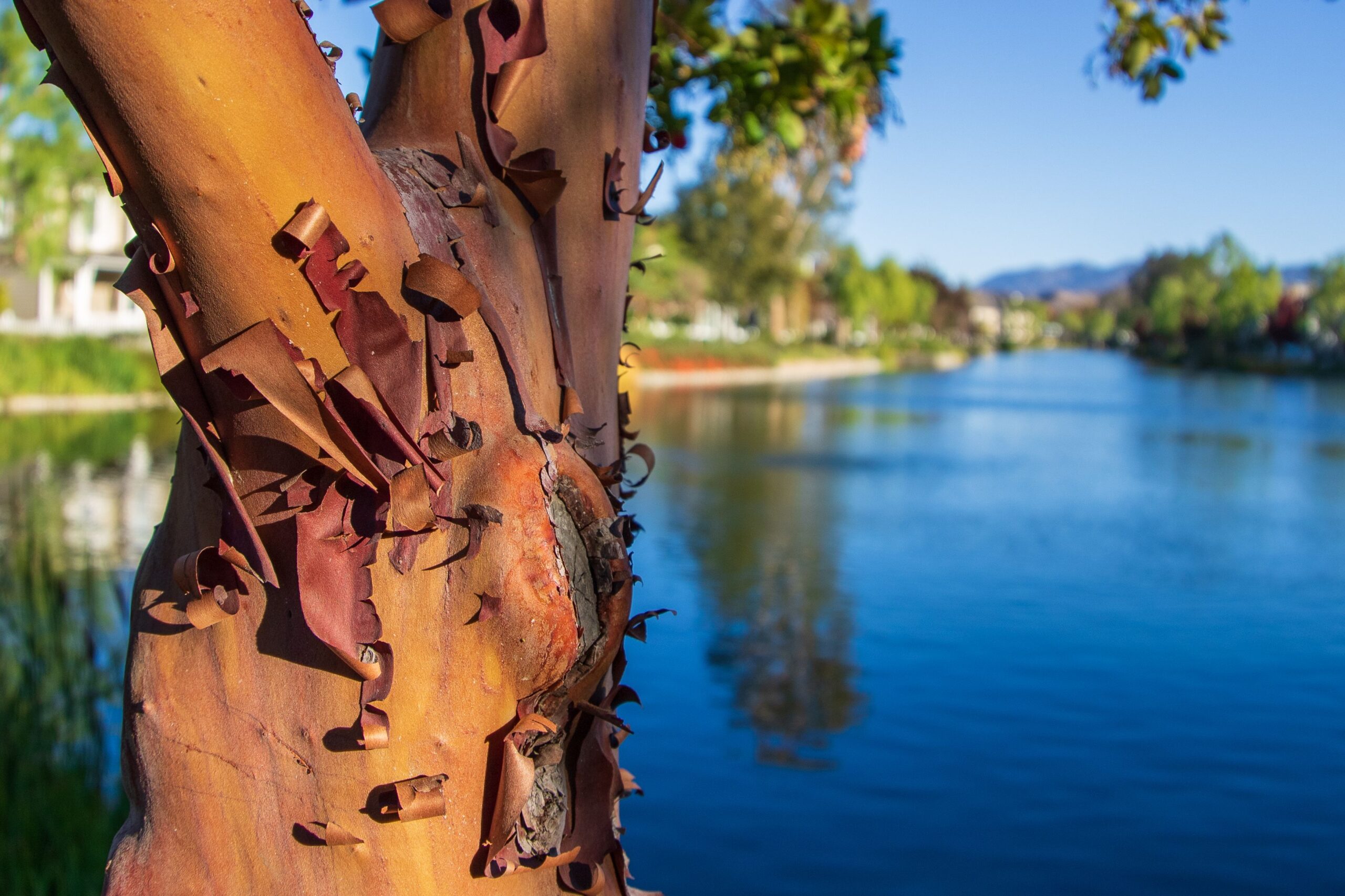
Once its foliage starts to thin, Paperbark Maple shows its bark that peels away in coppery curls, adding distinctive texture to the landscape.
Hardscapes That Complement Fall Planting
Plant choices are only part of a landscape design. The hardscape elements around them play a crucial role in how the whole space reads once the leaves start to change color.
Warmer-toned materials, such as browns and tans, tend to pair naturally with the oranges, yellows, and reds that dominate a fall planting palette. Cooler-toned grays, while common in the Pacific Northwest, can sometimes clash with a landscape designed around autumn color.
Beyond color, fall hardscape must handle the season's shift in weather. Materials expand and contract as temperatures drop and frost sets in, so proper drainage and joints matter for durability.
One thing I never recommend in a landscape design is putting gravel under trees. Fallen leaves and other organic matter accumulate on top every autumn, turning your seasonal maintenance into a nightmare.
A hardscape built with these factors in mind holds up through the wet, cold months and continues to complement the garden around it.
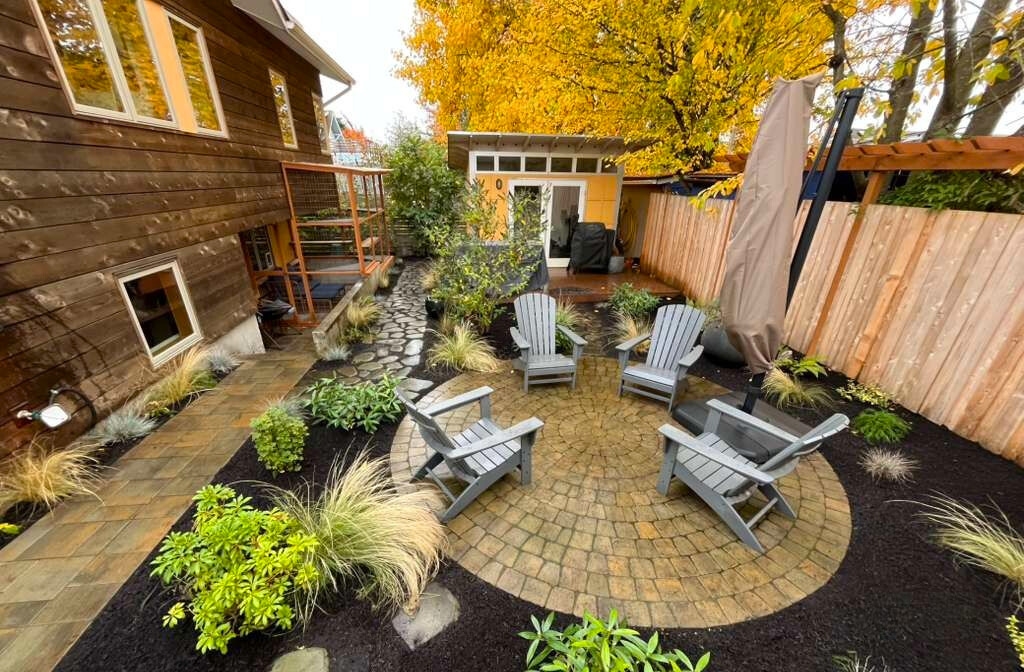
Designing a Fall Garden That Balances Color and Texture
A fall garden does not need to compete with spring or summer to feel complete. Often, it is the details that carry it:
- Pairing early color (Autumn Joy Sedum, Japanese Anemone) with later bloomers (Witch Hazel) to extend interest through the season.
- Layering foliage color with textural elements like bark.
- Choosing hardscape tones that support the palette rather than compete with it.
- Accounting for frost and moisture in both plant and material choices.
By designing with intention and focusing on subtle details, your landscape feels thoughtful, complete, and distinctly beautiful in every season.
Start Planning Your Fall Landscape
Whether you are planning a full seasonal refresh or simply want more color and texture as the year cools down, there is a combination of fall plants suited to your space. We are glad to help you find it.