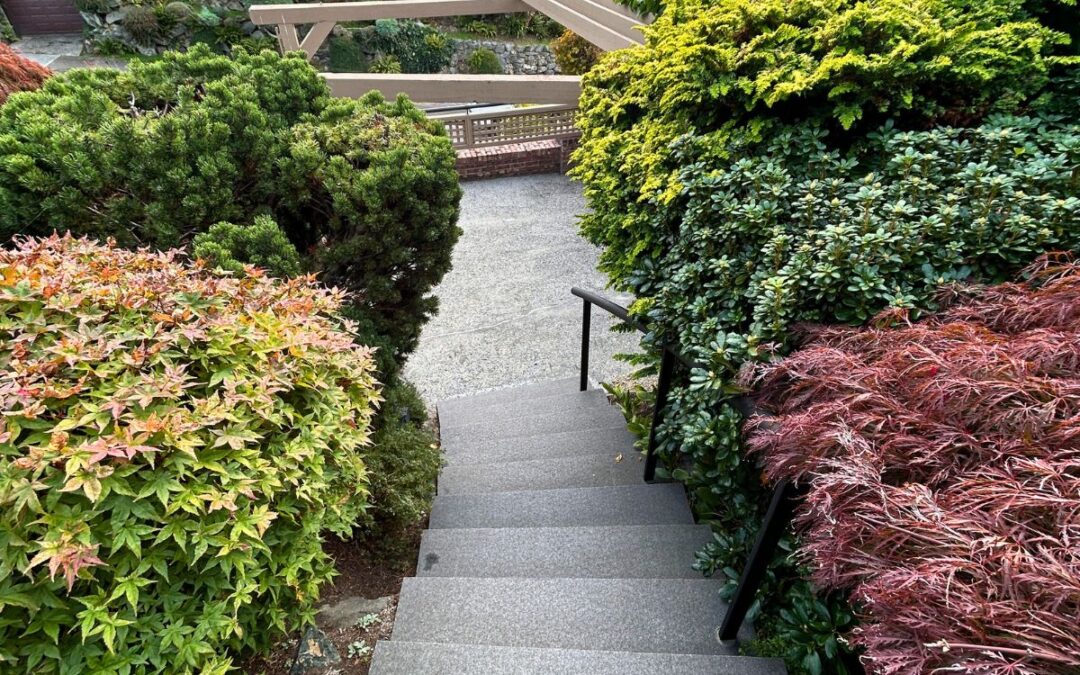
As the leaves start to drop and the garden slows down in fall, many of us look around our yards and wonder if it's time to start pruning. It's one of the most common yard maintenance questions we hear this time of year.
The short answer: it depends on the shrub. Fall can be a good time to assess your plants and take care of a few necessary cuts, though many shrubs are better left alone until late winter or after they finish flowering.
In this article, we’ll break down why fall works so well, what to leave for later, and how to tell if a shrub actually needs pruning.
Why Pruning Timing Matters in Seattle
Fall in the Pacific Northwest brings cooler temperatures, shorter days, and the transition toward winter dormancy. As deciduous shrubs lose their leaves, their branch structure becomes easier to see, making it a good time to assess their shape and condition.
However, timing matters. Pruning in late summer or early fall can encourage some shrubs to produce tender new growth that may not have enough time to harden before winter. For many plants, late winter or early spring is a better time for routine pruning.
Flowering habits also play a role. Some shrubs develop their flower buds during the previous growing season, while others bloom on new growth. Knowing which type you have helps you avoid cutting off next year's flowers.
What Shrubs Should You Avoid Pruning in Fall?
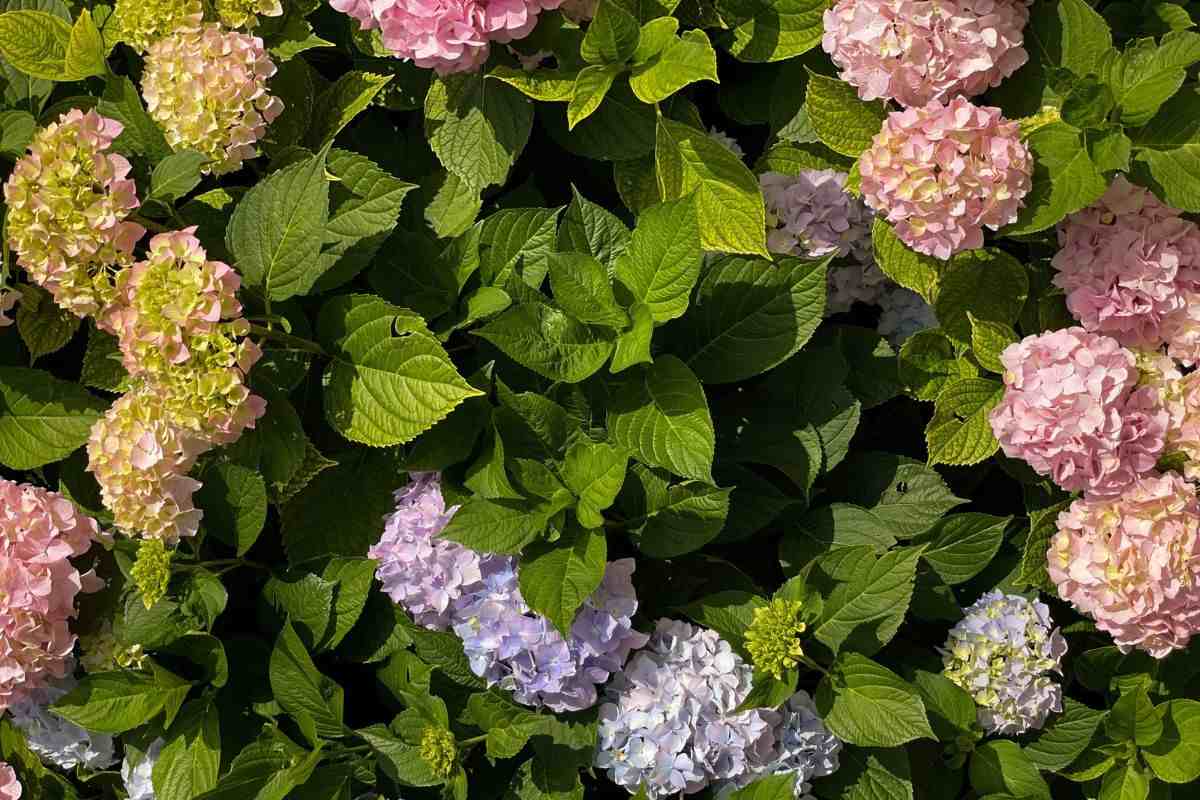
Some of Seattle's most popular flowering shrubs are better left unpruned during fall.
Spring-blooming plants, including lilacs, azaleas, rhododendrons, and some varieties of hydrangeas, often develop their flower buds on growth from the previous year. Pruning them in fall can remove those buds and reduce the flowers you'll enjoy next spring.
For these shrubs, it's generally best to wait until right after flowering fades to prune. This gives the plant time to develop new growth and set flower buds for the following season.
Other shrubs, such as panicle hydrangeas and smooth hydrangeas, bloom on new growth and can generally be pruned in late winter or early spring.
Since pruning needs vary by species and variety, it's always worth identifying your shrub before making significant cuts.
How to Tell If Your Shrubs Need Pruning
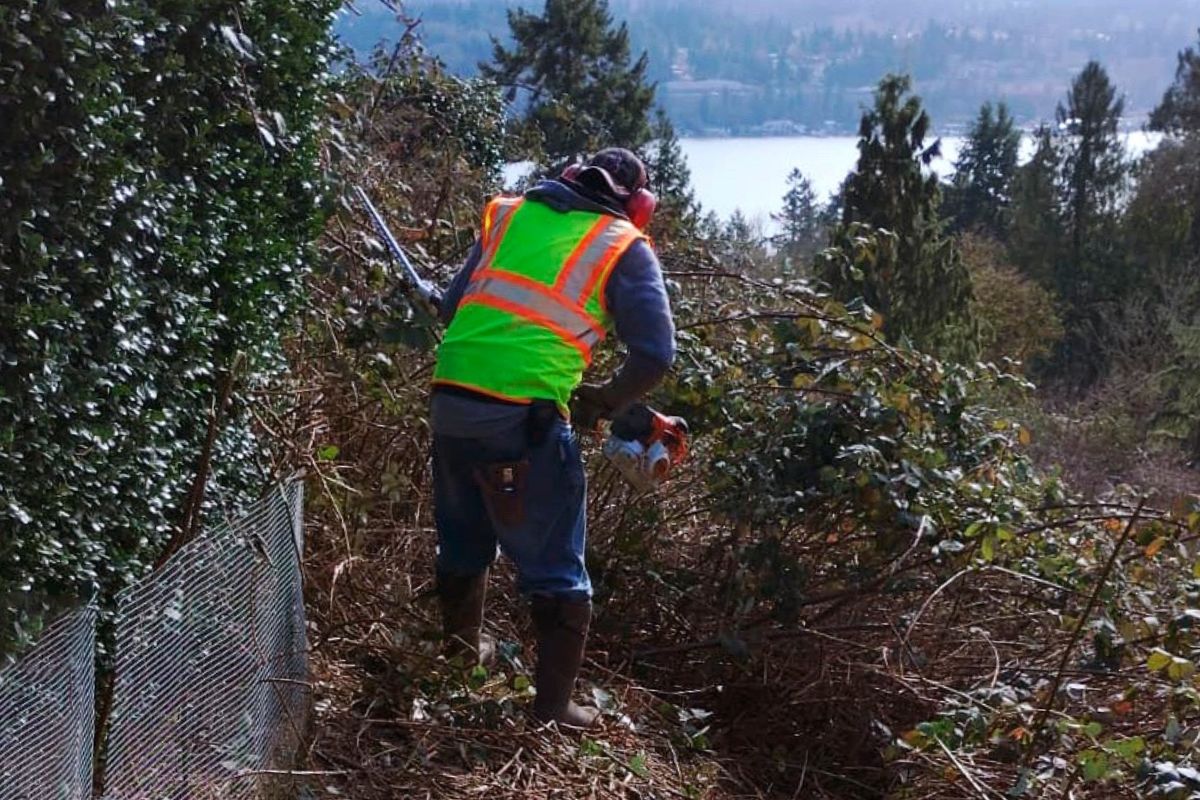
When deciding whether a plant needs a trim, we look for a few signs:
- The shrub is growing into walkways, or brushing against windows or your house. If branches are getting close to power lines, check out the City of Seattle FAQ on pruning near power lines for safety recommendations.
- The lower branches have turned brown from a lack of light. Trimming them back encourages healthier growth.
- The shrub is overgrown, and you don’t really like the shape. Lots of homeowners trim their shrubs for aesthetic reasons, which is totally valid too!
If you are wondering what other seasonal tasks to tackle around your garden this season, explore our fall yard care guide.
Caring For Your Yard Through The Seasons
Every season brings something different to your garden, and knowing when to prune helps your shrubs stay healthy while keeping their natural shape and flowering habits.
Whether you're looking for help with selective shrub pruning or planning your seasonal yard maintenance, our team can help you care for your outdoor space throughout the year.
Contact Seattle Sustainable Landscapes to chat about seasonal maintenance for your yard.