
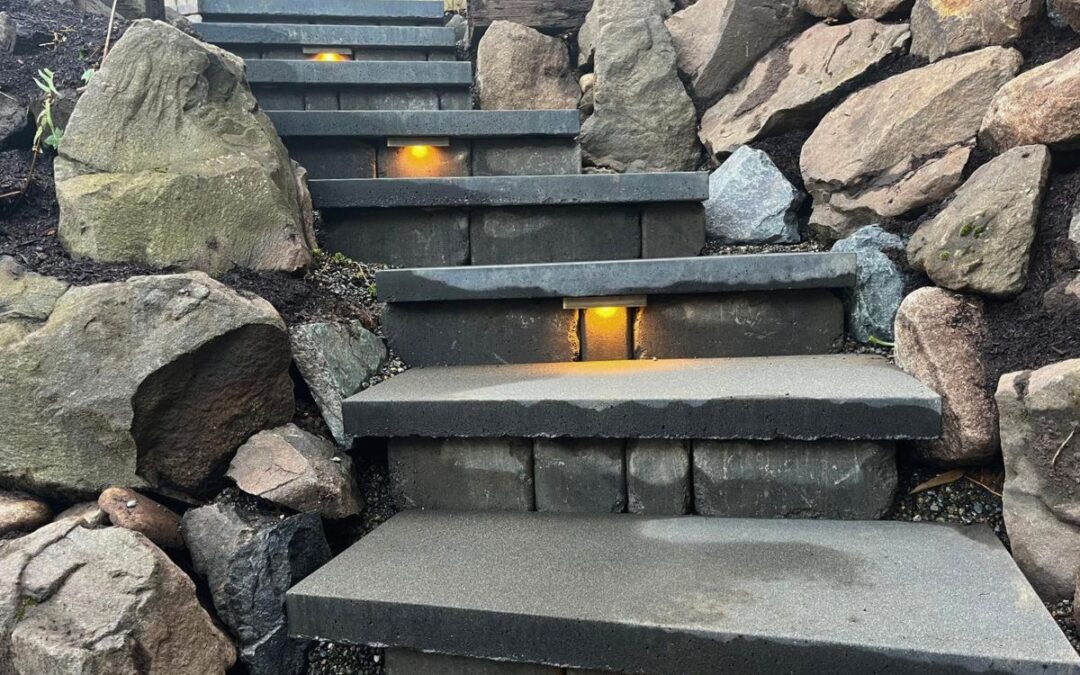
What Does Hardscaping Mean?
Hardscaping refers to the non-living elements in a landscape design. This can include structures like patios, walkways, and fences, as well as decorative elements like water features and fire pits.
People would want to install hardscaping in their houses in order to extend the living area; like an outdoor kitchen or an entertainment area where to gather guests.
A Bit of History: Where Did the Word “Hardscaping” Come From?
The term “hardscaping” emerged in the early 1970s as a way for landscape professionals to distinguish between living (softscape) and non-living (hardscape) elements in design. While it may sound like industry jargon, it has become an essential concept for homeowners planning major outdoor upgrades.
Landscapers invent words like Hardscaping to help describe and distinguish the type of work they do. Many companies focus on a particular type of landscaping, words like Hardscaping can be helpful in Selecting a Landscape Contractor.
Hardscaping vs. Softscaping (And Why It Matters)
Understanding the difference between hardscaping and softscaping helps you plan a balanced and functional landscape.
- Hardscaping: Non-living materials like pavers, gravel, concrete, brick, stone, wood, and metal. These provide structure, accessibility, and functionality.
- Softscaping: Living elements like trees, grasses, shrubs, perennials, and ground covers that bring color, movement, and life to your yard.
A great landscape design thoughtfully blends both elements to achieve beauty, sustainability, and ease of maintenance.
Related landscaping approaches include:
- Maintenance Landscaping: Regular care of both softscape and hardscape elements.
- Greenscaping: Environmentally friendly landscaping with native plants, minimal chemical use, and efficient resource management.
- Xeriscaping: A water-wise approach often used in drier climates, but also relevant in the Seattle area for reducing irrigation needs.
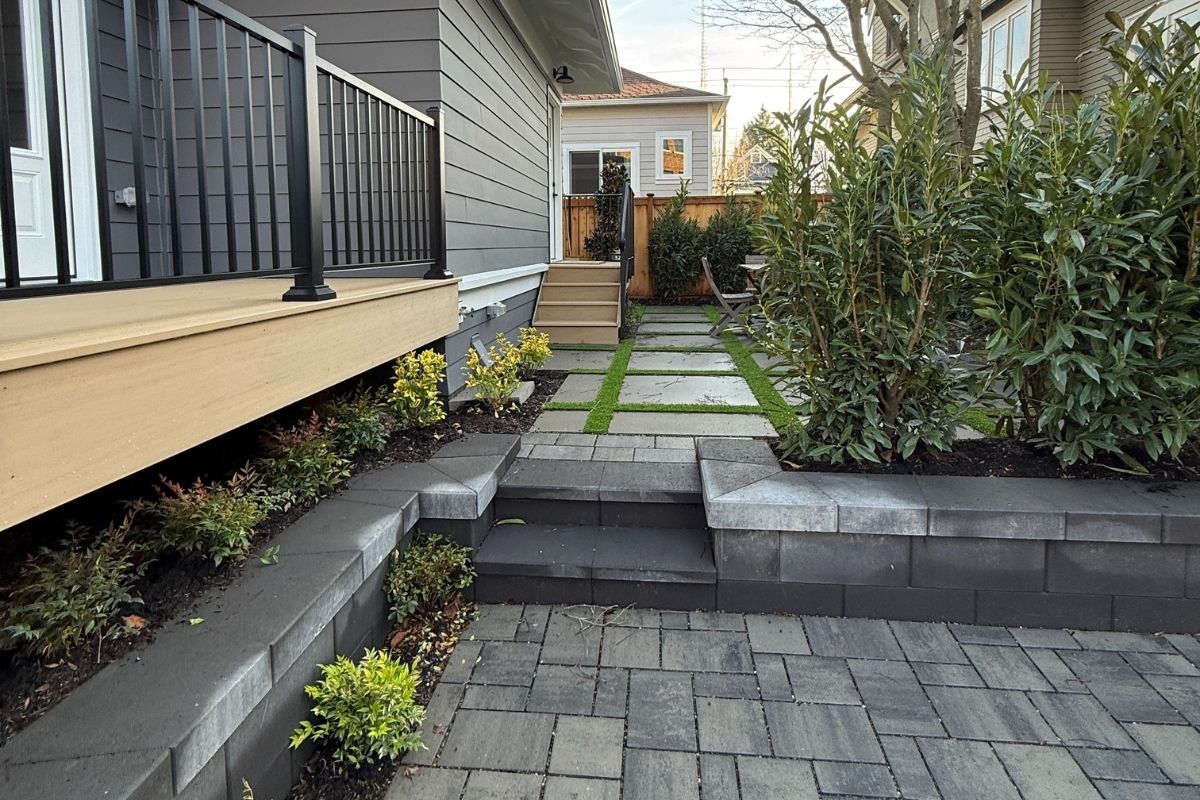
Types of Hardscaping
- Patios: These provide an outdoor living space that is perfect for entertaining, relaxing, or dining.
- Decks: Constructed of wood or composite decking, decks extend your indoor living space outdoors.
- Retaining Walls: These structures hold back soil, prevent erosion, and create level areas in sloped landscapes.
- Walkways and Paths: These create a sense of flow and movement throughout your landscape, connecting different areas of your outdoor space.
- Fences: Made from materials like wood planks, lattice, steel, and iron, fences provide privacy and security.
- Water Features: Elements like waterfalls, water fountains, and even reflecting pools are all examples of decorative hardscaping.
- Fire Pits: Often coupled with patios, fire pits create a designated area for relaxing and entertaining.
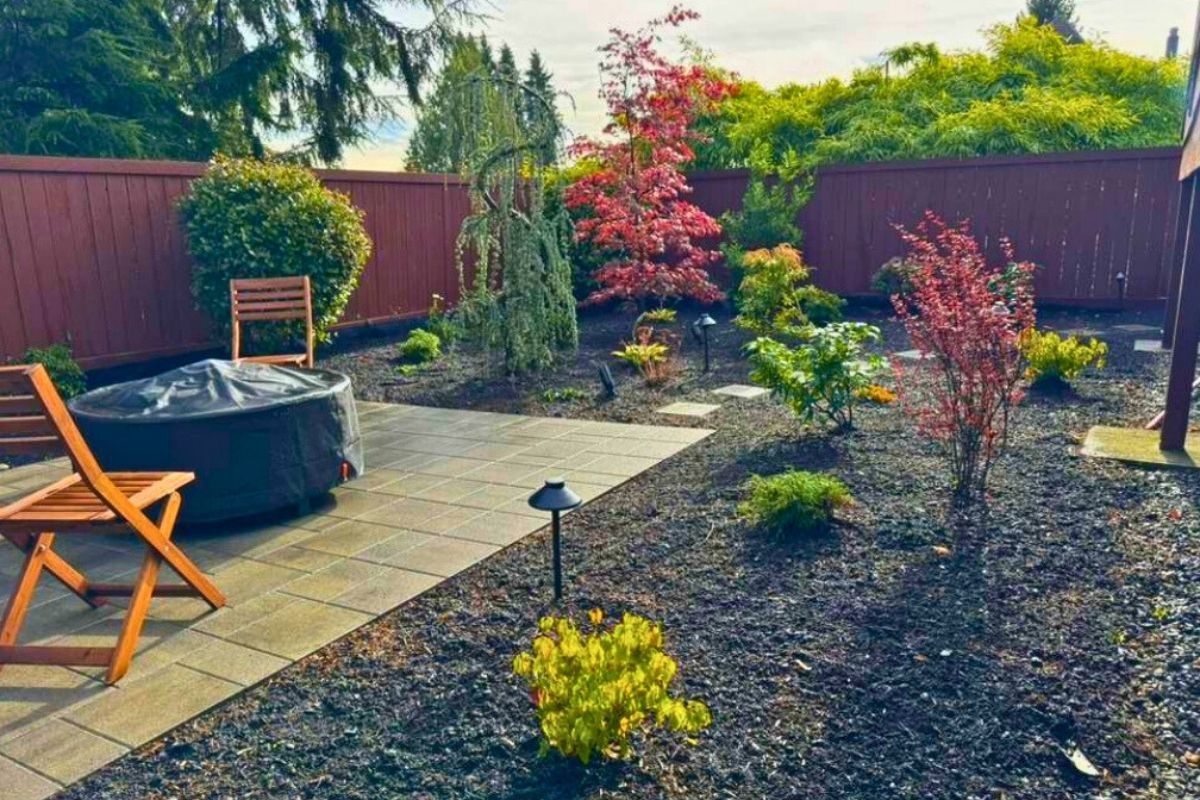
Benefits of Hardscaping in the Seattle Area
Hardscaping offers numerous benefits that can enhance your outdoor space in both practical and aesthetic ways:
- Functionality: Hardscapes provide functional places to walk, sit, and host.
- Low Maintenance: Hardscapes don’t need to be watered, pruned, or mowed!
- Beauty and Interest: Hardscapes can create interest and a particular type of beauty in your space.
- Increased Property Value: Well-designed hardscaping features can significantly enhance the aesthetic appeal of your outdoor space, making it more attractive to potential buyers.
- Water Conservation: In areas where droughts are common, hardscapes can help combat water waste by creating an environment that requires less moisture.
What to Consider Before Starting a Hardscaping Project
Hardscape features are often permanent and require thoughtful planning. Here’s what to keep in mind:
- Planning and Design: Assess your outdoor space and identify your needs and goals. Sketch a design that includes the location and dimensions of various hardscape elements.
- Proper Drainage: Seattle’s rainy winters make drainage a top concern. Poorly installed hardscaping can lead to water pooling or basement leaks. Professional grading and permeable materials can mitigate these risks.
- Design Harmony: Your hardscape should complement your home’s architecture and existing landscaping. Think about colors, textures, and overall style.
- Material Selection: Choose materials suited for our damp climate. Natural stone, concrete pavers, and composite decking often perform better than untreated wood.
- Permits & Codes: Larger projects (like retaining walls over 4 feet or fences near property lines) may require permits. A professional landscape contractor will help navigate these.
- DIY or Hire a Pro? While some small hardscape projects can be DIY-friendly, larger or sloped-site installations benefit from professional expertise. Mistakes in grading, drainage, or structural integrity can be costly.
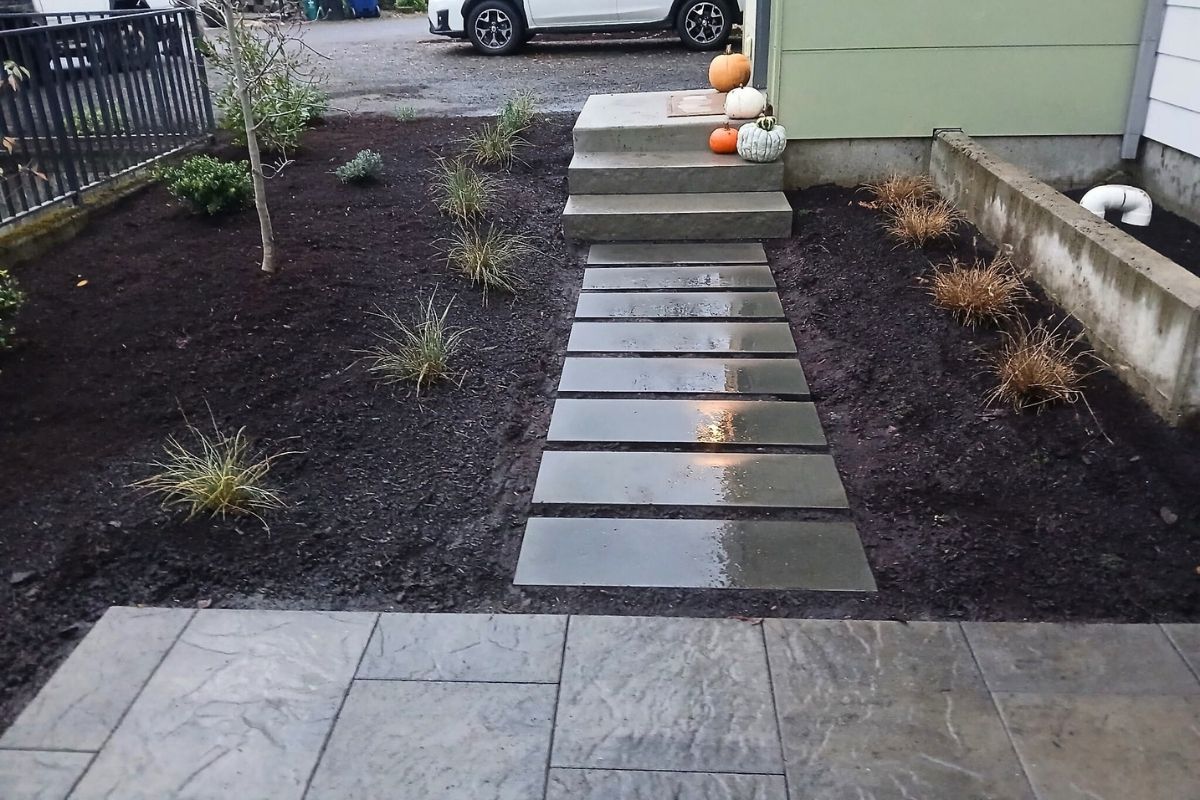
Need Help With Hardscaping in Seattle?
At Seattle Sustainable Landscapes, we specialize in designing and installing hardscape features that are functional, beautiful, and built to last—all with a focus on sustainability and site-specific solutions. Whether you’re dreaming of a new patio, retaining wall, or full outdoor transformation, we’d love to bring your vision to life.
👉Contact Us to schedule a consultation and start your project.
Summary: Hardscaping 101
Hardscaping refers to the non-living elements of a landscape—patios, fences, fire pits, and more—that add structure and function to your outdoor space. Especially in Seattle, these features help manage water, create usable spaces on slopes, and reduce long-term maintenance.
When done well, hardscaping increases property value, supports sustainability, and enhances your quality of life outdoors. Whether you’re upgrading your backyard or starting from scratch, thoughtful planning and professional execution make all the difference.
🔗 Click here to go back to our Blog Page
🏡 Click here to go back to our Home Page
📩 Contact Us to learn more about hardscaping design and installation!