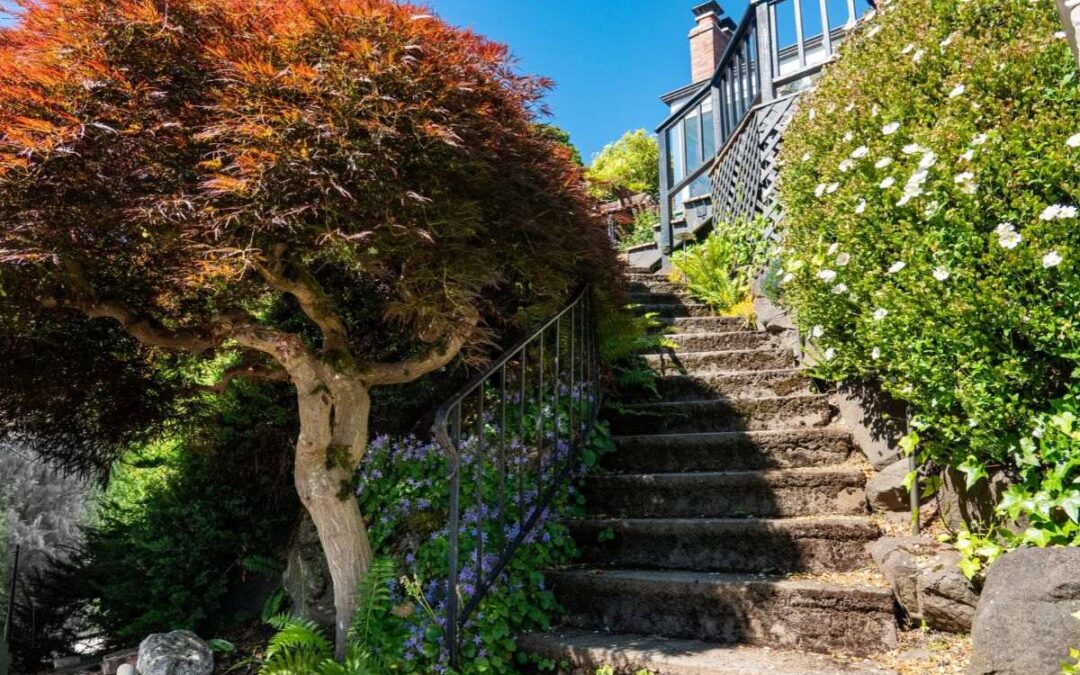
Even small trees can elevate a Seattle yard. As they grow upward, they add vertical interest, frame your favorite views, and create a sense of enclosure without taking up too much space. They bring another dimension to a garden, and you don't need a large backyard to enjoy these benefits.
After more than 10 years of designing and maintaining Seattle landscapes, we've seen how thoughtfully placed trees can improve the look and everyday use of an outdoor space. We've also learned that choosing the right variety means thinking about how it will grow and adapt to the Pacific Northwest climate. In our sustainable landscape designs, we look for trees that are native to or well-adapted to our region. These varieties thrive in local conditions while providing food and shelter for birds, pollinators, and other wildlife.
If you're looking for small trees for Seattle yards, here are eight of our favorites to bring height, character, and seasonal interest to your outdoor space.
Small Native Trees for Seattle Gardens
Vine Maple (Acer circinatum)
Cascara (Rhamnus purshiana)
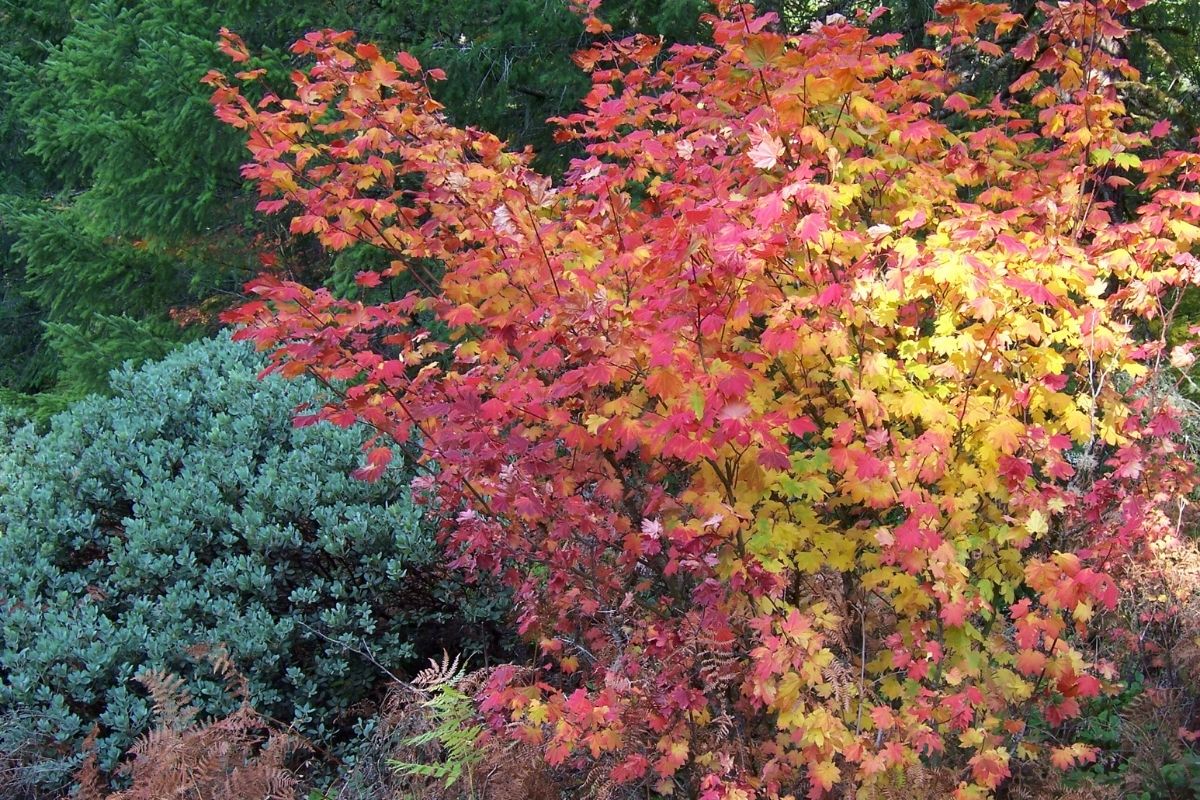
Vine maple is a native tree well known for its fall color. It typically grows 10–20 feet tall and wide, making it ideal for small gardens. It provides shelter for birds and nectar for pollinators.
Why we love it: It offers seasonal interest throughout the year: from red new growth in spring to orange foliage in fall.
Pacific Wax Myrtle (Morella californica)
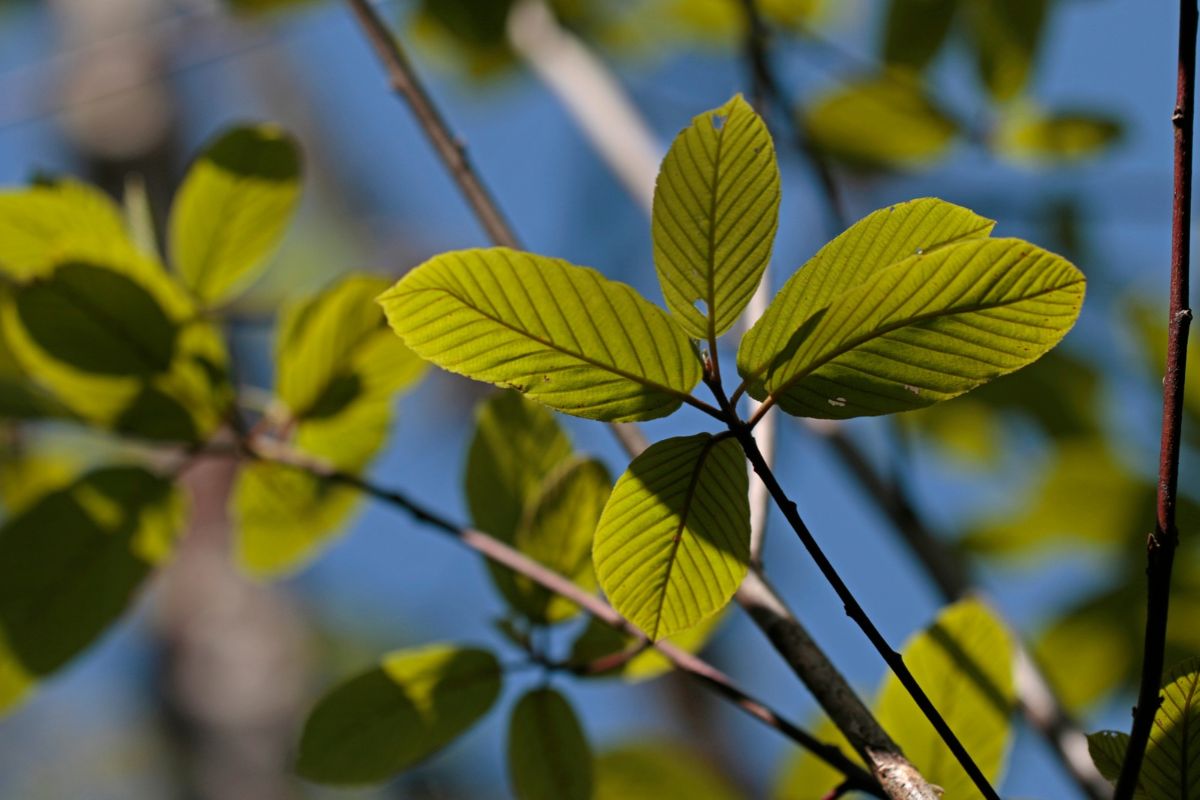
Cascara is a deciduous native tree that typically grows 15–30 feet tall. It has green leaves that turn yellow in fall, small flowers in spring that attract pollinators, and berries that feed birds.
Why we love it: Cascara is a quiet hero in native landscapes: adaptable, wildlife-supporting, and low-maintenance.
Pacific Madrone (Arbutus menziesii)
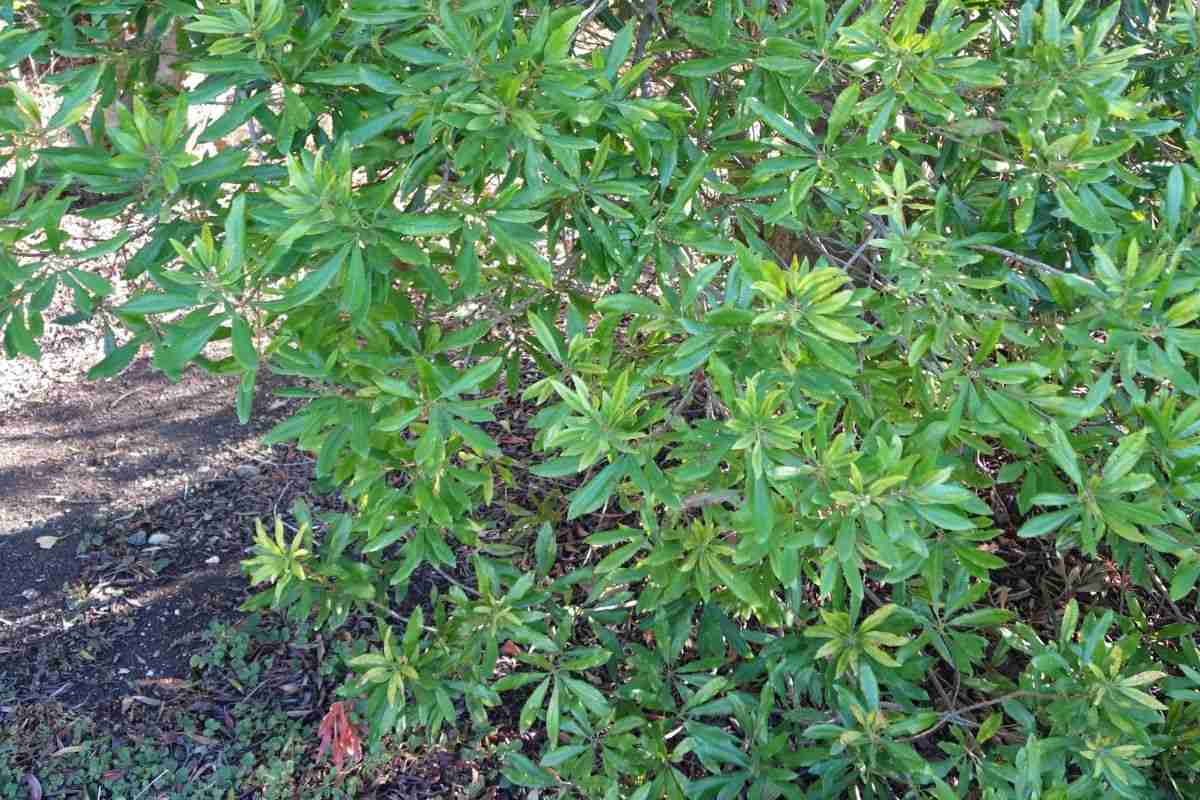
Pacific wax myrtle is a shrub that can easily be pruned into a small tree form. It typically grows 10–20 feet tall, and it’s drought-tolerant once established.
If it outgrows your spot, we found a helpful WSU extension pruning guide for homeowners looking to cut back plants that have grown too large.
Why we love it: It provides year-round shelter for birds, works well in hedgerows, and tolerates both sun and part shade.
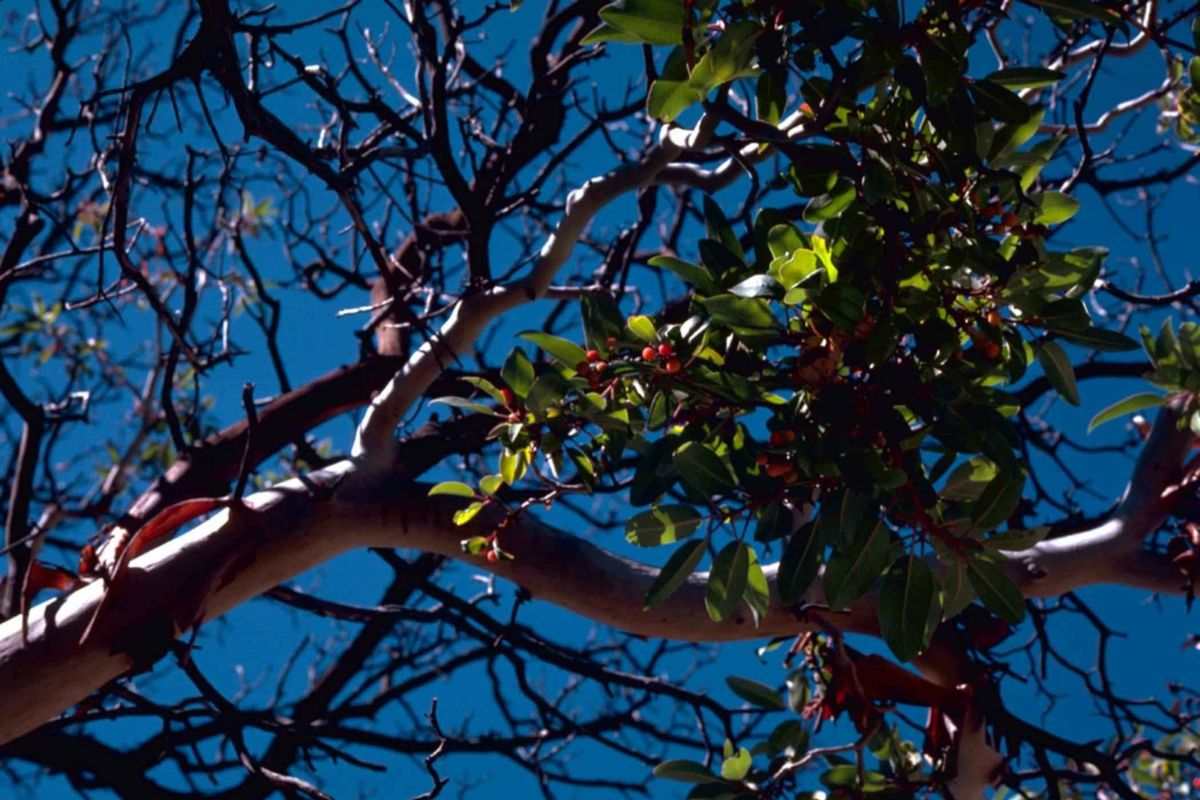
The Pacific madrone is one of the most iconic native trees of the Pacific Northwest. It loves the coast, so you’ll often see it growing out towards the water in search of sun.
Though it can grow quite large in ideal conditions, it often stays within the 15–30 foot range in urban gardens.
Why we love it: Madrones support a variety of pollinators and birds. It thrives without irrigation once established, making it ideal for low-maintenance landscapes.
Compact Trees Well-Adapted to the PNW
Western Redbud (Cercis occidentalis)
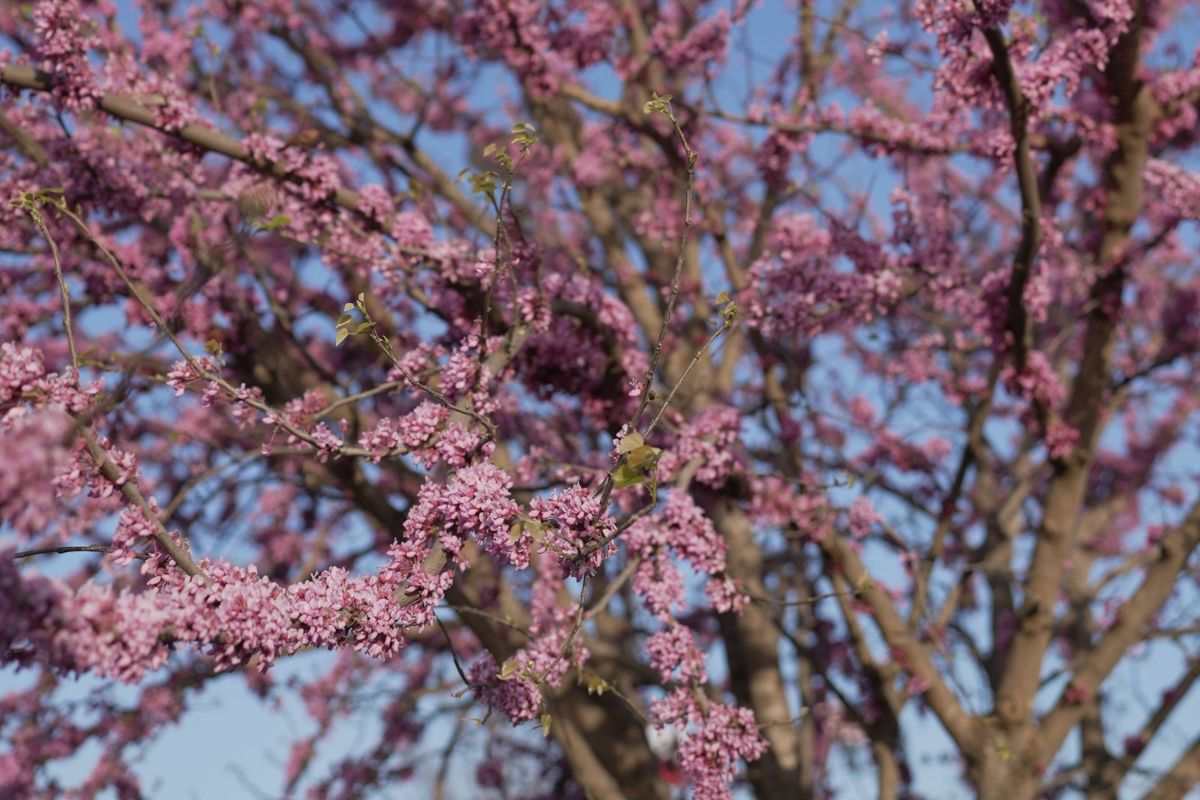
While this tree is native to California, it adapts well to Seattle gardens. It grows about 10–20 feet tall and produces pink blossoms in early spring.
Why we love it: Its early flowers feed native pollinators.
Japanese Snowbell (Styrax japonicus)
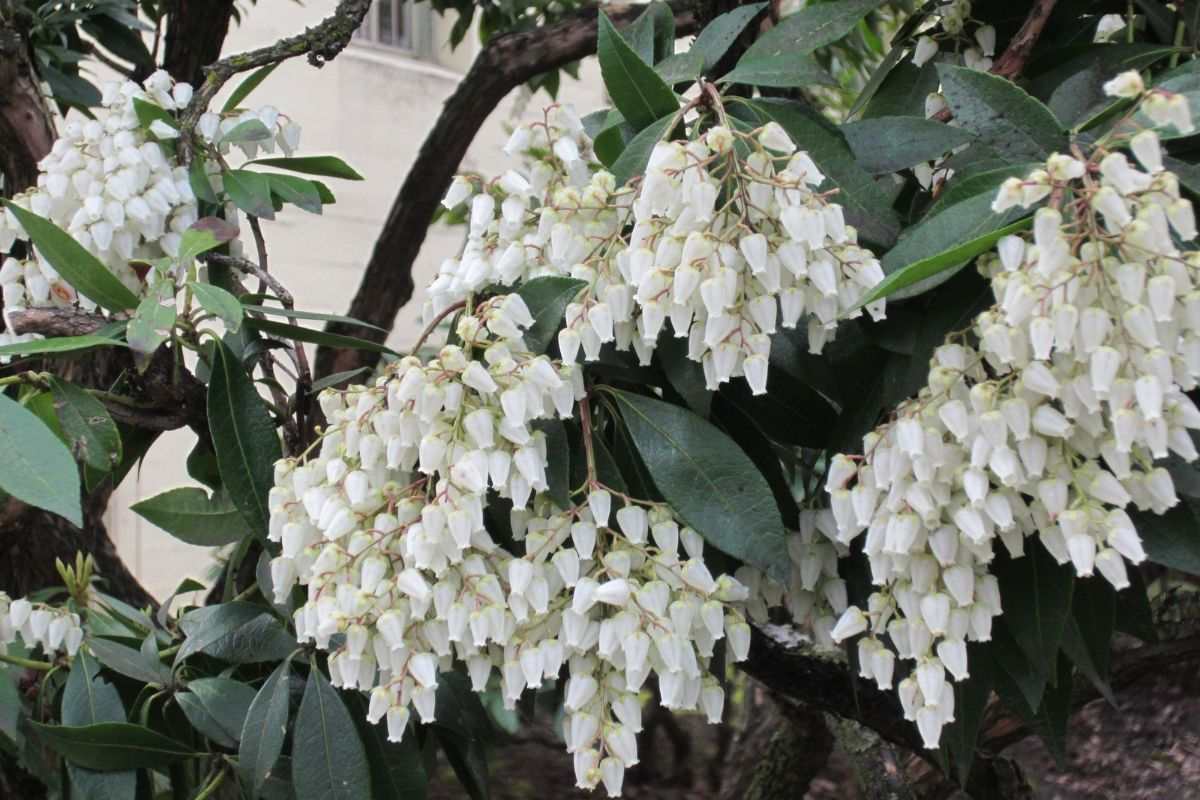
Japanese snowbell is a well-adapted tree that fits into sustainable landscapes because it’s not invasive. It grows 20–30 feet tall and produces fragrant white flowers.
Why we love it: It’s elegant, compact, and pollinator-friendly.
Japanese Maple (Acer palmatum)
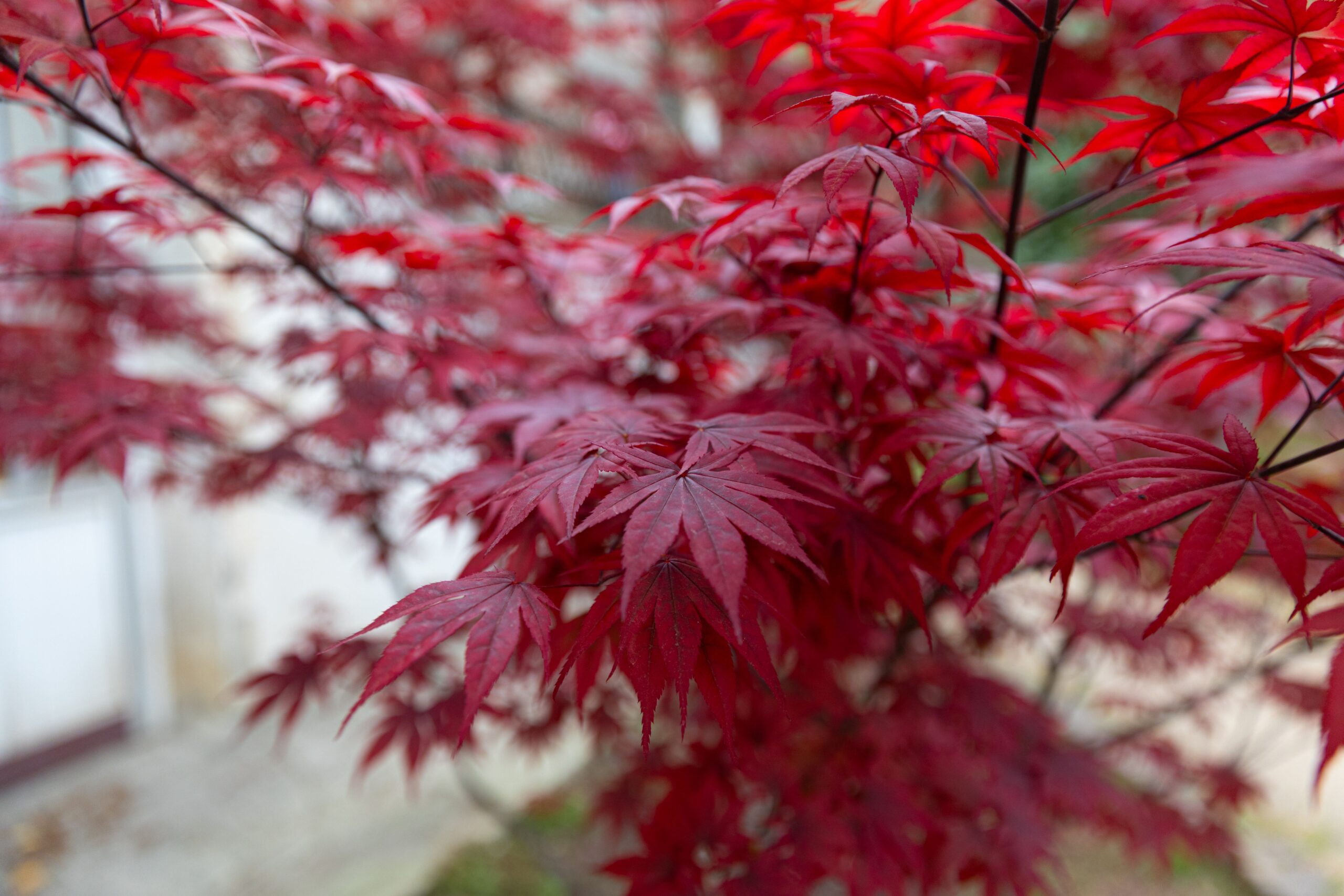
Japanese maples come in many different shapes, sizes and colors: from weeping forms to upright trees with red autumn displays. They work perfectly for entry gardens, courtyards, or in small yard designs.
Why we love it: They bring a sculptural look to the landscape and grow well in partial sun or dappled light.
Strawberry Tree (Arbutus unedo)
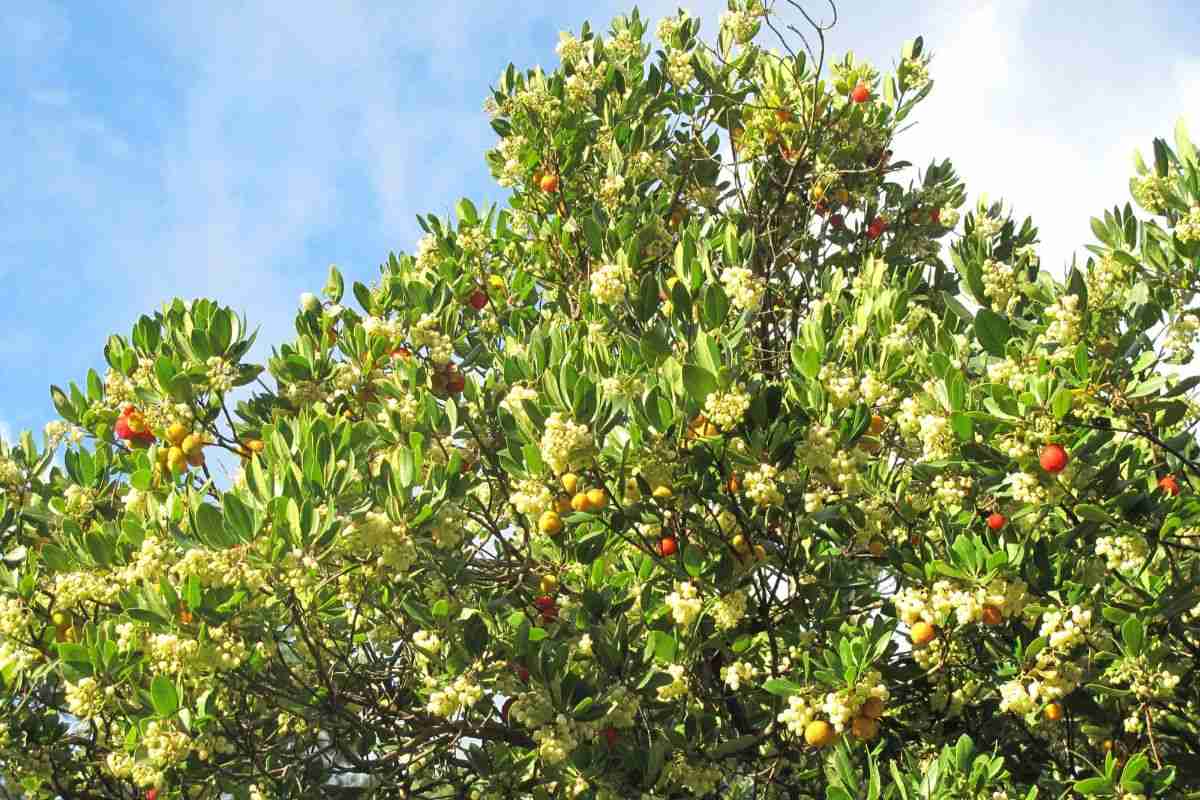
The strawberry tree is one of my personal favorites. It’s a broadleaf evergreen tree that typically stays under 20 feet tall, making it a great choice for small gardens. It produces white flowers in fall, followed by red, strawberry-like fruits.
Why we love it: It offers year-round interest (flowers, fruit, bark, and evergreen foliage) and supports pollinators in late fall when little else is blooming.
Designing a Seattle Yard with Small Trees
Small trees do a lot of work in a compact yard. Combining them with shade tolerant perennials or native groundcovers can give you a layered, lush look that brings the whole yard together.
Whether you want privacy, food for birds, or simply more beauty in your landscape, the right small tree can help you achieve it.
Contact our landscape design team to help you find the right one for your space.