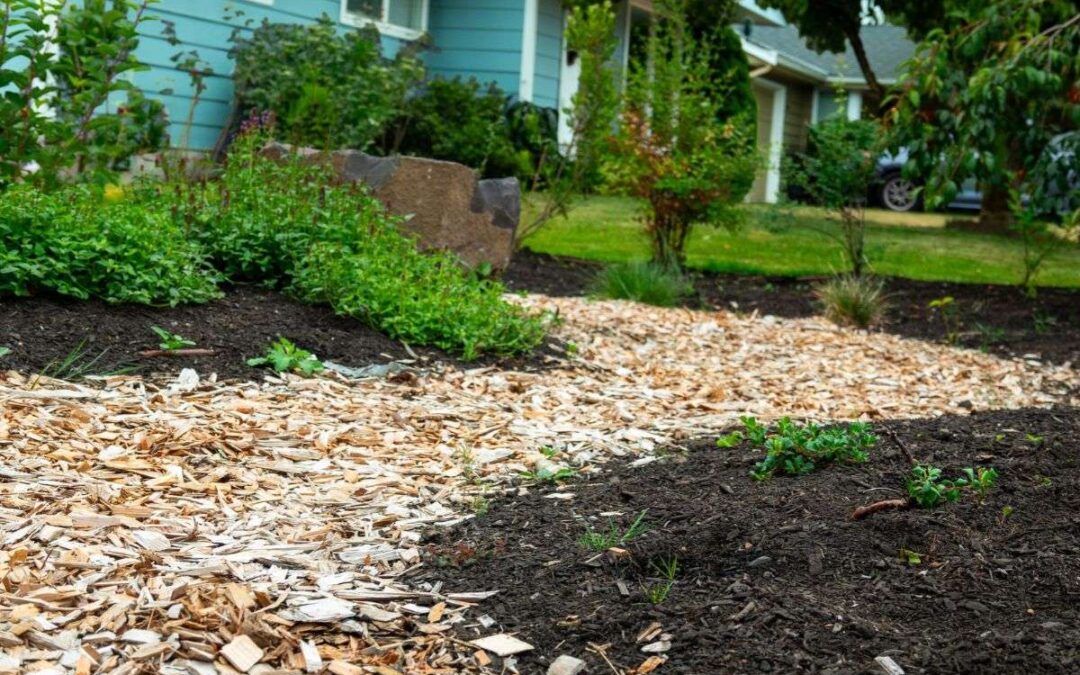
Mulch is one of the simplest ways to protect plant roots, suppress weeds, and keep your garden beds looking tidy through every Pacific Northwest season. Once you start shopping, though, the different blends of bark, compost, and wood chips can make it tough to tell what your yard actually needs.
Different types of mulch do different jobs in your Seattle yard. Some break down to feed your soil, while others can be used to create clean pathways. Choosing the right mulch comes down to what you want to achieve in your garden.
What Is Mulch Used For in a Seattle Garden?
Understanding what mulch is used for makes it much easier to pick the right product. A well-applied layer of mulch handles four essential jobs in your garden:
- Suppresses Weeds: Blocks sunlight from reaching weed seeds in the soil, cutting down on hand-weeding all spring and summer.
- Locks in Moisture: Reduces water evaporation during warm, dry Seattle stretches from May through September.
- Insulates Plant Roots: Keeps soil temperatures steady, protecting shallow roots from summer heat spikes and winter frost.
- Feeds the Soil & Prevents Erosion: Cushions heavy winter rainfall so soil doesn't wash away, while gradually breaking down into nutrient-rich organic matter.
If you're looking to add mulch to your garden, our yard care team can help you choose the right fit. Or, keep reading to discover the four types of mulch we recommend most.
Four Types of Mulch for Seattle Yards (And When to Use Them)
Each mulch does a slightly different job in the landscape. Here are the four organic options we use most across Seattle yards:
1. Dark Fine Mulch
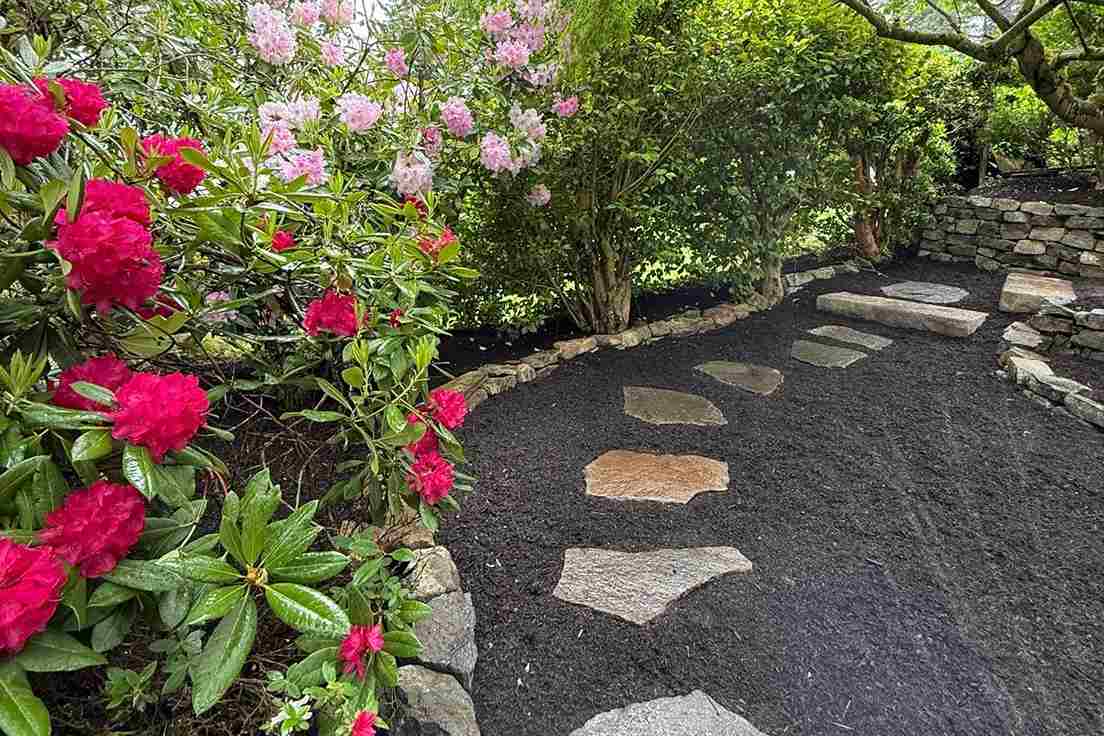
If you want your garden beds to look neat, clean, and cohesive, dark fine mulch is hard to beat. Made from finely ground bark and wood fines, it forms a uniform, dark-brown blanket that suppresses weeds, keeps root temperatures steady, and holds moisture. While it breaks down slowly and doesn’t add a heavy dose of nutrients to your soil, its rich dark color makes green foliage and flowers pop.
Best for: Decorative ground cover in front-yard flower beds and foundation shrub borders.
Want a crew to handle the hauling, bed edging, and spreading?
Contact our Seattle yard care team to talk through your options and schedule a mulch refresh.
2. Compost Mulch
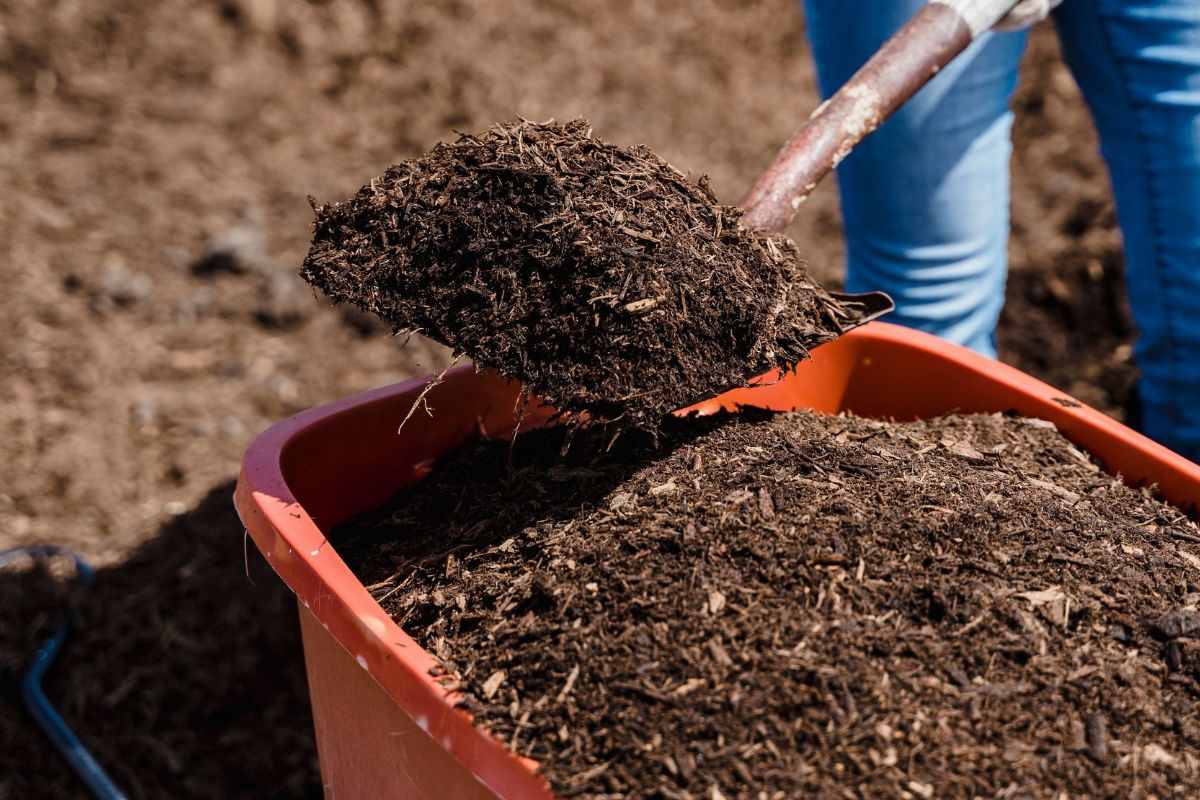
While dark fine mulch focuses on curb appeal and weed control, compost mulch is all about soil health. Rich in decomposed organic matter and beneficial nutrients, it feeds soil microbes, improves drainage in heavy clay, and fuels vigorous root growth.
Best for: Poor, sandy, or compacted soil, vegetable gardens, and new plantings that need an immediate nutrient boost.
3. Cedar Chips
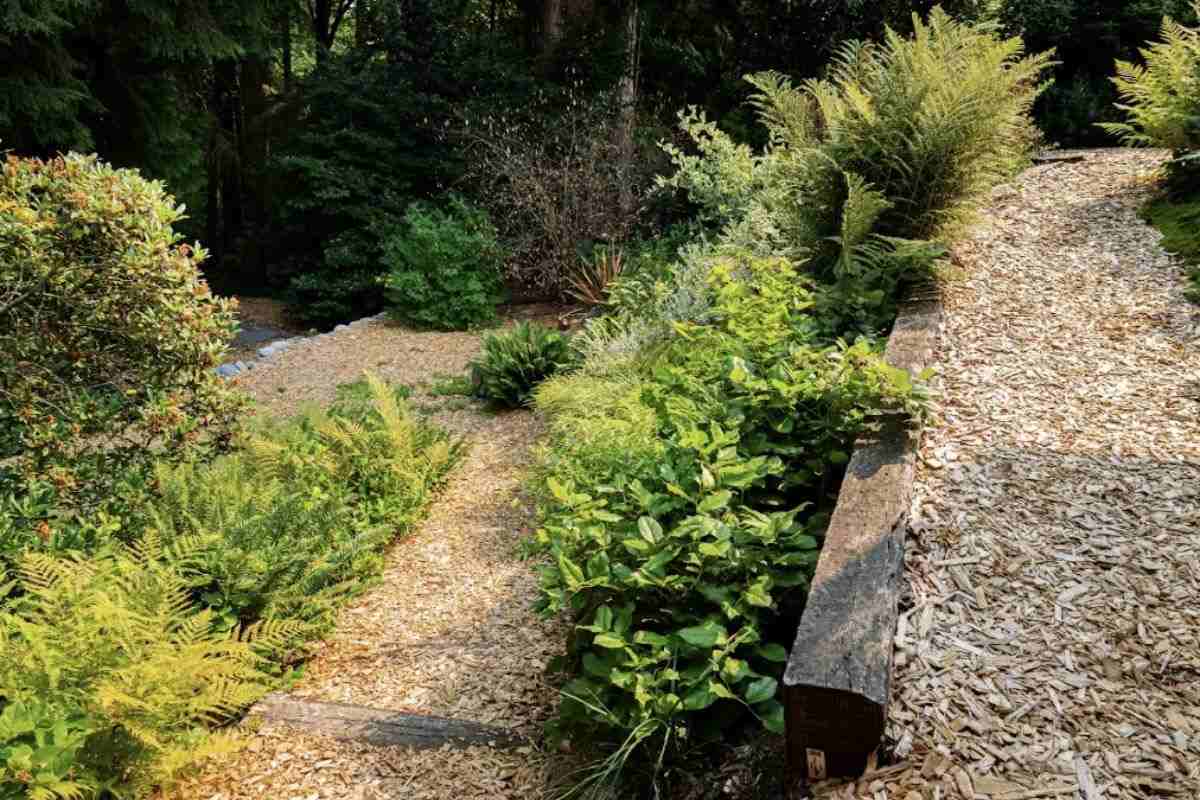
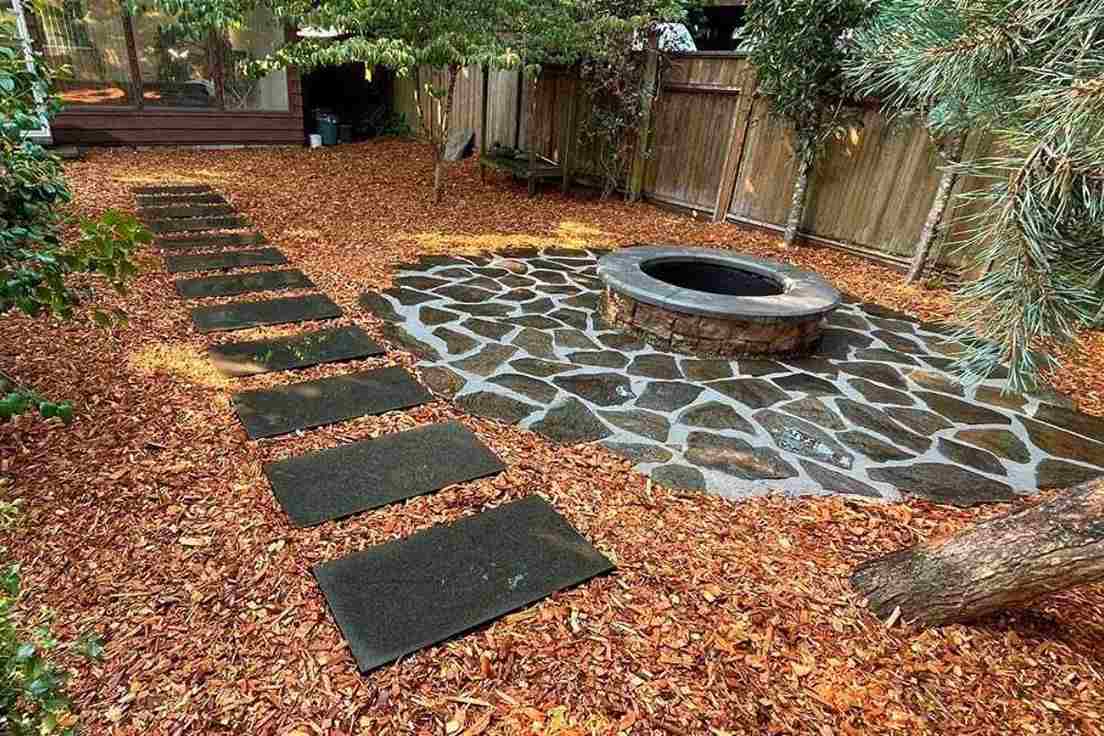
Milled from 100% pure cedar wood and free of green waste, cedar chips are built for durability rather than feeding your soil. Because cedar resists rot, these chips break down very slowly and create a clean, cushioned surface that holds up well under foot traffic. Cedar’s natural aromatic oils also help deter common garden pests like ants and beetles.
Best for: Informal garden pathways, dog-friendly yards, and backyard play areas that need a soft, long-lasting wood surface.
4. Arborist Chips
Arborist chips are a rustic, natural mix of chipped wood, bark, leaves, and small branches sourced directly from local tree care work. Because every batch reflects locally pruned trees, the texture looks natural and varied. As that diverse mix of wood and foliage decomposes, it feeds beneficial soil microbes and fungi, actively building rich forest-floor topsoil while suppressing weeds.
(They are also the top-recommended mulch for Seattle rain gardens.)
If you want to see how it looks in different landscapes, check out our video featuring a few arborist chip examples.
Best for: Mulching fruit trees, vegetable garden paths, woodland-style gardens, rain gardens, and vegetable garden paths.
How Much Mulch Do I Need?
One of the most common questions we hear from homeowners is: How much mulch do I need? Getting the depth right matters. Too thin and weeds poke right through; too thick and water struggles to reach the roots.
-
Ideal Mulch Depth: Aim for a 2- to 3-inch layer across planting beds (3 inches is standard for arborist wood chips in rain gardens and perennial beds)
-
Quick Coverage Rule of Thumb: Mulch is typically sold by the cubic yard. 1 cubic yard of mulch covers roughly 100 to 150 square feet at a 2- to 3-inch depth.
-
Simple Formula: Multiply your garden bed’s length by its width (in feet) to get total square footage, then divide by 100 (for a deeper 3-inch layer) or 150 (for a lighter 2-inch top-dress) to estimate how many cubic yards to order.
Choosing the Right Type of Mulch for Your Seattle Garden
Because every type of mulch serves a different purpose, you don’t have to stick to just one. Many Seattle homeowners mix and match. Use dark fine mulch in visible front flower beds, compost mulch in the veggie garden, and cedar or arborist wood chips alongside paths.
Not sure what type of mulch makes the most sense for your soil and plants?
Contact our yard care team to talk through your options.