If you want a lush, resilient yard in the Pacific Northwest, learning exactly how and when to plant grass seed is the most important step you can take. The Seattle climate offers plenty of rain and mild temperatures, but timing your project correctly makes all the difference when trying to establish grass seed successfully. Whether you are dealing with bare patches or starting entirely from scratch, understanding how to start grass seed properly ensures deep roots and vibrant green growth.
This guide will walk you through the entire process, covering the best time to grow grass seed and the most effective techniques so you know exactly how to plant lawn seed like a professional.
When is the Best Time to Grow Grass Seed in Seattle?
Before you worry about the best way to lay grass seed, you have to get the timing right. Cool-season turf thrives in our region, meaning the window for when to plant lawn seed revolves entirely around soil temperatures and rainfall. If you plant too early, summer heat will scorch the fragile sprouts; plant too late, and winter frosts will stunt their development. Knowing exactly when to lay grass seed ensures high germination rates, protects your investment, and prevents patchy results.
The Optimal Window: Early Fall Seeding
The absolute best time to spread grass seed in Seattle is early fall, specifically between Labor Day and mid-October. During this window, the soil is still holding onto the summer heat, which is precisely what you need to grow grass seed quickly. At the same time, the cool autumn air and returning Pacific Northwest rains provide natural irrigation, significantly reducing the amount of manual watering required.
If you are wondering when to start grass seed for the highest possible success rate, this six-week fall window is it. When you figure out how to spread grass seed during this period, the warm soil ensures fast germination, while the mild, wet PNW winter allows the root system to deeply anchor before facing the stress of the next summer drought. Because of this natural advantage, local landscapers consider early autumn the definitive best time to sow grass seed. If you are updating your entire landscape, turf isn't the only thing that thrives right now; check out our guide on what to plant this fall in Seattle to discover our favorite seasonal flowers and shrubs.
The Secondary Window: Mid-Spring Seeding
If you miss the autumn window, the next best time to lay grass seed is in the middle of spring, typically from mid-April through May. As the ground thaws and warms up to around 55 degrees Fahrenheit, you have a secondary opportunity to sow grass seed.
However, spring seeding comes with unique challenges. You will face heavy competition from aggressive spring weeds, and the incoming summer heat means you must be incredibly diligent with irrigation. When deciding when to grow grass seed in the spring, wait until the risk of heavy frost has completely passed, but act before the hot June weather sets in. Understanding how to grow lawn seed in the spring requires a strict, non-negotiable watering schedule, making it slightly more demanding than a fall planting project.

How to Prepare Your Soil to Establish Grass Seed
Before you open a single bag of seed, the ground must be perfectly prepped. The secret to learning how to start grass seed effectively lies entirely in the dirt. Throwing seed onto compacted soil or a thick layer of thatch is a waste of time and money, as the roots will never be able to penetrate the surface to establish grass seed properly.
Follow these steps to prepare your site:
- Clear the Surface: Start by raking away all dead grass, leaves, rocks, and debris.
- Aerate the Soil: For existing lawns that are heavily compacted by Seattle's winter rains, core aeration is highly recommended to allow oxygen and water to reach the root zone.
- Level the Ground: Once the ground is clear and breathing, level out any uneven bumps or depressions with topsoil.
- Apply Starter Fertilizer: Finally, apply a high-quality starter fertilizer designed specifically for new turf. This creates the nutrient-rich foundation required before you determine the best way to lay grass seed across your yard. It is always recommended to get a soil test through the King County Conservation District before applying amendments.
Want a quote for a professional lawn installation or seeding? Send us a message. Our yard care team can assess your property and soil conditions.

How to Spread Grass Seed: A Step-by-Step Guide
With your soil prepped and fertilized, you are ready for the physical application. Understanding exactly how to lay grass seed is what separates a lush, uniform lawn from a patchy, uneven mess. The goal is to achieve consistent coverage so that the turf grows in thick enough to crowd out weeds, but not so thick that the new seedlings compete with each other for nutrients.
If you are researching how to plant lawn seed, the most important rule is to ensure excellent seed-to-soil contact. The seed must physically touch the prepared dirt to germinate. Knowing how to spread grass seed at the correct density is crucial, so always check the bag's label for the recommended coverage rate. Typically, new lawns require more seed per square foot than overseeding an existing yard.
Sowing the Seed: Spreader vs. By Hand
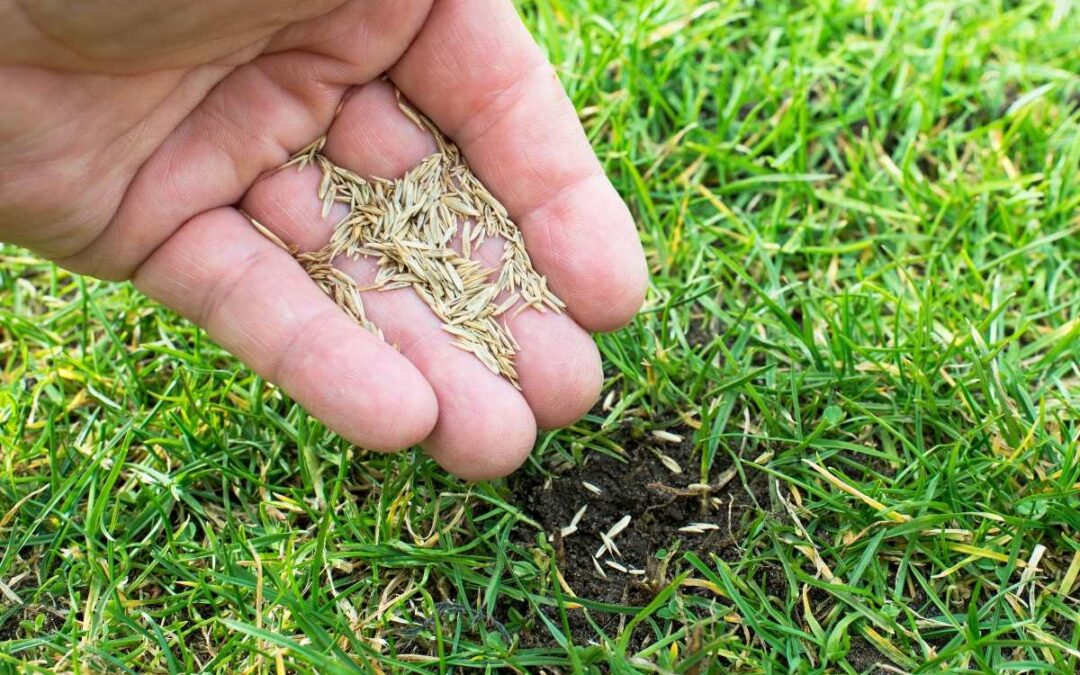
When figuring out how to lay grass seed most effectively, the size of your project dictates your tools. If you are just repairing a few dog spots or small bare patches, the best way to sow grass seed is simply by hand. Take a handful of seed and gently scatter it over the prepped area, making sure not to dump it all in one heavy clump.
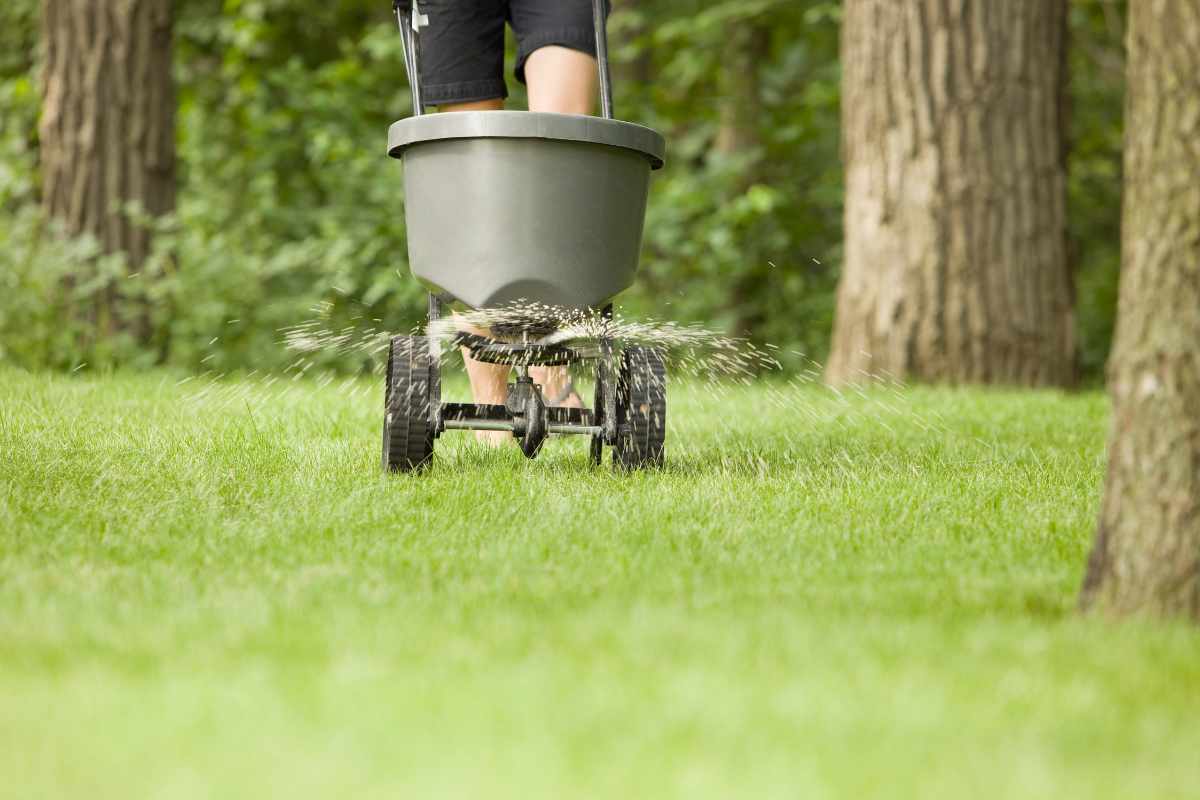
For a full yard renovation, you cannot rely on hand broadcasting. The best way to spread grass seed over a large Seattle lawn is by using a drop or broadcast spreader. To lay grass seed evenly, fill your spreader, set it to half the recommended drop rate, and walk across your lawn in parallel lines going north to south. Then, go over the exact same area, walking east to west. This crisscross pattern guarantees full coverage and is the undisputed best way to lay grass seed without leaving bare streaks.
Send us a message to get help from our yard care team.
Topdressing and Aftercare: How to Grow Grass Seed Successfully
Once you successfully spread grass seed, the immediate aftercare dictates whether the project thrives or fails. To truly master how to grow grass seed, you must protect your newly sown investment from birds, wind, and heavy Pacific Northwest downpours.
Rake the Surface: Gently run the back of a leaf rake over the soil to lightly mix the seed into the top quarter-inch of dirt.
Add a Protective Blanket: Apply a very thin layer of topdressing, such as peat moss or finely screened compost, over the entire area.
Lock in the Moisture: This topdressing retains critical moisture and hides the seeds from local wildlife.
Many homeowners fail to start grass seed simply because they leave it exposed on the surface. Covering the area is a vital part of learning how to grow lawn seed like a professional landscaper.
Watering Guidelines for New Turf
The final and most critical step in learning how to sow lawn seed is maintaining a strict watering schedule. Seeds require constant moisture to break their dormancy. For the first 14 to 21 days after you spread lawn seed, you must water the area lightly and frequently.
The goal is to keep the top inch of soil consistently damp, but never muddy or pooling with water. Depending on the weather, this usually means watering two to three times a day for just a few minutes per session. If the topdressing dries out and turns light brown, the seeds will die, ruining the entire project. Once the new grass reaches about two inches tall, you have officially learned how to spread lawn seed successfully, and you can slowly transition back to a standard, deep-watering schedule to encourage deep root growth.
Contact us to ask for help with your grass seeding or any lawn care treatments.