Summers in Seattle bring warmer days and longer evenings outside. It can also mean that our yards get a little out of hand. Weeds go to seed, volunteer plants pop up and veggie beds have finished for the season. The good news? Late summer is the perfect time to do a yard cleanup.
In this article, we’ll break down why late summer is a good time for a cleanup, what to tackle now and which tasks you can save for later months.
Why Late Summer Is a Good Time for a Yard Cleanup
Seattle typically sees very little rainfall in the summer, which means drier soil and fewer weeds sprouting back. This makes it the ideal window to clear out invasives and weeds before they take hold again. Even if plants like blackberries have already flowered or gone to seed, removing them now still helps.
A late summer cleanup also sets up your yard for what comes next. Fall is the best time to plant in the Pacific Northwest because of our mild temperatures and moisture. If you are dealing with an overgrown yard in Seattle, clearing it out now makes it much easier to see what your space actually needs before the planting season begins.
What to Tackle Before Fall
Fall is the season where Pacific Northwest yards begin growing actively again, and in our area, plants love to grow like crazy. Here are some things you can do before that happens:
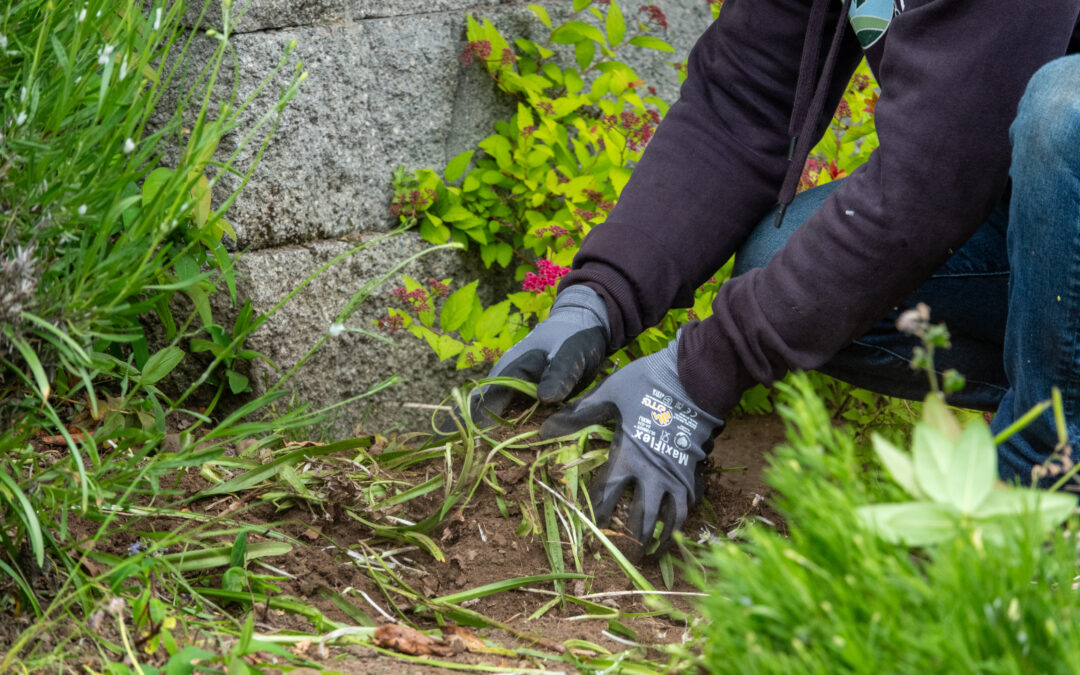
Pull out weeds by the root
The dry soil makes this easier to do and keeps new weeds from sprouting back. While you do so, you’re also aerating the soil, which is a nice bonus!
Treat pests
Late summer is an ideal time for treating infestations like the European chafer beetle with beneficial nematodes. If you want to read more about how to deal with European chafer beetle, the WSU Extension's fact sheet is a helpful resource for homeowners.
Remove volunteer plants
Seeds dropped by birds, squirrels or neighboring trees can turn into unwanted growth. Pulling these out now keeps them from taking over.
Clear out finished veggie beds
Crops like peppers and tomatoes are usually finished for the season by now. Turning over those beds now gets them ready for what comes next.
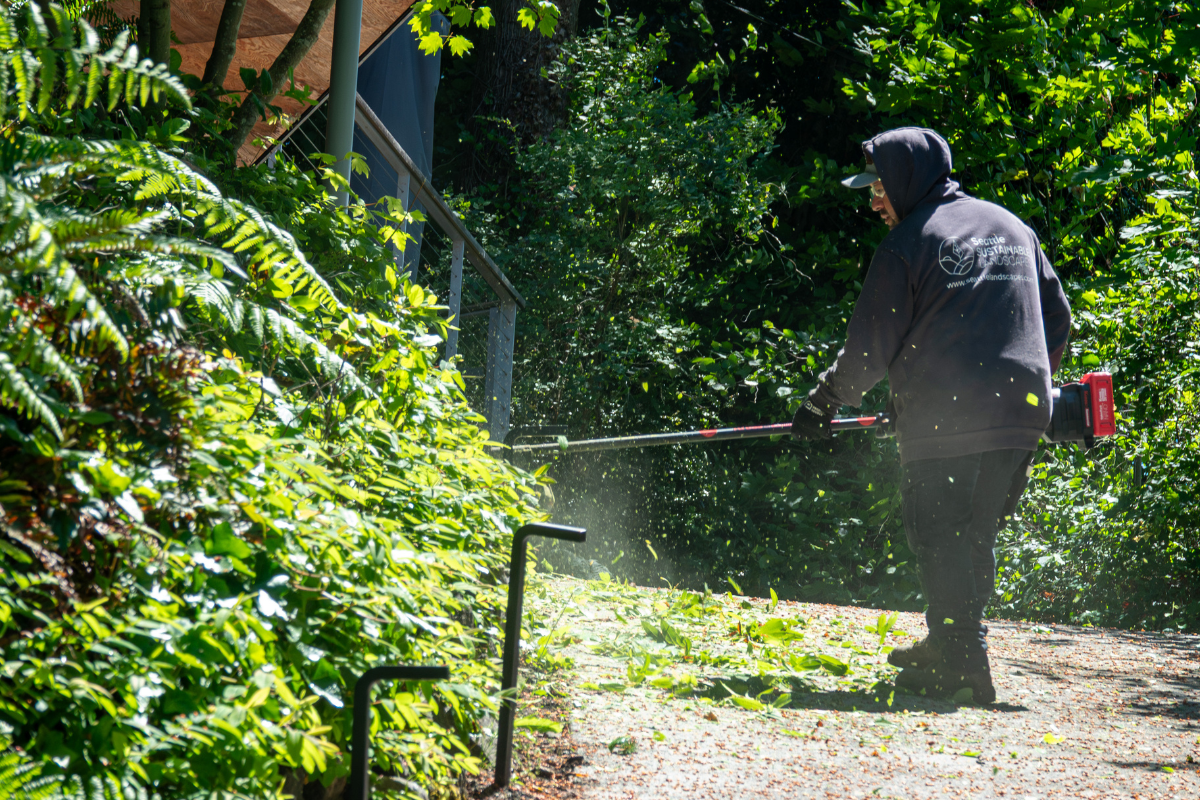
Prune back overgrown vines
Invasive vines like morning glory and English ivy, along with unmanaged wisteria or grape vines, benefit from a prune back to keep them in check.
Save Grasses for Wildlife
Instead of cutting back ornamental grasses right away, leave them tall or only partially pruned through late winter. These will create crucial habitat for insects.
Once the invasives, weeds and volunteers are gone, you can re-evaluate your yard and start planning what to plant this fall.
What to Leave for Fall
Tackling an overgrown yard in Seattle can sometimes feel overwhelming. The key is to start slow and steady, knowing that you don’t need to deal with everything right away. Here are a few tasks you can leave for later months, once the rain returns and soil has more moisture:
- Dethatching and aerating: These lawn treatments work best with a little more moisture in the soil.
- Fertilizing and overseeding: Fall’s natural rainfall helps grass absorb fertilizer and gives new seeds the moisture they need to establish.
- Heavy pruning and planting: During the summer, plants are already stressed from the lack of water, so adding pruning on top of that is just too much. If you plan to prune before fall, make sure to deep water your plants for one to two weeks before.
Get Your Yard Ready for Planting Season
Managing an overgrown yard might feel like too much. It’s far from a lost cause, though. With a little cleanup now and the right tasks saved for later, your yard can feel refreshed again and ready for the planting season.
Whether you need help clearing out an overgrown space or planning ahead for fall, our team would love to help out!
Contact Seattle Sustainable Landscapes to explore what’s possible for your space.