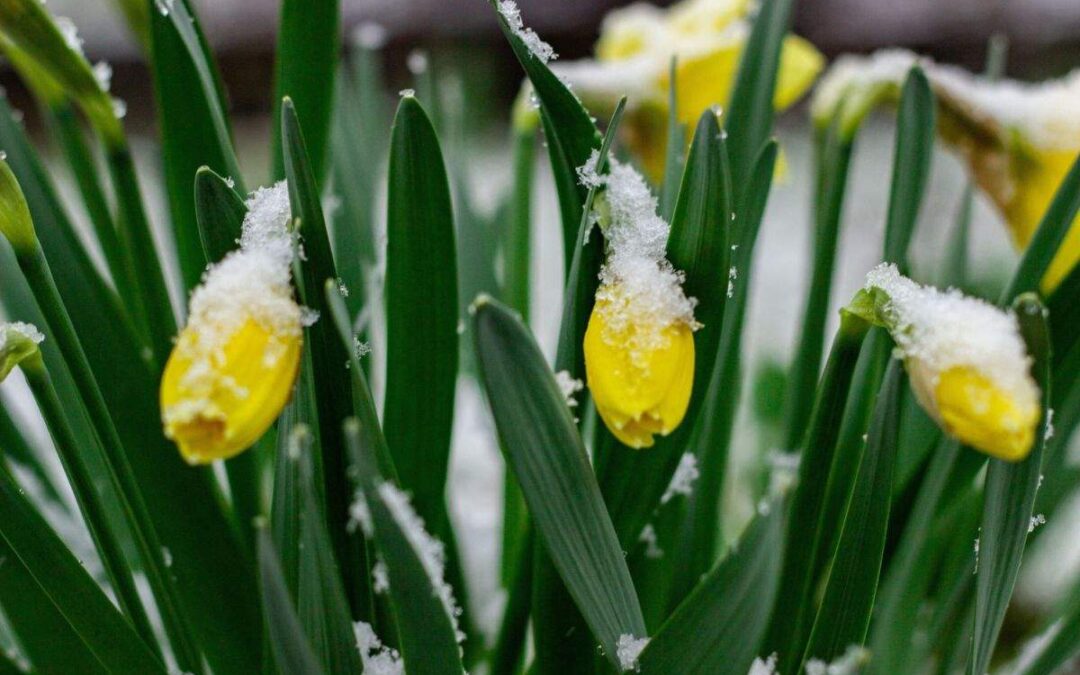
Once temperatures drop and plants go dormant, many of us look around our yards and wonder if there is any winter gardening in Seattle worth doing.
Taking on a few tasks during the colder months goes a long way: it shields roots from freezes, keeps soil in place, and prevents stormwater runoff. At Seattle Sustainable Landscapes, we treat winter as an essential part of year-round yard care so your garden blooms even stronger in spring.
How to Care for Your Seattle Garden in Winter
You don't need to spend every weekend outside in the rain to keep your garden healthy through the colder months. A few simple tasks can make a noticeable difference.
1. Mulch Your Garden Beds
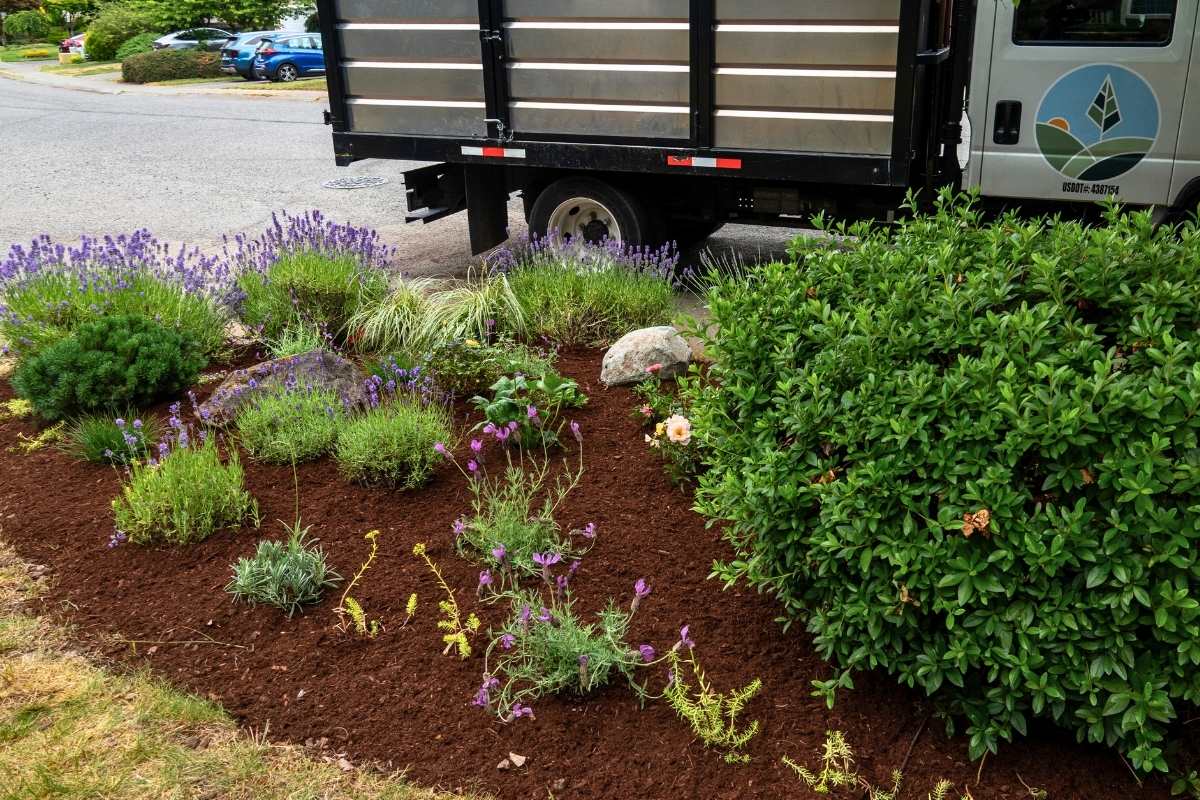
Adding a 2- to 3-inch layer of mulch to your garden beds is one of the best ways to protect your plants and soil, while helping prevent stormwater runoff during Seattle's rainy season.
Mulch insulates plant roots and keeps temperatures steady during cold snaps. When heavy rain hits bare soil, water can wash away essential nutrients plants need to thrive. Mulch slows down rainwater so it absorbs gradually into the ground, keeps soil in place, and suppresses winter weeds.
If you're not sure which type your yard needs, check out our article on types of mulch.
2. Prune Dormant Trees and Shrubs
Most deciduous trees and shrubs go dormant in winter, making late the best time to prune. Once the leaves have dropped, it is much easier to see a plant's natural structure and spot dead, damaged, or crossing branches.
Waiting until dormancy to prune supports spring growth in a few ways:
- Prevents vulnerable new growth: Pruning in the late summer or early fall can trigger new growth that may not survive the colder months. Making cuts during the dormant period removes that risk.
- Speeds up healing: Plants store energy and nutrients in their roots over winter, allowing pruning wounds to close faster.
- Lowers disease risk: Most pests and fungal diseases are inactive during cold weather, reducing the chance of infection.
Not every shrub should be pruned in winter. Early spring bloomers (like lilacs, azaleas, and some hydrangeas) already have their buds in place, so pruning now means cutting off next season's blooms. Before pruning shrubs, we recommend checking which varieties you have to avoid this.
If you have a large tree that needs attention, the City of Seattle Tree Code requires a licensed arborist to prune anything taller than 15 feet.
3. Harvest Seeds
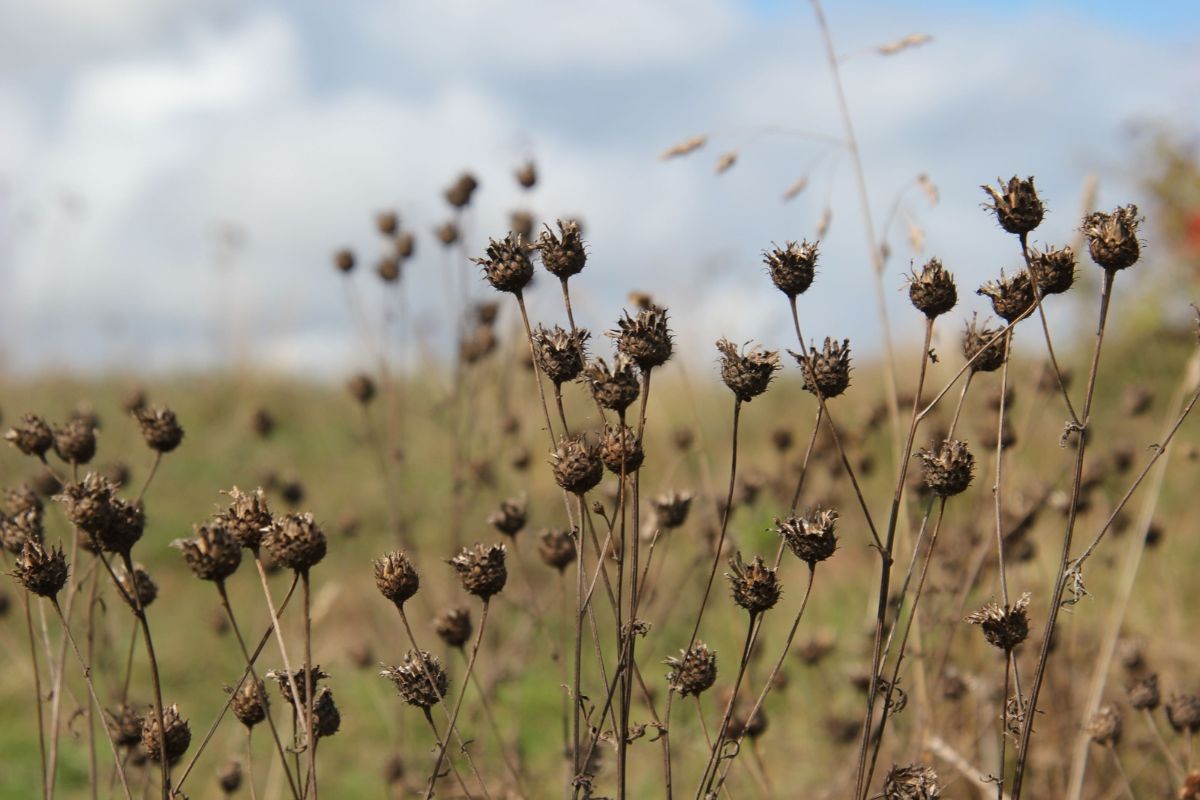
Leftover flower heads from summer and fall are often full of seeds. Gathering them in winter is an easy, low-cost way to grow more of your favorite plantings.
To help perennials spread naturally, sprinkle those seeds directly around the base of the existing plant. You can also dry and store them in labeled envelopes to sow in early spring. In fact, many of our team members start flower and vegetable seeds inside late in winter so they are ready to transplant outdoors after the last frost.
4. Cut Back Perennials
Perennials die back in late fall and winter, leaving dry, brown stems behind. Cutting these dead parts back to the base of the plant tidies up your beds and encourages healthy shoots in spring.
Even when a perennial looks completely dormant above ground, its root system is still establishing beneath the soil. Winter is actually a great time to plant new perennials in Seattle. Their roots settle into our cool, moist soil over the winter and they are ready to bloom once temperatures rise.
Want a garden that thrives year-round?
Our ongoing yard maintenance plans adjust with the seasons: from dormant winter pruning and mulching to full spring and summer care tailored to your property.
5. Protect Your Plants From Freezing Temperatures
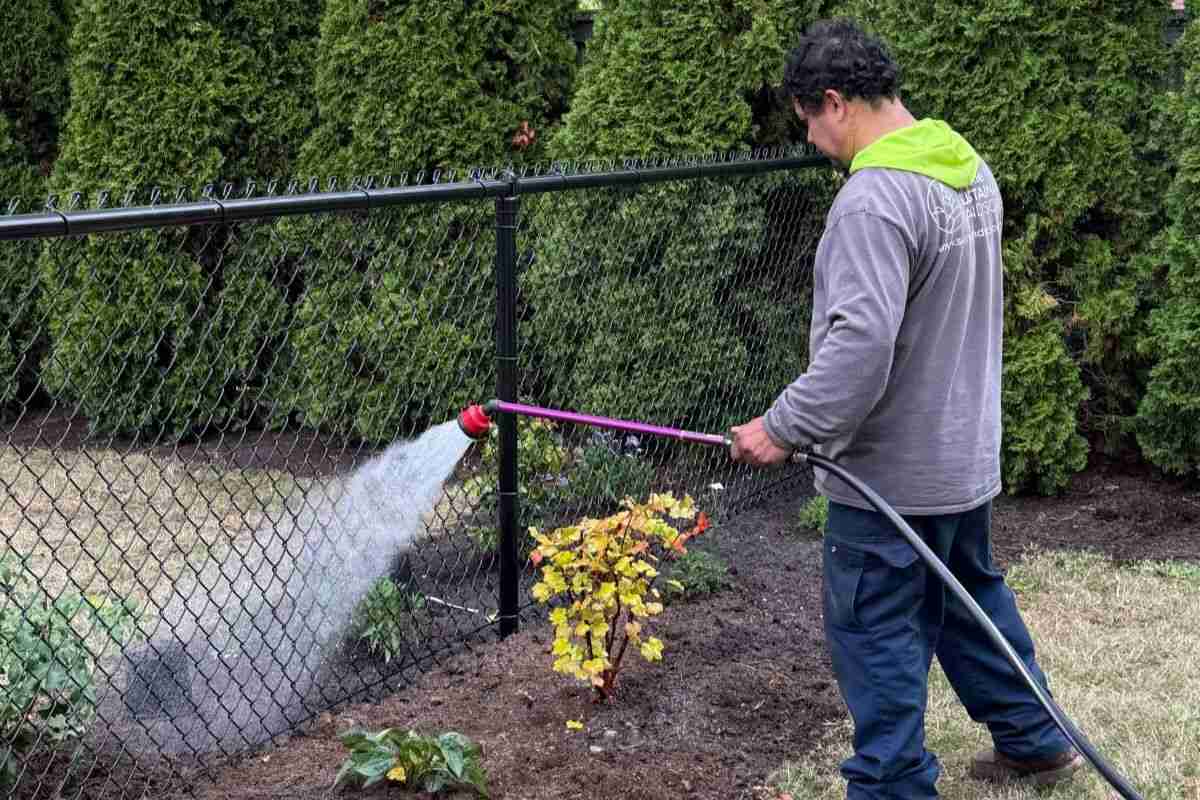
When the forecast calls for freezing temperatures, give your garden beds a deep watering beforehand. It sounds counterintuitive, but wet soil stays warmer than dry soil.
Because Seattle rarely experiences deep freezes lasting more than a week, watering ahead of a cold snap is often enough for established plants. For tender or newly planted species, you can protect them with old moving blankets, towels, burlap, or other recycled fabrics. Just be sure to remove coverings once temperatures rise so your plants still get sunlight and airflow.
6. Plan Spring Plantings and Hardscape Projects
Winter is the best time to step back, look at the structure of your yard, and plan what you want to do in the garden when the warmer weather of spring and summer returns.
Whether you want to add native plants, refresh tired garden beds, or start a vegetable garden, winter gives you space to reassess.
It is also the smartest season to tackle hardscape and irrigation projects (like building raised beds, patios, retaining walls, or installing in-ground irrigation), so your yard is finished and ready to enjoy before warm weather arrives.
FAQs About Winter Gardening
What should you do in your Seattle garden during winter?
Key winter gardening tasks in Seattle include mulching garden beds, pruning dormant trees and shrubs, and protecting sensitive plants. Winter is also an ideal time to harvest seeds and plan spring plantings or hardscape projects.
Can you plant new perennials in winter?
Yes, winter is a great time to plant new perennials in Seattle. Even when plants look dormant above ground, their roots settle into the cool, moist soil over winter so they are ready to bloom once temperatures rise.
Should you water plants in the winter?
Most established plants do not need regular watering in winter because Seattle's seasonal rainfall provides enough moisture. You only need to water during extended dry spells or right before a hard freeze to help insulate plant roots.
Keep Your Seattle Garden Healthy Through the Seasons
Winter may feel like a quiet season in the Pacific Northwest, but a little care now protects your soil, strengthens root systems, and makes spring gardening much easier. Consistent yard care is what keeps a Seattle landscape healthy all year long.
Ready for year-round care?
Contact Seattle Sustainable Landscapes to chat about yard care for your property!